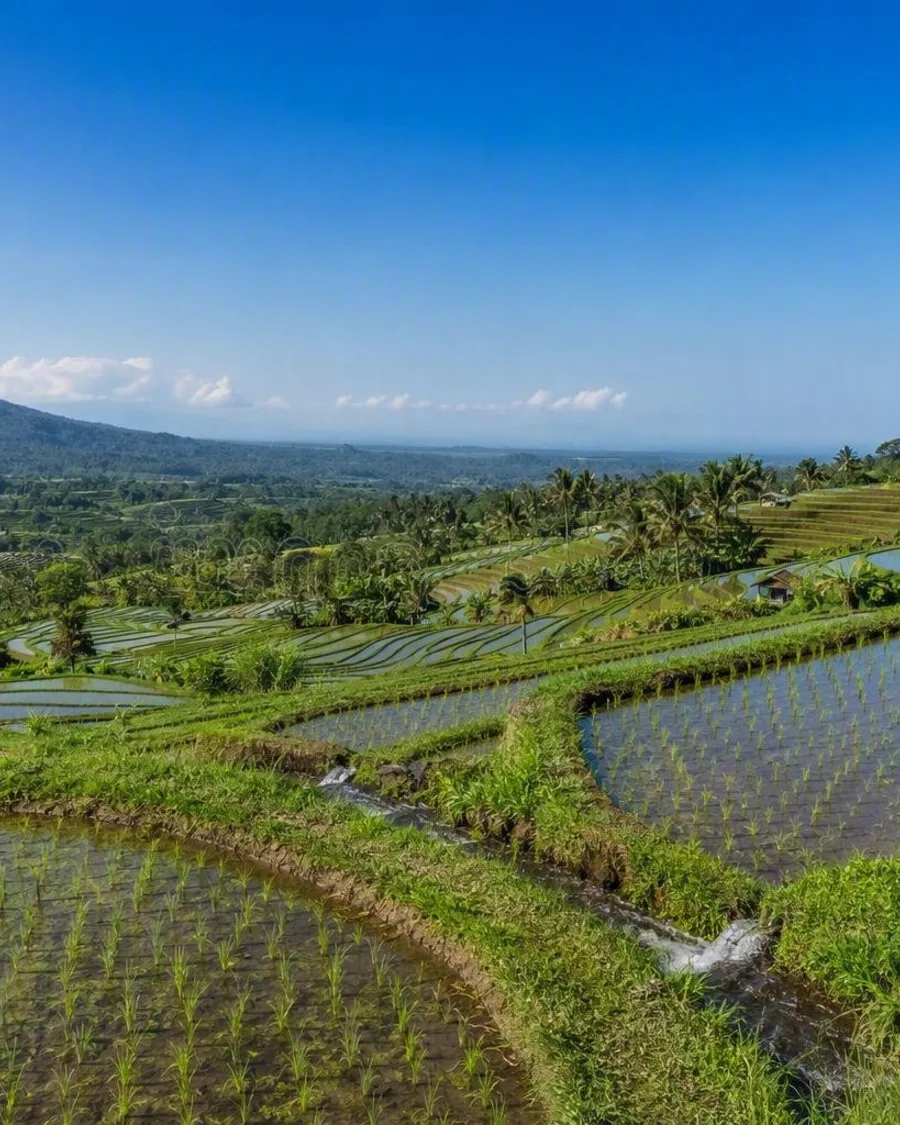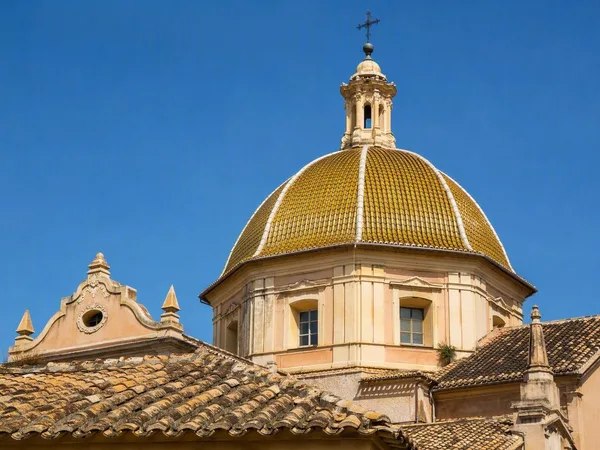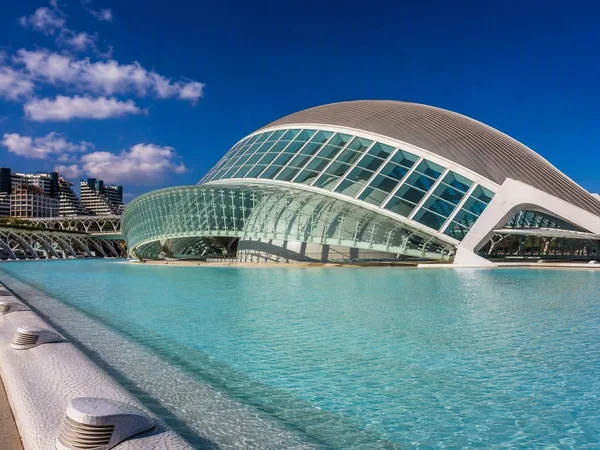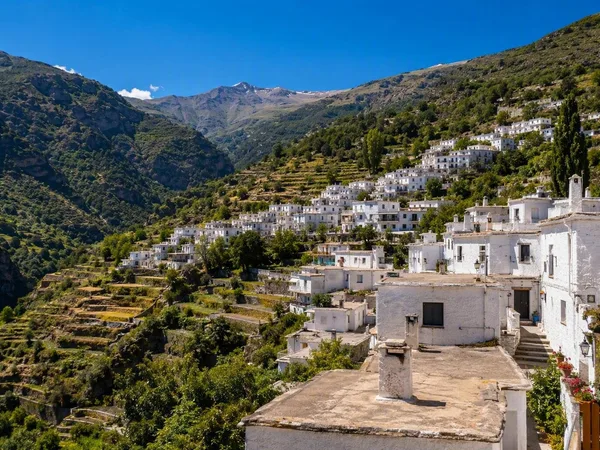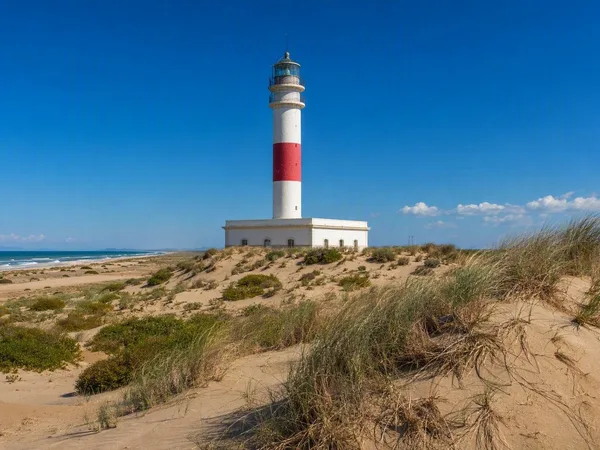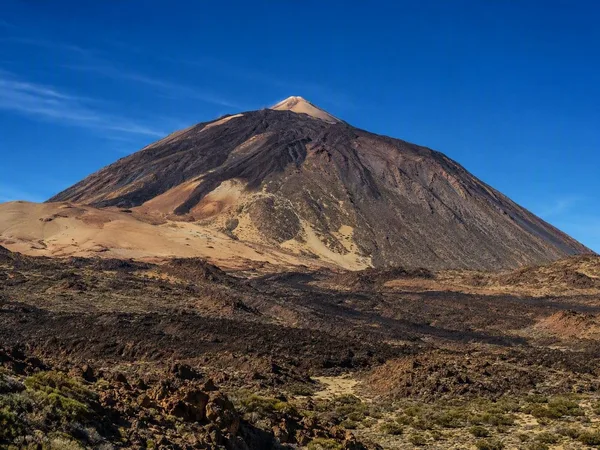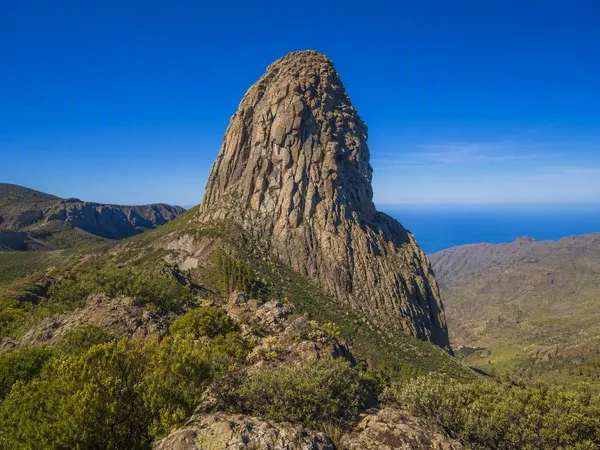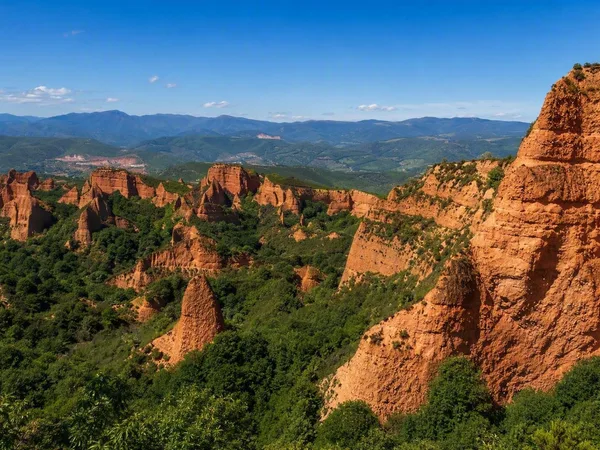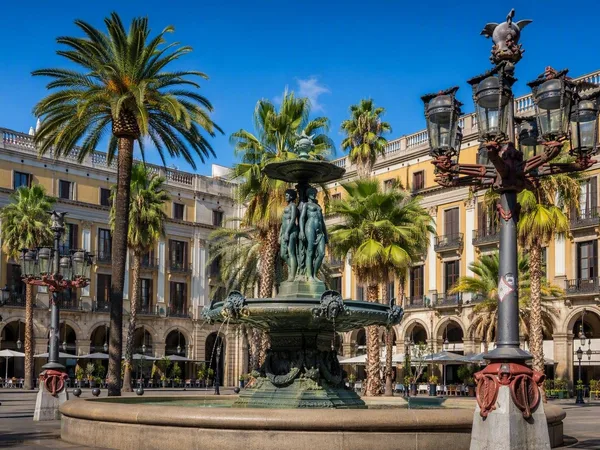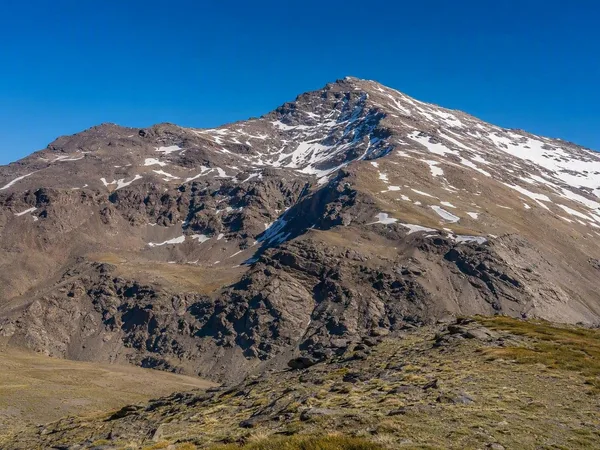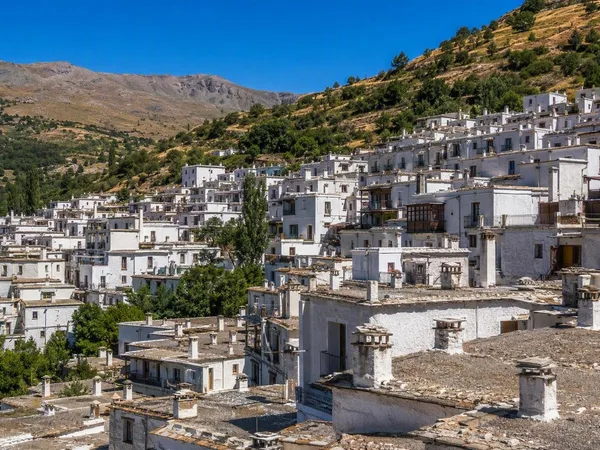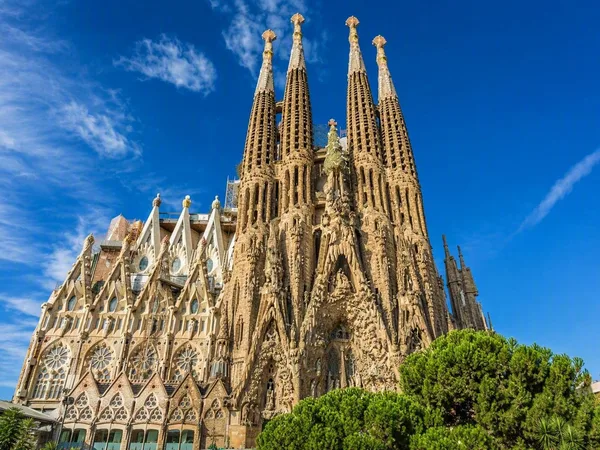
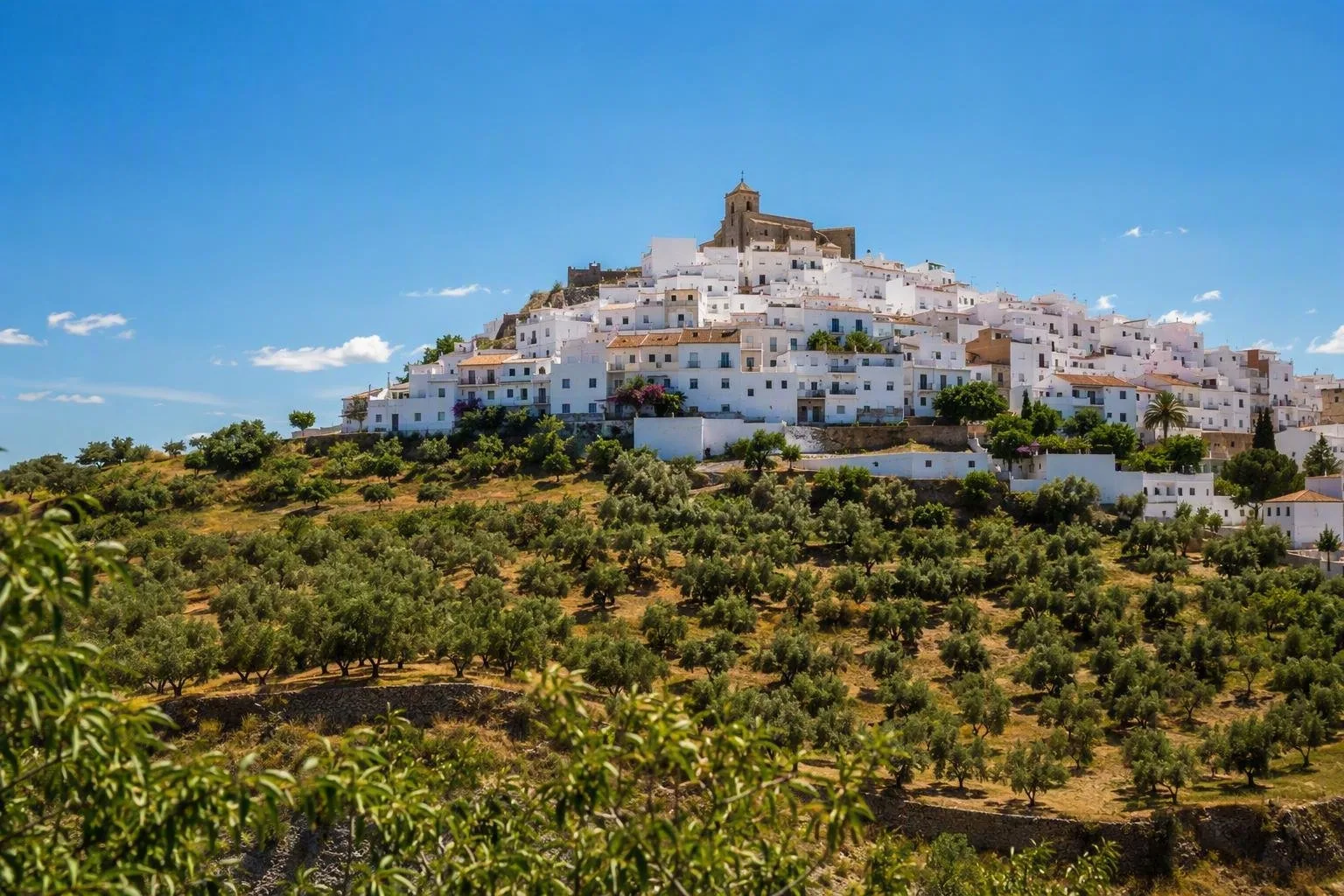
Spain repays a closer look because the country changes sharply from one region to the next. Dry plains stretch around Madrid, while green headlands run along the northern coast and volcanic slopes rise in the Canary Islands. In Andalusia, whitewashed towns stand above olive groves. The Alhambra in Granada holds carved plasterwork, tilework and shaded courtyards from the Nasrid period. Santiago de Compostela has drawn pilgrims to its cathedral for centuries. In Barcelona, Antoni Gaudí gave apartment buildings curved façades, tiled stairwells and planted courtyards. Mountain ranges once slowed travel between the peninsula’s kingdoms. Catalan, Galician and Basque remain part of daily life alongside Spanish, and local kitchens follow the produce of nearby fields and coasts.
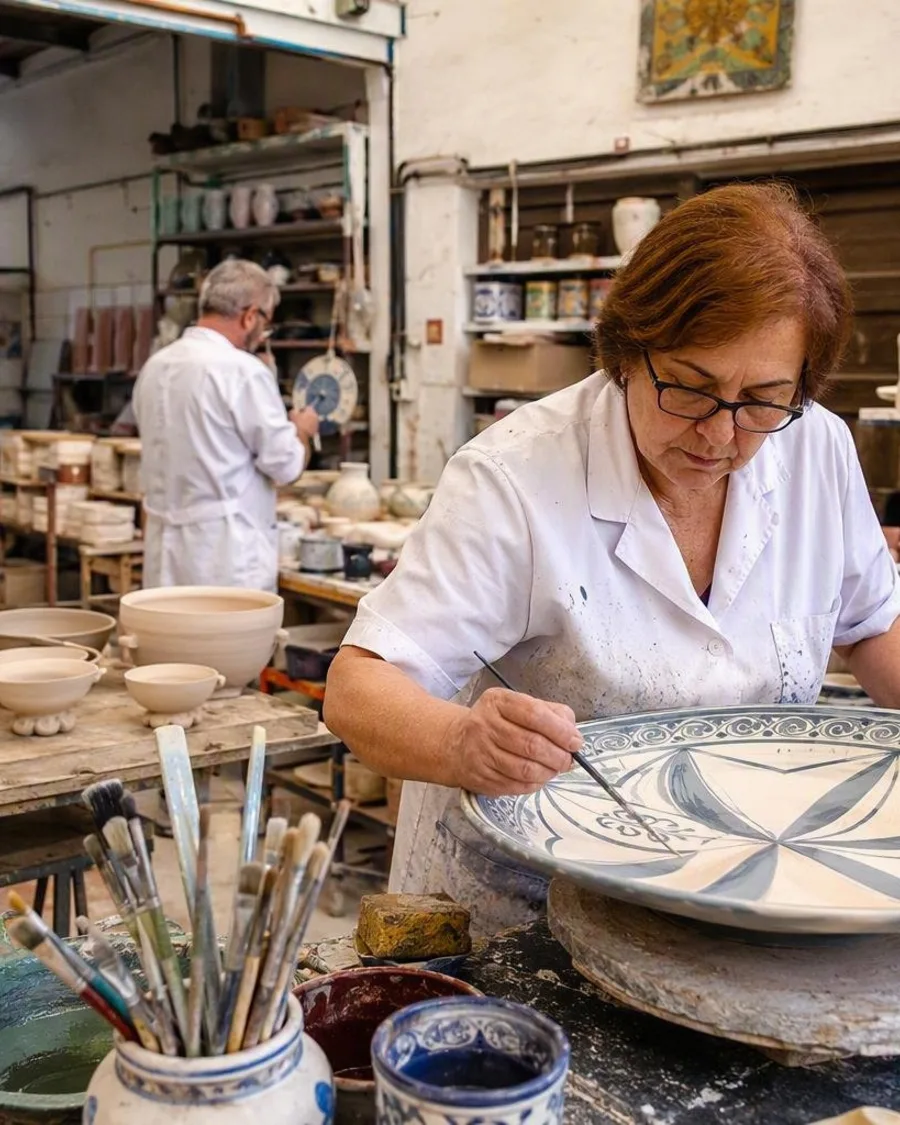
In Valencia, cooks make rice dishes in wide pans with beans, vegetables, seafood or meat. At Mercado Central, stalls sell tomatoes, cured ham and salt cod beneath an iron-and-glass dome. Galicia serves Atlantic shellfish and octopus, while diners in the Basque Country choose pintxos from bar counters. Madrid’s Prado hangs paintings by Velázquez and Goya, and potters in Seville’s Triana district still make glazed tiles for local façades.
Walkers cross the limestone peaks of the Picos de Europa, and small coves break up the volcanic shore at Cabo de Gata. Take time to linger over a meal, listen for the language spoken around you and look beyond the familiar tapas. Spain gives patient visitors plenty to bring home.