
City · Spain
Córdoba
Córdoba is an Andalusian city on the Guadalquivir in southern Spain, centred on one of Europe’s most layered historic quarters. Its Mosque-Cathedral, Jewish Quarter, Roman bridge and riverside fortifications can be explored on foot.
Read the city through its layers
Córdoba was a Roman city, capital of an Umayyad caliphate and later a Castilian Christian city. Those shifts are unusually legible in the compact historic centre: Roman remains, Islamic architecture, a medieval synagogue, churches and courtyard houses share the same streetscape.
The World Heritage area gathers around the Mosque-Cathedral and reaches across the Guadalquivir to the Roman Bridge and Calahorra Tower. Use the river as your southern edge and the mosque as your reference point; the old centre is dense, irregular and best approached slowly on foot.
Start with the Mosque-Cathedral
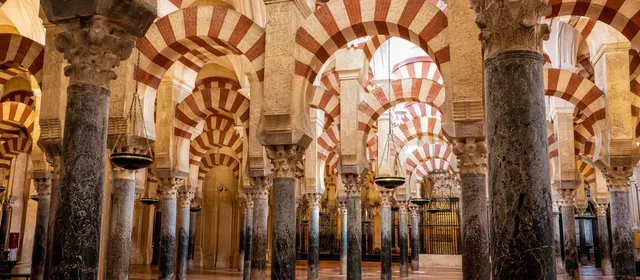
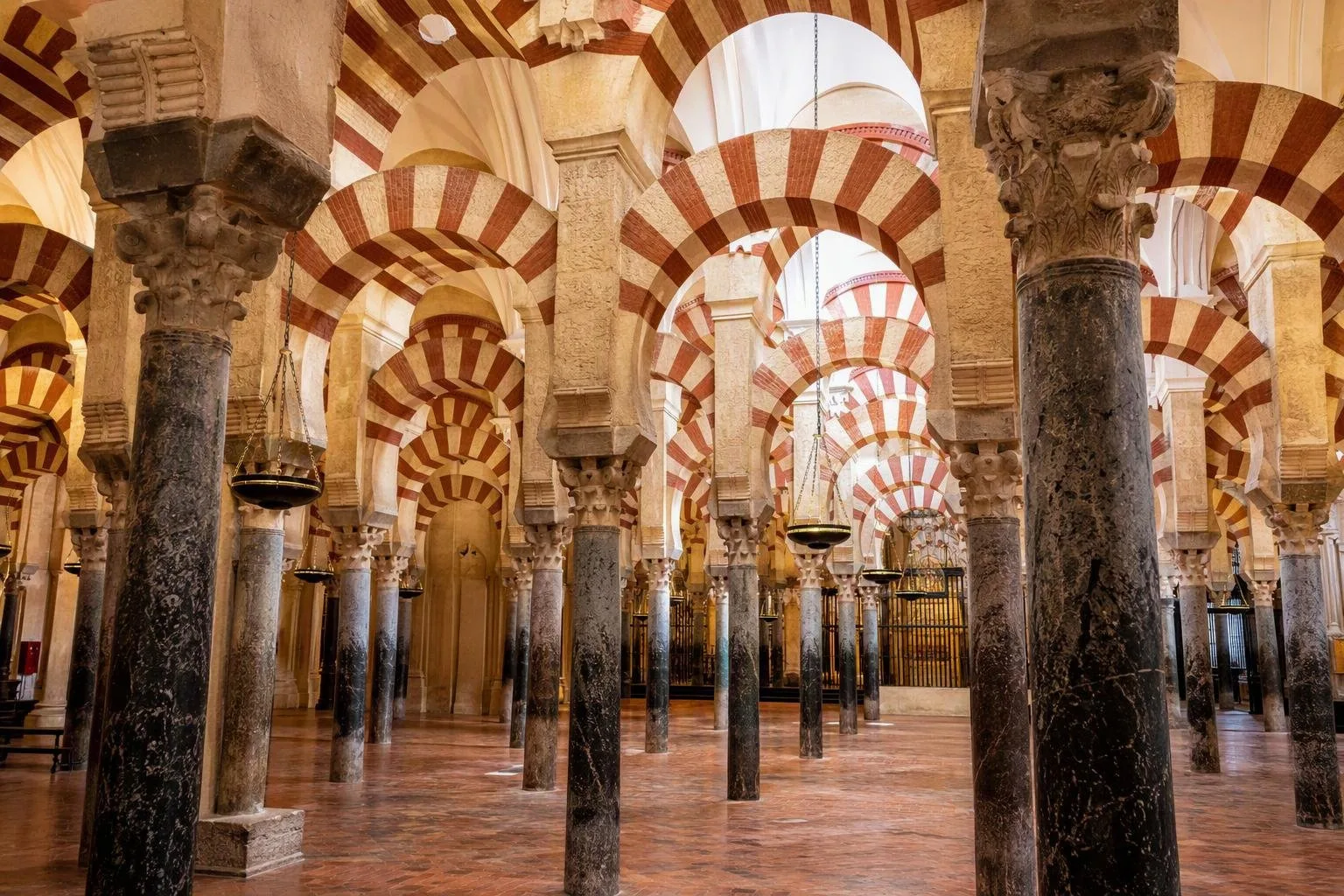
The Mosque-Cathedral is the essential first stop. Begun in the eighth century and enlarged during Islamic rule, it became a cathedral in 1236; its present form also includes major Renaissance interventions. The repeated red-and-white double arches, columns and later cathedral nave make the building’s changing function visible without leaving the interior.
Allow time for the Patio de los Naranjos, the orange-tree courtyard beside the former minaret, now the bell tower. It is useful both as an architectural introduction and as a quiet orientation point before tackling the surrounding lanes.
Walk outward: Judería, Alcázar and river
From the mosque, enter the Judería, the former Jewish quarter. Its narrow streets contain Córdoba’s 14th-century synagogue, the only surviving medieval synagogue in Andalusia. Nearby, the Chapel of San Bartolomé is a compact Gothic-Mudéjar counterpart.
West of the mosque, the Alcázar de los Reyes Cristianos stands on Roman, Visigothic and Islamic remains. Its surviving complex is principally a 13th-century Christian fortress, with gardens and archaeological material that underline the site’s longer history.
Finish at the Roman Bridge. The crossing has Roman origins but was repeatedly rebuilt; walk to the south bank for the Calahorra Tower and a broad view back to the mosque and riverfront.
Courtyards and the wider city
Córdoba’s patios are not incidental decoration. Traditional houses were organised around internal courtyards that brought light, air, water and plants into dense urban plots. The Patio Festival is held in May, but selected patios and larger courtyard houses can be visited beyond the festival period.
For a tenth-century extension of the story, take the dedicated transport to Medina Azahara, the archaeological remains of the caliphal palace city about 9 km from Córdoba. It is a separate site, so give it a half-day rather than trying to combine it with the old town.
Practical rhythm
- On foot: Wear firm shoes; paving and narrow lanes are uneven in places.
- Sequence: Visit the Mosque-Cathedral early, then use the quieter morning streets of the Judería and riverfront.
- Heat: In warmer months, plan monuments and the river walk for morning or late afternoon; use courtyards and museums in the middle of the day.
- Access: Major monuments operate on individual admission schedules, and religious spaces can have service-related restrictions.
From the magazine
Stories about Córdoba
Editorial stories linked directly to Córdoba.
No stories about Córdoba have been published yet.
Routes from our editors
Travel through Córdoba
Editorial routes connecting Córdoba with other countries, cities and hotspots.
No routes through Córdoba have been published yet.
More in Spain
Related hotspots
Other cities, nature areas and places within Spain.
Asturias
2 linked stories and routes
Manises: City of Ceramics
1 linked stories and routes
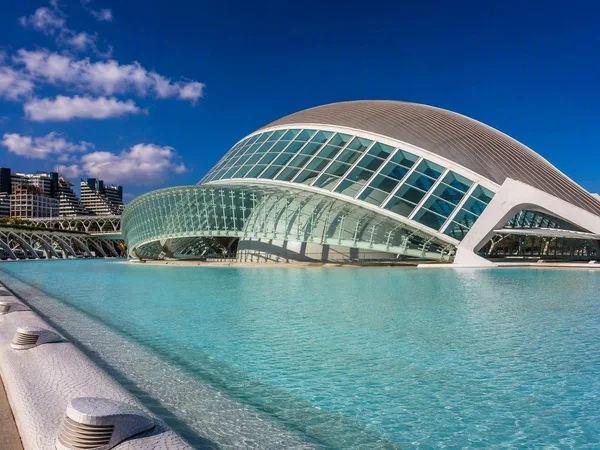
Valencia
1 linked stories and routes
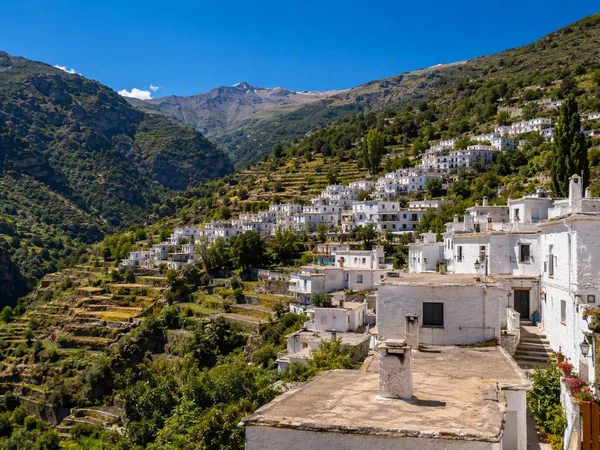
Alpujarras
1 linked stories and routes
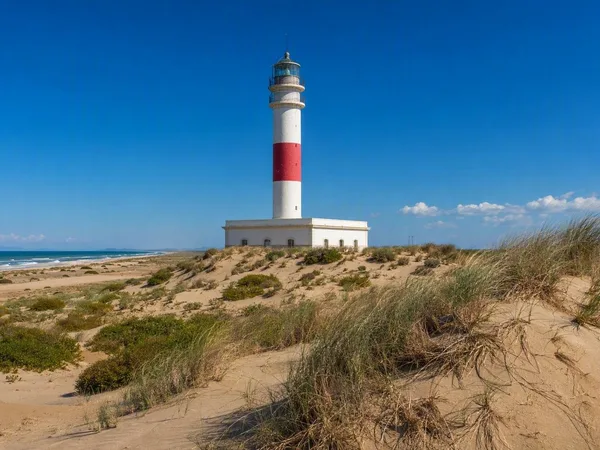
Ebro Delta
1 linked stories and routes
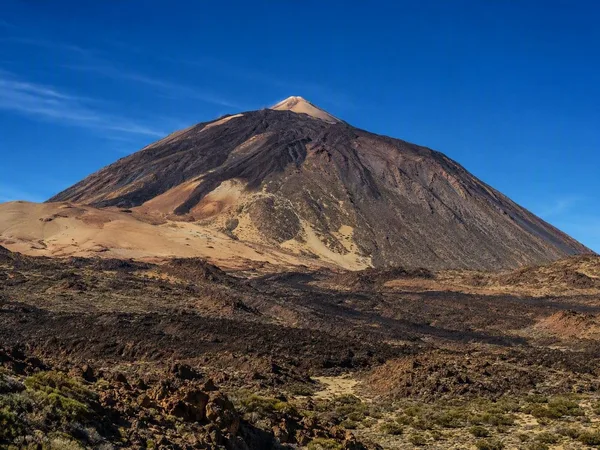
Teide
1 linked stories and routes
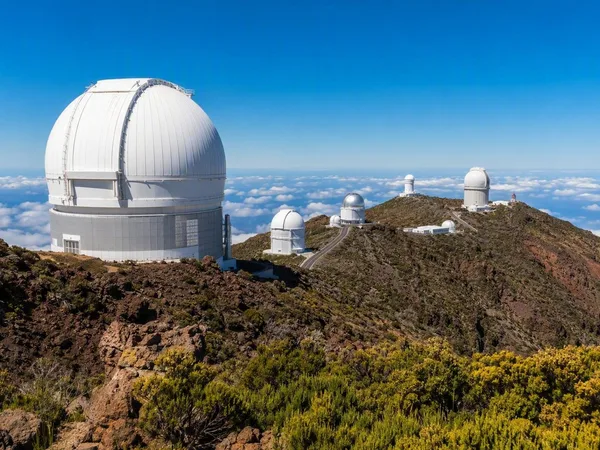
La Palma
1 linked stories and routes
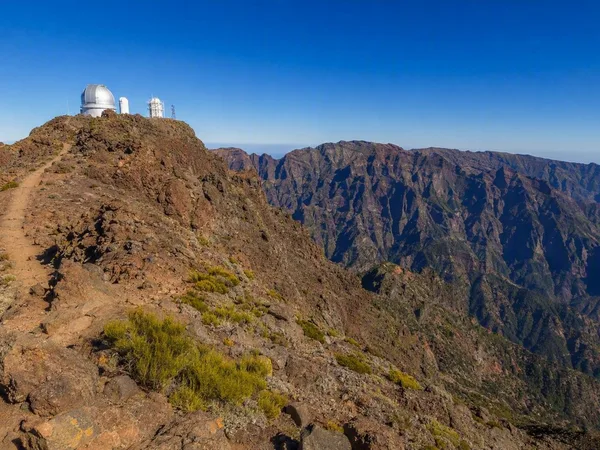
Roque de los Muchachos
1 linked stories and routes
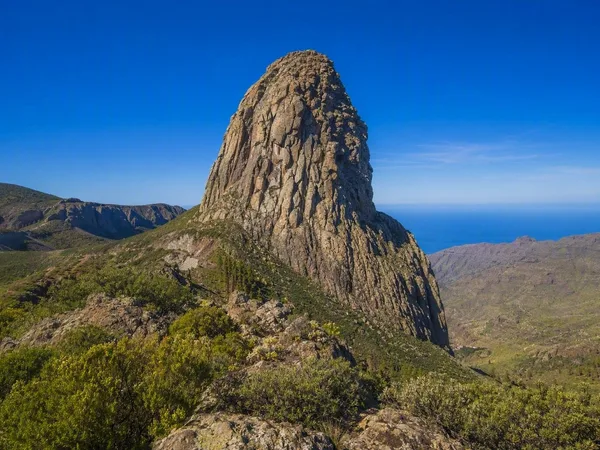
La Gomera
1 linked stories and routes
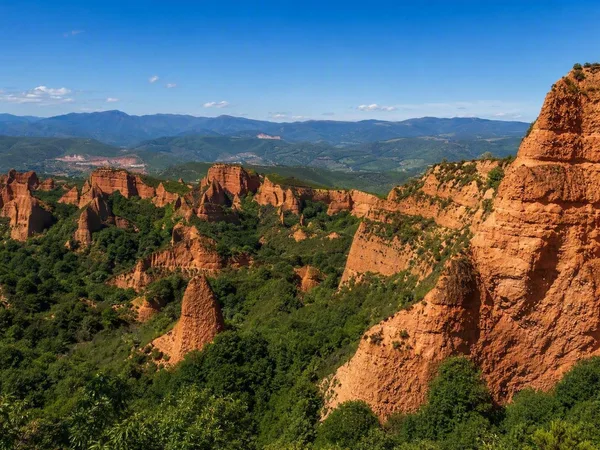
Las Médulas
1 linked stories and routes
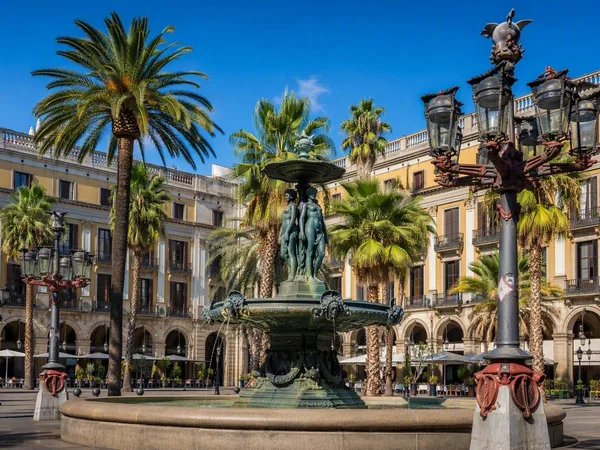
Plaça Reial
1 linked stories and routes
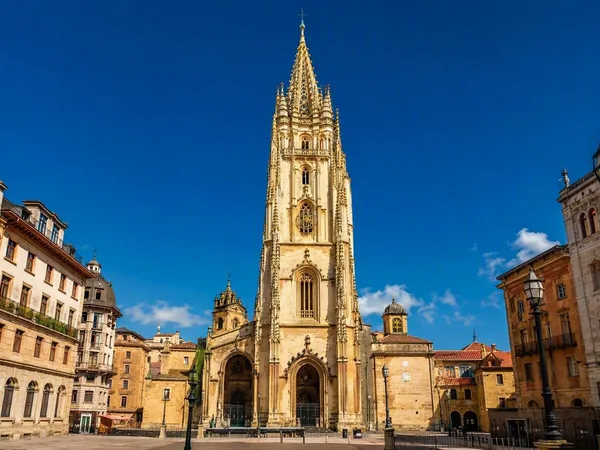
Oviedo
1 linked stories and routes
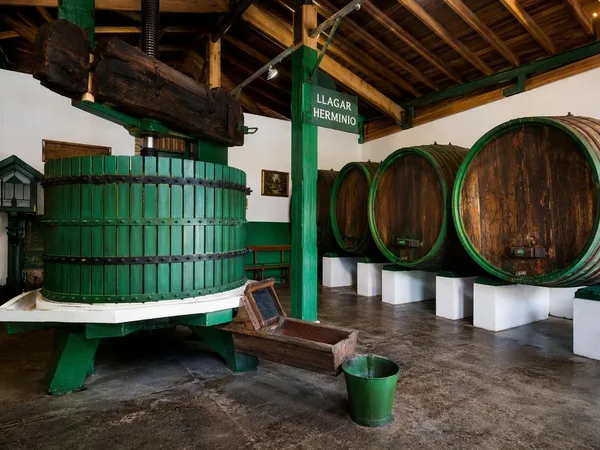
Colloto
1 linked stories and routes
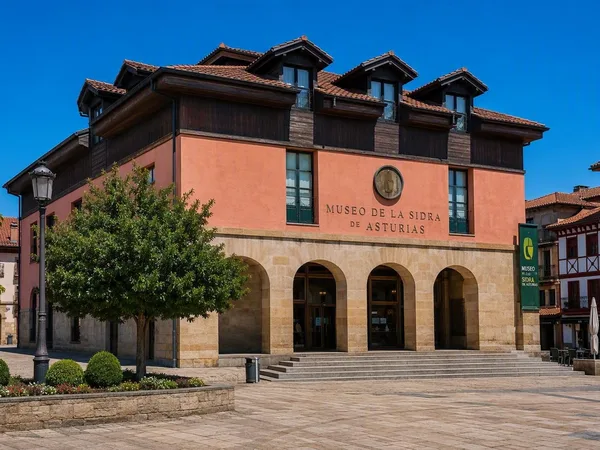
Nava
1 linked stories and routes
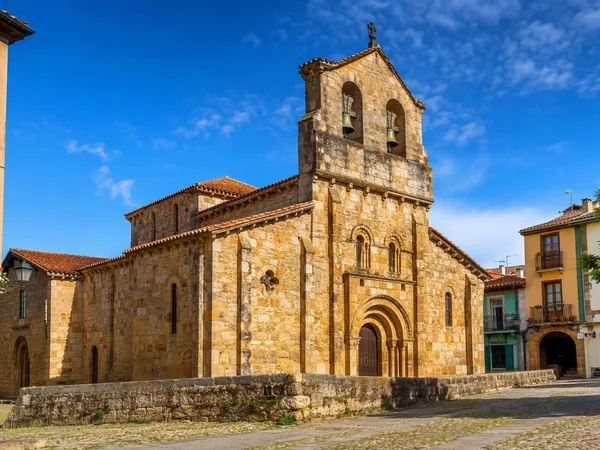
Villaviciosa
1 linked stories and routes
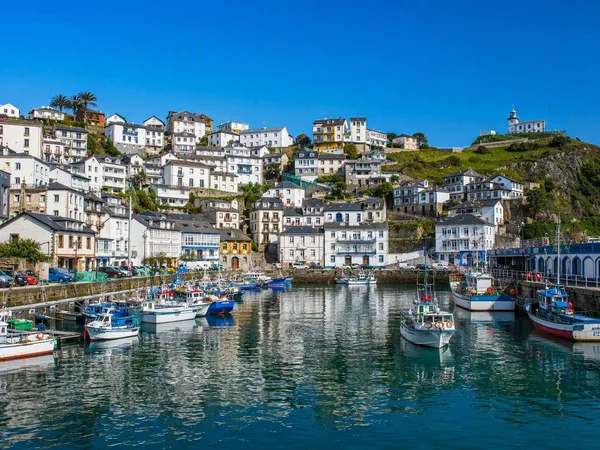
Luarca
1 linked stories and routes
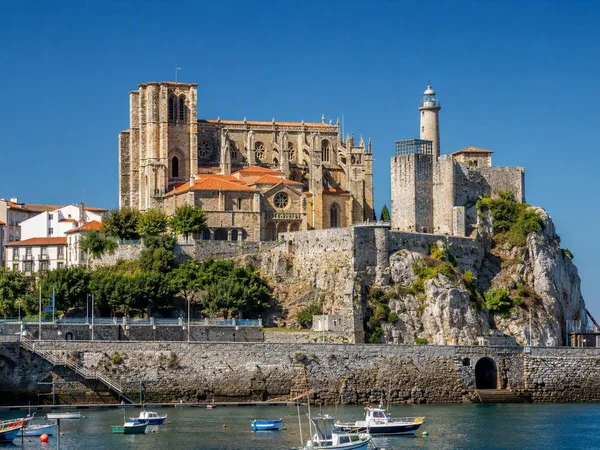
Castro Urdiales
1 linked stories and routes
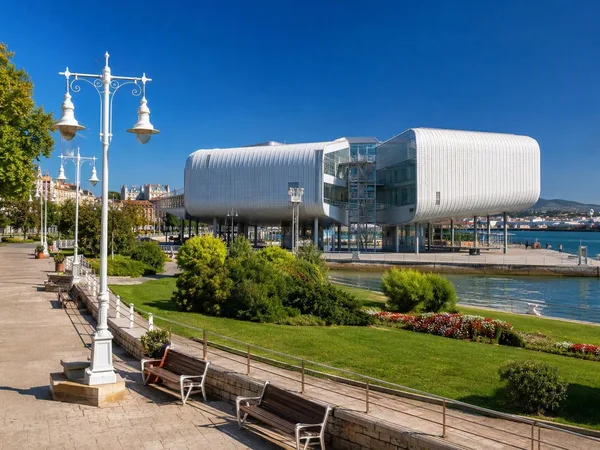
Santander
1 linked stories and routes
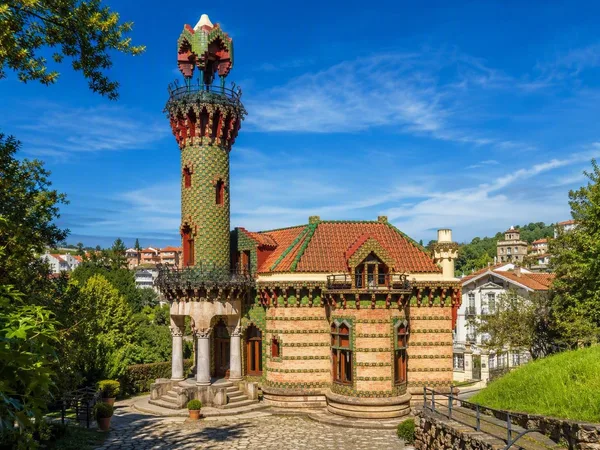
Comillas
1 linked stories and routes
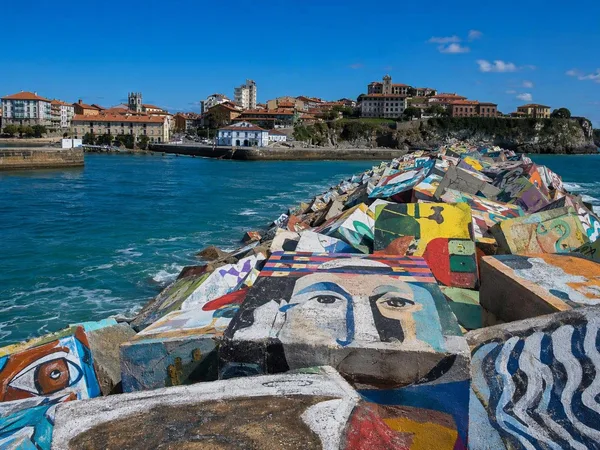
Llanes
1 linked stories and routes
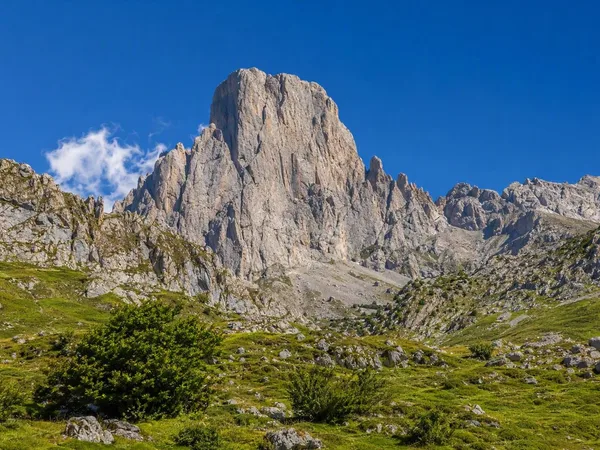
Picos de Europa National Park
1 linked stories and routes
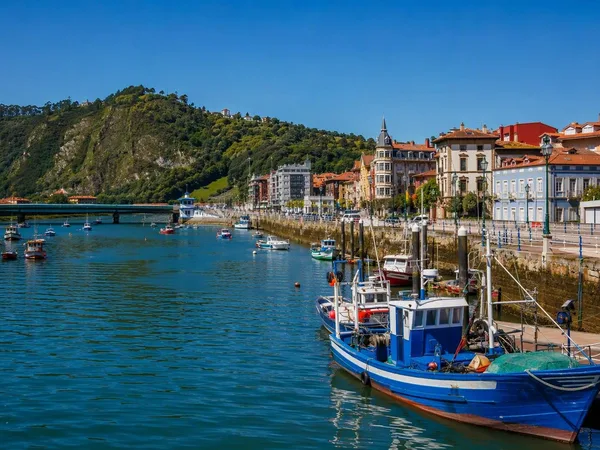
Ribadesella
1 linked stories and routes
Cudillero
1 linked stories and routes
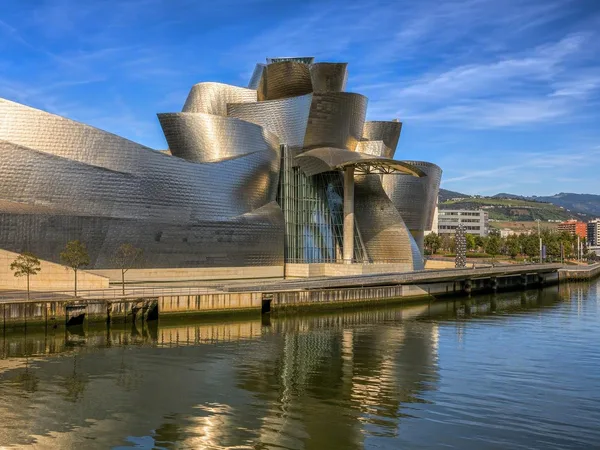
Bilbao
1 linked stories and routes
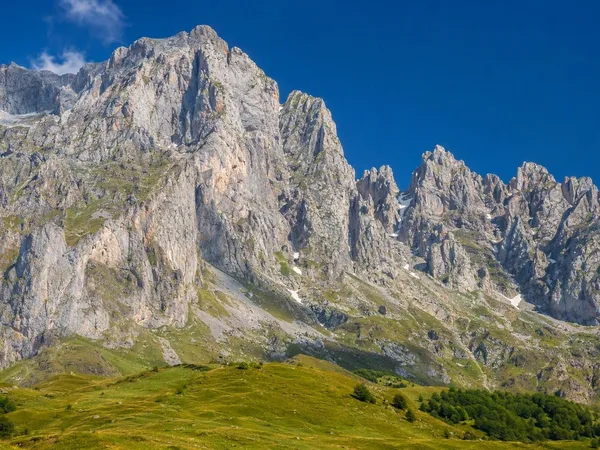
Cantabria
1 linked stories and routes
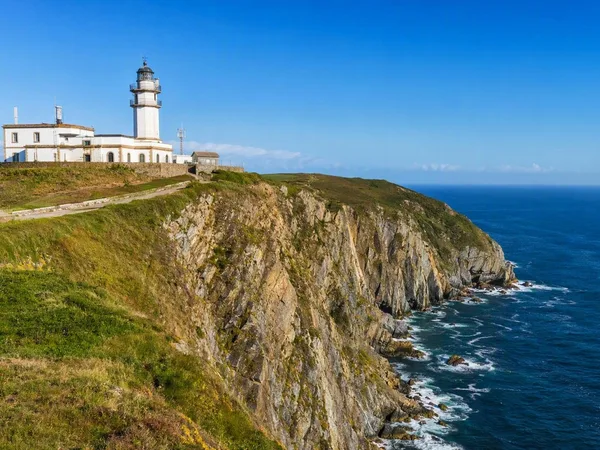
Cabo Vidio, Asturias
1 linked stories and routes
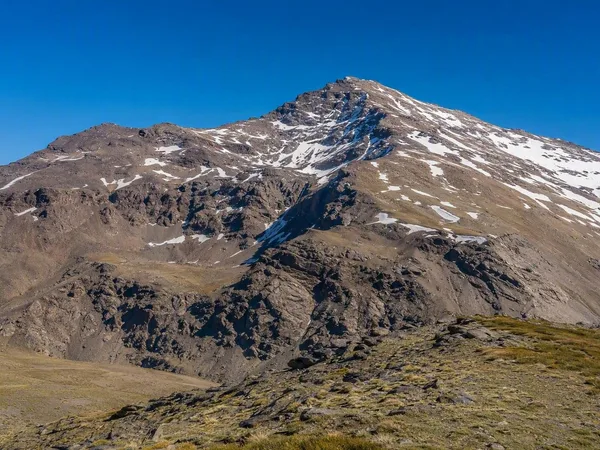
Sierra Nevada
0 linked stories and routes
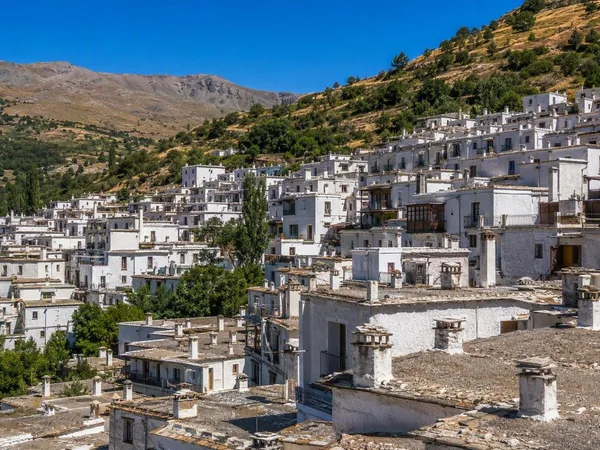
Trevélez
0 linked stories and routes
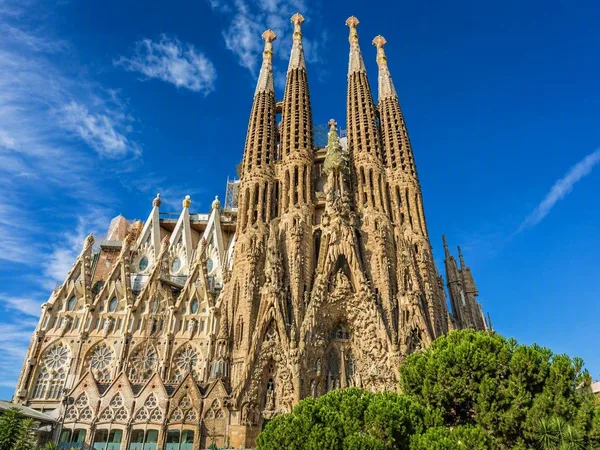
Barcelona
0 linked stories and routes
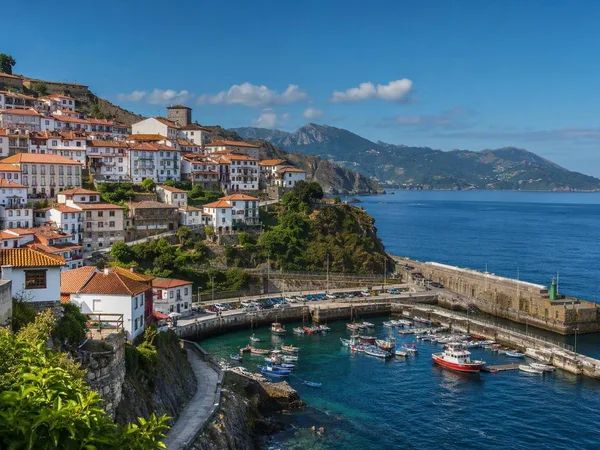
Lastres
0 linked stories and routes