
City · Spain
Santander
Santander is the capital of Cantabria on Spain’s northern coast, arranged around a broad natural bay. It combines a working waterfront, compact central streets, city beaches and a royal peninsula.
Read the city by the water
Santander’s geography gives it a clear working order. The historic centre and port sit at the inner bay; the waterfront leads east through Jardines de Pereda and Puertochico towards the Magdalena Peninsula, then on to the beaches of El Sardinero. Use the bay promenade to connect these districts rather than treating them as isolated sights.
The old core was heavily reshaped after the 1941 fire. Start around the Cathedral and Iglesia del Cristo, then pass Plaza Porticada and Mercado del Este. Beneath Plaza Porticada, the Medieval Wall Archaeological Centre preserves sections of the 13th-century town wall. The market is also home to MUPAC, whose collections range from the Upper Palaeolithic to the Middle Ages.
Waterfront and contemporary art
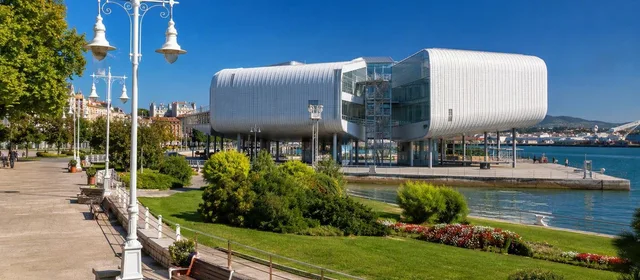
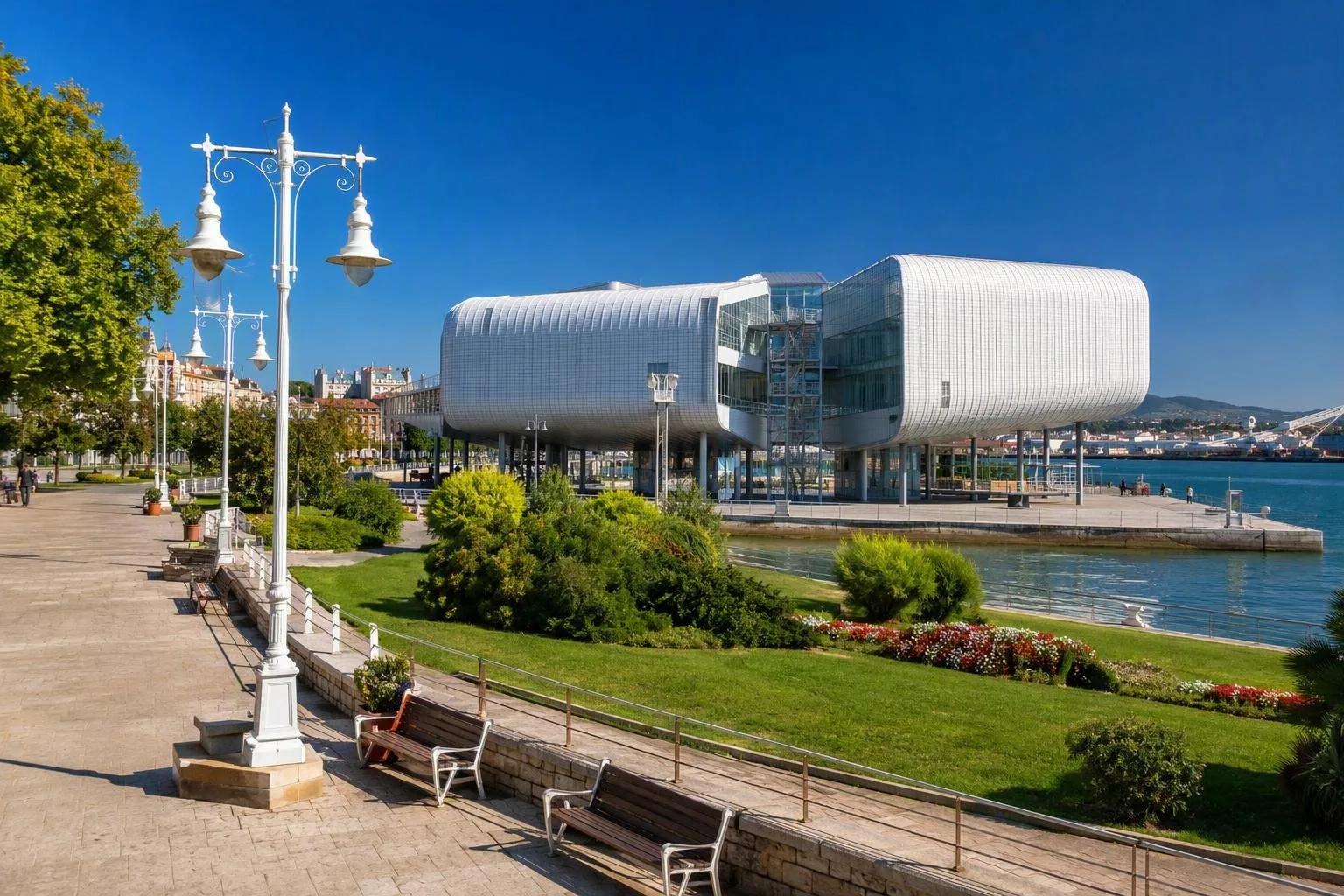
The bayfront is Santander’s most effective urban walk. Jardines de Pereda runs beside Paseo de Pereda, linking the ferry terminal area with the Centro Botín. Renzo Piano designed this 2017 arts centre as two elevated volumes: one for art, the other for cultural and educational activity. Its bayside setting and elevated walkways make it worth including even when exhibitions are not your priority.
Continue east to Puertochico, the marina, and the Cantabrian Maritime Museum. Its displays cover marine life, fishing, maritime history and technology—useful context for a city built around its harbour.
Magdalena and El Sardinero
La Magdalena Peninsula is the city’s grand coastal detour. The Palacio de la Magdalena occupies its high point; it was the summer residence of Alfonso XIII and Queen Victoria Eugenia for 17 years and has hosted the Menéndez Pelayo International University’s summer courses since 1933. Walk the peninsula for bay and Cantabrian Sea views. Palace interiors are visited on guided tours; availability can change when events are held there.
Beyond the peninsula, El Sardinero is the formal resort frontage: the Primera and Segunda beaches, Piquío Gardens and the Gran Casino. This is the right stretch for a beach walk rather than old-town sightseeing. Continue to Mataleñas for a smaller cove and clifftop scenery, or towards Cabo Mayor lighthouse for a more exposed coast.
Food and local rhythm
For market life, visit Mercado de la Esperanza; the fish stalls are empty on Mondays because the fleet does not fish on Sundays. In the centre and Barrio Pesquero, order rabas—fried squid rings—and fish or shellfish from the Cantabrian coast. Keep the meal simple: a few shared raciones suit Santander better than a long formal lunch.
Getting in and around
Santander’s rail and bus stations are central, close to the port and the old centre. Seve Ballesteros Airport is about 5 km from the centre. Walk the centre and waterfront, but use city transport or a taxi for El Sardinero, the Magdalena Peninsula and Cabo Mayor if time is limited. Passenger boats also cross the bay to Pedreña, Somo and, in beach season, El Puntal.
From the magazine
Stories about Santander
Editorial stories linked directly to Santander.
No stories about Santander have been published yet.
Routes from our editors
Travel through Santander
Editorial routes connecting Santander with other countries, cities and hotspots.
No routes through Santander have been published yet.
More in Spain
Related hotspots
Other cities, nature areas and places within Spain.
Asturias
2 linked stories and routes
Manises: City of Ceramics
1 linked stories and routes
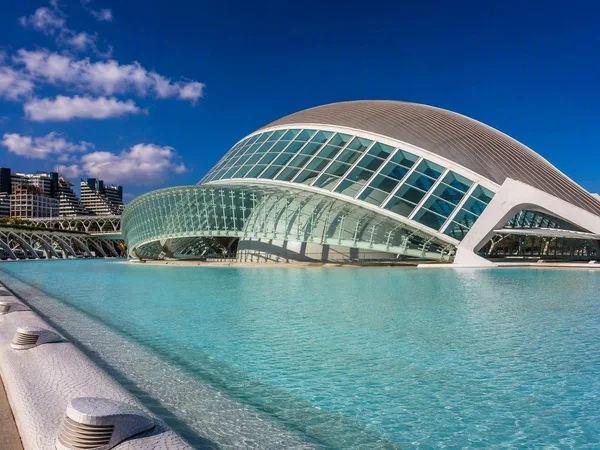
Valencia
1 linked stories and routes
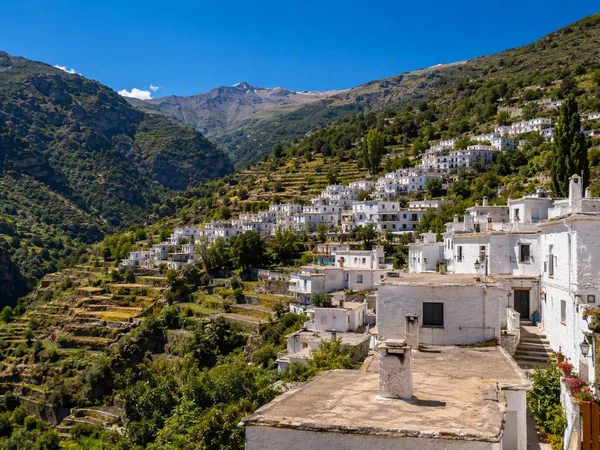
Alpujarras
1 linked stories and routes
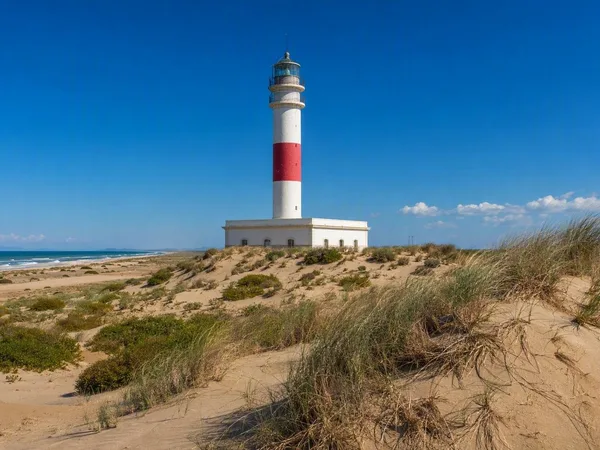
Ebro Delta
1 linked stories and routes
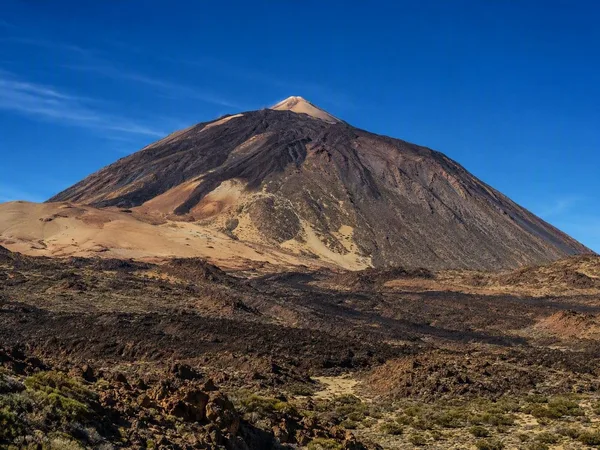
Teide
1 linked stories and routes
La Palma
1 linked stories and routes
Roque de los Muchachos
1 linked stories and routes
La Gomera
1 linked stories and routes
Las Médulas
1 linked stories and routes
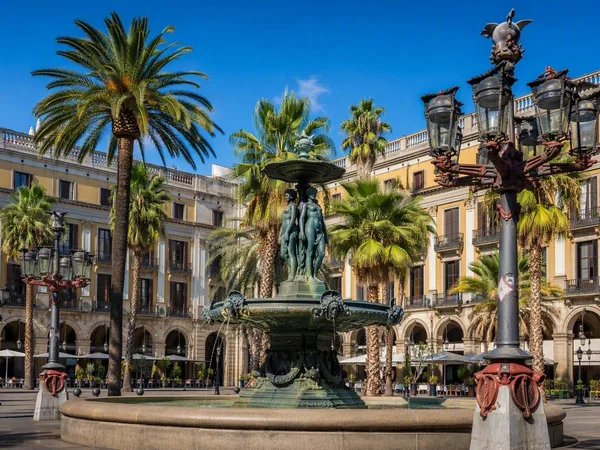
Plaça Reial
1 linked stories and routes
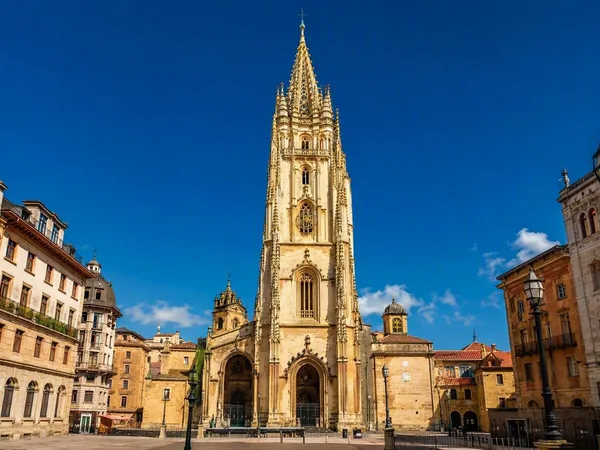
Oviedo
1 linked stories and routes
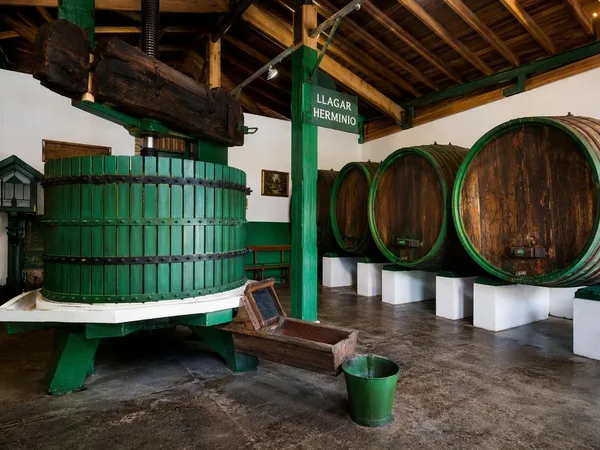
Colloto
1 linked stories and routes
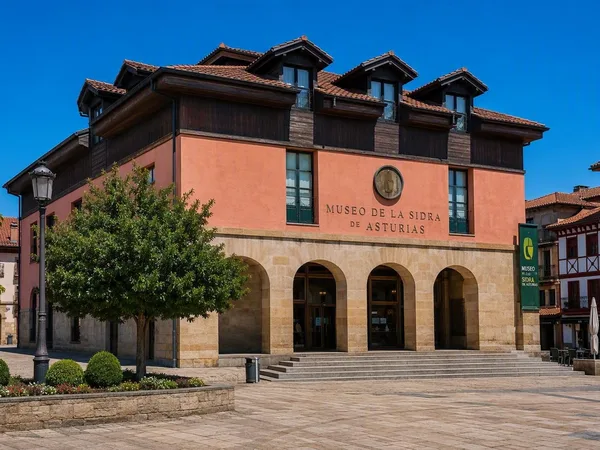
Nava
1 linked stories and routes
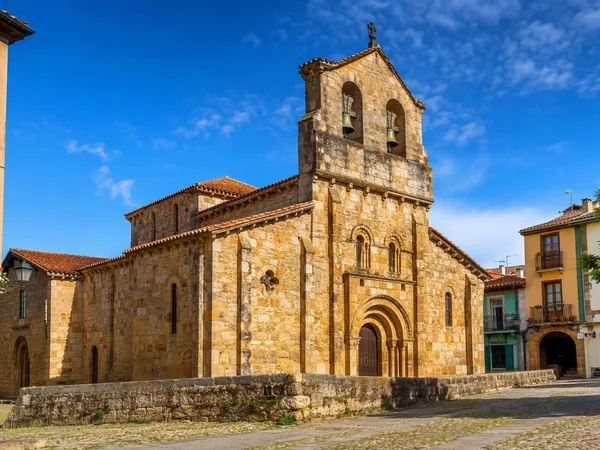
Villaviciosa
1 linked stories and routes
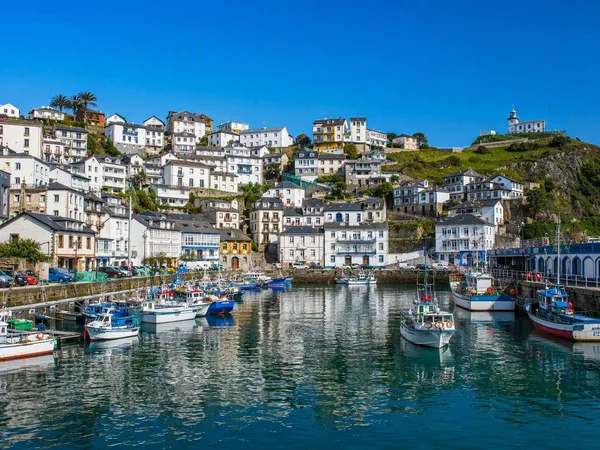
Luarca
1 linked stories and routes
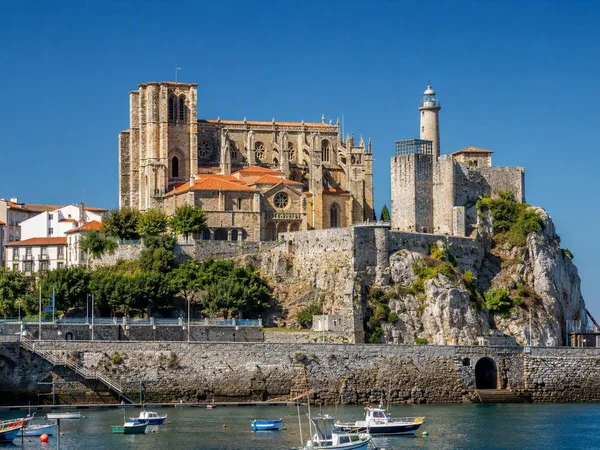
Castro Urdiales
1 linked stories and routes
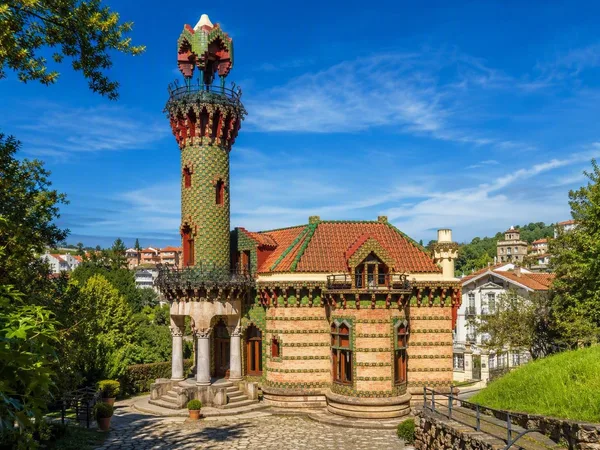
Comillas
1 linked stories and routes
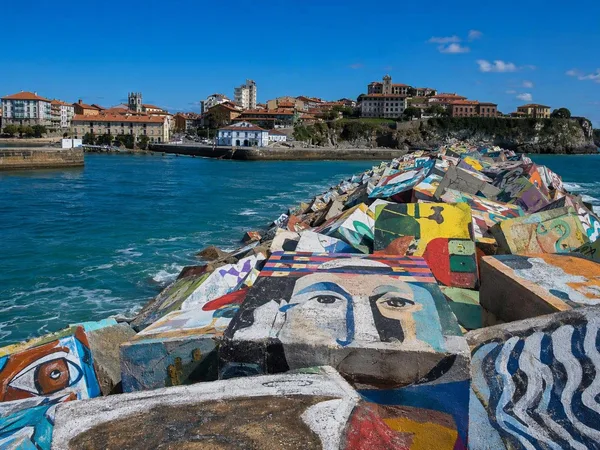
Llanes
1 linked stories and routes
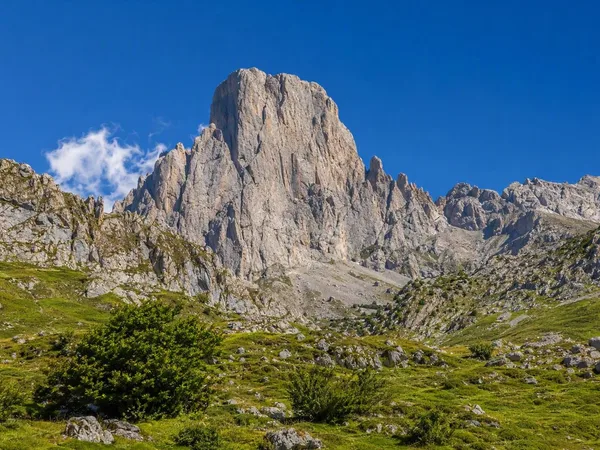
Picos de Europa National Park
1 linked stories and routes
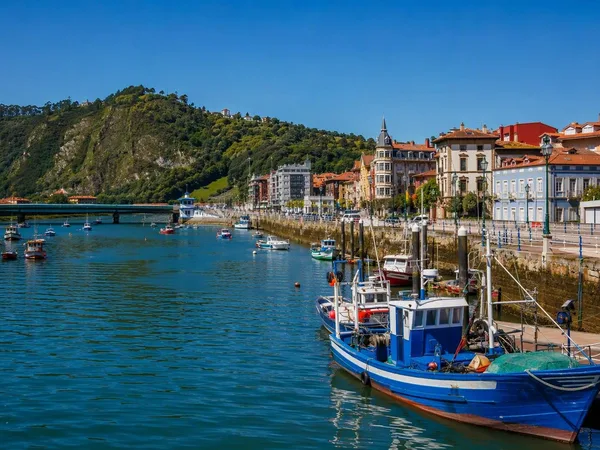
Ribadesella
1 linked stories and routes
Cudillero
1 linked stories and routes
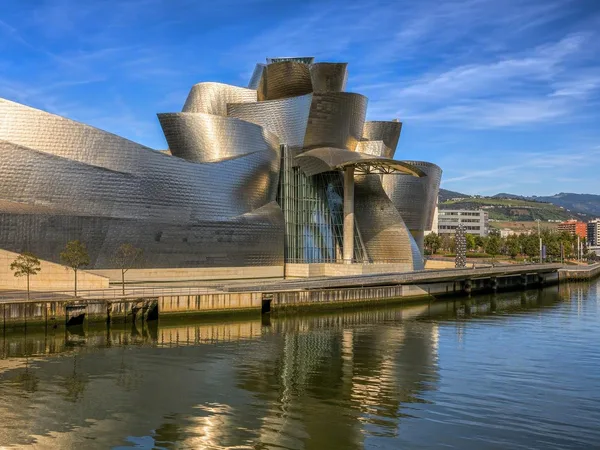
Bilbao
1 linked stories and routes
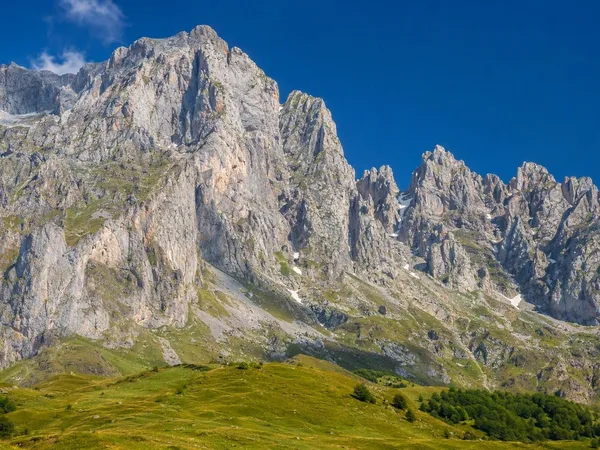
Cantabria
1 linked stories and routes
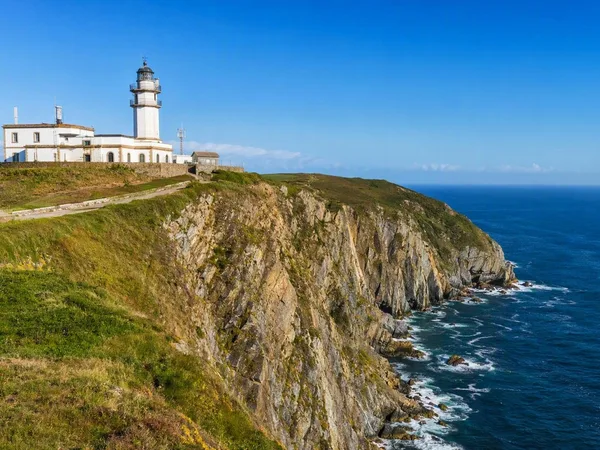
Cabo Vidio, Asturias
1 linked stories and routes
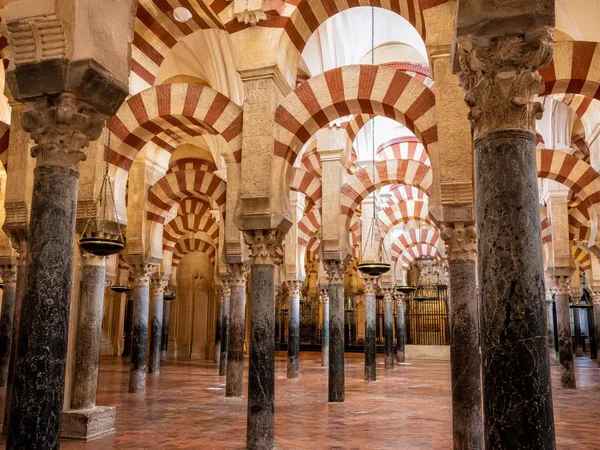
Córdoba
1 linked stories and routes
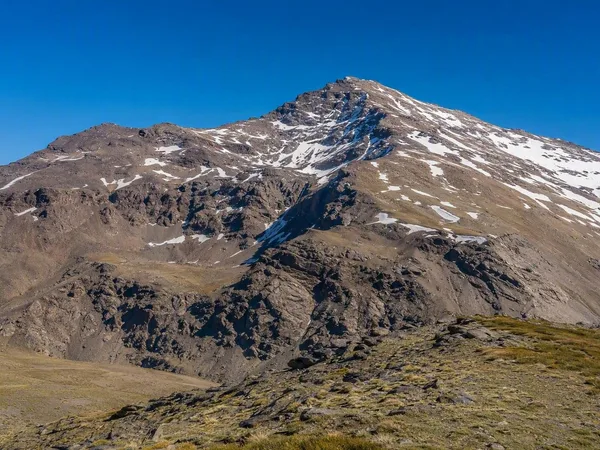
Sierra Nevada
0 linked stories and routes
Trevélez
0 linked stories and routes
Barcelona
0 linked stories and routes
Lastres
0 linked stories and routes