
Region · Spain
Cantabria
Cantabria is Spain’s compact northern autonomous region, between the Cantabrian Sea, Asturias, the Basque Country and Castile and León. Its short distances connect beaches and fishing towns with prehistoric caves, green valleys and the Picos de Europa.
Read the landscape
Cantabria is a coastal and mountain region rather than a single-city break. Santander is the capital and the practical urban base, but the region’s character lies in the rapid change from sea level to limestone hills, river valleys and high ground.
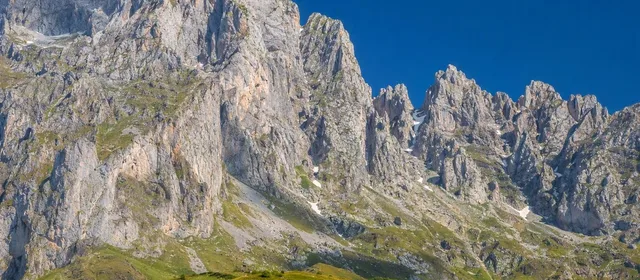
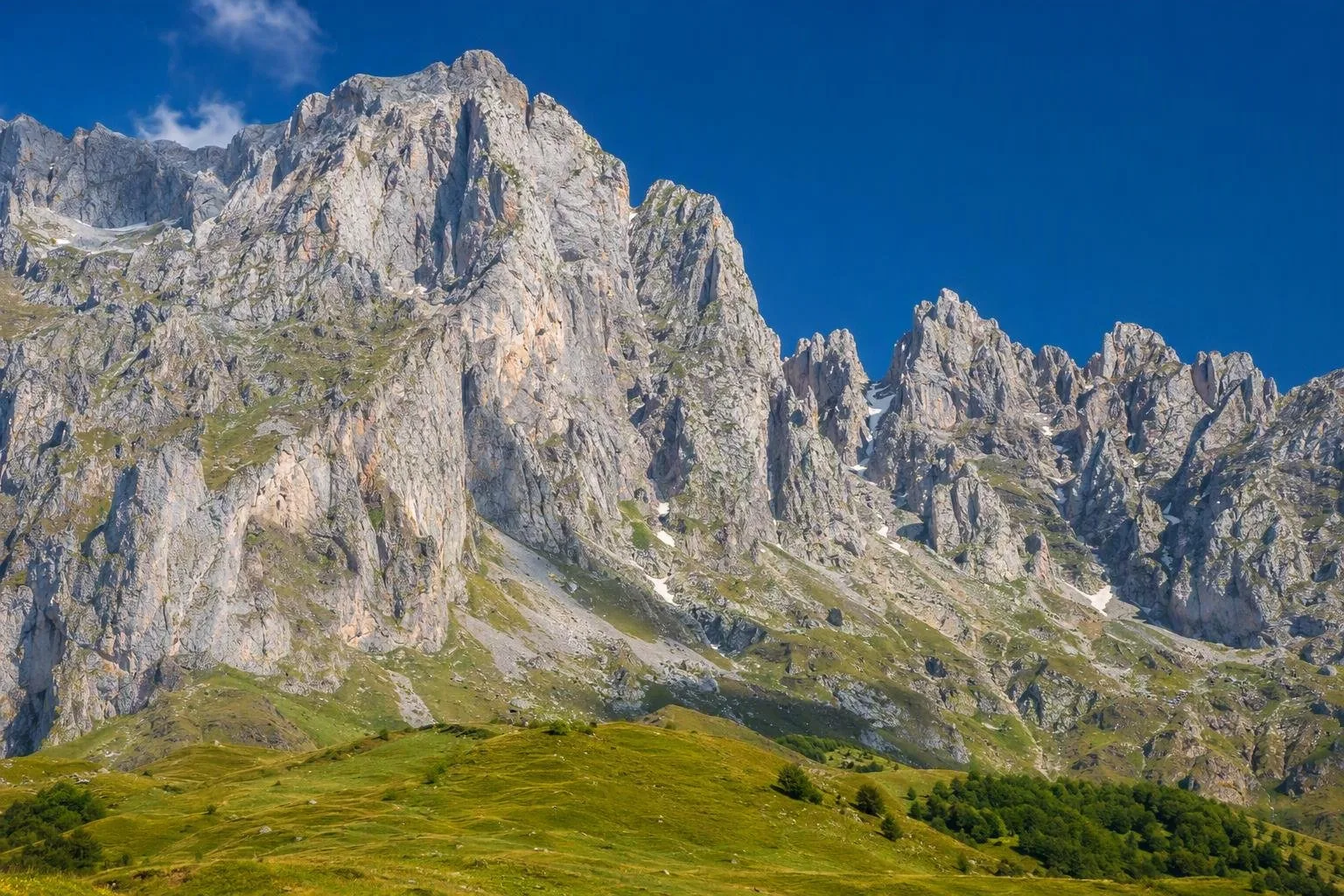
The coast runs from Castro Urdiales in the east to San Vicente de la Barquera in the west. Expect sandy beaches, estuaries and working harbours alongside exposed cliff sections. Inland, the relief becomes steeper; Liébana and the Cantabrian side of the Picos de Europa provide the strongest mountain scenery.
Build a coast-and-interior route
Use Santander as a pivot rather than trying to cover the whole region from one beach town.
- East: Castro Urdiales, Laredo and Santoña combine historic ports, long sands and marshland landscapes.
- Central coast: Santander’s bay, the Magdalena Peninsula and El Sardinero are the main city-and-sea stop. Continue west for Santillana del Mar and the cliffs, rock platforms and coves around Costa Quebrada and Liencres.
- West: Comillas brings together El Capricho, Gaudí’s 1880s house, the Sobrellano complex and the former Pontifical University. San Vicente de la Barquera is the coastal gateway towards Asturias.
- Mountains: Head south-west through Liébana to Potes and Fuente Dé for access to the Picos de Europa. This is a separate mountain day, not an add-on to a coastal circuit.
A car gives the most flexibility between villages, caves and mountain valleys. Keep daily plans short: the terrain makes apparently close places slower to link than the map suggests.
Prehistory and built heritage
Altamira, near Santillana del Mar, is the region’s essential prehistoric stop. Its decorated cave is protected; the public visit is the museum’s Neocave, a detailed reproduction that explains the paintings and their setting. Do not plan on entering the original cave.
Cantabria has ten UNESCO-listed prehistoric caves, but public access differs sharply. El Castillo and Las Monedas at Puente Viesgo, Covalanas, El Pendo, Hornos de la Peña and Chufín are among the sites with managed visits; some other listed caves are not open to general visitors. Treat a cave visit as a timed anchor for the day, not a drop-in stop.
For architecture, pair the Romanesque collegiate church at Santillana del Mar with Comillas’s late-19th-century buildings. In Santander, the Magdalena Palace marks the city’s former royal summer role.
Coast, caves and mountains: practical timing
The Atlantic climate keeps the landscape green and conditions can change quickly in the hills. Carry a waterproof layer for coastal walks and mountain routes, even in summer. Beaches suit a flexible plan; caves and the Fuente Dé cable car work better as fixed bookings in busy periods.
Choose the coast for promenades, surf beaches and harbour towns; choose Liébana and the Picos for walking, cable-car views and longer drives. Local food follows the same divide: anchovies and seafood on the coast, while inland menus lean toward cocido montañés or cocido lebaniego. Sobaos and quesada pasiega are the standard sweet stops.
From the magazine
Stories about Cantabria
Editorial stories linked directly to Cantabria.
No stories about Cantabria have been published yet.
Routes from our editors
Travel through Cantabria
Editorial routes connecting Cantabria with other countries, cities and hotspots.
No routes through Cantabria have been published yet.
More in Spain
Related hotspots
Other cities, nature areas and places within Spain.
Asturias
2 linked stories and routes
Manises: City of Ceramics
1 linked stories and routes
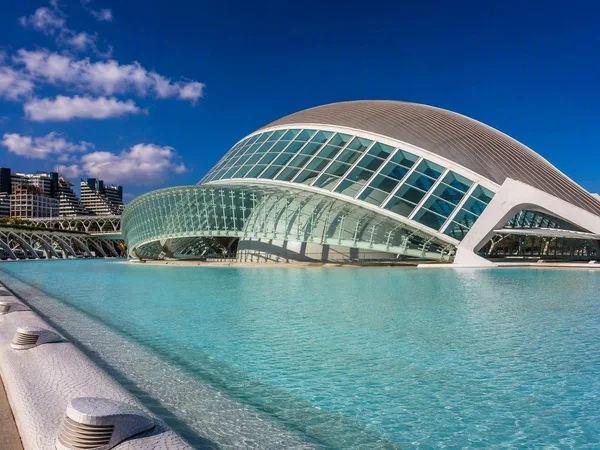
Valencia
1 linked stories and routes
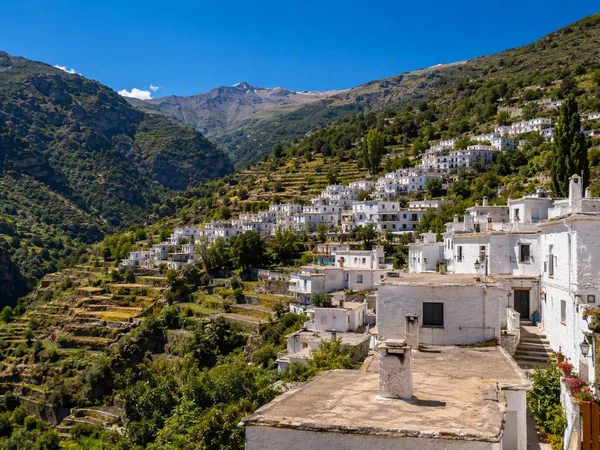
Alpujarras
1 linked stories and routes
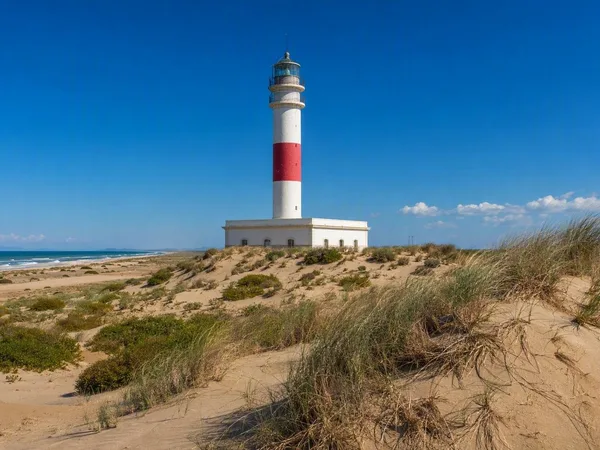
Ebro Delta
1 linked stories and routes
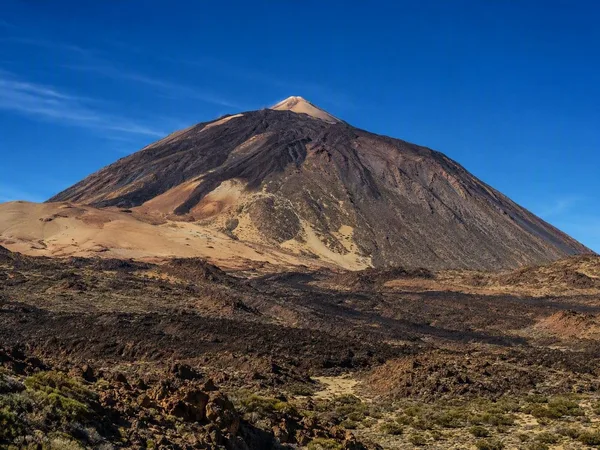
Teide
1 linked stories and routes
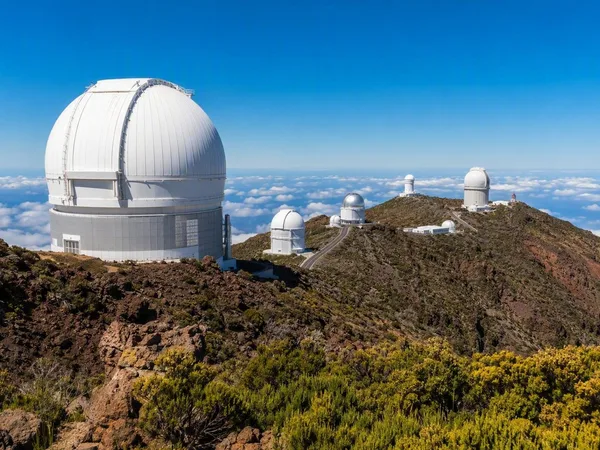
La Palma
1 linked stories and routes
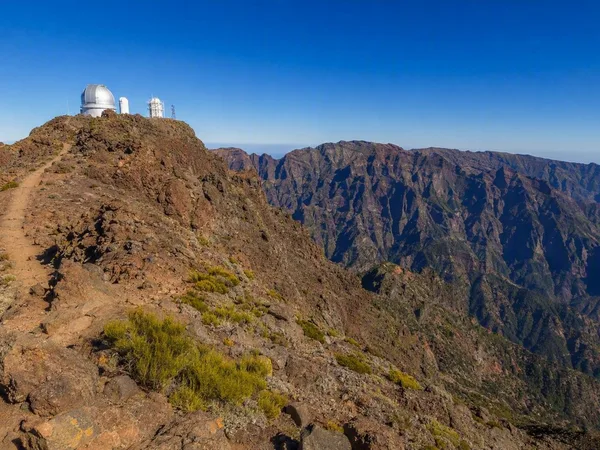
Roque de los Muchachos
1 linked stories and routes
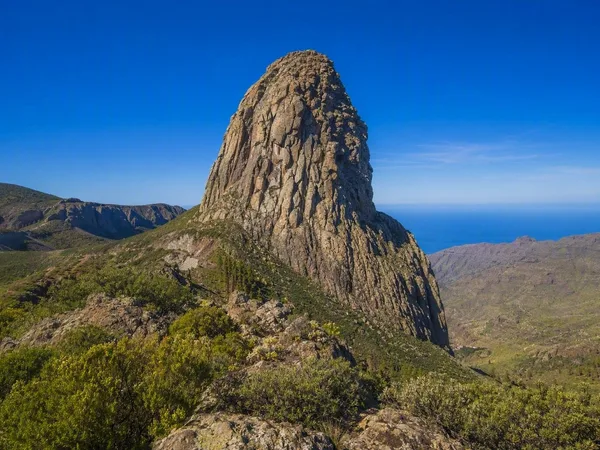
La Gomera
1 linked stories and routes
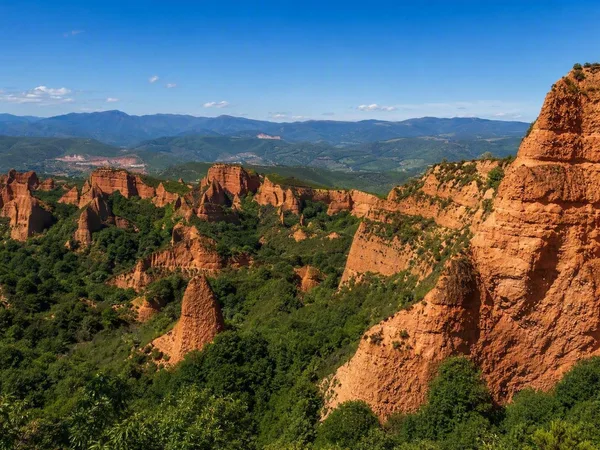
Las Médulas
1 linked stories and routes
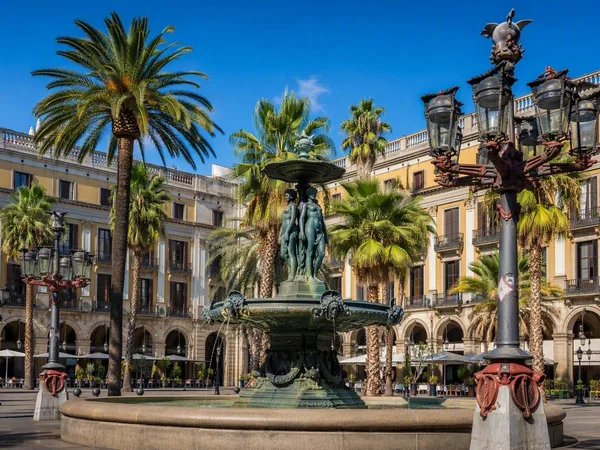
Plaça Reial
1 linked stories and routes
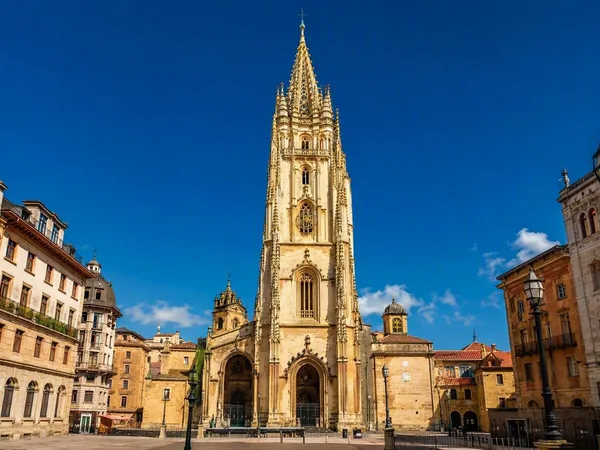
Oviedo
1 linked stories and routes
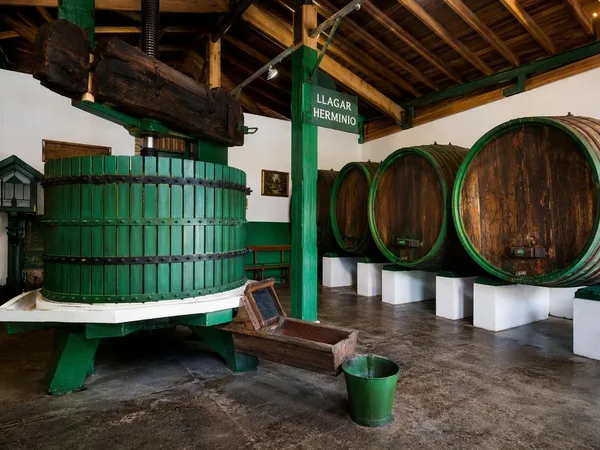
Colloto
1 linked stories and routes
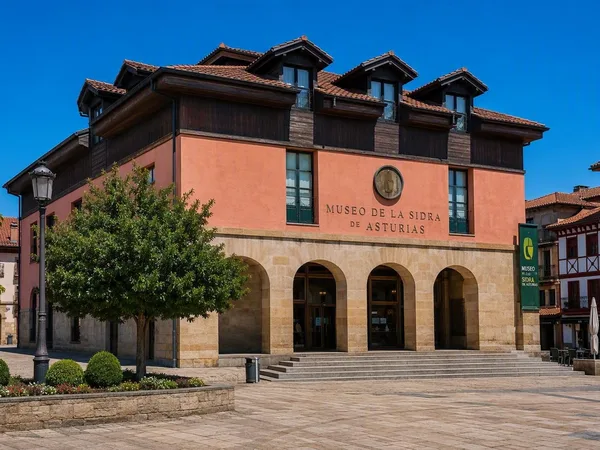
Nava
1 linked stories and routes
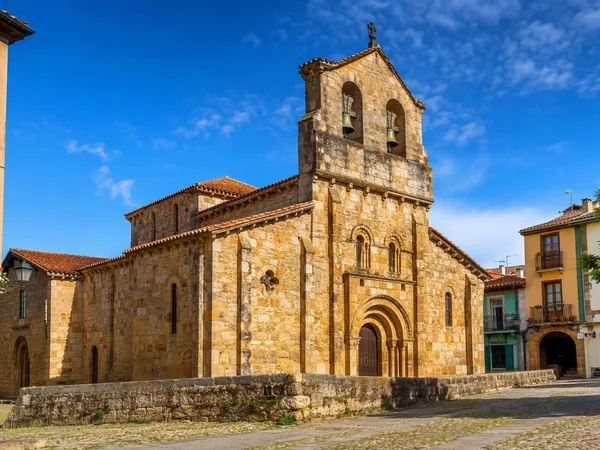
Villaviciosa
1 linked stories and routes
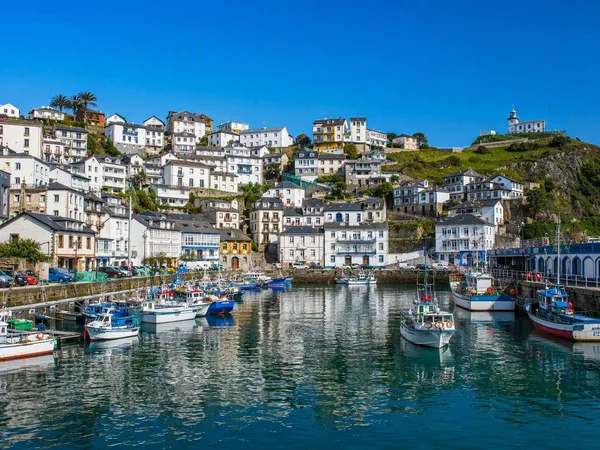
Luarca
1 linked stories and routes
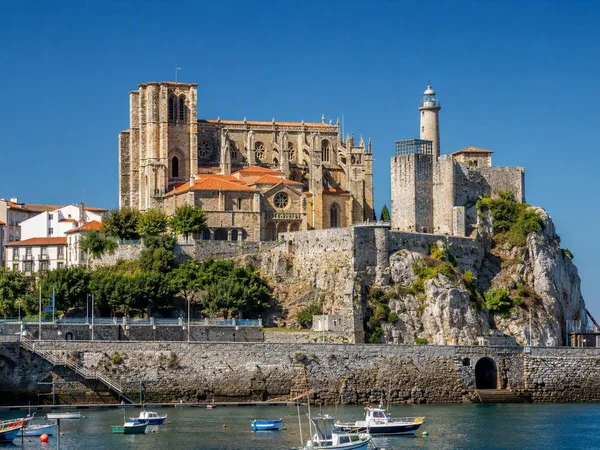
Castro Urdiales
1 linked stories and routes
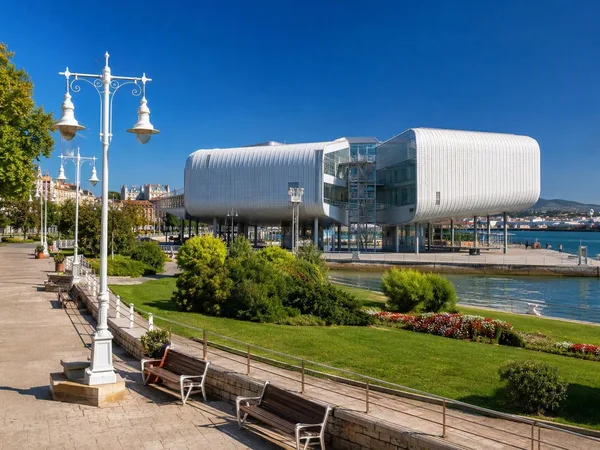
Santander
1 linked stories and routes
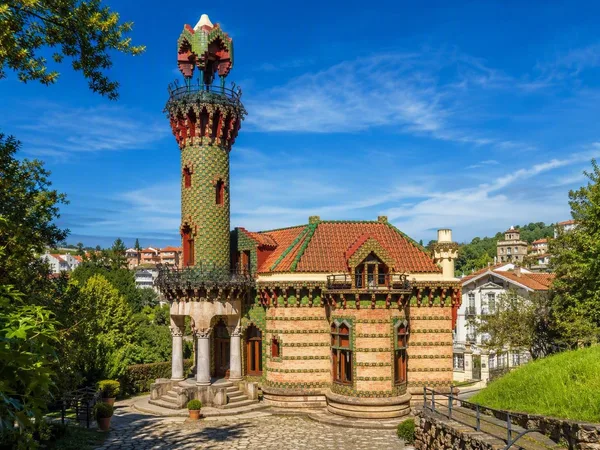
Comillas
1 linked stories and routes
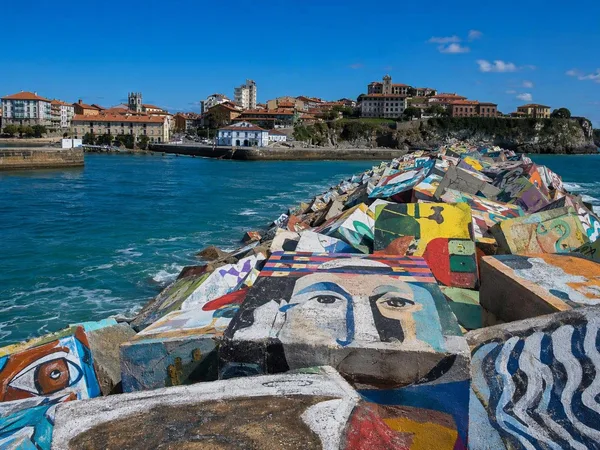
Llanes
1 linked stories and routes
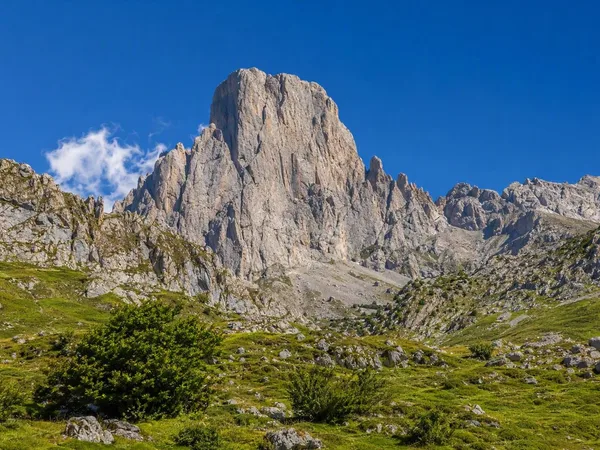
Picos de Europa National Park
1 linked stories and routes
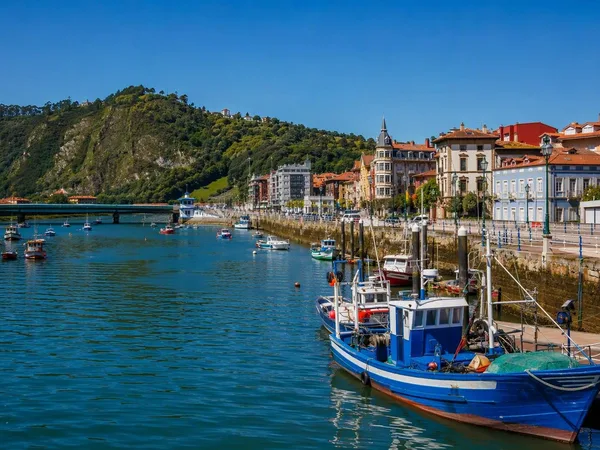
Ribadesella
1 linked stories and routes
Cudillero
1 linked stories and routes
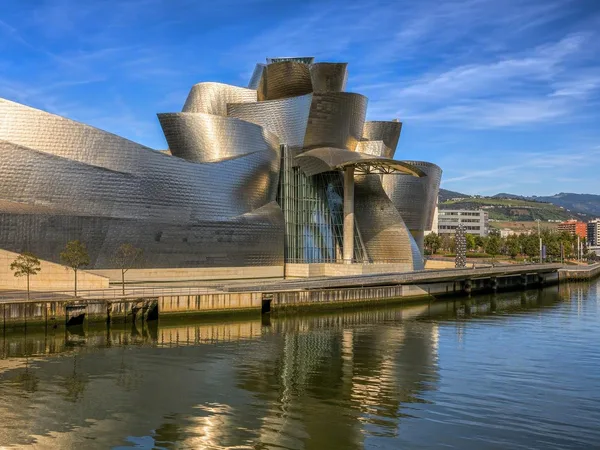
Bilbao
1 linked stories and routes
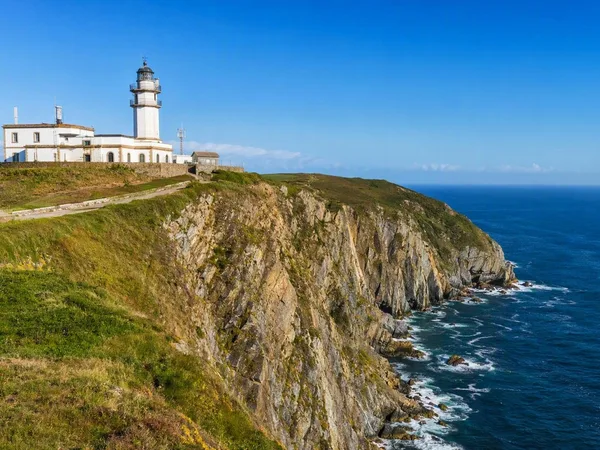
Cabo Vidio, Asturias
1 linked stories and routes
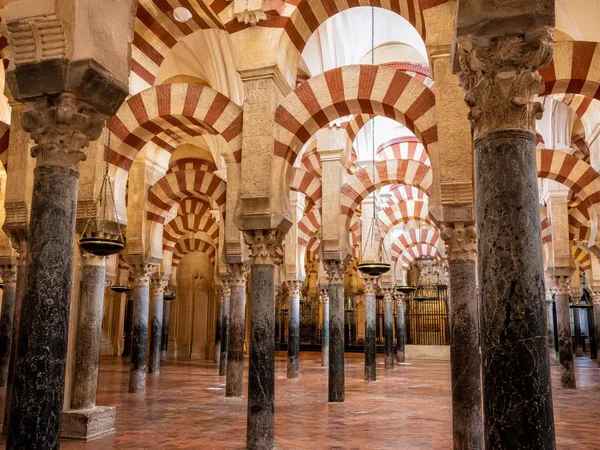
Córdoba
1 linked stories and routes
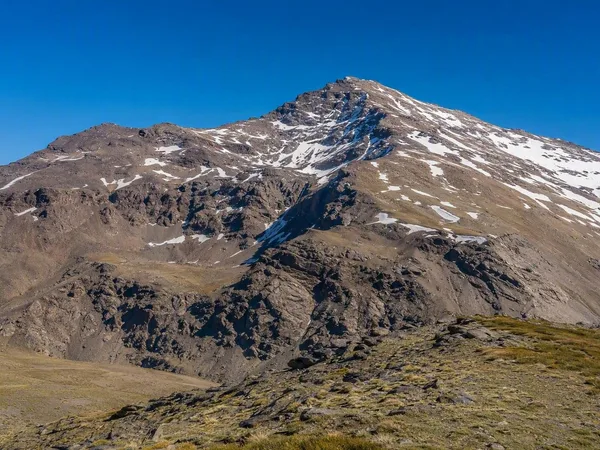
Sierra Nevada
0 linked stories and routes
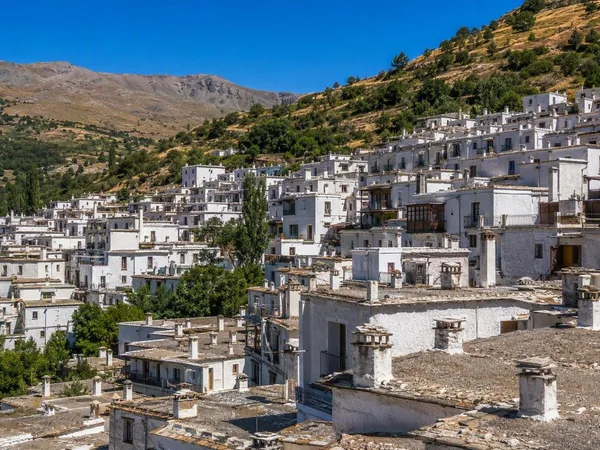
Trevélez
0 linked stories and routes
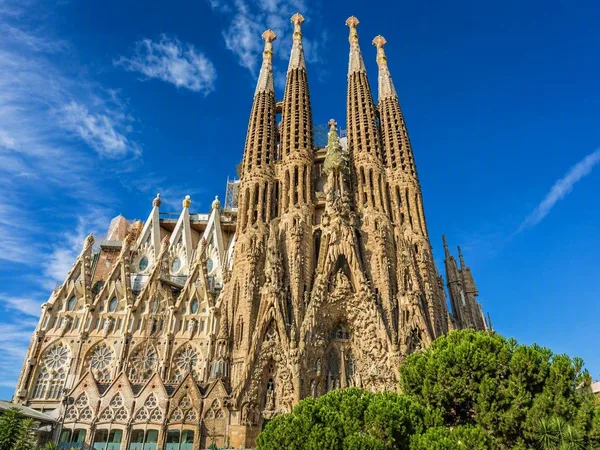
Barcelona
0 linked stories and routes
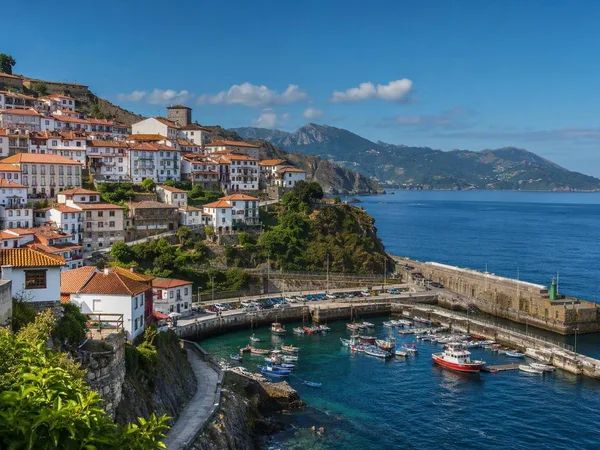
Lastres
0 linked stories and routes