
Village · Spain
Lastres
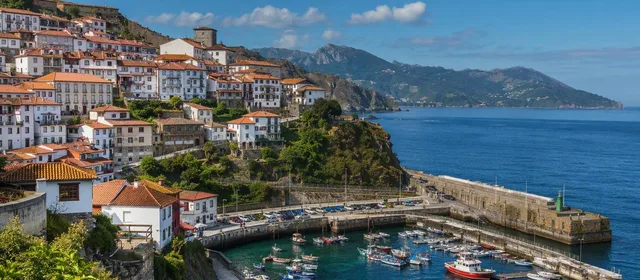
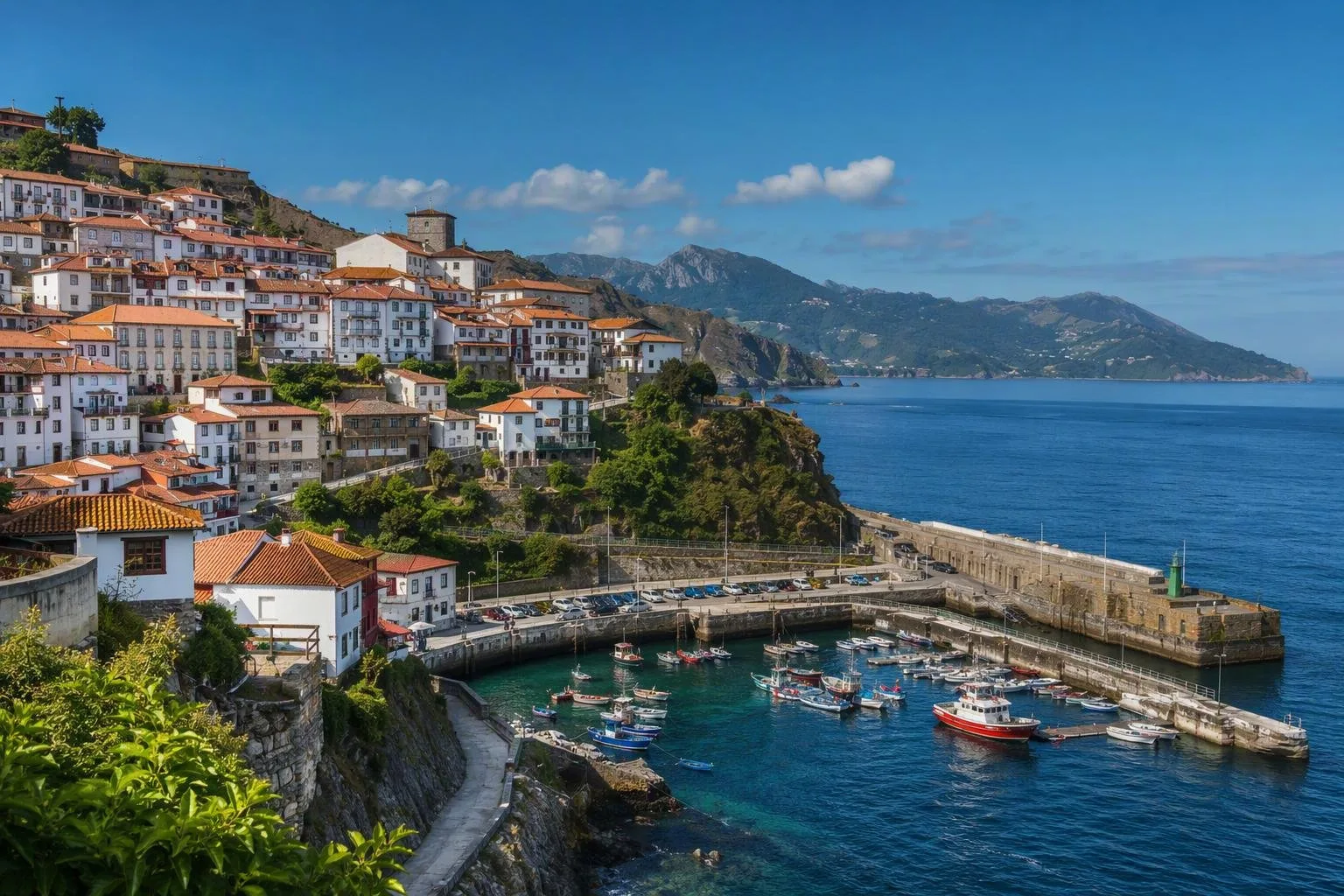
Lastres is a steep fishing village in the municipality of Colunga on Asturias’s eastern Cantabrian coast. Its historic lanes descend from the hillside to a working harbour, framed by sea and the Sierra del Sueve.
Get your bearings
Lastres—officially also known by its Asturian name, Llastres—sits on a sharply sloping site above the Cantabrian Sea. This is a compact place, but it is vertical: the old town, harbour and viewpoints are connected by steep, narrow cobbled streets and stairways.
Start high and work downhill. The Mirador de San Roque, beside the chapel, gives the clearest read of the settlement: houses tiered above the port, the coastline, the Sierra del Sueve and, on clear days, the distant Picos de Europa.
Walk the historic core
The historic centre is protected as a cultural-interest site. Its character comes from the collision of maritime working life and older prosperous architecture: fishermen’s houses stand alongside stone mansions, palaces and façades with family coats of arms.
Make time for:
- Barrio de los Balleneros and Calle Real, the old whalers’ quarter and its descending main street.
- Torre del Reloj, the town’s four-storey clock tower, built in the 18th century on the site of an earlier structure associated with watching the harbour.
- Santa María de Sábada, the 1757 parish church, with its prominent bell tower.
- Capilla del Buen Suceso and the smaller lanes around La Fontana and El Piquero.
Whaling was once part of Lastres’s economy; fishing remains central to its identity. The village’s shape makes sense once you see how directly every route falls toward the water.
The harbour
Walk down to the fishing harbour rather than treating it as a backdrop. More than fifteen fishing boats work from here, landing species including sea bass, hake, red mullet and monkfish, with shellfish also caught seasonally. The fish market and port are working spaces, not a staged attraction.
For the most activity, be at the harbour roughly between 14:00 and 17:00 on non-holiday days when the sea is calm. Boats may be unloading, crews preparing gear or maintaining vessels. During the mackerel season, from mid-March to early May, landings can be especially busy.
Plan the practicalities
On foot: Wear shoes with grip. The polished cobbles, stairways and sharp gradients demand them, particularly in wet weather. This is not an easy village for wheelchairs, prams or anyone with limited mobility.
By car: Use parking in the upper part of the village where possible, then descend on foot. The historic lanes are narrow, steep and irregular; driving into the centre adds stress without saving much walking.
Pace: Allow at least half a day for the viewpoint, old town and harbour. Reverse the route only if you are prepared for a sustained uphill return; otherwise arrange your day so your car is at the top.
What to eat
Choose seafood and fish dishes that reflect the day’s harbour landings. Local catches and Asturian cider are the natural fit in the port and old-town restaurants. The point is not a fixed signature dish: it is the continuing connection between the boats, the fish market and the table.
From the magazine
Stories about Lastres
Editorial stories linked directly to Lastres.
No stories about Lastres have been published yet.
Routes from our editors
Travel through Lastres
Editorial routes connecting Lastres with other countries, cities and hotspots.
No routes through Lastres have been published yet.
More in Spain
Related hotspots
Other cities, nature areas and places within Spain.

Asturias
2 linked stories and routes
Manises: City of Ceramics
1 linked stories and routes
Valencia
1 linked stories and routes
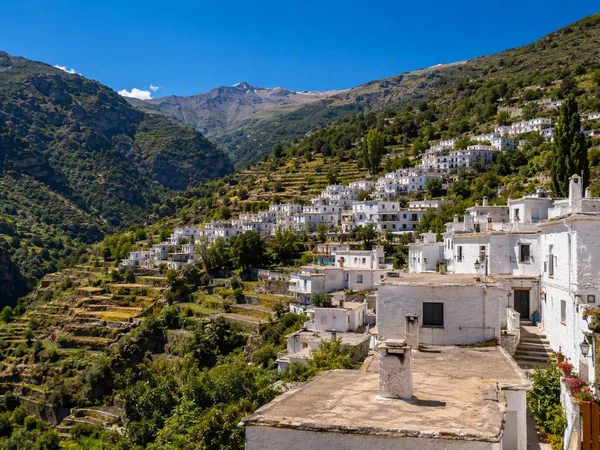
Alpujarras
1 linked stories and routes
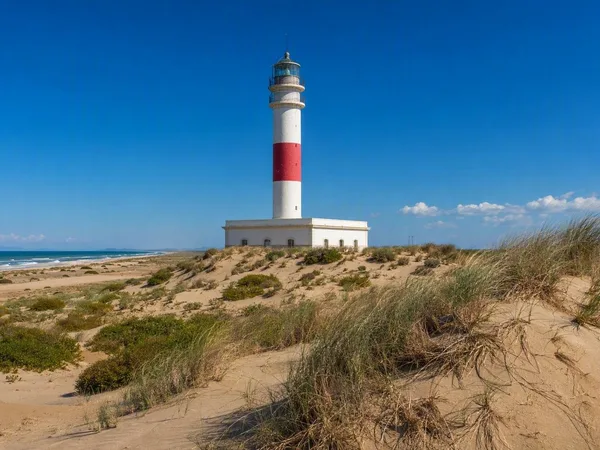
Ebro Delta
1 linked stories and routes

Teide
1 linked stories and routes

La Palma
1 linked stories and routes

Roque de los Muchachos
1 linked stories and routes
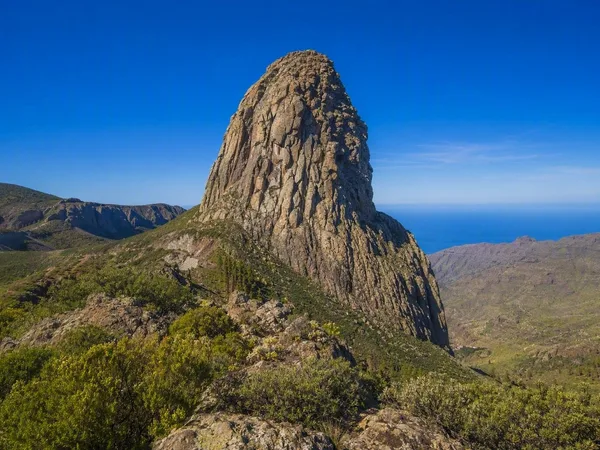
La Gomera
1 linked stories and routes
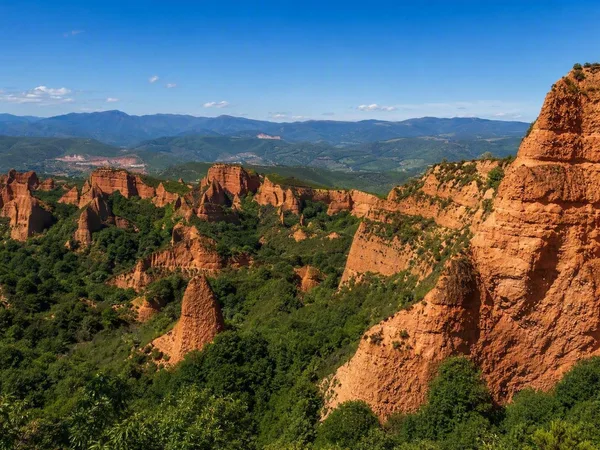
Las Médulas
1 linked stories and routes
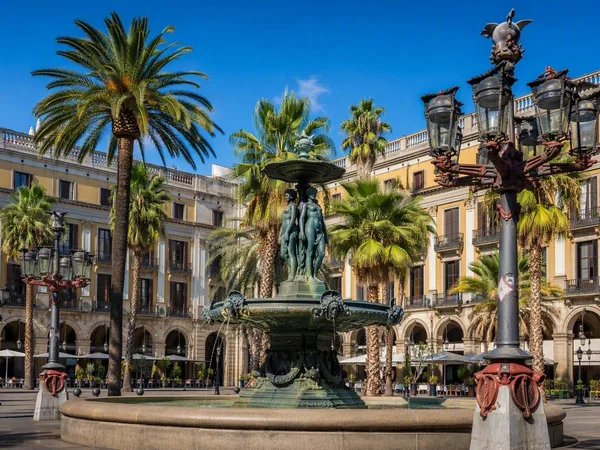
Plaça Reial
1 linked stories and routes
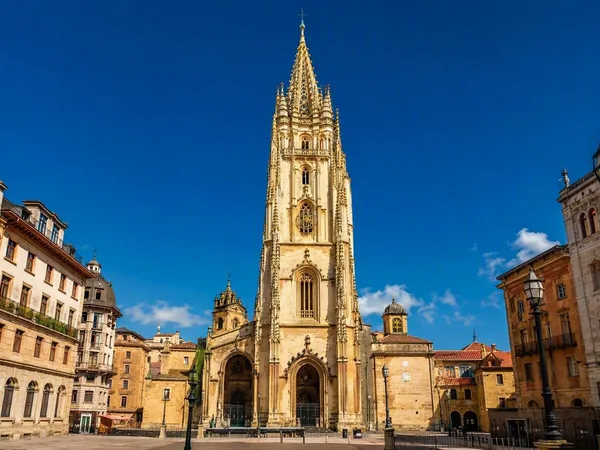
Oviedo
1 linked stories and routes
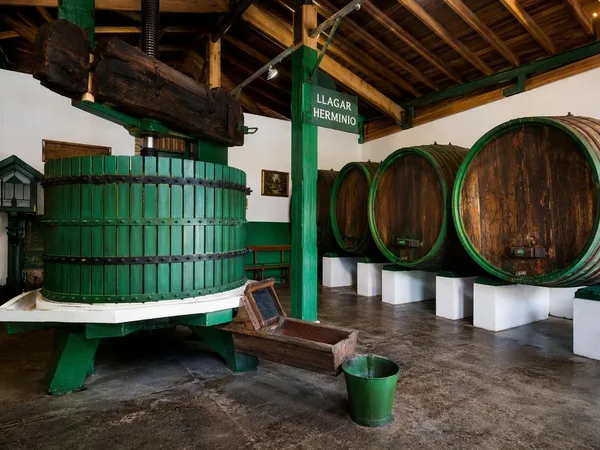
Colloto
1 linked stories and routes
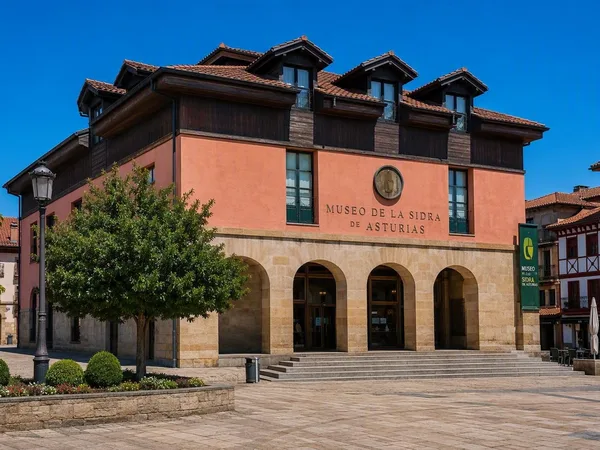
Nava
1 linked stories and routes
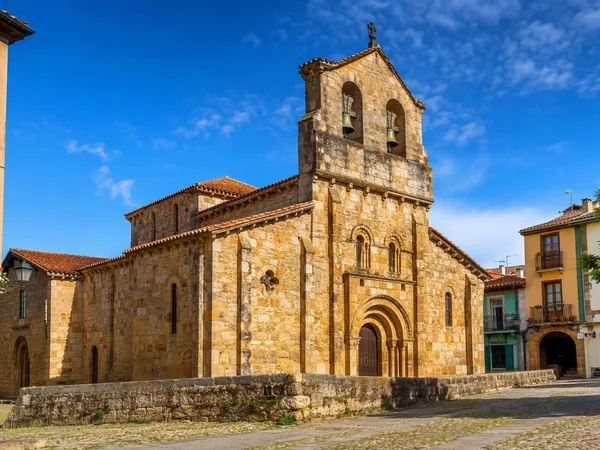
Villaviciosa
1 linked stories and routes
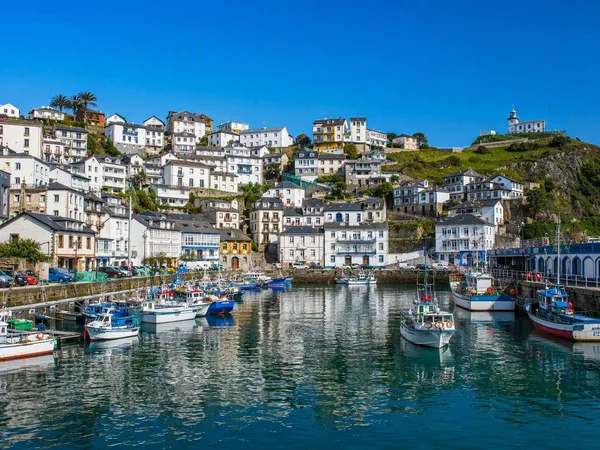
Luarca
1 linked stories and routes
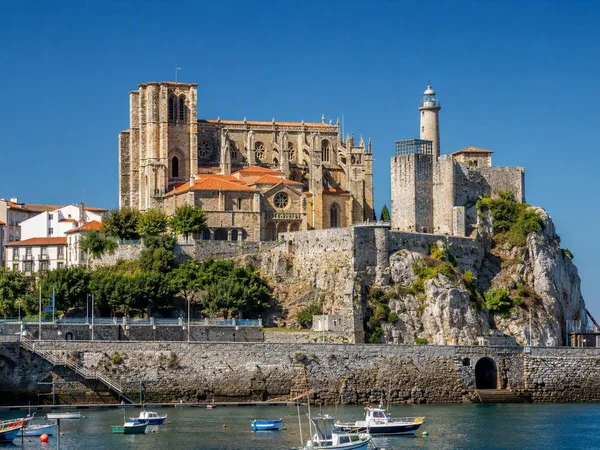
Castro Urdiales
1 linked stories and routes
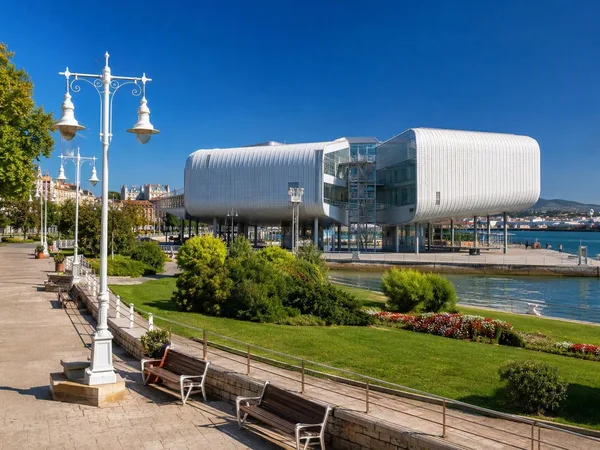
Santander
1 linked stories and routes
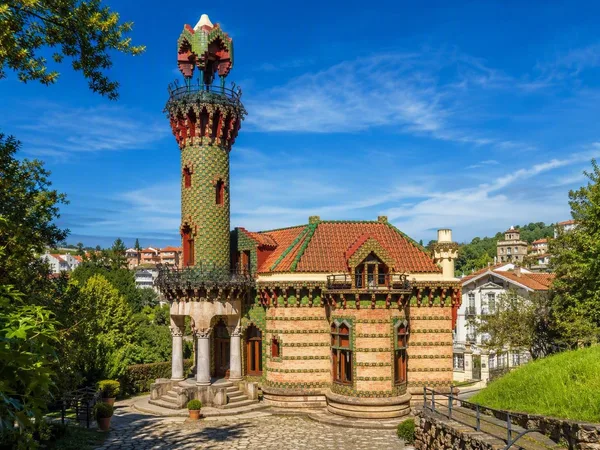
Comillas
1 linked stories and routes
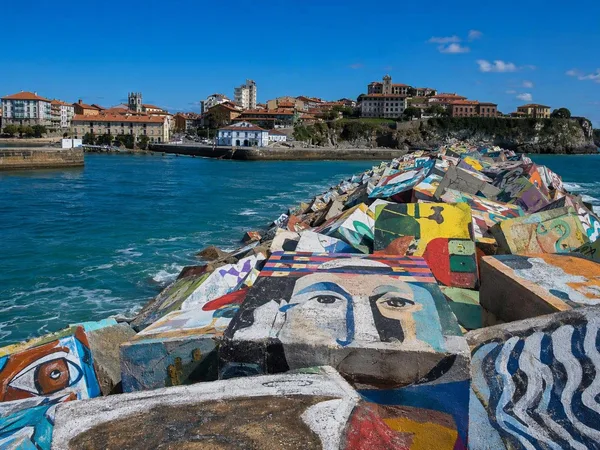
Llanes
1 linked stories and routes
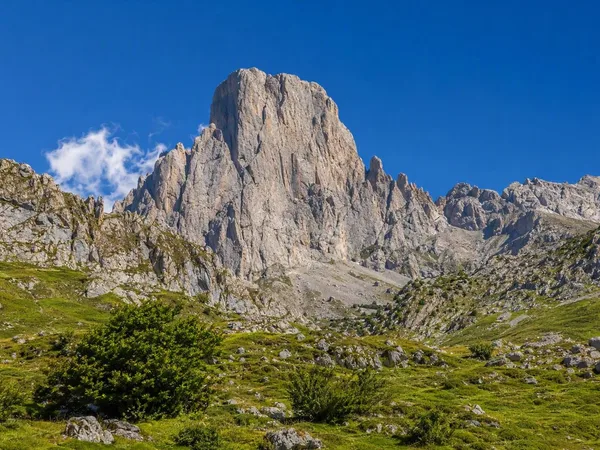
Picos de Europa National Park
1 linked stories and routes
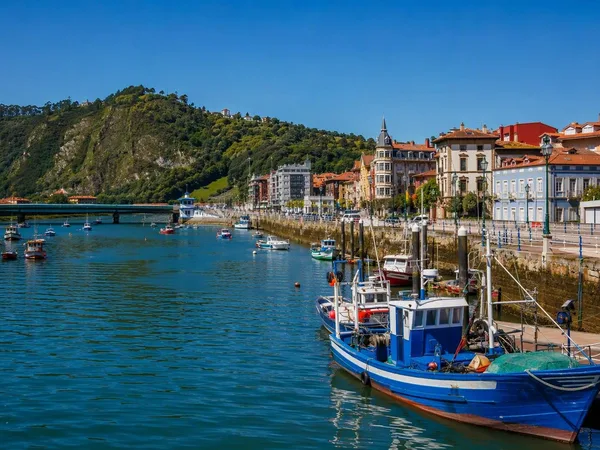
Ribadesella
1 linked stories and routes
Cudillero
1 linked stories and routes

Bilbao
1 linked stories and routes
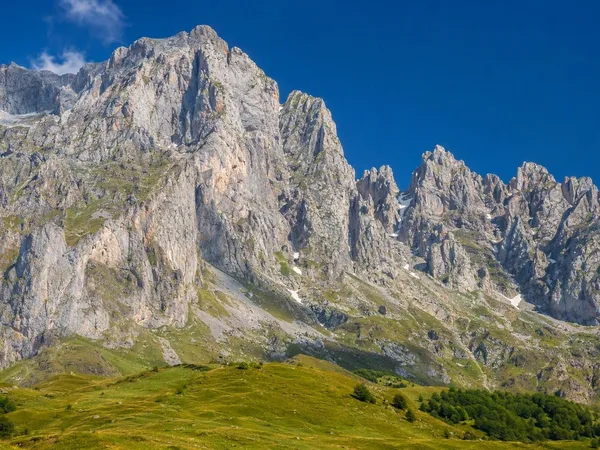
Cantabria
1 linked stories and routes
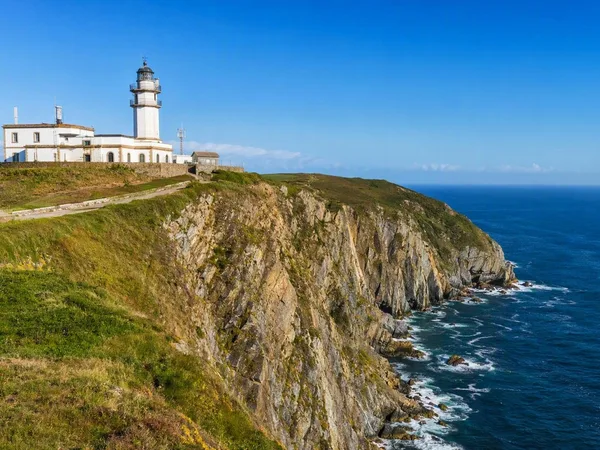
Cabo Vidio, Asturias
1 linked stories and routes

Córdoba
1 linked stories and routes
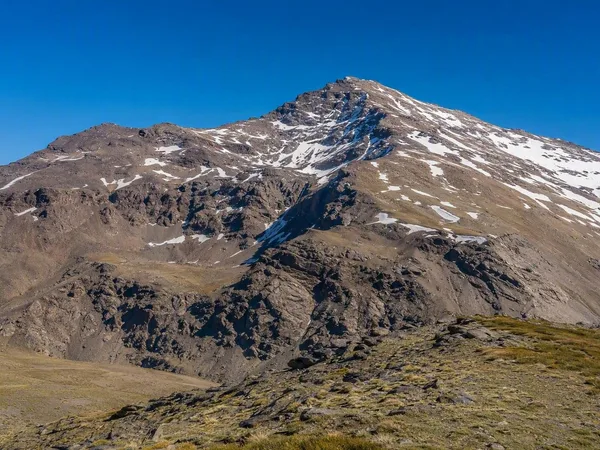
Sierra Nevada
0 linked stories and routes
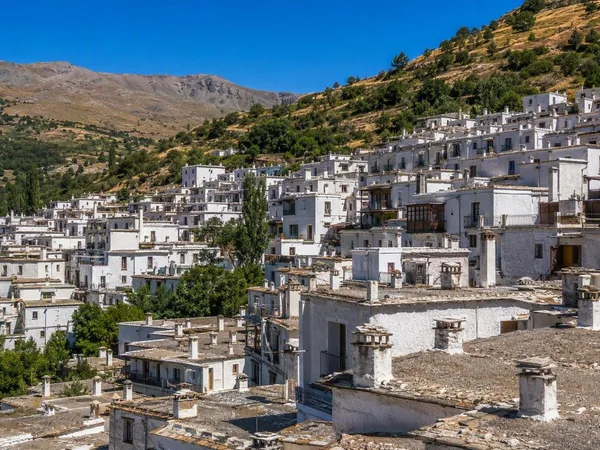
Trevélez
0 linked stories and routes

Barcelona
0 linked stories and routes