
Town · Spain
Castro Urdiales
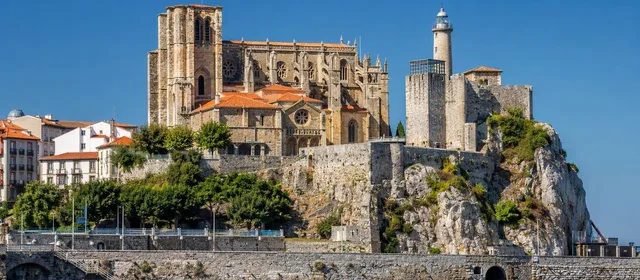
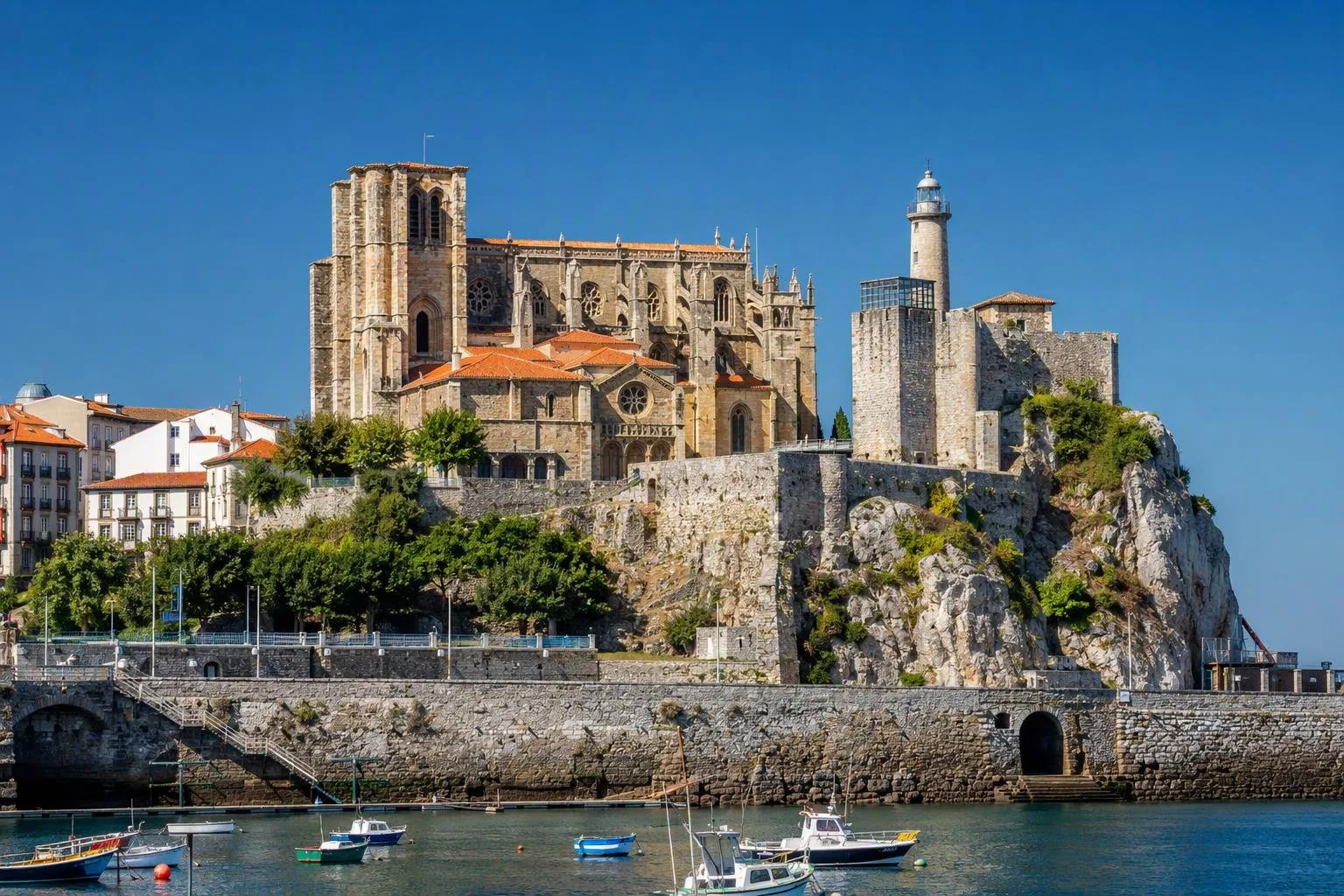
Castro Urdiales is a historic fishing town on Cantabria’s eastern coast, close to the Basque Country. Its defining sight is the Gothic church and castle-lighthouse rising together above the harbour.
Start with the harbour headland
Castro Urdiales is built around a working harbour and a compact medieval core known as the Puebla Vieja. The essential walk is short: follow the waterfront to the rocky headland where the Church of Santa María de la Asunción, the Castle-Lighthouse, the medieval bridge and the chapel of Santa Ana form one defensive-looking ensemble.
Get your first full view from the harbour or breakwater, then climb into the old town. Its narrow streets, the arcaded area around the town hall and the waterfront balconies reward an unhurried circuit on foot.
The landmark ensemble
The Church of Santa María de la Asunción is Cantabria’s outstanding example of classical Gothic architecture. Begun in the early 13th century, it has three aisles, rib vaults, a triforium and a ring of chapels around the apse. Its size and exposed position above the Cantabrian Sea explain why it reads more like a cathedral than a parish church.
Next door, the 12th-century Castle of Santa Ana was part of the medieval defensive system and later became a lighthouse. The castle’s vaulted hall is used for exhibitions, while its setting gives the best close-range views across the harbour.
Between church and castle stand the ruins of San Pedro, an earlier Romanesque church. Cross the single-arch medieval bridge to the small chapel of Santa Ana on its rocky outcrop. This entire cluster is the image to prioritise; do not reduce Castro to a quick harbour stop.
Roman ground, medieval streets
Castro Urdiales occupies the site of Flaviobriga, a Roman colony founded in the 1st century. Most of it lies beneath today’s streets, rather than in a large open archaeological park. A Roman milestone and scattered archaeological traces give useful context, but the town’s visible character is principally medieval and later.
The historic centre was recognised as a Historic Site in 1978. Walk Calle San Juan for surviving 16th-century houses with stone entrance arches, then use La Rúa, La Mar and Ardigales to connect the old town with the port. The route makes sense because these streets retain the old urban pattern rather than because every doorway is a monument.
Seafront and beaches
The port remains central to Castro’s identity. Look for fishing boats, harbour walls and the maritime frontage before choosing a place to eat; Cantabrian fish, shellfish and anchovies are the local staples.
For a swim or a longer sea walk, choose between two urban beaches:
- Brazomar: the nearer, sheltered bay south of the harbour.
- Ostende: the larger beach on the other side of the headland.
The promenade links the central waterfront with the beaches, so both fit easily into a day on foot. The weather is Atlantic rather than reliably Mediterranean; the headland is worth visiting in any season, but beach plans depend on conditions.
Practical approach
Castro Urdiales sits at the eastern edge of Cantabria, near Biscay, and is reached easily from the Cantabrian motorway. Keep the car outside the old centre where possible: the historic streets are best treated as a walking area.
Allow two to three hours for the harbour, Puebla Vieja and monument cluster; add time for a church interior, castle exhibition, a beach walk or lunch by the port. Church access is subject to worship, so fit the interior around local opening arrangements rather than treating it as a guaranteed stop.
From the magazine
Stories about Castro Urdiales
Editorial stories linked directly to Castro Urdiales.
No stories about Castro Urdiales have been published yet.
Routes from our editors
Travel through Castro Urdiales
Editorial routes connecting Castro Urdiales with other countries, cities and hotspots.
No routes through Castro Urdiales have been published yet.
More in Spain
Related hotspots
Other cities, nature areas and places within Spain.
Asturias
2 linked stories and routes
Manises: City of Ceramics
1 linked stories and routes
Valencia
1 linked stories and routes
Alpujarras
1 linked stories and routes
Ebro Delta
1 linked stories and routes
Teide
1 linked stories and routes

La Palma
1 linked stories and routes
Roque de los Muchachos
1 linked stories and routes
La Gomera
1 linked stories and routes
Las Médulas
1 linked stories and routes
Plaça Reial
1 linked stories and routes
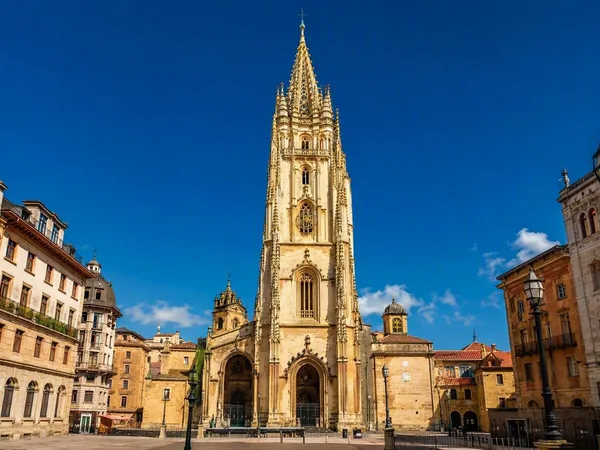
Oviedo
1 linked stories and routes
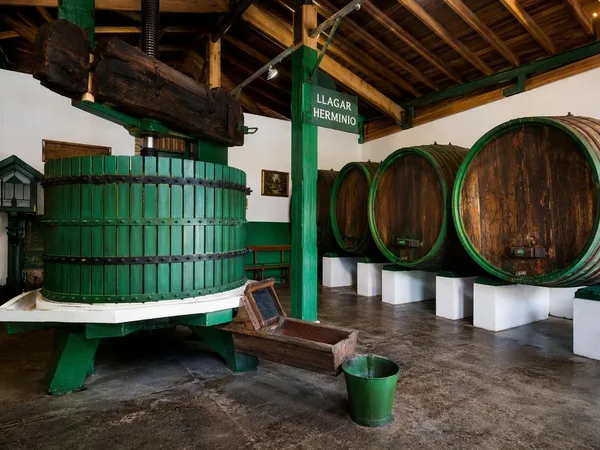
Colloto
1 linked stories and routes
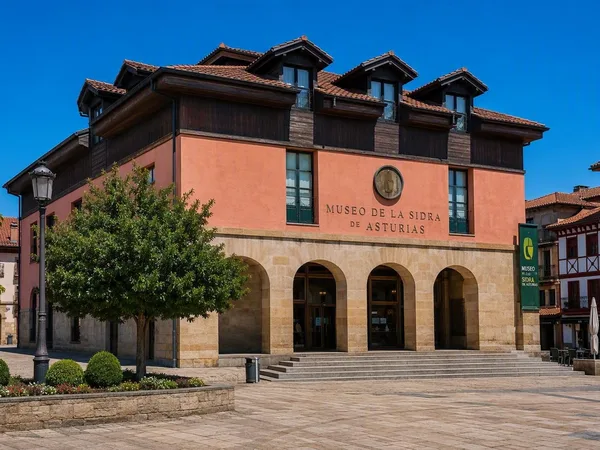
Nava
1 linked stories and routes
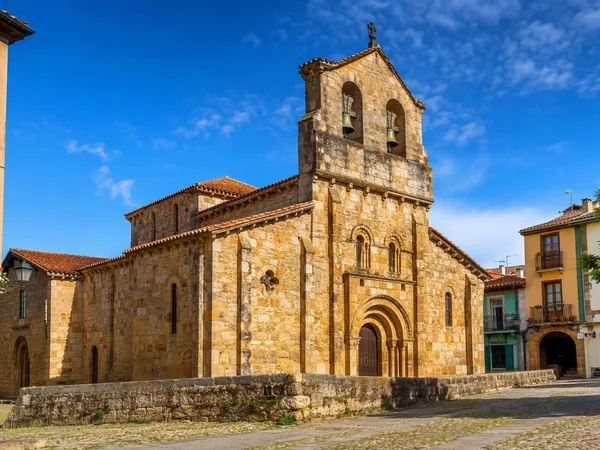
Villaviciosa
1 linked stories and routes
Luarca
1 linked stories and routes
Santander
1 linked stories and routes
Comillas
1 linked stories and routes
Llanes
1 linked stories and routes
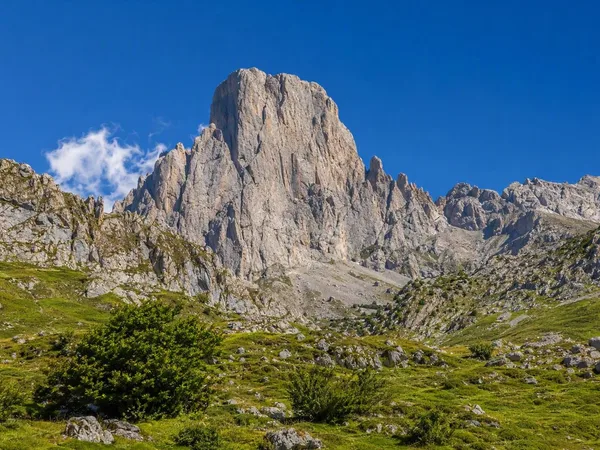
Picos de Europa National Park
1 linked stories and routes
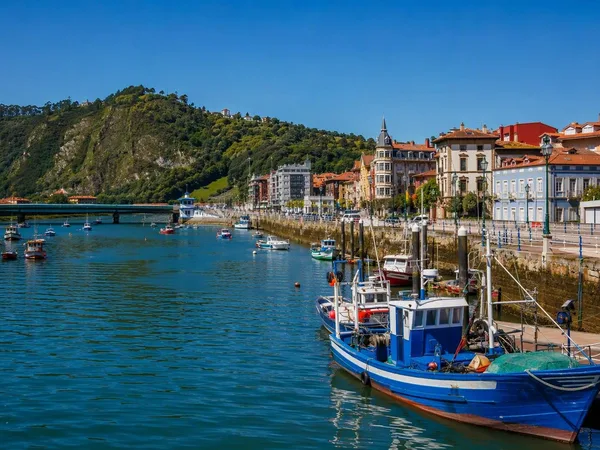
Ribadesella
1 linked stories and routes
Cudillero
1 linked stories and routes
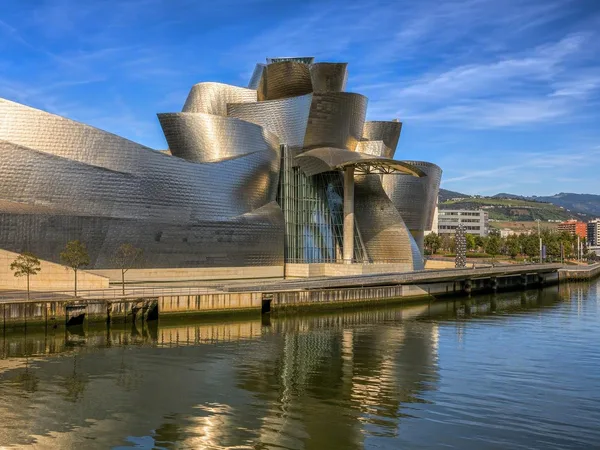
Bilbao
1 linked stories and routes
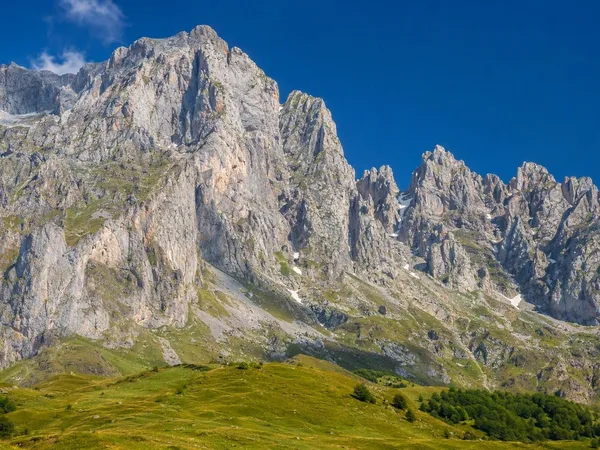
Cantabria
1 linked stories and routes
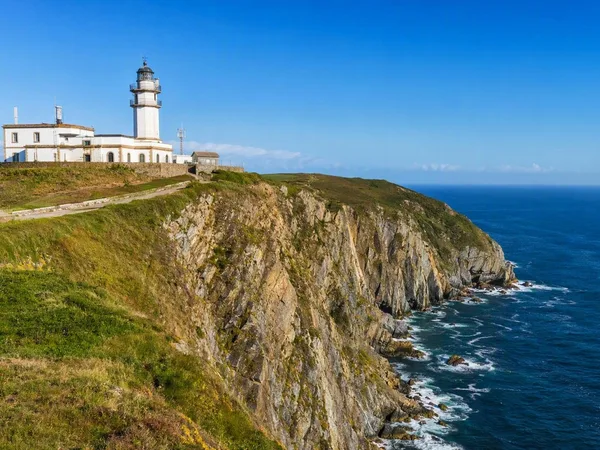
Cabo Vidio, Asturias
1 linked stories and routes
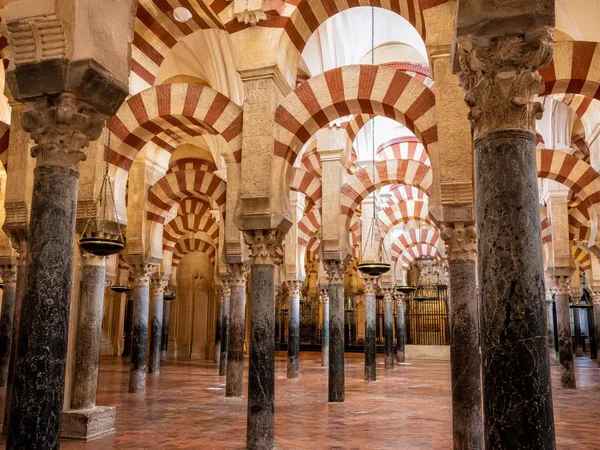
Córdoba
1 linked stories and routes
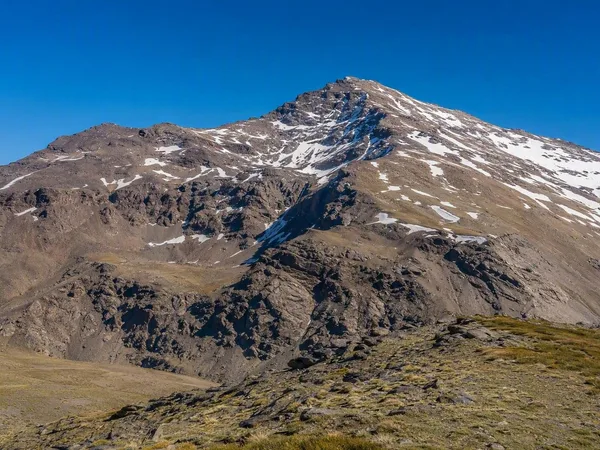
Sierra Nevada
0 linked stories and routes
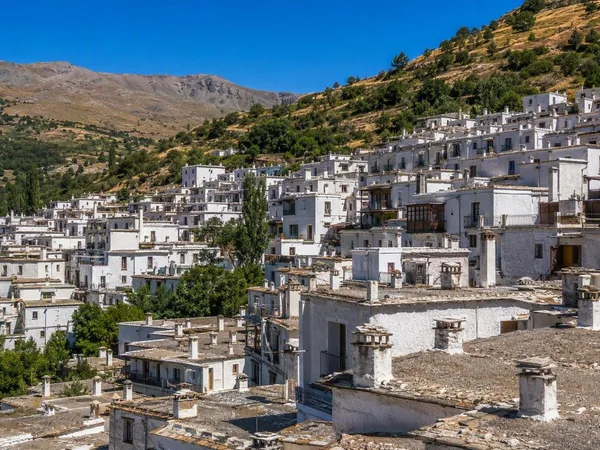
Trevélez
0 linked stories and routes
Barcelona
0 linked stories and routes
Lastres
0 linked stories and routes