
City · Spain
Valencia
Valencia is a Mediterranean city on Spain’s east coast, where a large historic centre, the Turia’s former riverbed and a working seafront form one practical urban itinerary.
Get your bearings
Valencia is best understood in four connected parts: Ciutat Vella for the historic core, the Turia Gardens for the cross-city green corridor, the City of Arts and Sciences at its eastern end, and the maritime districts and beaches beyond.
Start in the centre if time is short. The compact streets around the Cathedral, Central Market and Silk Exchange make the strongest first walk. Use the Turia rather than major roads to move east or west: its nine-kilometre park follows the former riverbed and is crossed by 18 bridges.
The historic centre
The old city layers Roman, Islamic, Gothic, Baroque and modern civic fabric. Focus on a tight cluster rather than trying to cover every monument.
- Silk Exchange (La Lonja): a Valencian Gothic civic building and UNESCO World Heritage Site.
- Central Market: opposite the Silk Exchange; go during market hours for the building and produce stalls.
- Cathedral and Miguelete: the cathedral combines Romanesque, Gothic and Baroque elements. The Miguelete’s 207 steps lead to a full-city view.
- Serranos and Quart Towers: surviving gates of the medieval walls; Serranos has rooftop views.
Turia to the City of Arts and Sciences
Walk or cycle east through the Turia Gardens. The park is not a decorative detour: it is the city’s most useful long-distance route, linking historic districts, bridges, play areas, cultural venues and the City of Arts and Sciences.
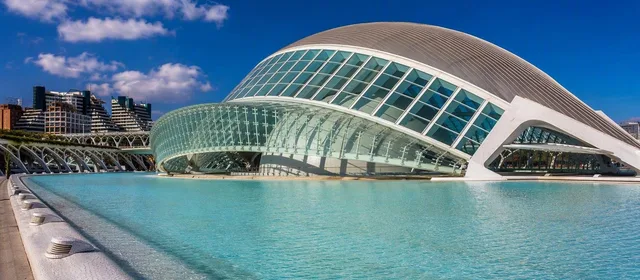
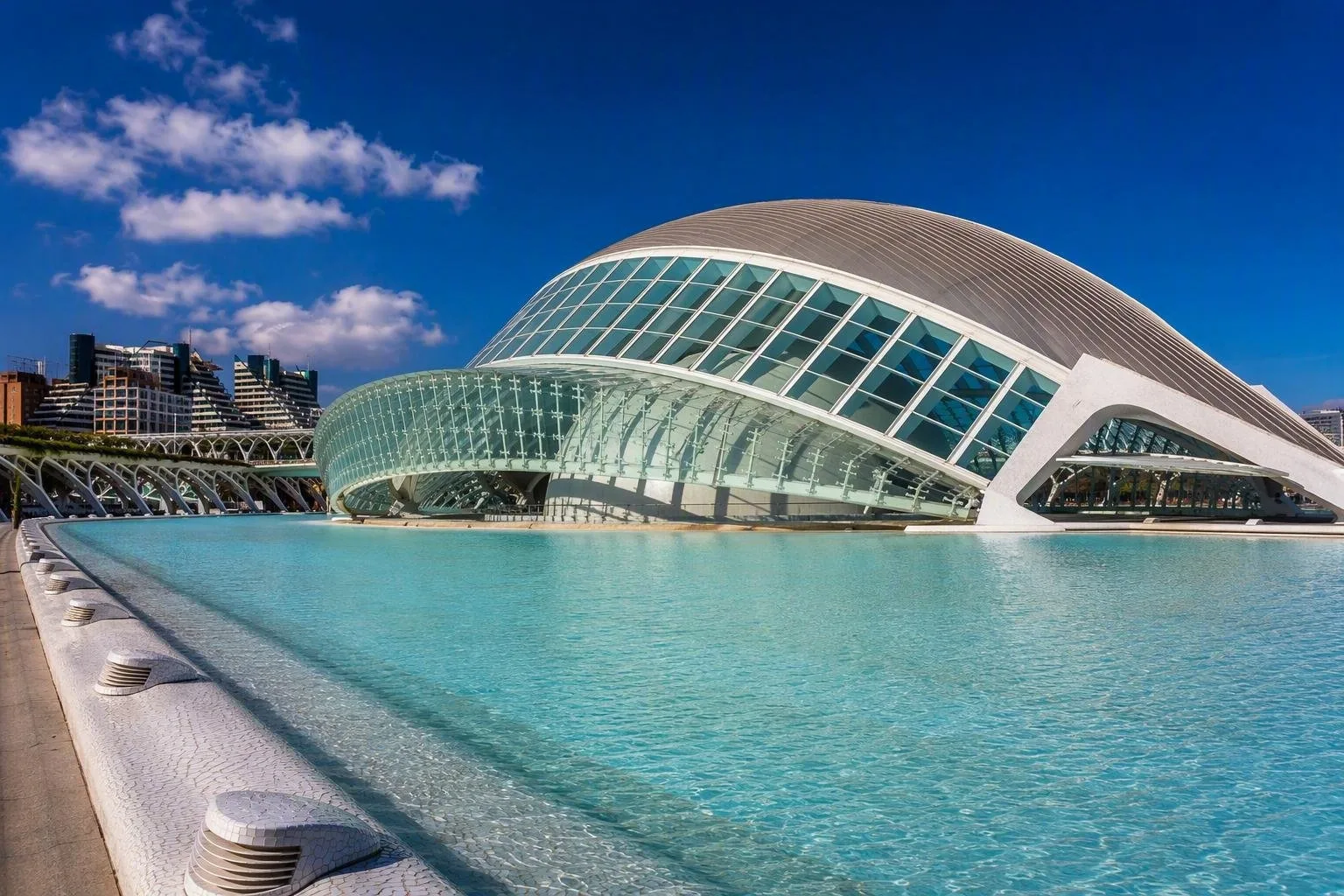
The Calatrava-designed complex runs for almost two kilometres in the former riverbed. Its main venues are the Museu de les Ciències, Hemisfèric digital cinema and planetarium, Oceanogràfic, Palau de les Arts opera house, and the open-air Umbracle garden. Exterior paths and the Umbracle are useful even without visiting an attraction. For interiors, allow a full day if including the Oceanogràfic; the aquarium alone needs at least three hours.
Sea, rice fields and food
Continue to the Marina, Cabanyal and Malvarrosa for the city’s direct relationship with the Mediterranean. Cabanyal retains the street pattern and tiled façades of the former fishing quarter; the Marina and seafront promenade provide the clearest route along the water.
L’Albufera Natural Park lies about 10 km south of the city, with rice fields, dunes and the lagoon. It is the right setting for a boat trip and for understanding the local rice cuisine. In Valencia, paella traditionally means a rice dish with chicken, rabbit and vegetables; seafood rice is a separate local option.
Getting around
The centre is walkable; combine it with cycling in the Turia. Metro lines 3, 5 and 9 serve the City Hall area, while line 10 reaches the City of Arts and Sciences. City bus routes serve the complex, Marina and beaches. Keep historic-centre visits and City of Arts visits on separate half-days: the distance is manageable, but each area merits unhurried time.
From the magazine
Stories about Valencia
Editorial stories linked directly to Valencia.
Routes from our editors
Travel through Valencia
Editorial routes connecting Valencia with other countries, cities and hotspots.
No routes through Valencia have been published yet.
More in Spain
Related hotspots
Other cities, nature areas and places within Spain.
Manises: City of Ceramics
1 linked stories and routes
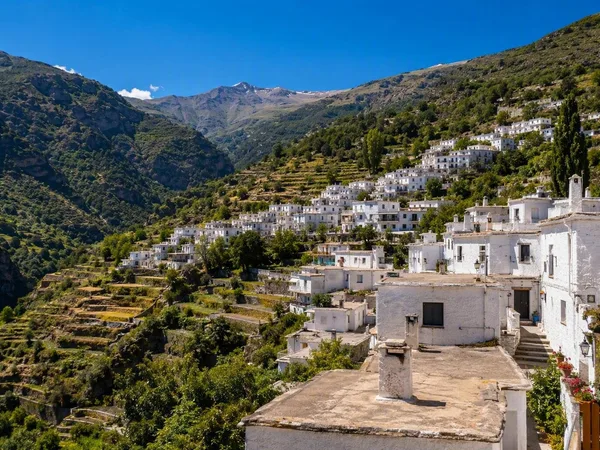
Alpujarras
1 linked stories and routes
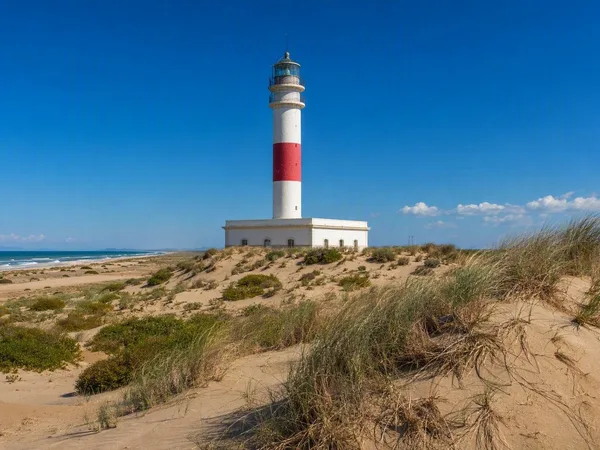
Ebro Delta
1 linked stories and routes
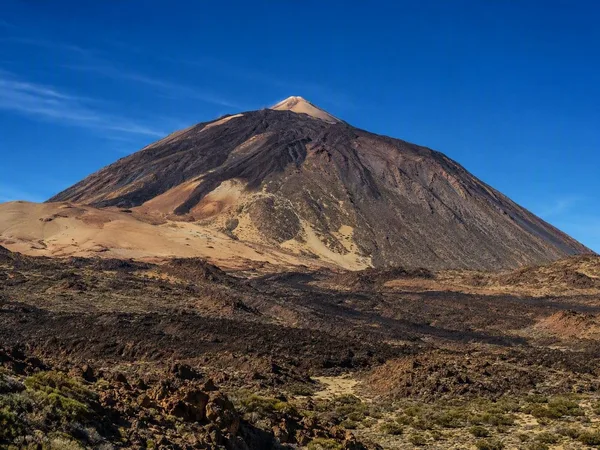
Teide
1 linked stories and routes
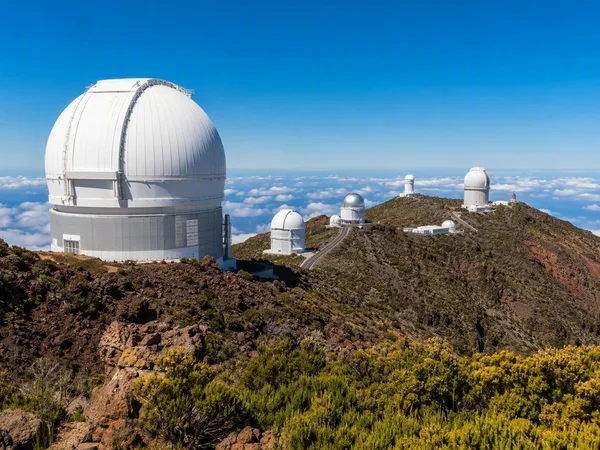
La Palma
1 linked stories and routes
Roque de los Muchachos
1 linked stories and routes
La Gomera
1 linked stories and routes
Las Médulas
1 linked stories and routes
Plaça Reial
1 linked stories and routes
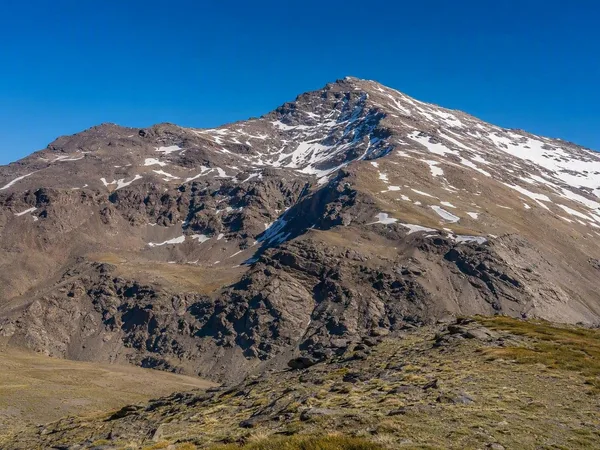
Sierra Nevada
0 linked stories and routes
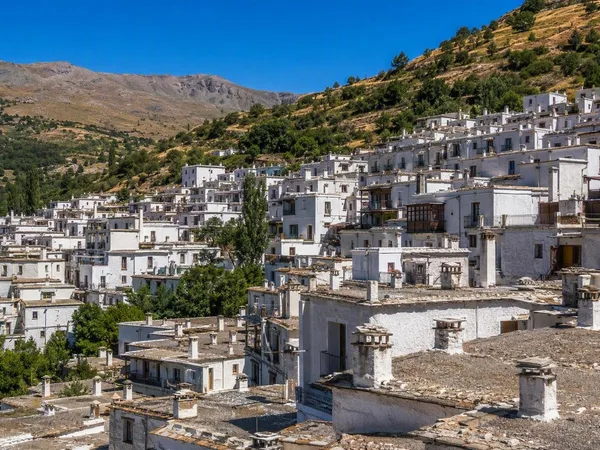
Trevélez
0 linked stories and routes
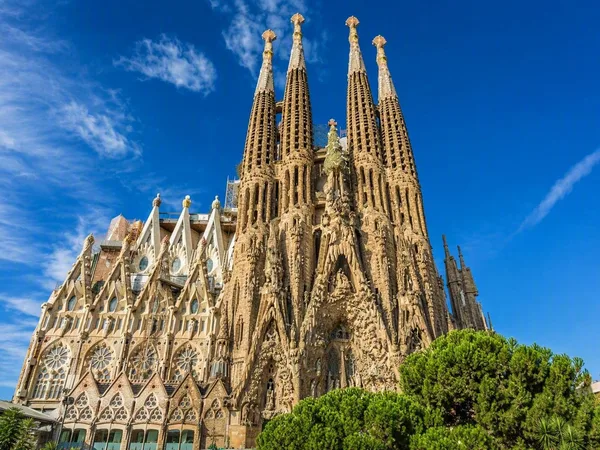
Barcelona
0 linked stories and routes