Three Southeast Asian Cities Worth Staying For
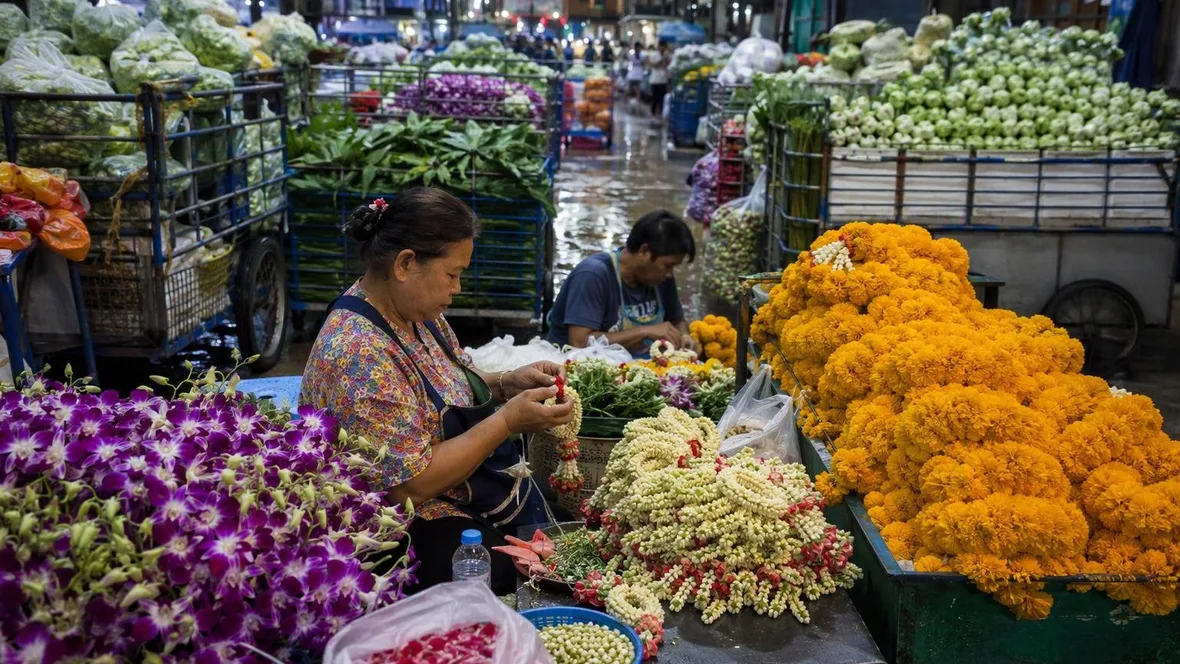
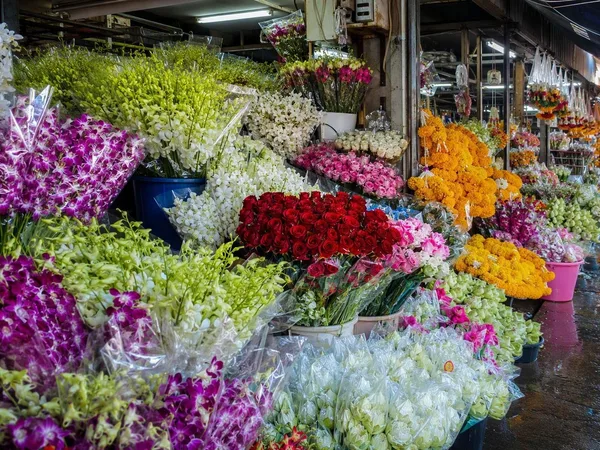
Before dawn, Bangkok’s Pak Khlong Talat belongs to flower carts, garland makers and wet loading floors. After sunrise, sellers arrange stalls as flowers move from wholesale bundles towards temples and household shrines.
A regional checklist leaves little room for a second look. A longer stay allows a market to change shifts, a riverside district to show its working links, or the same street to move from breakfast trade to dinner.
Bangkok, George Town and Hanoi make three very different cases for staying put. Their waterways, trading histories, religious life and street layouts produce distinct daily patterns.
Bangkok from the river and the market
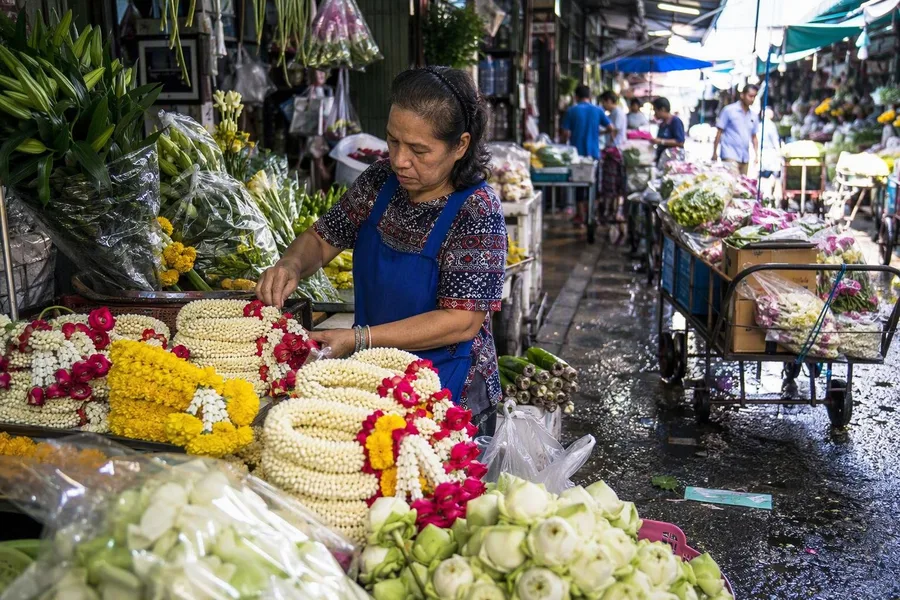 A seller arranges flowers and garlands at Bangkok’s Pak Khlong Talat in the morning.
Pak Khlong Talat stands beside the Chao Phraya at the mouth of Ong Ang Canal. It began as a fruit-and-vegetable landing market before becoming a flower market in the late 1950s. Overnight carts, hand-strung garlands and wet loading floors give way to morning stallholders. Lanes nearby sell religious supplies, and the market’s flowers feed the everyday practice of making offerings.
A short stop catches colour. A return at another hour shows the work behind it: wholesale deliveries at night, stalls taking shape in the morning, and flowers leaving for shrines and temple precincts. Around Bang Lamphu, monks make morning alms rounds near temples and markets; towards sunset, residents gather in riverfront parks and on promenades.
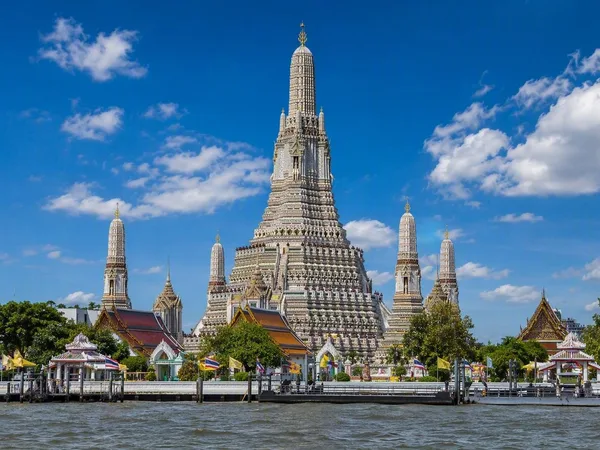
The Chao Phraya joins neighbourhoods that look separate on a map. Public boats connect working piers with Chinatown, the temple quarter and older riverside communities. At Ratchawong Pier, Sampeng’s wholesale trade fills the day. Yaowarat turns into a dining street after dark, while Tha Tien leads towards Wat Pho and Phra Arthit sits beside Bang Lamphu.
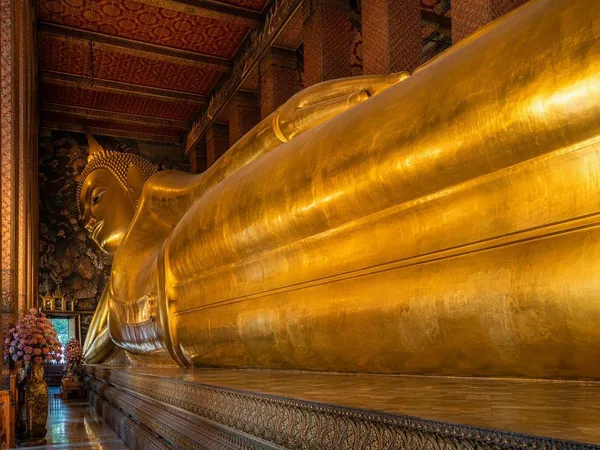
Wat Pho merits more than a circuit of its best-known buildings. Stone inscriptions made between 1831 and 1841 put religious and secular knowledge on public display, including material on massage. Worship and teaching share the grounds, and the inscriptions explain why massage belongs here as much as ornament does.
Across the river, Kudi Chin works on a smaller, domestic scale. Narrow alleys link Santa Cruz Church, a Chinese shrine, Buddhist temples, homes and small food businesses. Thai, Chinese, Portuguese and Muslim residents have lived in the neighbourhood for more than two centuries, with Catholic, Buddhist and Muslim places of worship close together. A return for kanom farang, a Portuguese-rooted cake made with Thai ingredients, places that history in an ordinary food purchase.
George Town beneath the shophouse arcades
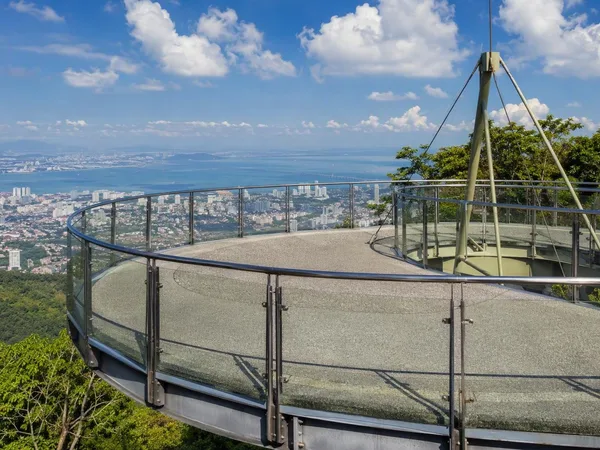
George Town began in 1786 as a British free port on the Straits of Malacca. Merchants arrived from China, India and Arab countries, linking the town with Europe, the Middle East, the Indian subcontinent and the Malay Archipelago. Mosques, Hindu and Chinese temples, churches, warehouses and waterfront clan jetties remain in the streets shaped by those movements.
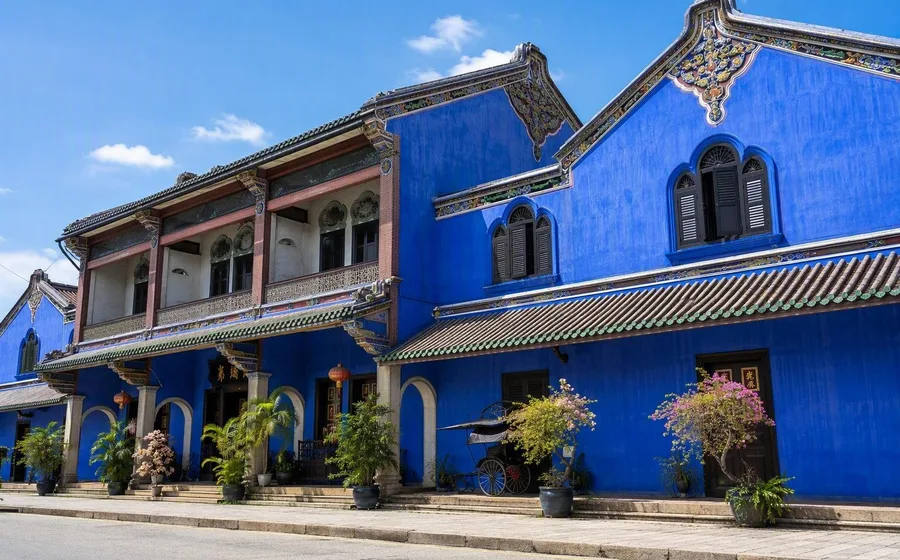
The shophouse gives the clearest account of how trade organised daily life. Narrow, deep buildings stand in continuous rows, with business traditionally on the ground floor and family quarters above. Clay brick, lime plaster, terracotta floors, louvred shutters and open airwells answered the practical problems of heat, glare and cooking smoke. Thick walls temper the midday sun, while shutters admit air and airwells draw heat from rear kitchens.
Five-foot ways run beneath the shopfronts as covered public arcades. They provide shade and rain cover, though parked motorcycles and displays can narrow the passage. Return in the morning, when family businesses open under the arcades. Later, cafés, hotels and newer shops use rooms built to hold both work and home.
Food belongs to this port history as firmly as brick and plaster. George Town’s World Heritage inscription includes food and daily life alongside religious buildings, ethnic quarters, languages, worship and festivals. Hawker stalls, coffee shops, markets and restaurants make that inheritance visible in cooking and ordering, rather than leaving it on a plaque.
The historic Street of Harmony places Kapitan Keling Mosque, Sri Maha Mariamman Temple, the Goddess of Mercy Temple and St George’s Church along one stretch of road. A later walk can reach the clan jetties, Chinese clan settlements with wooden houses on stilts over the sea. These are not detached monuments; they stand inside a district where long-running businesses and newer services still occupy shophouses.
Hanoi before breakfast and after dark
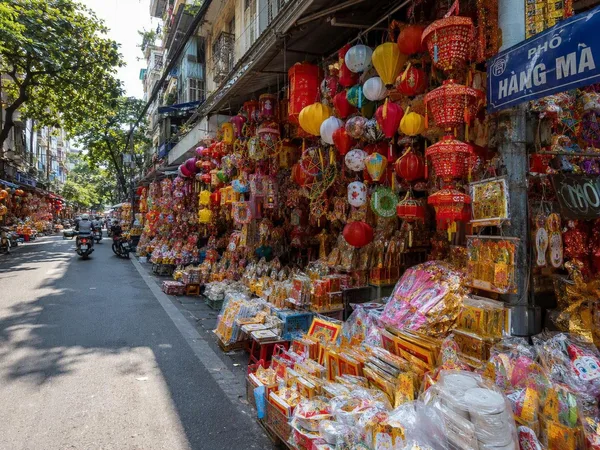
Hanoi’s Old Quarter developed beside the imperial citadel from the 11th century as a district of craft production and trade. Its “36 streets” is a historic guild label, not a literal modern count. The recurring word Hàng means goods or merchandise.
Several streets still carry their older trades at street level. Hàng Mã sells votive paper and ritual goods, Hàng Thiếc retains metalworking, parts of Hàng Bạc remain associated with jewellery, and Lãn Ông has herb sellers and apothecaries. Hammering on Hàng Thiếc and stacks of paper offerings on Hàng Mã give these lanes a specific purpose beyond their famous names.
Morning brings deliveries, breakfast stools and shopfronts opening around Hàng Buồm, Hàng Đào and Đồng Xuân Market. Later, the same tight streets turn towards coffee, dinner preparation, food stalls and the beer businesses around Tạ Hiện. Families still combine domestic and commercial life in deep, narrow tube houses. French-period rebuilding added brickwork, tiled roofs, paved streets and European-style buildings to the older mercantile quarter.
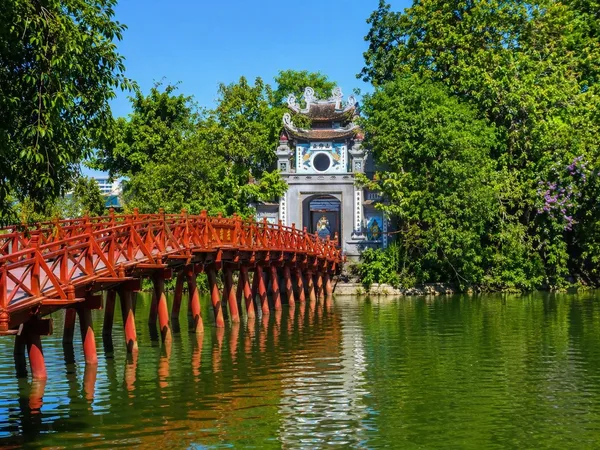
Hoàn Kiếm Lake provides a different kind of return. At dawn, people use the paths for tai chi, aerobics, badminton and running. On weekend evenings, surrounding roads become pedestrianised and the shore fills with games, performances, snack stalls and families. The lake lies between the Old Quarter and the French Quarter. Its name, “Lake of the Restored Sword”, recalls the legend of Lê Lợi returning a divinely lent sword to a turtle after defeating the Ming.
One practical plan for longer stays
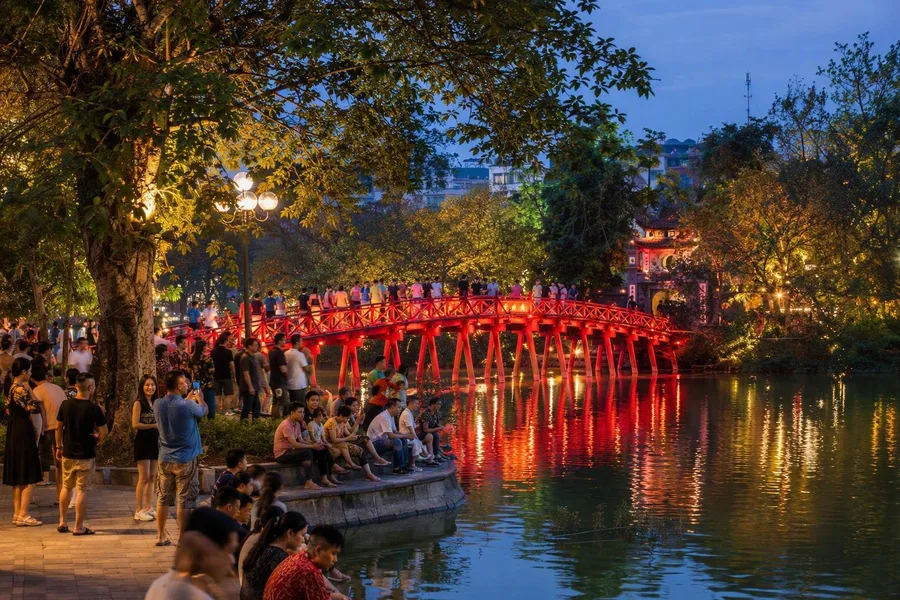 Families gather beside Hoàn Kiếm Lake as the red Húc Bridge leads to Ngọc Sơn Temple.
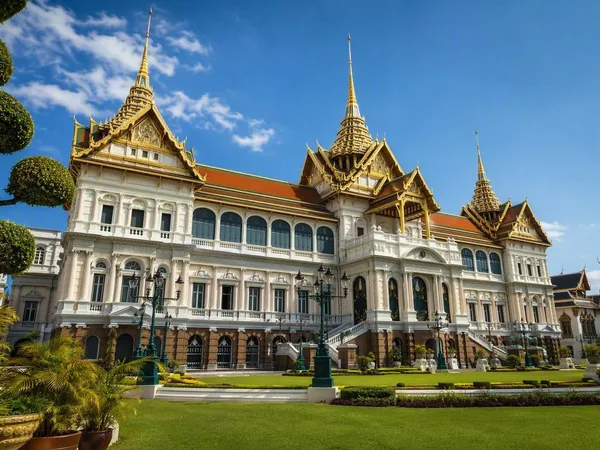
In Bangkok, a hotel near a BTS or MRT station suits cross-city travel, while an old-city or riverside base works well for days along the Chao Phraya. Grand Palace tickets are available online or at the gate, and its dress rules exclude sleeveless tops and short or tight clothing. In George Town, Chulia Street, Love Lane, Muntri Street and Armenian Street keep the heritage core, food stops and waterfront within walking distance; the free CAT loop offers a break from the heat. Reserve Penang Hill’s funicular online if it is a priority. In Hanoi, the Old Quarter is convenient but noisy, so a back room or a quieter Hoàn Kiếm side street suits lighter sleepers; Tây Hồ offers a more residential base farther from the historic centre. Check the exact street address and room orientation before reserving a Hanoi hotel.
On a weekend evening, the red Húc Bridge crosses Hoàn Kiếm Lake towards Ngọc Sơn Temple as games and snack stalls spread along the pedestrianised shore.
Keep exploring
Places in this story
Asia
4 landen en gebieden
Thailand
Malaysia
Vietnam
Pak Khlong Talat Flower Market
Bangkok
George Town
George Town is Penang’s historic port city on Malaysia’s northwest coast. Its compact World Heritage core combines shophouses, clan houses, religious buildings, waterfront settlements and a formidable everyday food culture.
Hanoi
Wat Pho
Hanoi Old Quarter
Grand Palace