
City · Vietnam
Hanoi
Hanoi is Vietnam’s capital in the Red River Delta, built around old merchant lanes, lakes and the former imperial centre of Thăng Long. Its most useful visitor geography runs from Hoàn Kiếm Lake and the Old Quarter to Ba Đình and West Lake.
Get oriented
Use Hoàn Kiếm Lake as the centre of a first visit. The Old Quarter starts immediately north; the French Quarter spreads south and east along broader, colonial-era streets. Ba Đình, with the citadel and mausoleum complex, lies west; West Lake is farther north.
These are distinct areas, not stops to zigzag between in one day. Group your sightseeing by district: the Old Quarter and lake on foot, Ba Đình as a separate half-day, and West Lake later in the day.
Old Quarter and Hoàn Kiếm
The Old Quarter grew as a district of craft production and trade beside the imperial city. Its “36 streets” is a historic guild label, not a modern street count. Many names still begin with Hàng, meaning goods or merchandise.
Walk rather than chase a fixed route. Hàng Gai, Hàng Bạc, Hàng Mã and Lãn Ông retain clues to former silk, silver, paper-goods and herbal trades. Pavements are often occupied by parked motorbikes and shopfront activity, so walk steadily and expect to use the road edge.
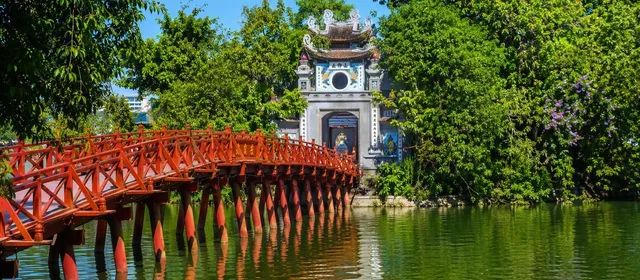
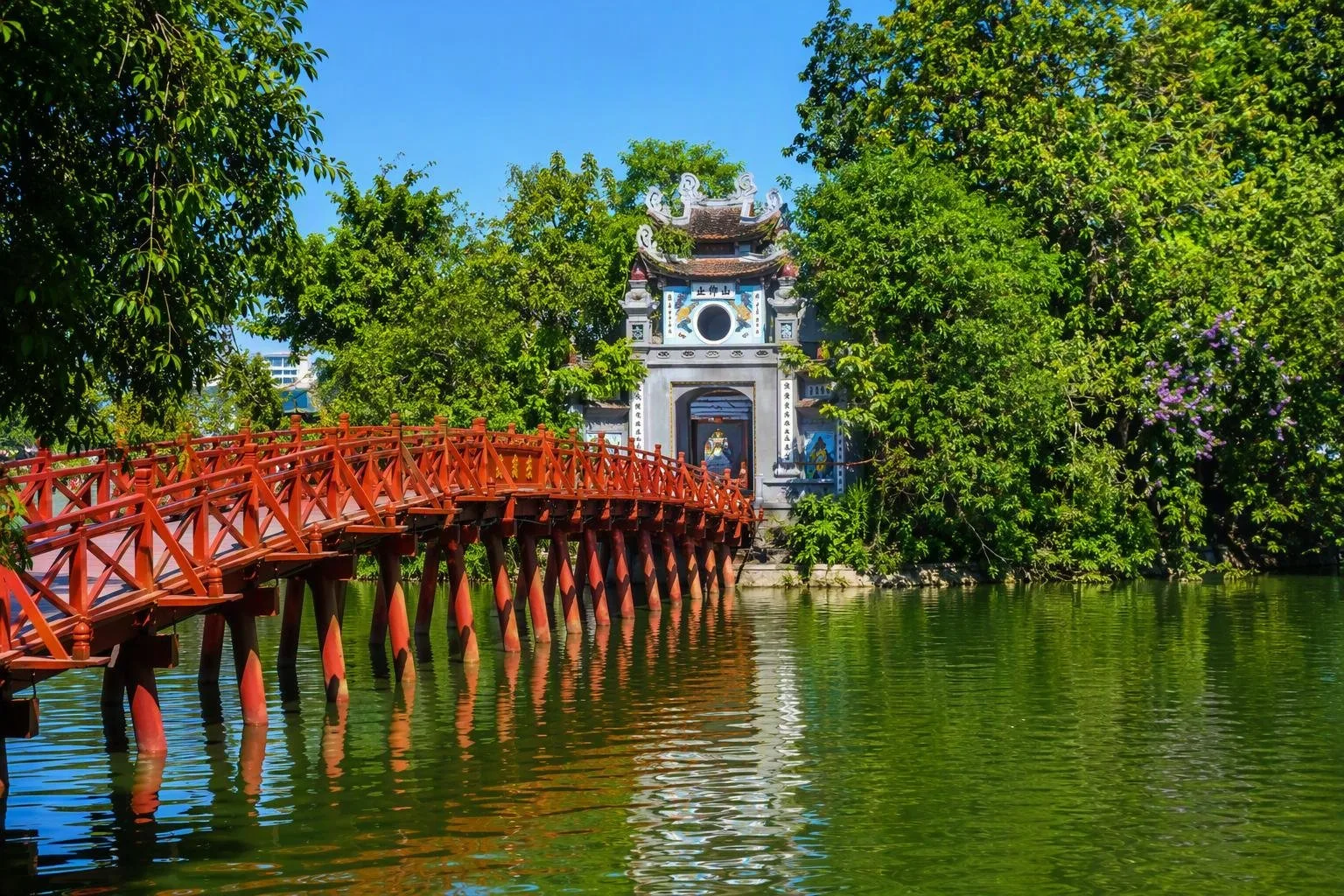
At the lake, the red Thê Húc Bridge leads to Ngọc Sơn Temple. The lakeside itself is a useful early-morning or evening circuit; it also links directly to the southern edge of the Old Quarter.
Imperial and civic Hanoi
The Imperial Citadel of Thăng Long is the essential historic counterweight to the Old Quarter. Built in the 11th century on earlier fortifications, it was a centre of political power for nearly 13 centuries. Look for the surviving gates, palace foundations and archaeological remains rather than expecting an intact palace complex.
Nearby, the Temple of Literature was founded in 1070 and became Vietnam’s first national university in 1076. Its sequence of courtyards, gates and stone doctoral stelae makes it a focused visit rather than a quick photo stop.
The Ho Chi Minh Mausoleum complex has stricter entry rules than most city sights. Dress modestly; security, morning-only access and closure days can affect a visit.
West Lake and choosing a base
West Lake is Hanoi’s largest lake and gives the city more space than the central lanes. Pair its shoreline with Trấn Quốc Pagoda, an active place of worship; cover shoulders and knees, and keep voices low in shrine areas.
For accommodation, the Old Quarter is central for walking but can be loud. A rear-facing room or a quiet side street near Hoàn Kiếm suits lighter sleepers. The French Quarter is a quieter central alternative. Tây Hồ works better for a longer, more residential stay, but adds travel time to the historic core.
Moving around
Walk the Old Quarter, Hoàn Kiếm and the French Quarter. For longer cross-city trips, use a taxi or ride-hailing car rather than trying to cover every sight on foot.
Hanoi Metro’s Line 2A runs from Cát Linh to Yên Nghĩa, with trains generally operating from 05:30 to 22:00. It serves western and south-western corridors, not the Old Quarter or Hoàn Kiếm Lake directly. Treat it as a useful route-specific option, not the backbone of central sightseeing.
From the magazine
Stories about Hanoi
Editorial stories linked directly to Hanoi.
Routes from our editors
Travel through Hanoi
Editorial routes connecting Hanoi with other countries, cities and hotspots.
No routes through Hanoi have been published yet.
More in Vietnam
Related hotspots
Other cities, nature areas and places within Vietnam.
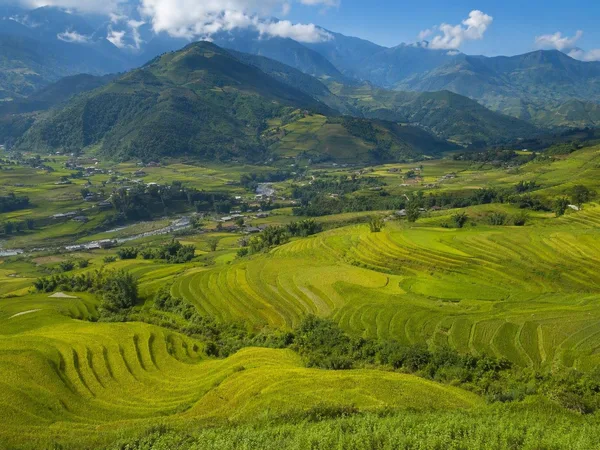
Sapa
1 linked stories and routes
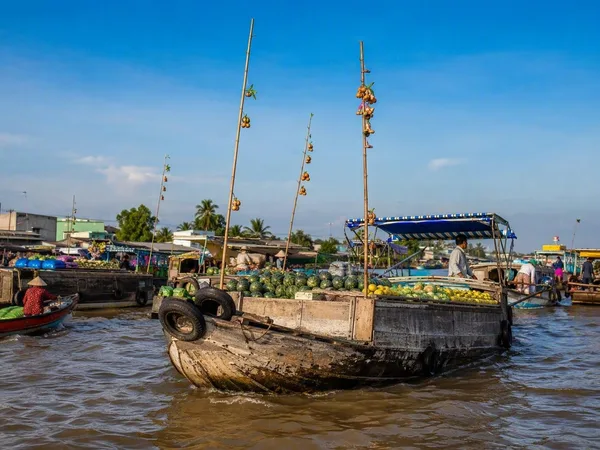
Mekong Delta
1 linked stories and routes
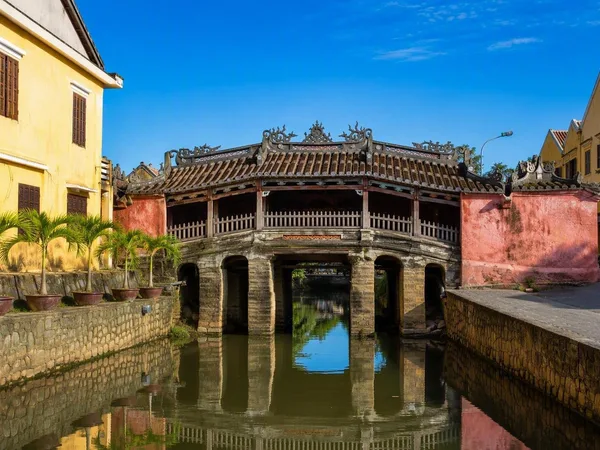
Hoi An
1 linked stories and routes
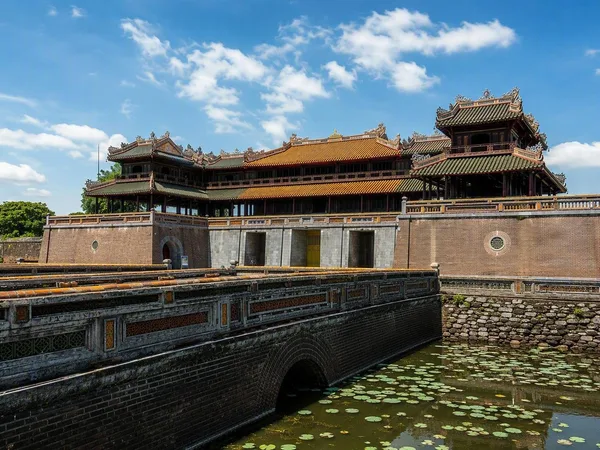
Huế
1 linked stories and routes
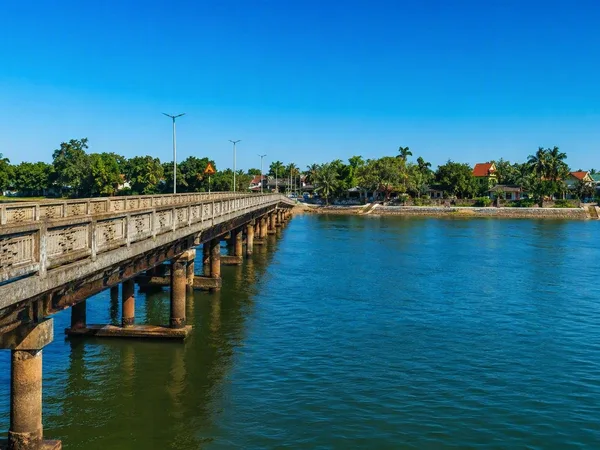
Cồn Hến, Huế
1 linked stories and routes
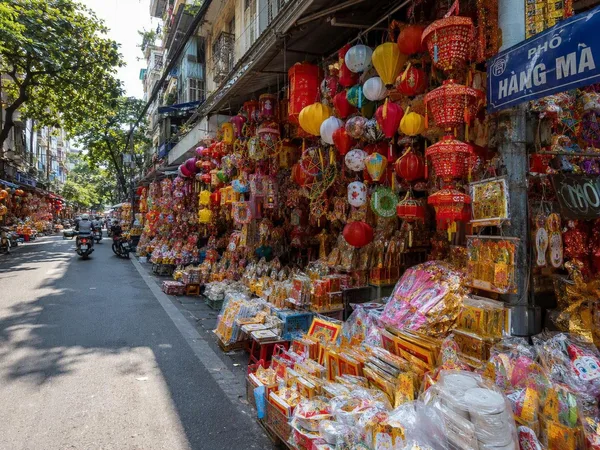
Hanoi Old Quarter
1 linked stories and routes
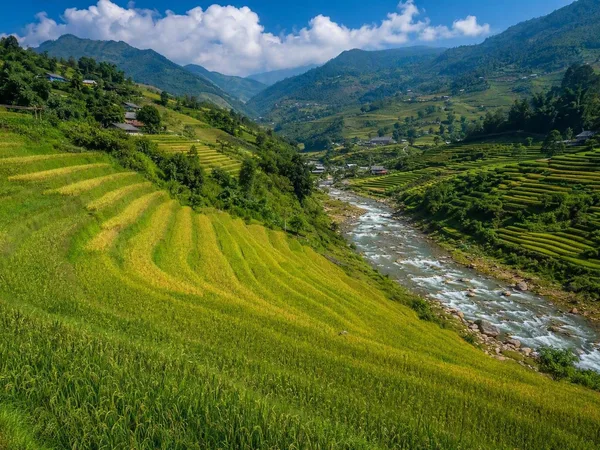
Mường Hoa valley
0 linked stories and routes
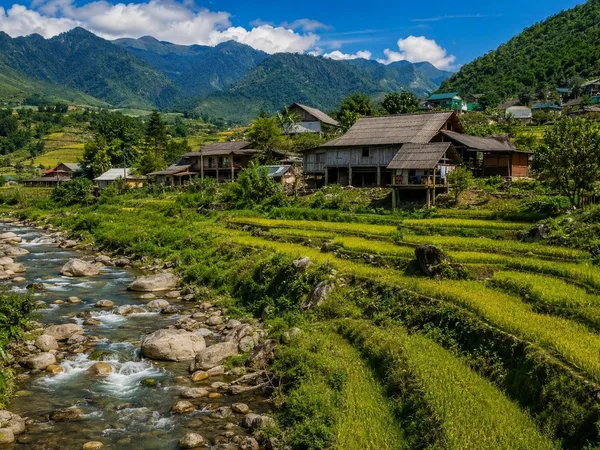
Ta Van Village
0 linked stories and routes
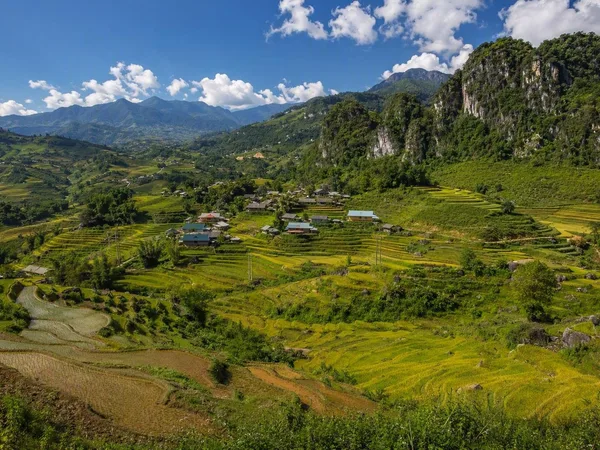
Ta Phin
0 linked stories and routes