City · Vietnam
Sapa
Sapa is a highland town in Lào Cai Province, north-west Vietnam, set at about 1,600 metres in the Hoàng Liên Sơn range. It is the base for Muong Hoa’s working rice terraces, village walks and trips towards Fansipan.
Get oriented
Sapa is a compact mountain town, but its appeal lies beyond the built-up centre. Use the area around the Stone Church, market and Sapa Lake for hotels, food and transport; walk it easily. The terraced valleys and villages require a trek, taxi, driver or motorbike.
At this altitude, temperatures are markedly cooler than in Hanoi. Bring layers throughout the year and a rain shell for the hills.
Walk the rice terraces
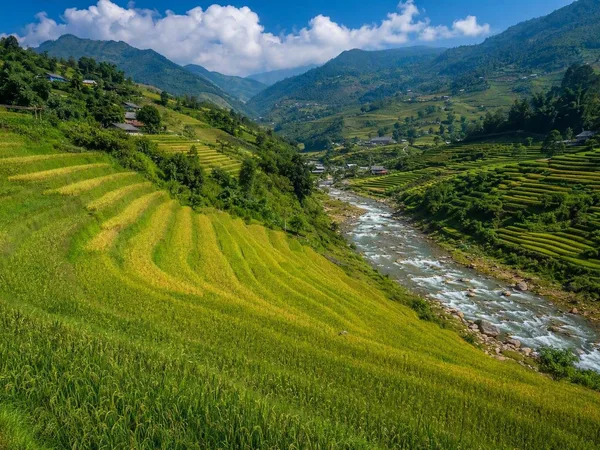
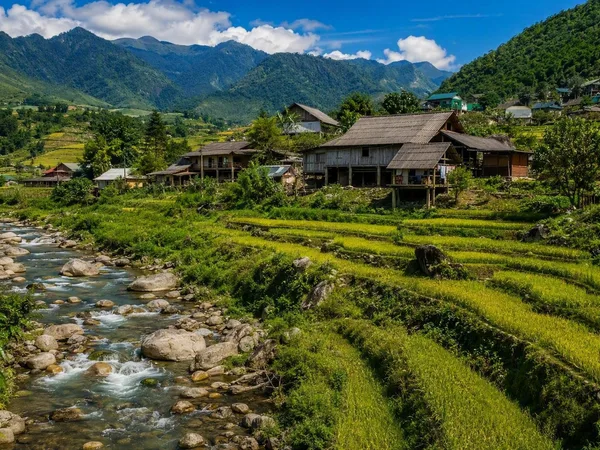
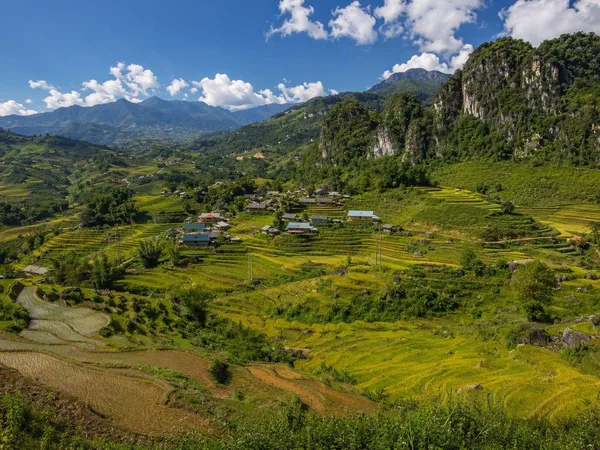
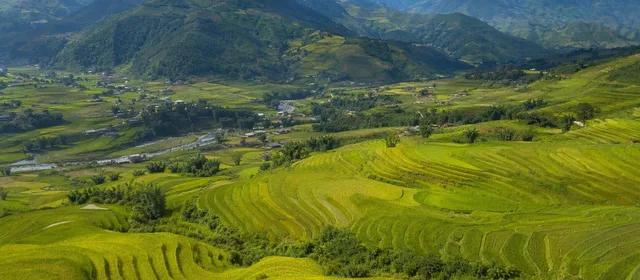
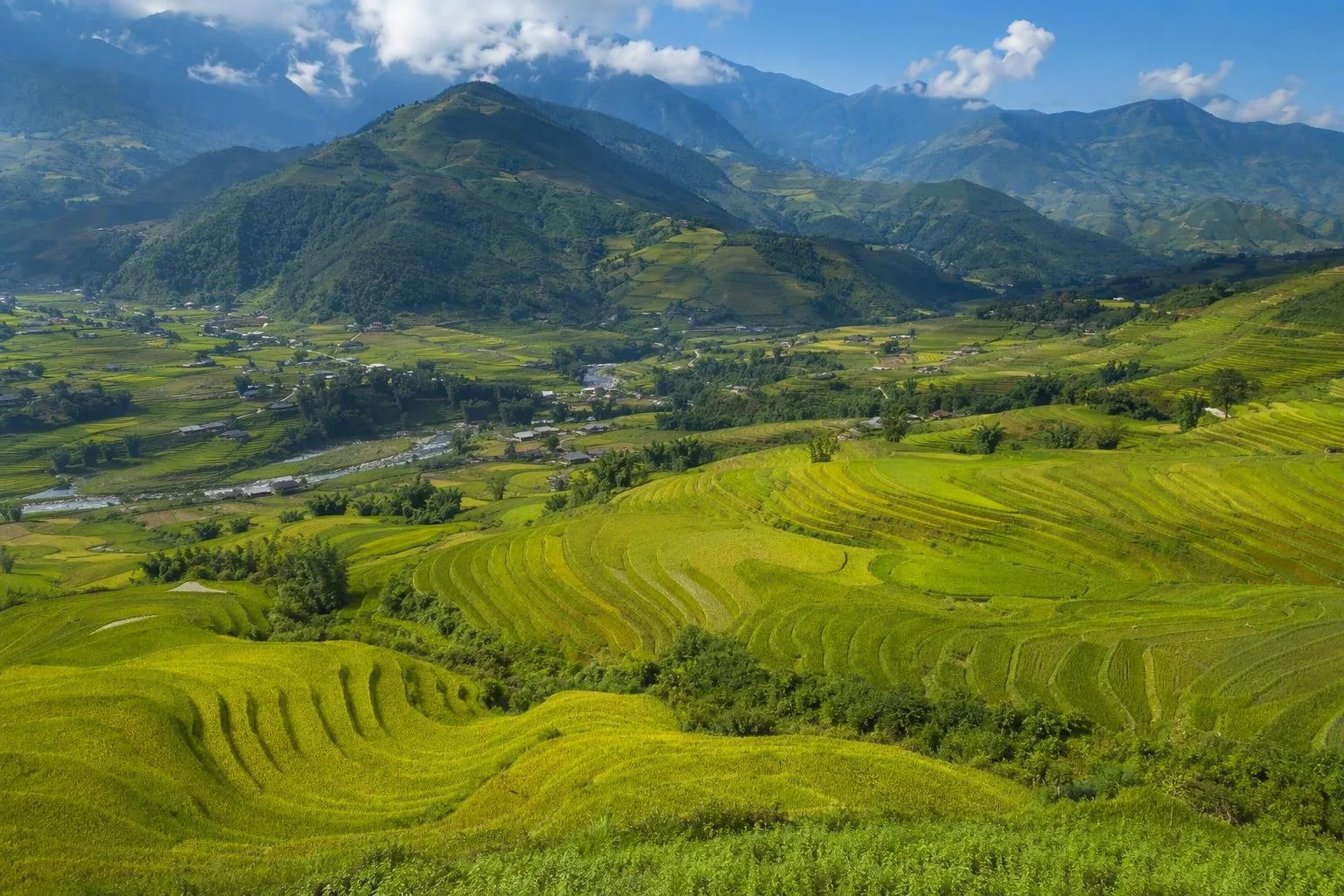
Muong Hoa Valley, south-east of town, is Sapa’s defining landscape: irrigated rice terraces and settlements including Lao Chai and Ta Van. A full-day walk through the valley is the right scale for most visitors. Local guides are valuable on farm paths and for an informed introduction to Hmong, Giay and Dao communities.
Farm-land rule: stay on paths and do not walk across planted terraces or terrace walls. Ask before photographing people, homes or work.
Cat Cat, about 3 km from the centre, is the most accessible Black Hmong village. It works for a short, steep downhill-and-uphill outing, but is more developed for visitors than the longer valley routes.
Fansipan and the mountain range
Fansipan, at 3,143 m, is Vietnam’s highest peak and rises south-west of Sapa. The cable car provides a practical half-day mountain excursion when conditions are clear; the summit area still involves steep steps. A trek is a serious multi-day undertaking and needs a guide and the required park access arrangements.
Cloud can close in quickly. Keep the cable car for the clearest available morning rather than treating it as a fixed-time view.
Arrive and move around
From Hanoi, direct vans and buses take roughly 5–6 hours. The overnight train terminates in Lào Cai, not Sapa, so allow roughly another hour by road for the mountain transfer.
Within town, walk. For Cat Cat, Muong Hoa, Ta Van or Ta Phin, arrange a car, taxi or a guided trek. Ride a motorbike only if you are confident on steep, winding mountain roads; rain and fog change conditions fast.
Choose the season
Late April–May brings water-filled paddies and planting. June–August is intensely green but wet, with muddy trails. September to early October is the usual golden-rice period and the busiest time, so secure transport and accommodation early.
Winter, roughly December–February, can be cold and foggy; it suits a town-and-culture stay better than terrace views. For trekking, wear shoes with grip: paths become slippery after rain.
From the magazine
Stories about Sapa
Editorial stories linked directly to Sapa.
Routes from our editors
Travel through Sapa
Editorial routes connecting Sapa with other countries, cities and hotspots.
No routes through Sapa have been published yet.
More in Vietnam
Related hotspots
Other cities, nature areas and places within Vietnam.