Eight cultivated landscapes, from Douro vines to Kericho tea
A dry-stone wall in Portugal holds vines to a schist slope. On Bali, water runs from mountain channels through temples and down a chain of rice fields. Below the Andes, old irrigation ditches carry meltwater to Malbec vines. These eight regions show farming not as a backdrop but in the walls, canals, food and daily work that give each landscape its form.
A short practical note
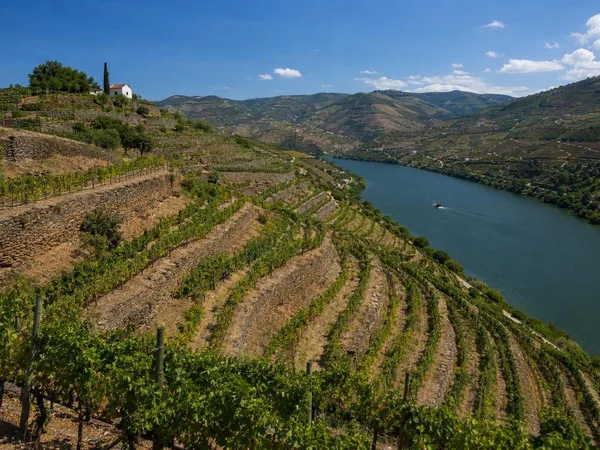
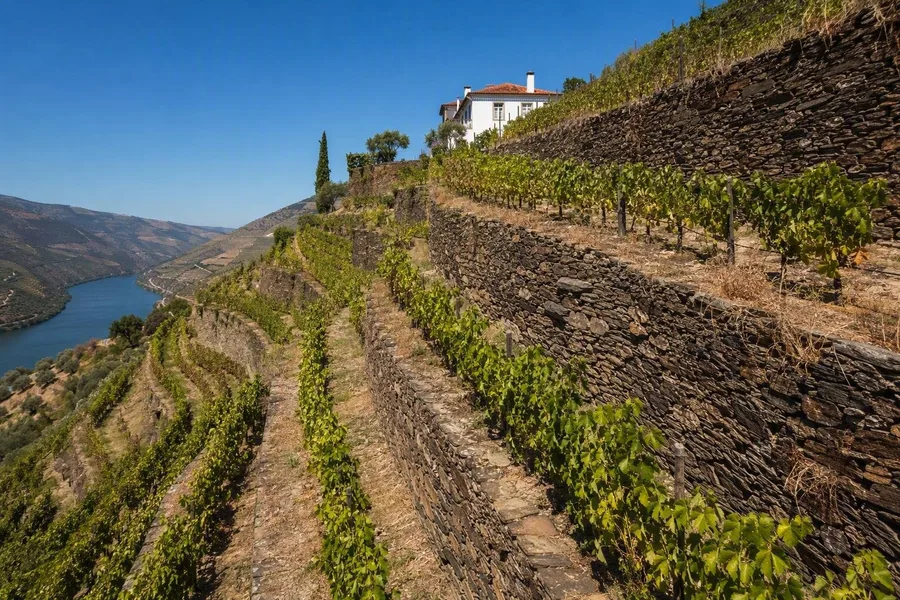 Vines climb dry-stone terraces beside a quinta in Portugal’s Douro valley.
From Porto, trains reach Régua and Pinhão; a car or organised trip works better for remote Douro quintas. Reserve tastings ahead. Jatiluwih does not require a reservation, while Sapa transport and accommodation can fill during the autumn harvest. Arrange Oaxaca palenque visits, Mendoza bodega tastings, and Kericho estate or factory access in advance.
Schist walls above the Douro
The Douro’s vineyards climb steep schist slopes on socalcos, narrow terraces held by dry-stone walls. Some carry only one or two rows of vines. Wider platforms from the late nineteenth and early twentieth centuries stand beside older, irregular terraces, with villages, chapels and quintas spread between them.
Winegrowing has continued here for more than two millennia. The Douro’s 1756 demarcation bound the valley to regulated port production, while the river and its tributaries give the vineyard country its long, narrow axis. At a quinta, the winery commonly stands around the residence, keeping production close to house, slope and river.
Snowmelt in the Alpujarras
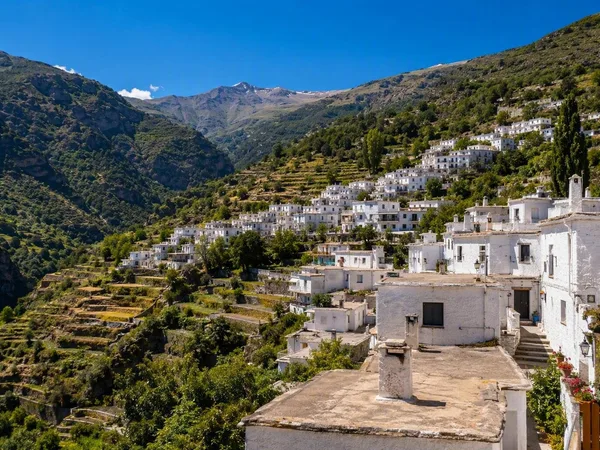
On the southern side of the Sierra Nevada, terraces, orchards and fields occupy the mountain flanks. Earthen acequias carry snowmelt across them. In an acequia de careo, farmers lead water onto porous ground, where it sinks and later returns lower down as spring water and river flow for fields and pasture.
Communities developed this shared system during Al-Andalus, between the eighth and fourteenth centuries, and many high catchments still use it. In the villages, whitewashed stone houses use flat, waterproof terraos of launa clay; covered tinaos run beneath parts of the buildings. Migas, Trevélez ham and striped jarapas woven from cloth strips carry mountain grain, preservation and handwork into local life.
Grain and hill towns in Val d’Orcia
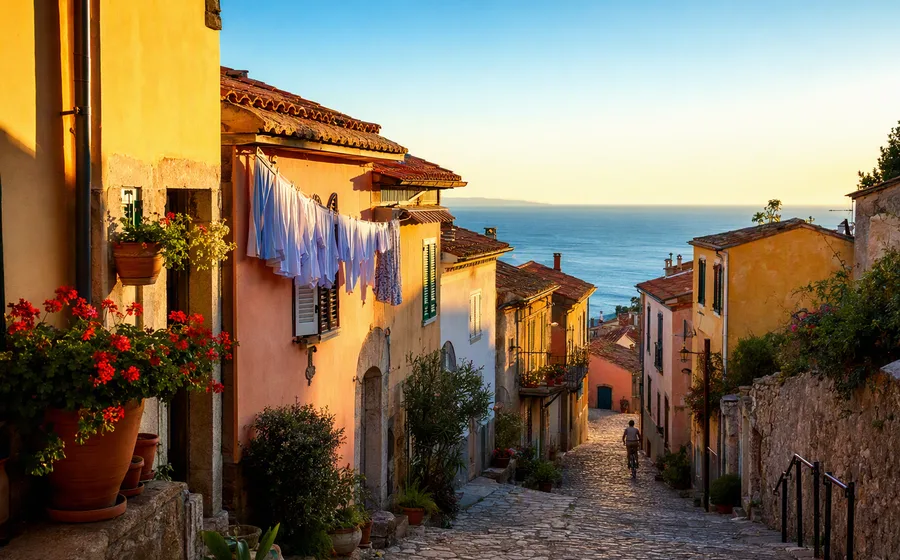
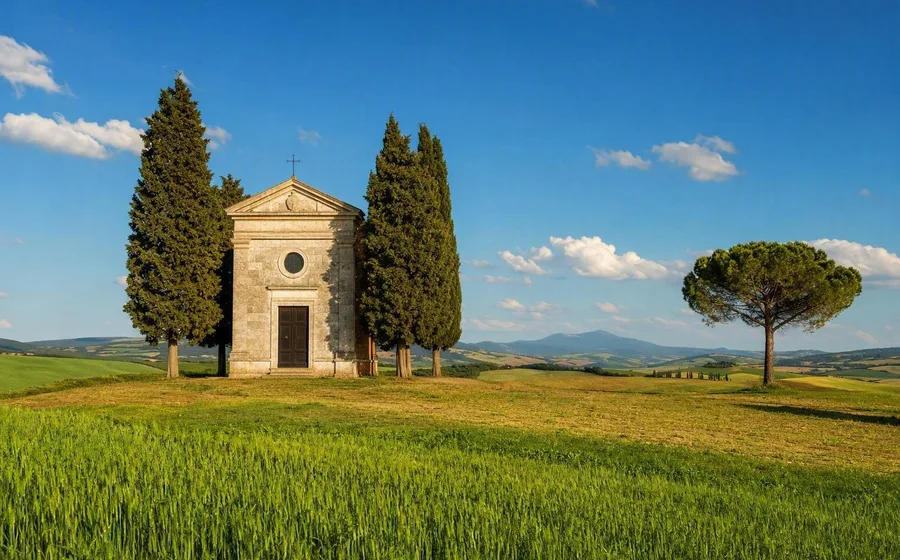
Val d’Orcia has no steep vineyard walls. Pale chalk and clay roll into low hills, where small mixed farms divide the ground among grain, vines, olive trees, fruit, vegetables, hay meadows and pasture. Cypress trees mark roads and settlements, and fortified towns hold the hilltops above scattered farmhouses.
Siena reorganised this countryside in the fourteenth and fifteenth centuries into productive smallholdings whose tenants paid part of their harvest as rent. That history remains legible in the fields: broad grain parcels sit beside smaller olive groves and vineyards, rather than giving one crop the whole view.
Temple water in Jatiluwih
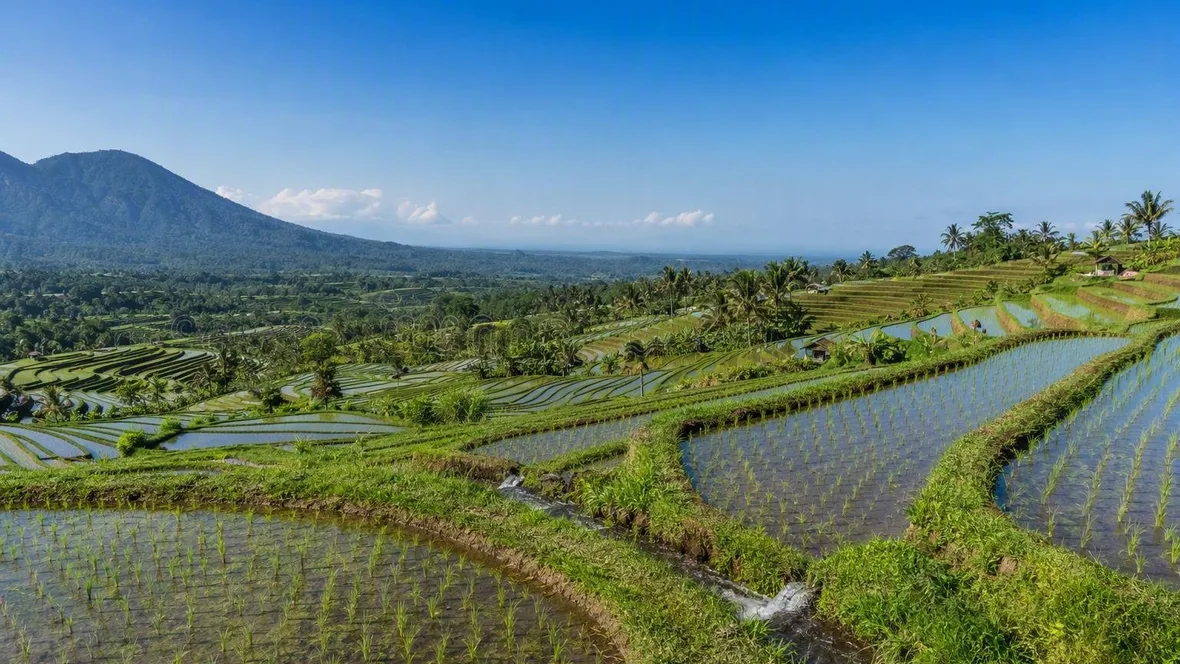
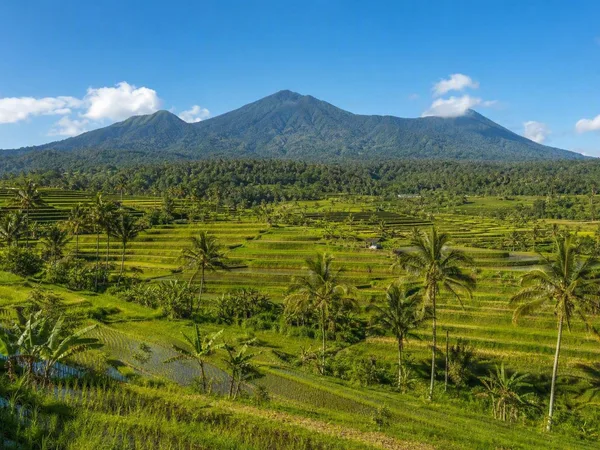
On the slopes of Batukaru, water travels through channels, tunnels and weirs without pumps. Each flooded rice plot passes its surplus to the terrace below, leaving long chains of wet fields that follow the contours of the hill.
The Balinese subak means both the irrigation network and the farmers’ cooperative that shares water, sets planting times and organises maintenance. Water temples form part of the same working system: water moves from springs and channels through temple sites to the fields. Farmers maintain red rice here and may grow vegetables or pulses between rice seasons.
Rice walls around Sapa
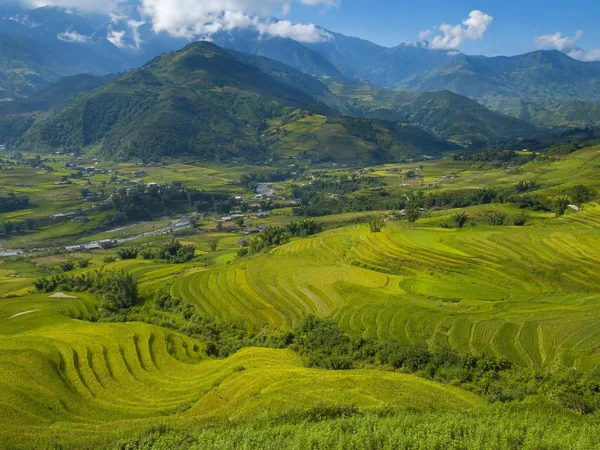
In the Mường Hoa valley, low walls of stone or compacted earth make level rice plots from steep slopes. Small inlets, gates and overflows pass mountain water from one field to the next. Farmers flood and plant the terraces in May and June. Rice ripens from September into early October, with harvest dates changing with elevation.
Mong, Dao and Giay communities cultivate and maintain these terraces, but they do not share a single culture. Mường Hoa includes Mong settlements, Ta Van is associated with the Giay, and Ta Phin with the Red Dao. Indigo dyeing, beeswax batik, brocade weaving, basketry and silversmithing add another visible layer of local skill beyond the paddies.
Agave and earth ovens in Oaxaca
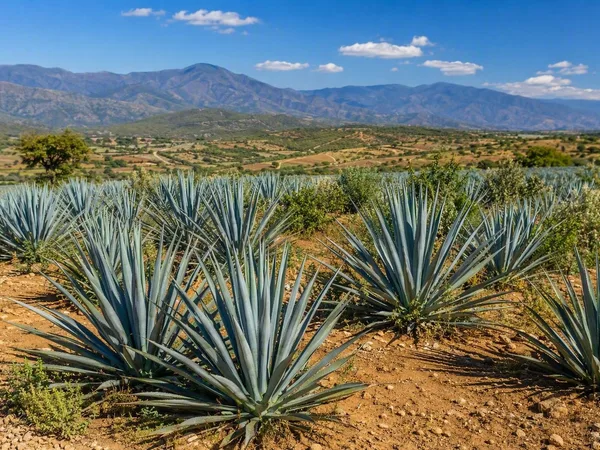
Oaxaca’s mezcal country spreads through valleys, stony hills, ravines and lower mountains. Espadín dominates production, but growers and mezcaleros also use species including Agave potatorum and A. karwinskii.
At the jima, workers cut away the sharp leaves to expose the heavy agave heart, or piña. Artisanal and ancestral producers may roast the hearts in an earth oven, crush cooked fibre with a wooden mallet or stone tahona, then ferment and distil it. A palenque therefore gathers field crop, earth, stone, wooden vats and copper or clay stills in one place. In some Mixtec communities, mezcal also belongs to collective work, religious feasts, rituals and funerals.
Andes water in Mendoza
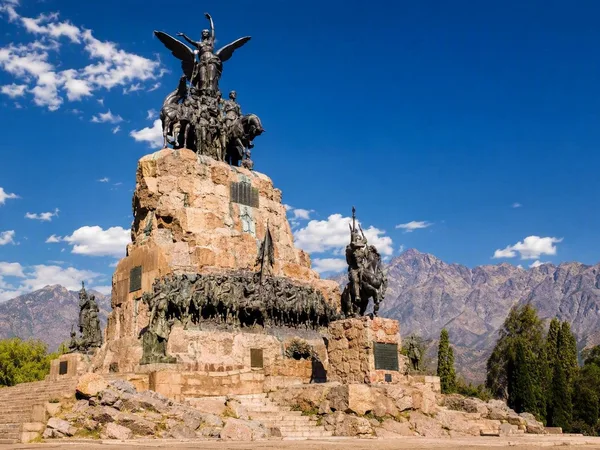
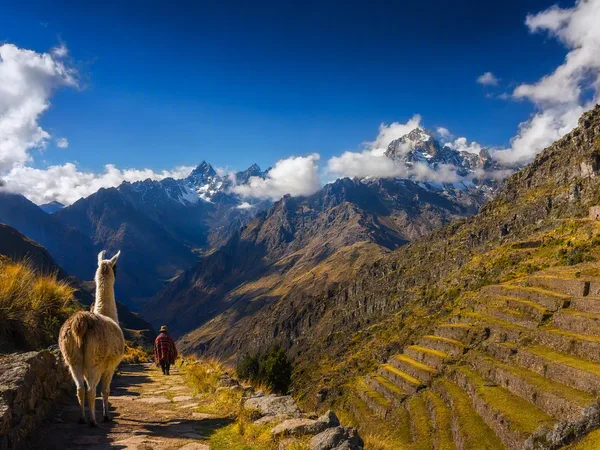
Mendoza’s vineyards stand in irrigated oases on a semi-arid plain below the Andes. Channels carry mountain meltwater to vines, fields, city trees and gardens. The Huarpe made irrigation ditches here before modern winegrowing, establishing the water system that later supported vineyard expansion.
Malbec gives the region its familiar wine image, but the channels between and beyond the rows explain why vines grow on this dry plain. Wine also sits close to regional food: humita en chala wraps maize paste in corn husks, while higher Andean valleys supply goat for slow roasting.
Fresh leaf in the Kericho highlands
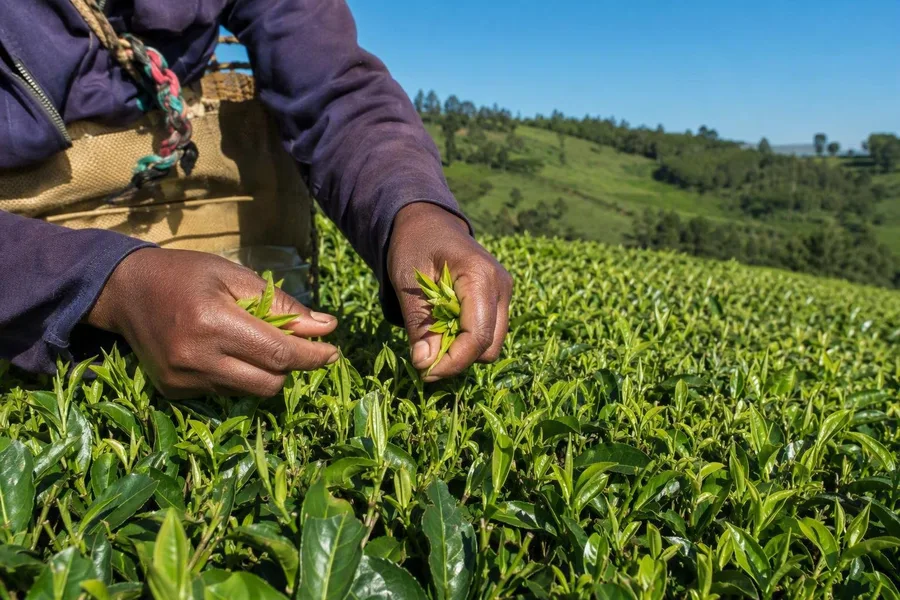 A tea worker hand-picks fresh shoots from low bushes in the Kericho highlands.
Kericho lies on the western flank of Kenya’s Mau highlands, where volcanic soils, rivers and rain spread through the year support tea cultivation. Growers keep bushes low and densely pruned. New shoots return after picking, so the work continues through much of the year instead of gathering around one short harvest.
Large estates use both machines and hand-picking, while smallholders bring fresh green leaf to collection points for factory processing. Careful hand-picking takes the soft shoot: two leaves and a bud. Across the highland slopes, closely clipped tea bushes make broad green plucking surfaces, with the newest leaves standing above them.
Keep exploring
Places in this story
Europe
10 landen en gebieden

Asia
Central America
South America
Douro
Alpujarras
Val d’Orcia
Val d’Orcia is a UNESCO-listed agricultural landscape in southern Tuscany, Italy, centred on rolling fields, cypress-lined roads and fortified hill towns. It is a working region rather than a single attraction, spread across the municipalities of Montalcino, Pienza, San Quirico d’Orcia, Castiglione,
Jatiluwih Rice Terraces
Sapa
Oaxaca