
Region · Italy
Val d’Orcia
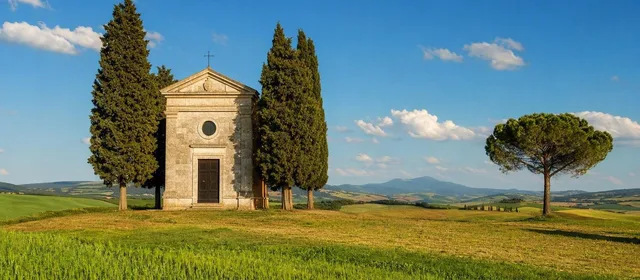
Val d’Orcia is a UNESCO-listed agricultural landscape in southern Tuscany, Italy, centred on rolling fields, cypress-lined roads and fortified hill towns. It is a working region rather than a single attraction, spread across the municipalities of Montalcino, Pienza, San Quirico d’Orcia, Castiglione,
Read the landscape
Val d’Orcia is a cultural landscape shaped by farming and settlement rather than a park with a gate. Its pale chalk plains, low conical hills, farmhouses and fortified towns retain a layout developed under Siena in the 14th and 15th centuries. UNESCO inscribed the area in 2004.
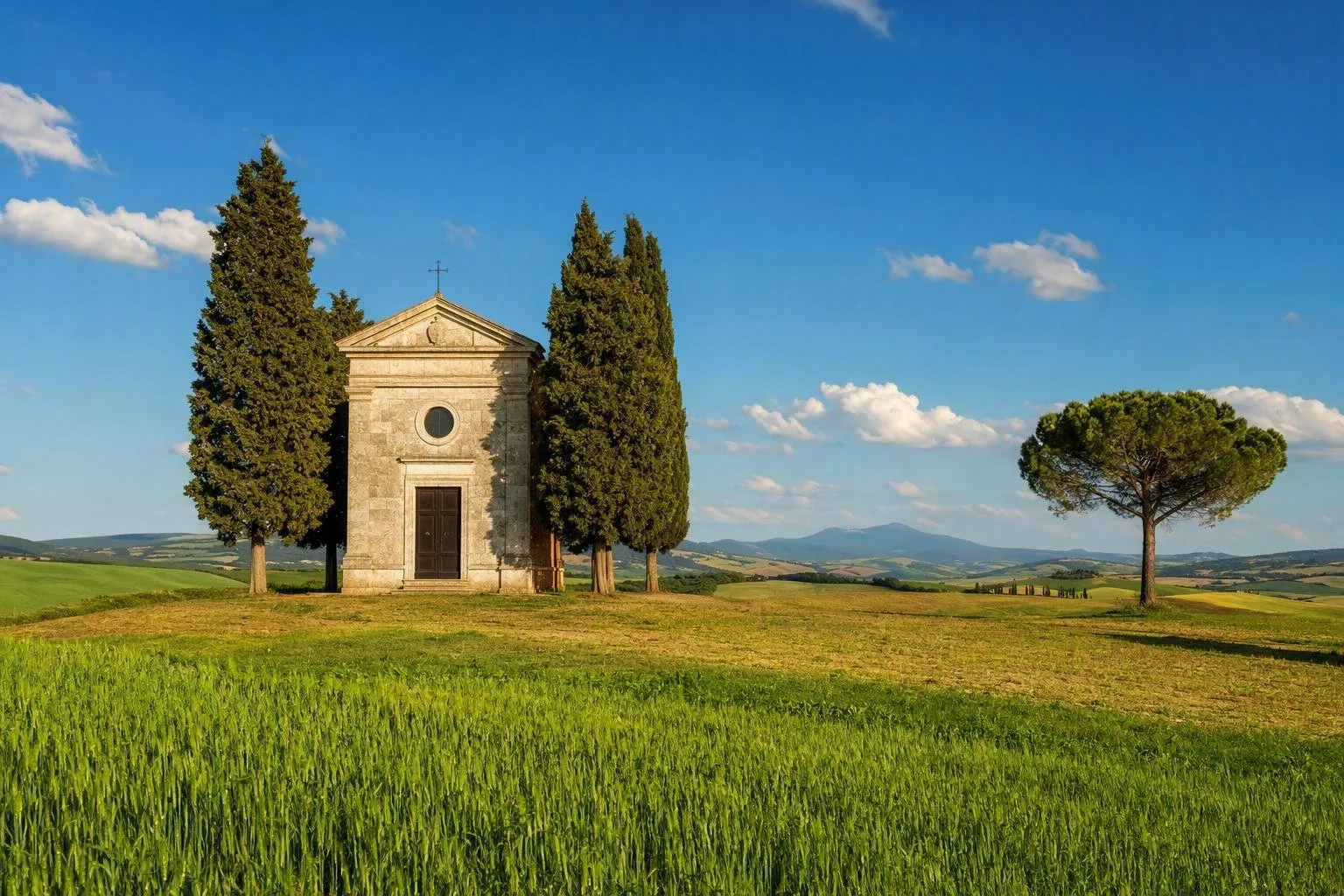
The essential visual grammar is still clear: wheat and pasture on broad slopes; vines and olive groves on suitable ground; cypresses marking roads, farms and settlements. The Orcia River gives the valley its name, but it is small and can run very low in summer.
Choose a base and a circuit
The five core municipalities are Montalcino, Pienza, San Quirico d’Orcia, Castiglione d’Orcia and Radicofani. Treat them as stops within one landscape rather than trying to cover every village in a day.
- Pienza pairs Renaissance town planning with wide valley views and pecorino shops.
- Montalcino is the Brunello centre, with a 14th-century fortress and steep old streets.
- San Quirico d’Orcia sits on the Via Francigena and has the Romanesque Collegiata and formal Horti Leonini gardens.
- Bagno Vignoni, near San Quirico, is defined by its thermal-water basin in the main square; it is not a public bathing pool.
- Radicofani provides the valley’s more dramatic southern fortress setting.
Roads, walks and viewpoints
A car gives the most useful access to the dispersed towns, farms and unpaved white roads. Use the SR2/Via Cassia as the north–south spine, then make short detours rather than attempting an overstuffed loop. Hill-town centres have narrow streets and restricted-traffic areas: use signed parking outside the historic core.
For a purposeful walk, the San Quirico–Madonna di Vitaleta–Pienza route crosses the landscape that defines the region: fields, cypresses and the small travertine chapel. The full walk is about 10 km and takes around three hours. Around Pienza, a Pienza–Monticchiello–San Quirico–Pienza cycle circuit is roughly 35–40 km with 750 m of ascent; it suits experienced e-bike riders more than casual cyclists.
Food and working land
Taste the landscape directly: Pecorino di Pienza, olive oil, Orcia DOC wines and Brunello di Montalcino are products of the valley’s farms. Wine estates and producers are private working businesses, so arrange tastings before setting off.
Stay on public roads and marked paths. Fields, vineyard tracks and farm lanes may be private even when they look like obvious photographic routes.
Timing and conditions
Spring brings green grain fields; summer turns the slopes gold and can be hot and exposed; autumn brings rain that restores the river and changes the colour of the land. Carry water and sun protection for walks and rides: shade is limited away from towns. In wet conditions, unpaved roads can be slippery or rutted, so do not assume every strada bianca is suitable for an ordinary car.
From the magazine
Stories about Val d’Orcia
Editorial stories linked directly to Val d’Orcia.
Routes from our editors
Travel through Val d’Orcia
Editorial routes connecting Val d’Orcia with other countries, cities and hotspots.
No routes through Val d’Orcia have been published yet.
More in Italy
Related hotspots
Other cities, nature areas and places within Italy.
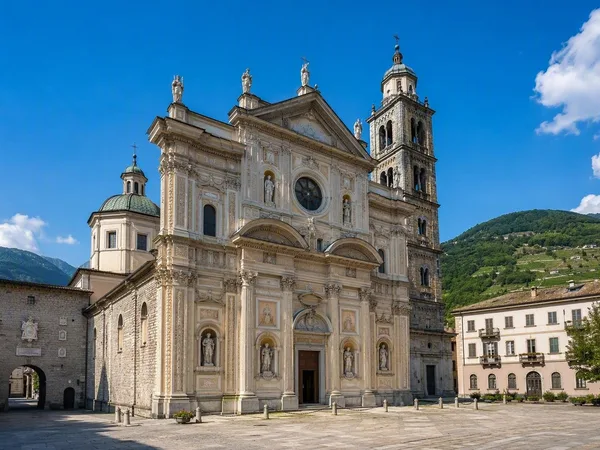
Tirano
2 linked stories and routes
Venice
2 linked stories and routes
Po Delta
1 linked stories and routes
Piazza Santo Spirito
1 linked stories and routes
Piazza Bellini, Palermo
1 linked stories and routes
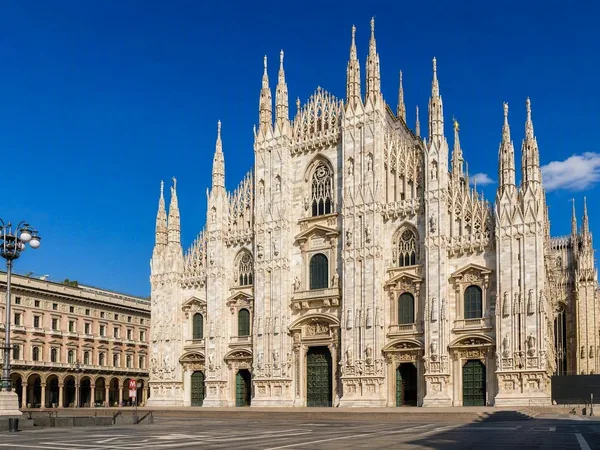
Milan
1 linked stories and routes
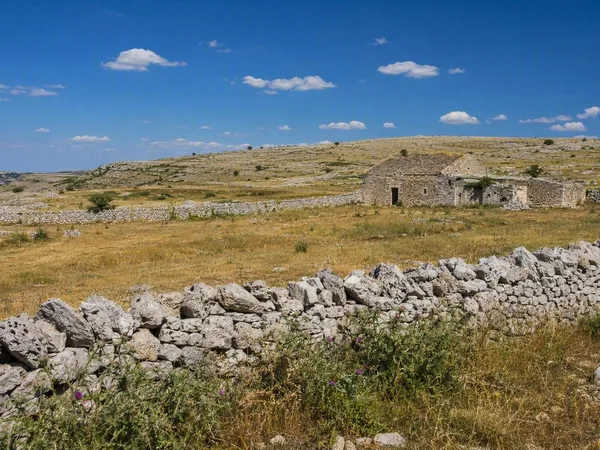
Murgia
1 linked stories and routes
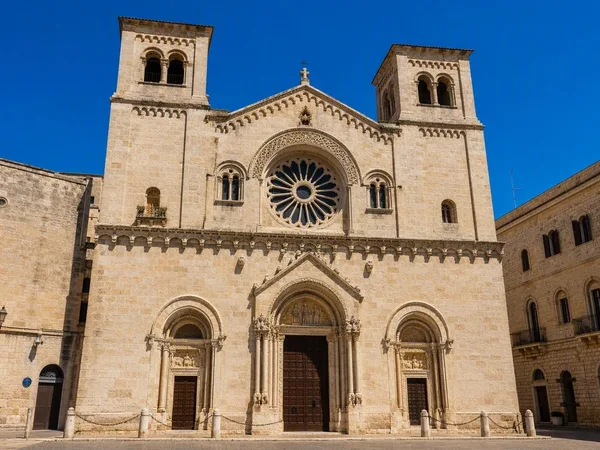
Altamura
1 linked stories and routes
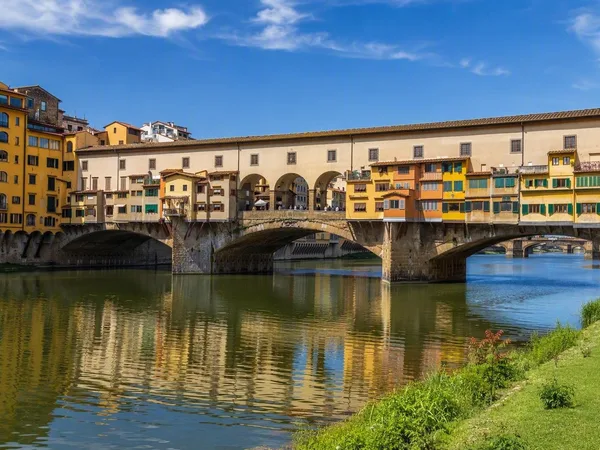
Ponte Vecchio
1 linked stories and routes
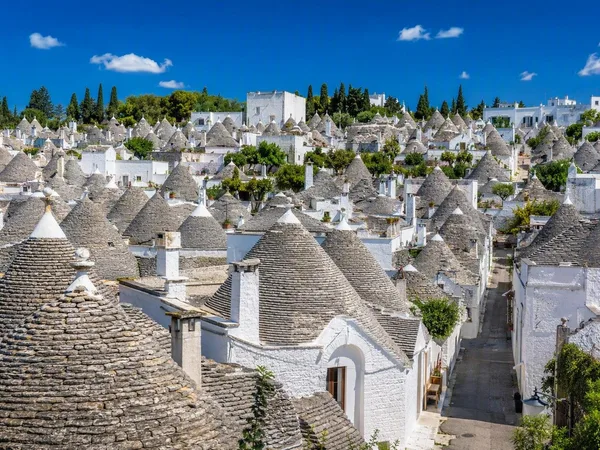
Alberobello
1 linked stories and routes
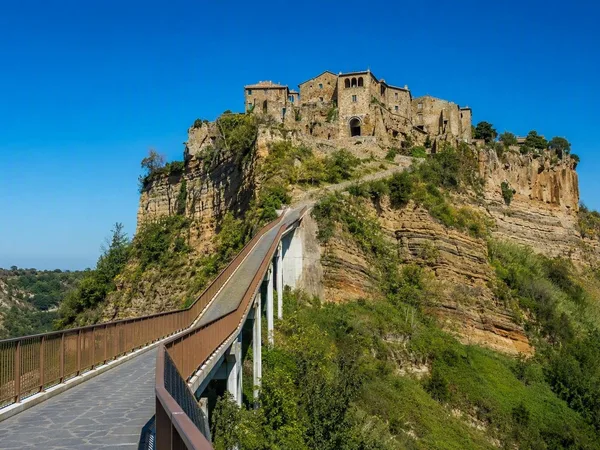
Civita di Bagnoregio
1 linked stories and routes
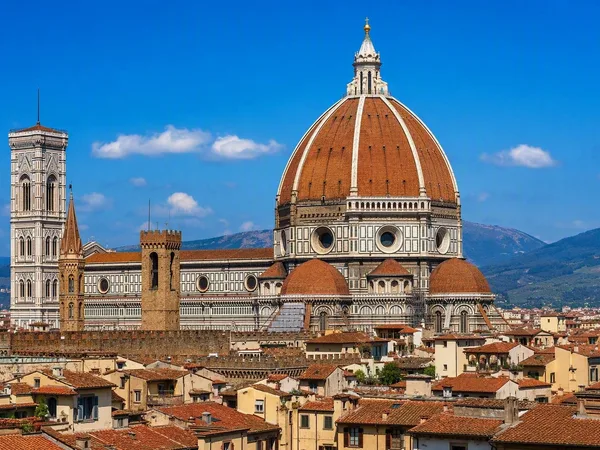
Florence
0 linked stories and routes
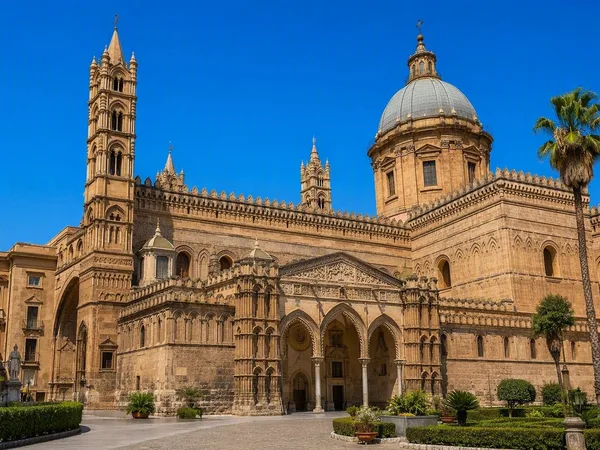
Palermo
0 linked stories and routes