
City · Italy
Rome
Rome is Italy’s capital on the Tiber, where the archaeological core of an ancient empire sits within a working modern city. Its historic centre brings Roman forums, papal architecture, piazzas and neighbourhood life into walkable range.
Get your bearings
Rome is best approached as a series of districts rather than a checklist. The Centro Storico runs roughly between the Tiber, Piazza Venezia, the Pantheon and Piazza di Spagna. South-east lies the ancient city: the Colosseum, Roman Forum, Palatine Hill and Circus Maximus. Across the river, Vatican City and St Peter’s sit beside Prati; Trastevere occupies the west bank farther south.
The historic centre is a World Heritage site whose layers run from ancient monuments to Renaissance and Baroque streets and squares. Distances look short on a map, but cobbles, crowds and frequent stops make walking slower than expected.
Build days around one area
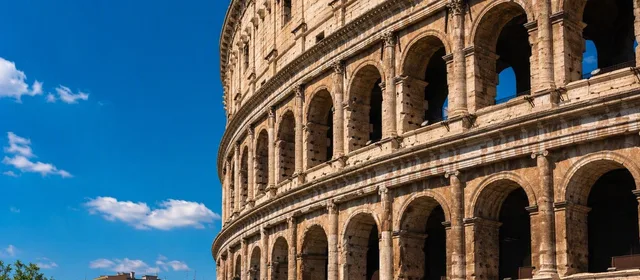
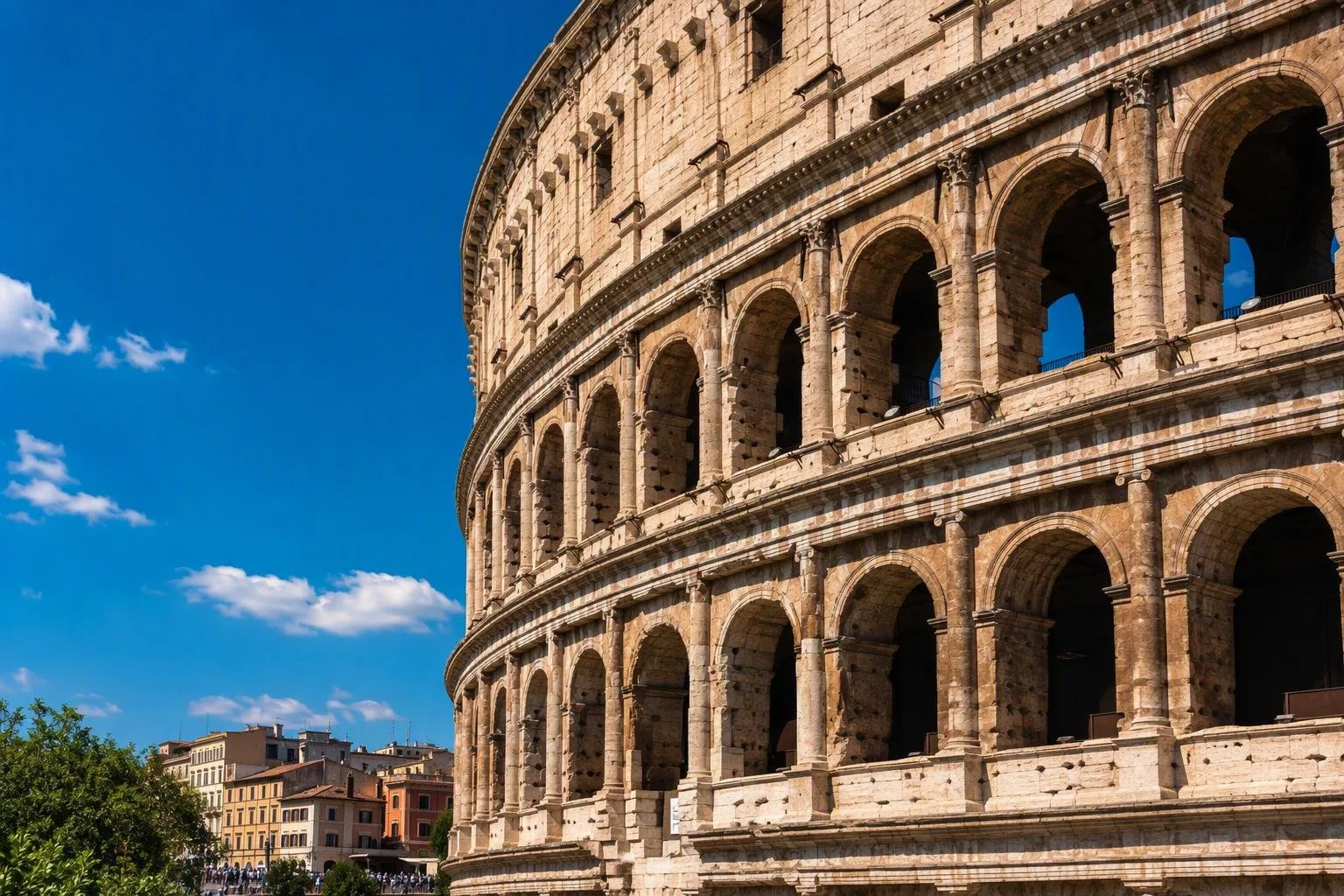
Give the major archaeological zone its own substantial block of time. The Colosseum is Rome’s Flavian Amphitheatre; continue through the Forum and up the Palatine for the imperial-city sequence. From the Campidoglio, look down over the Forum before descending toward Piazza Venezia.
For the central walk, link these places on foot:
- Pantheon: a former Roman temple, later a Christian church, beneath its vast concrete dome.
- Piazza Navona: shaped by the footprint of Domitian’s ancient stadium; Bernini’s Fountain of the Four Rivers stands at its centre.
- Trevi Fountain: Nicola Salvi’s 18th-century fountain, reached through the tight lanes east of Via del Corso.
- Piazza di Spagna: the Spanish Steps rise from the square to Trinità dei Monti.
On the Vatican side, St Peter’s Basilica, the Vatican Museums and Castel Sant’Angelo are close geographically but need separate time. St Peter’s Basilica has free entry; the dome and Treasury Museum are paid visits.
Neighbourhoods beyond the monuments
Use Monti after the Forum and Colosseum: its streets begin near Via Cavour and make a useful pause between the archaeological area and the centre. Trastevere, across the Tiber, is better treated as a neighbourhood walk than a quick crossing; follow its lanes after the Tiber Island or combine it with the Basilica of Santa Maria in Trastevere.
The Jewish Ghetto rewards a slower circuit around the Portico of Octavia and Theatre of Marcellus. Campo de’ Fiori has a morning produce market; Piazza Navona and the Pantheon area remain active well beyond museum hours.
Moving around
Walk within each cluster and use metro, tram or bus to bridge the gaps. Colosseo is on Metro B; the official city map places Circo Massimo on Metro B and San Giovanni on Metro A and C. A standard BIT ticket costs €1.50 and is valid for 100 minutes from first validation; on the metro it covers one journey. Validate it at the start and retain it throughout travel.
Driving warning: central Rome contains restricted-traffic zones (ZTLs) with controlled access. Do not follow a navigation route into them unless your vehicle has the required authorisation.
Practical rhythm
Start outdoor landmarks early, then use the hottest or busiest part of the day for an interior, a long lunch or a quieter district. Wear shoes suitable for uneven paving. Churches are active places of worship: dress and behave accordingly. For the main archaeological sites and Vatican Museums, allow time for security procedures and access controls rather than attempting to stack several major interiors into one morning.
From the magazine
Stories about Rome
Editorial stories linked directly to Rome.
No stories about Rome have been published yet.
Routes from our editors
Travel through Rome
Editorial routes connecting Rome with other countries, cities and hotspots.
No routes through Rome have been published yet.
More in Italy
Related hotspots
Other cities, nature areas and places within Italy.
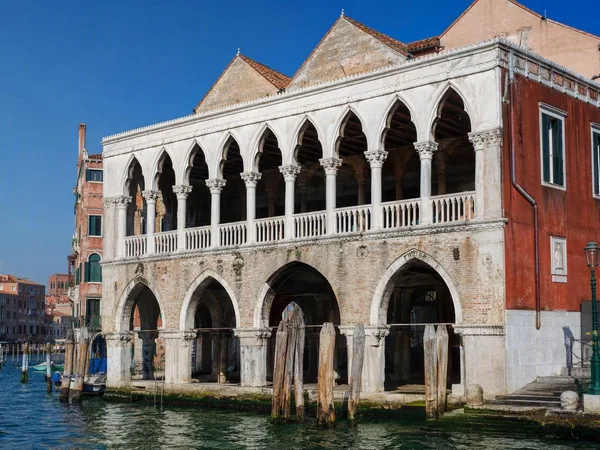
Venice
4 linked stories and routes
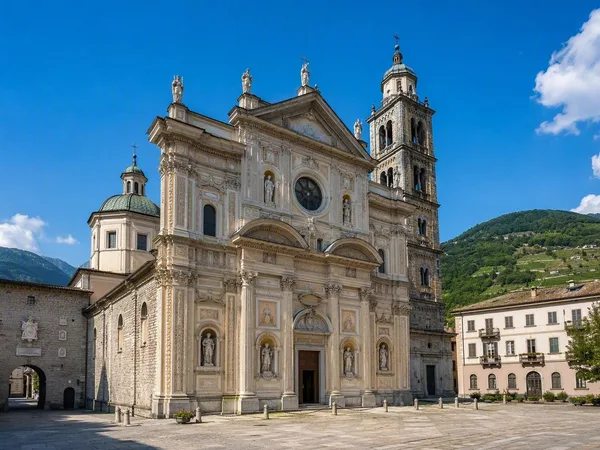
Tirano
2 linked stories and routes
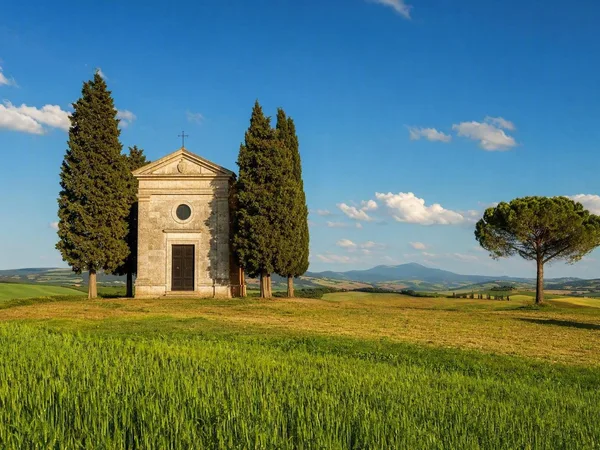
Val d’Orcia
1 linked stories and routes
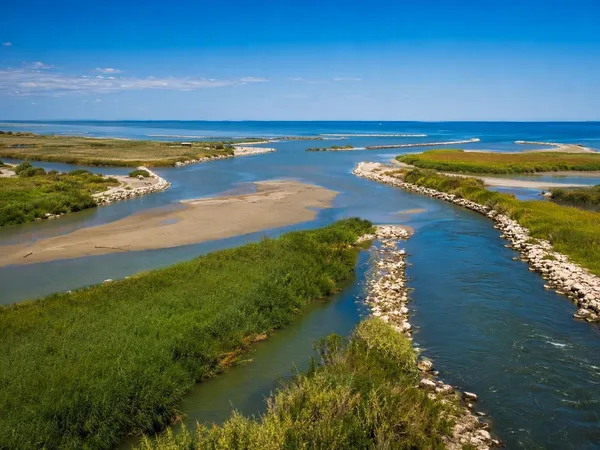
Po Delta
1 linked stories and routes
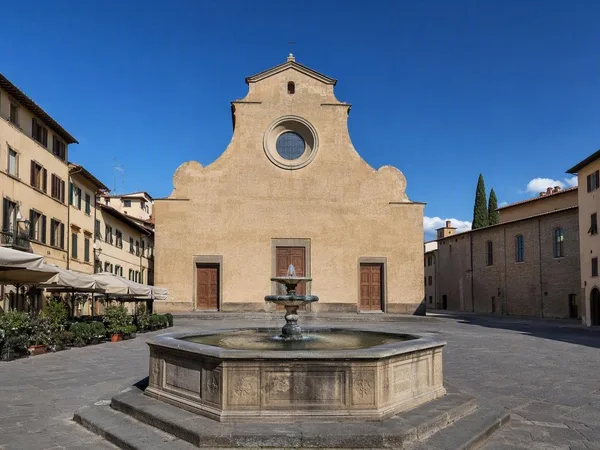
Piazza Santo Spirito
1 linked stories and routes
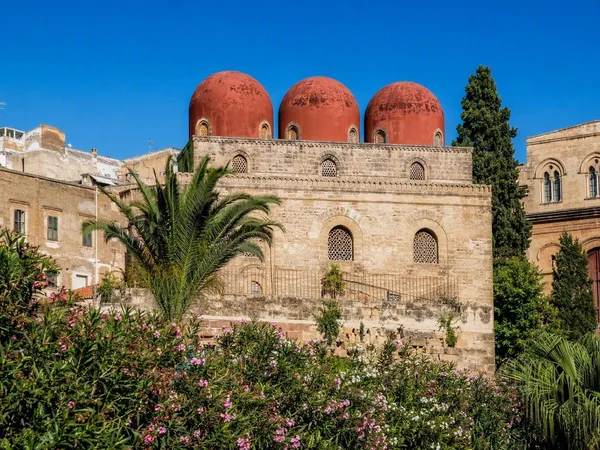
Piazza Bellini, Palermo
1 linked stories and routes
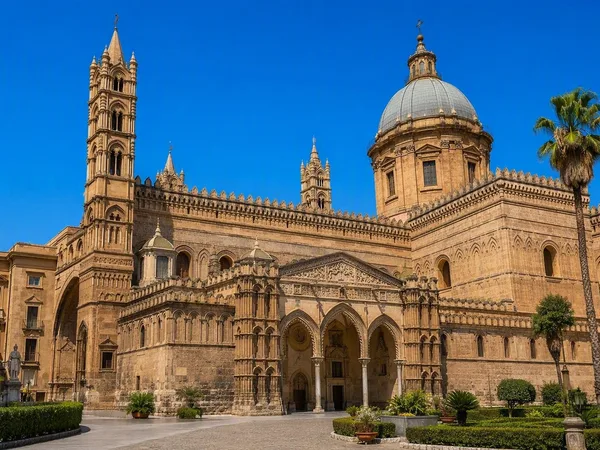
Palermo
1 linked stories and routes
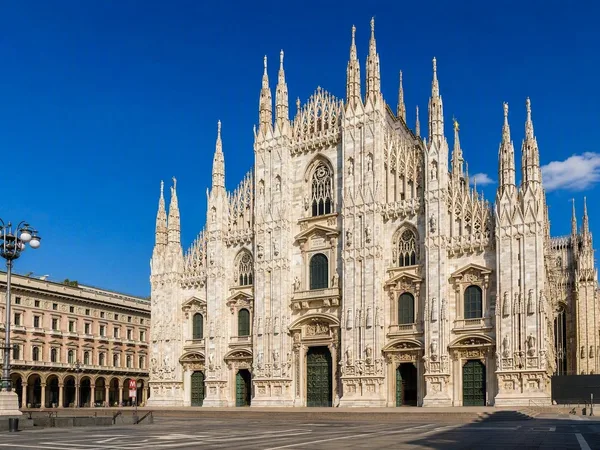
Milan
1 linked stories and routes
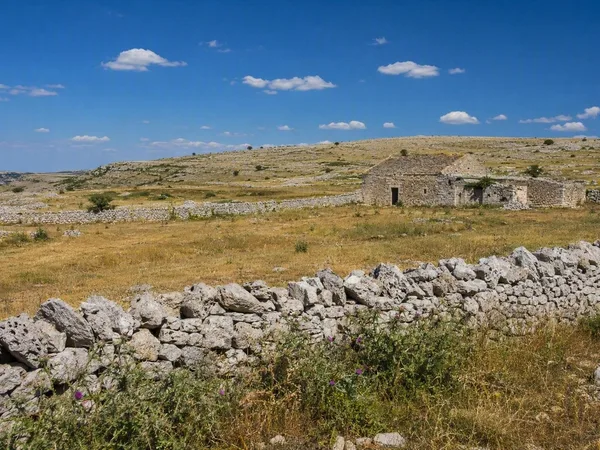
Murgia
1 linked stories and routes
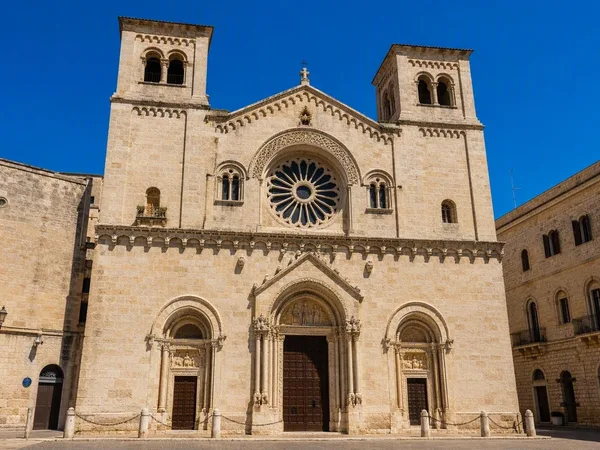
Altamura
1 linked stories and routes
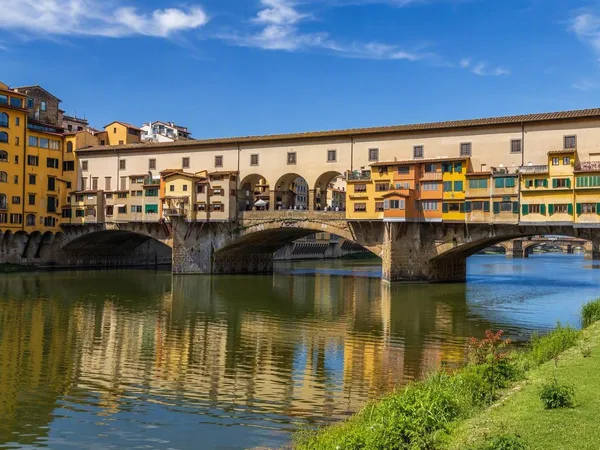
Ponte Vecchio
1 linked stories and routes
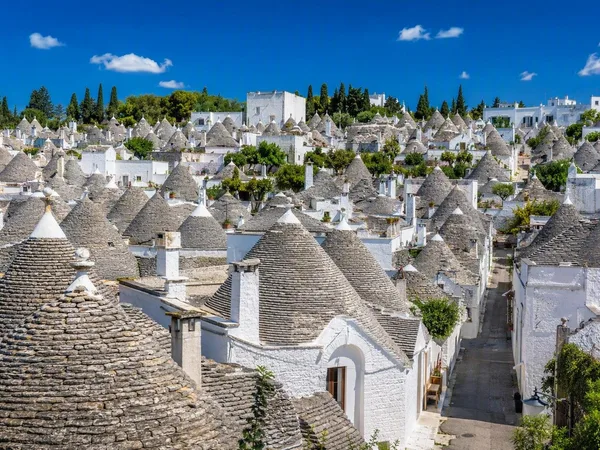
Alberobello
1 linked stories and routes
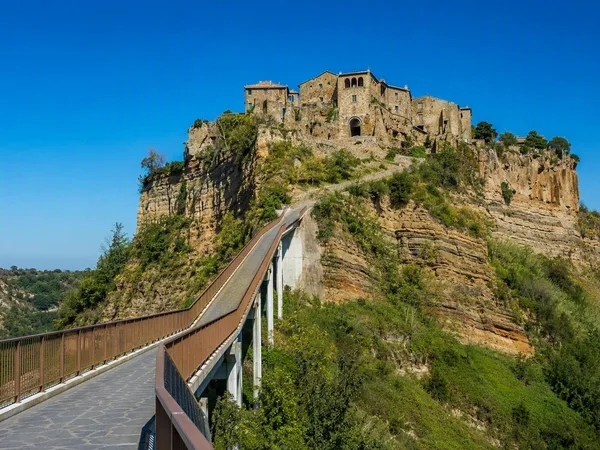
Civita di Bagnoregio
1 linked stories and routes
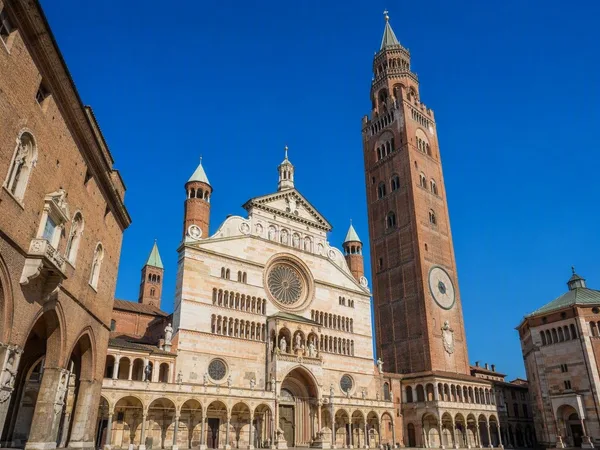
Cremona
1 linked stories and routes
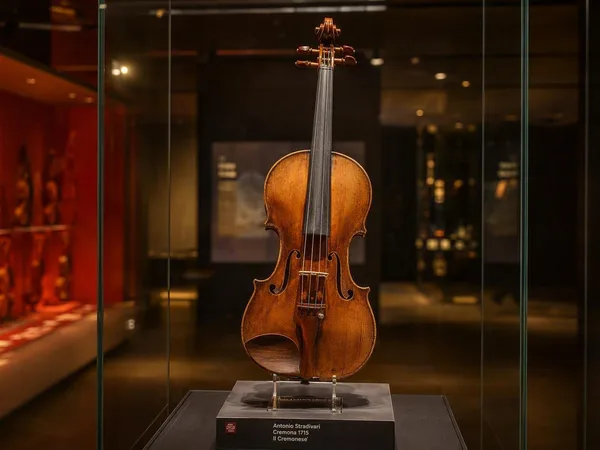
Museo del Violino
1 linked stories and routes
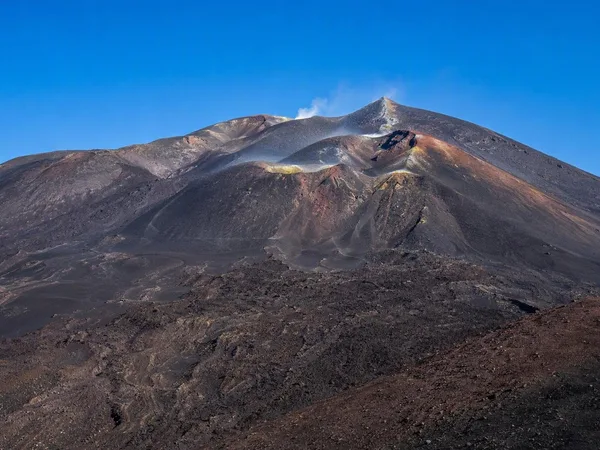
Sicily
1 linked stories and routes
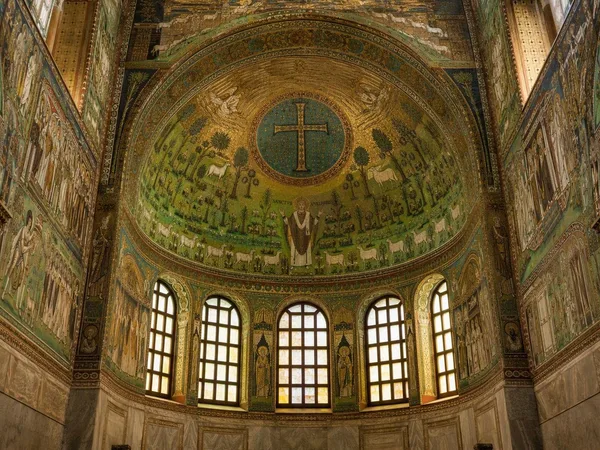
Romagna
1 linked stories and routes
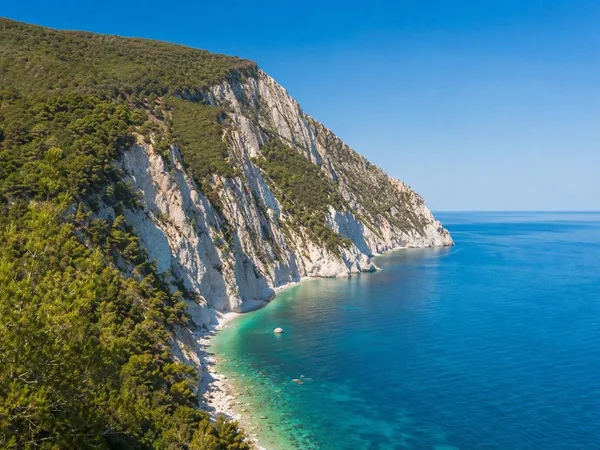
Marche
1 linked stories and routes
Florence
0 linked stories and routes