
Region · Italy
Romagna
Romagna is the historic region of south-eastern Emilia-Romagna, stretching from the Adriatic coast through art cities and inland valleys to the Tuscan-Romagnol Apennines. Use Ravenna, Rimini and Forlì-Cesena as the main gateways to its mosaics, coast, food and walking country.
Know the shape of the region
Romagna is a historical and cultural region rather than a single administrative unit. In Italy, its core covers the provinces of Ravenna, Forlì-Cesena and Rimini, plus territory east of the Sillaro around Bologna. The Adriatic lies to the east; plains, river valleys and the Apennines run inland.
Treat it as a multi-stop destination, not a place to tick off from one base. Ravenna works for mosaics and the northern coast; Rimini for the southern coast and Valmarecchia; Forlì or Cesena for the central hills and mountain approaches.
Build an itinerary around three strands
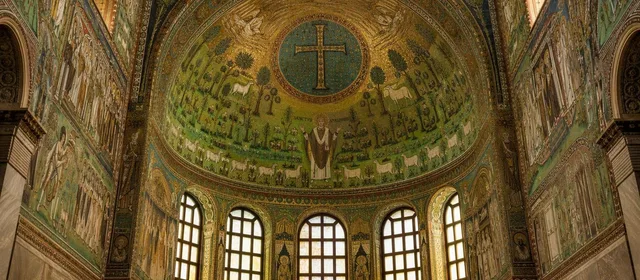
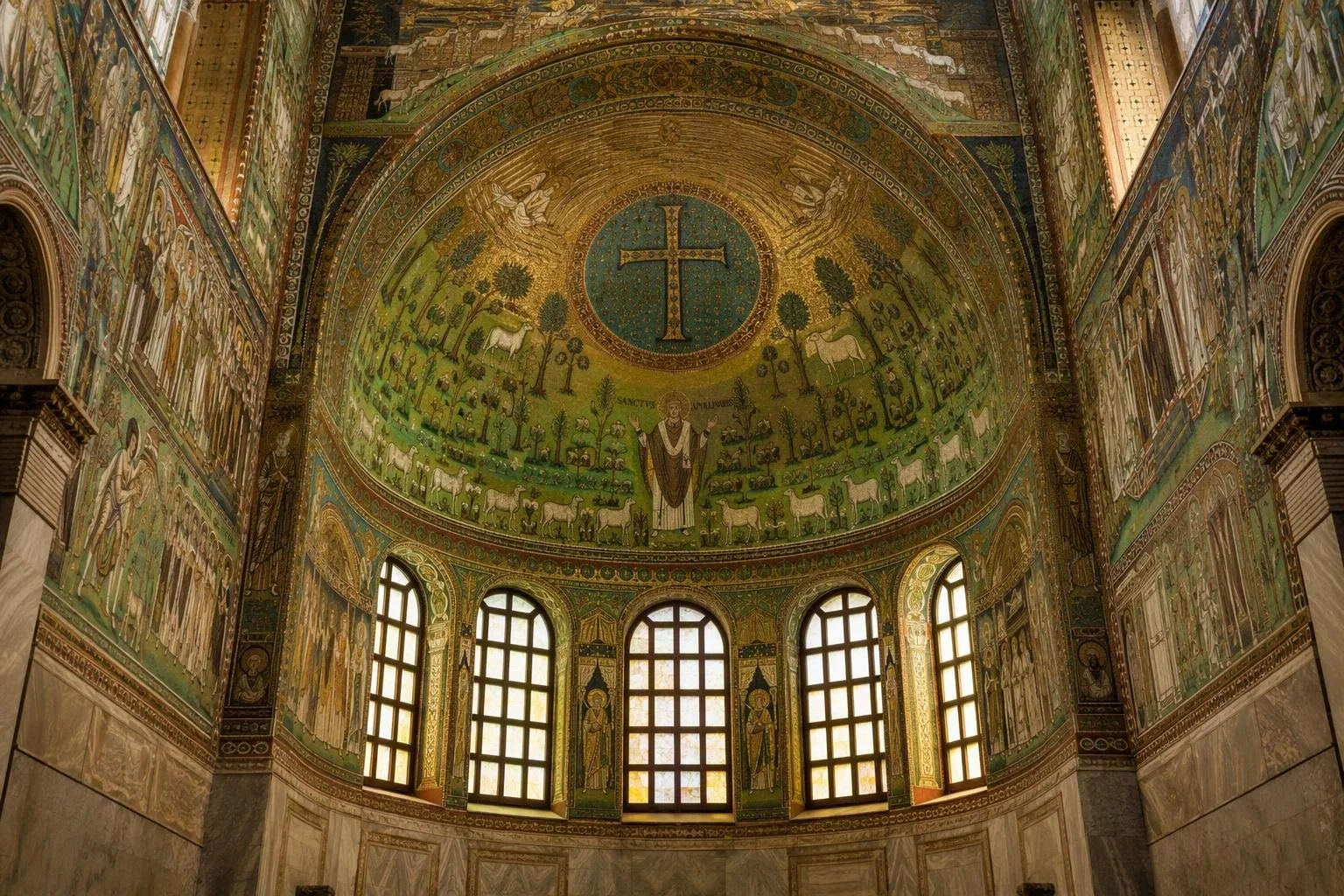
Ravenna is the cultural anchor. Its eight UNESCO-listed early Christian monuments include San Vitale, the Mausoleum of Galla Placidia, Sant’Apollinare Nuovo and Sant’Apollinare in Classe. Their fifth- and sixth-century mosaics are the region’s defining historical sight.
The Adriatic corridor joins beach towns, ports and coastal cycle routes. It is straightforward for short stays, while the inland side changes quickly into vineyards, fortified villages and valleys.
The Apennine interior is for walking rather than rapid sightseeing. In the Casentinesi Forests National Park, the trail network exceeds 600 km; nine signed nature trails provide shorter, more accessible introductions. Pick a route suited to your ability and check current trail conditions before setting out.
Eat the regional staples
Order piadina romagnola as a meal, not a side. This PGI flatbread is made with soft-wheat flour, water, salt and lard and/or oil, then cooked on a hot plate. Around Rimini and Riccione it is notably thin; toward Forlì and Ravenna it is thicker.
Common fillings are squacquerone, cured meats and greens. Look for handmade egg pasta too: cappelletti, passatelli, tagliatelle and strozzapreti are useful menu markers. Along the coast, add Adriatic fish; inland, pair pasta, cheese and cured pork with Sangiovese.
Getting around
Ravenna, Forlì, Cesena and Rimini are the practical rail-and-bus nodes. The Start Romagna network covers the Ravenna, Forlì-Cesena and Rimini areas, with urban and interurban services; use its journey planner for local connections.
A car makes the hills, small villages and trailheads substantially easier. Avoid trying to combine Ravenna, the far south of the Riviera and mountain walks in one day: the region is broad, and the worthwhile parts lie away from the main coastal line.
Timing and access
Use the coast for beach time and the cities for culture, but give Ravenna’s mosaic sites unhurried time: they are separate buildings, not one museum. For the hills and forests, carry water, proper footwear and offline mapping; mountain weather and path conditions can change the practical difficulty of a route.
From the magazine
Stories about Romagna
Editorial stories linked directly to Romagna.
No stories about Romagna have been published yet.
Routes from our editors
Travel through Romagna
Editorial routes connecting Romagna with other countries, cities and hotspots.
No routes through Romagna have been published yet.
More in Italy
Related hotspots
Other cities, nature areas and places within Italy.
Venice
4 linked stories and routes
Rome
3 linked stories and routes
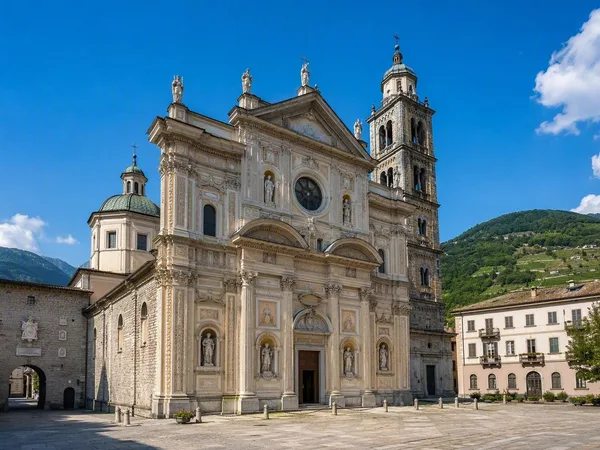
Tirano
2 linked stories and routes
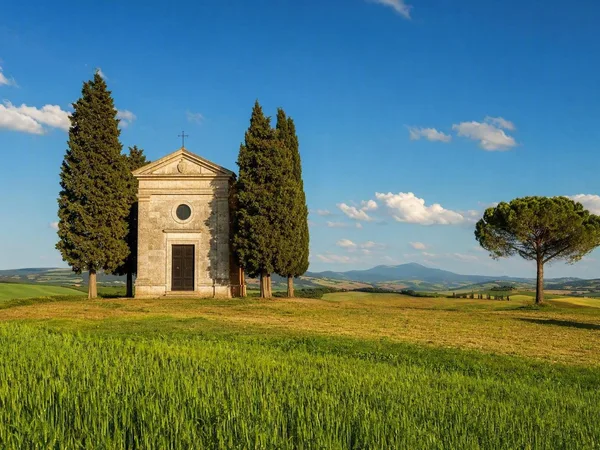
Val d’Orcia
1 linked stories and routes
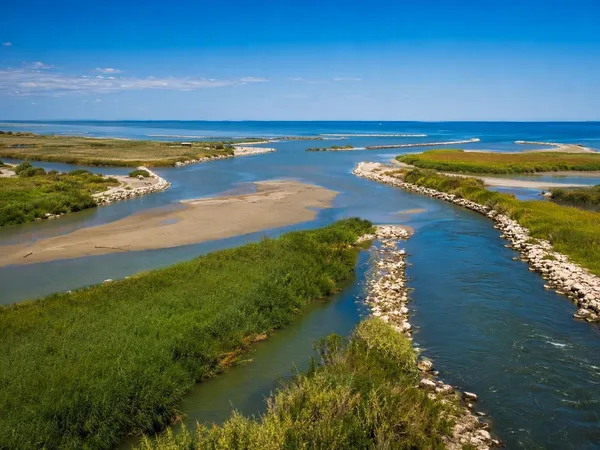
Po Delta
1 linked stories and routes
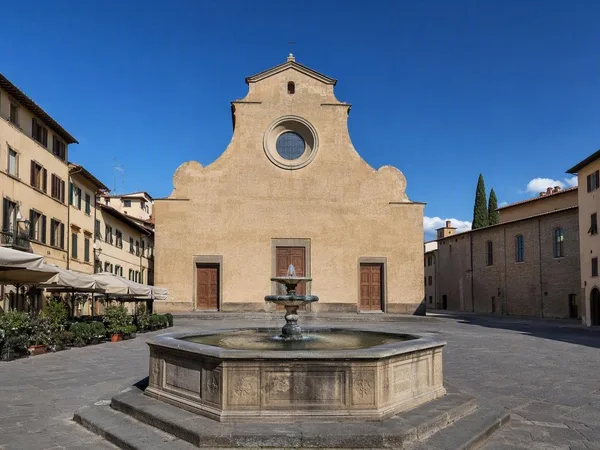
Piazza Santo Spirito
1 linked stories and routes
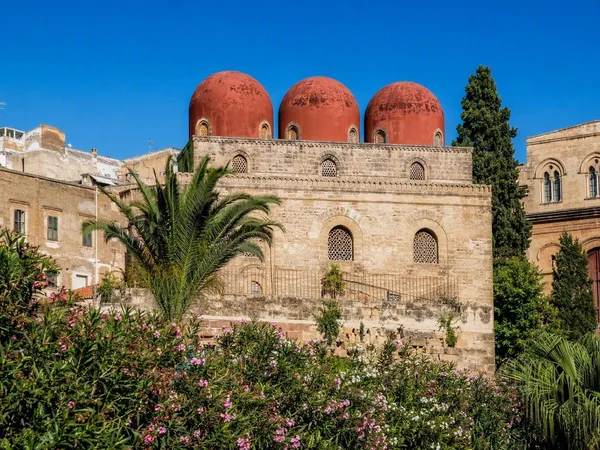
Piazza Bellini, Palermo
1 linked stories and routes
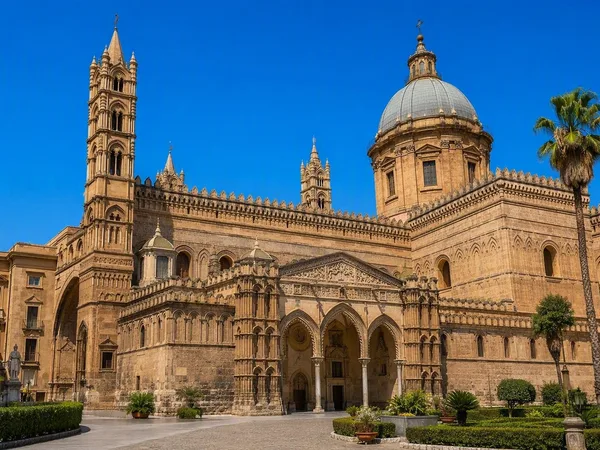
Palermo
1 linked stories and routes
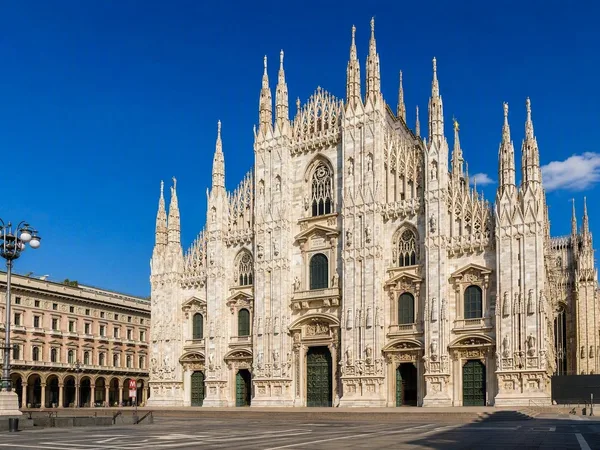
Milan
1 linked stories and routes
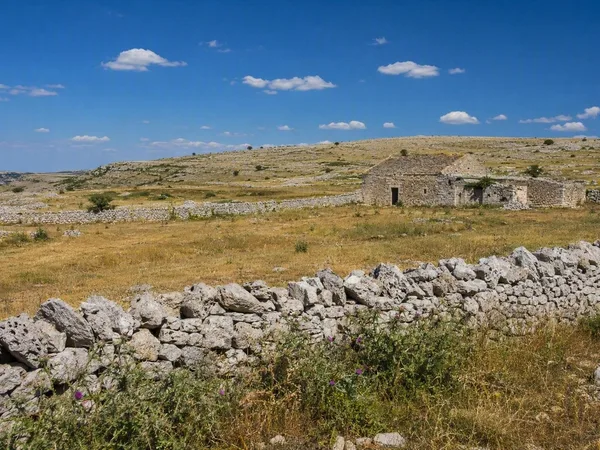
Murgia
1 linked stories and routes
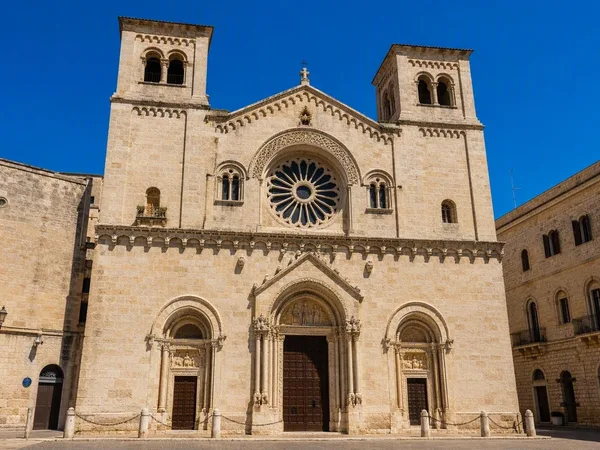
Altamura
1 linked stories and routes
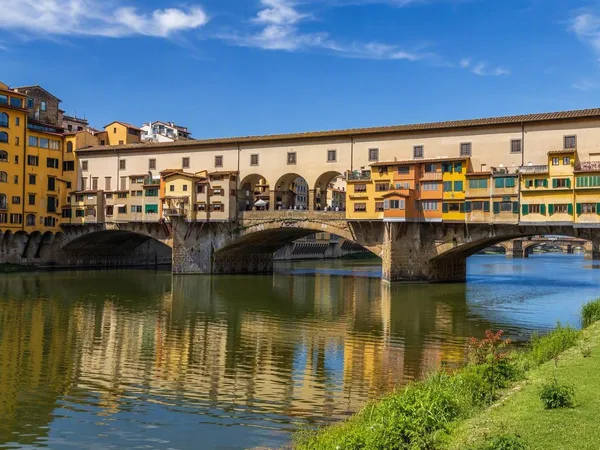
Ponte Vecchio
1 linked stories and routes
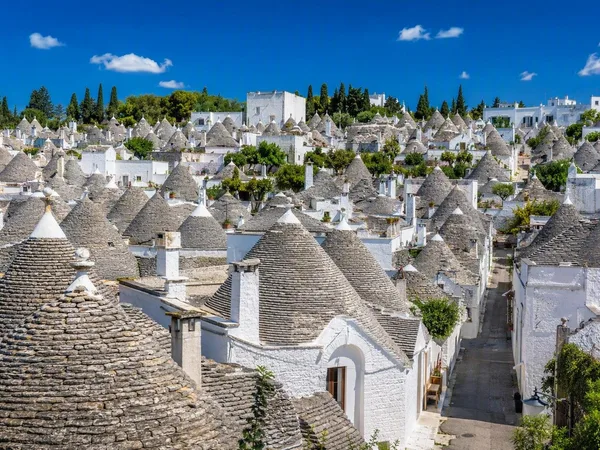
Alberobello
1 linked stories and routes
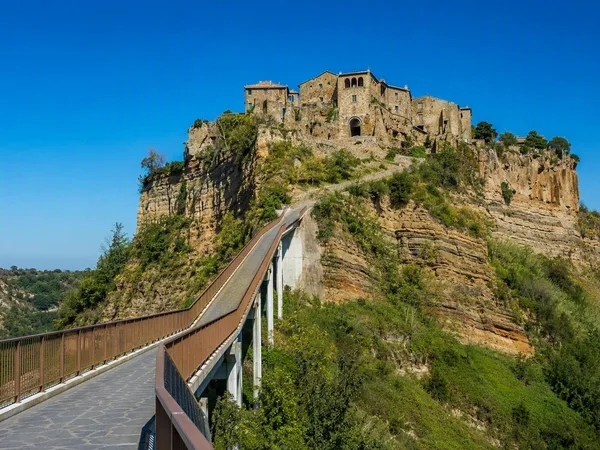
Civita di Bagnoregio
1 linked stories and routes
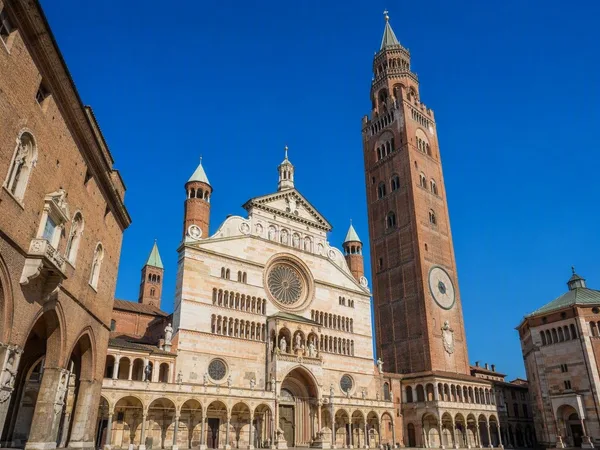
Cremona
1 linked stories and routes
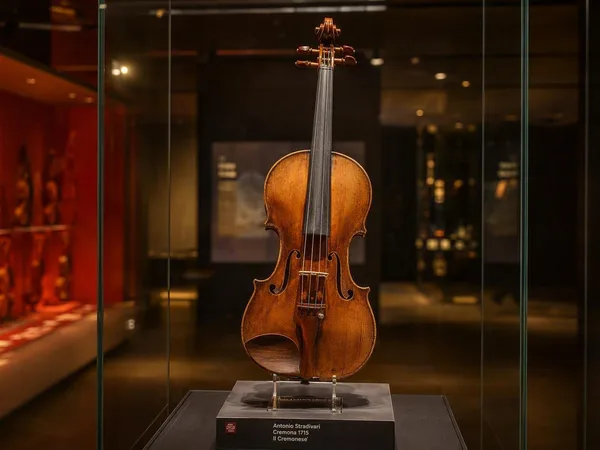
Museo del Violino
1 linked stories and routes
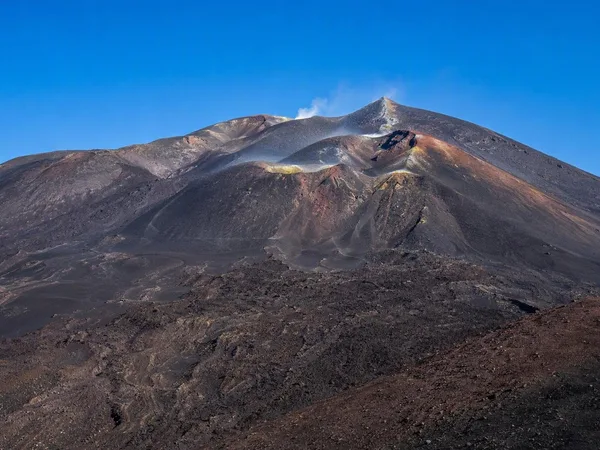
Sicily
1 linked stories and routes
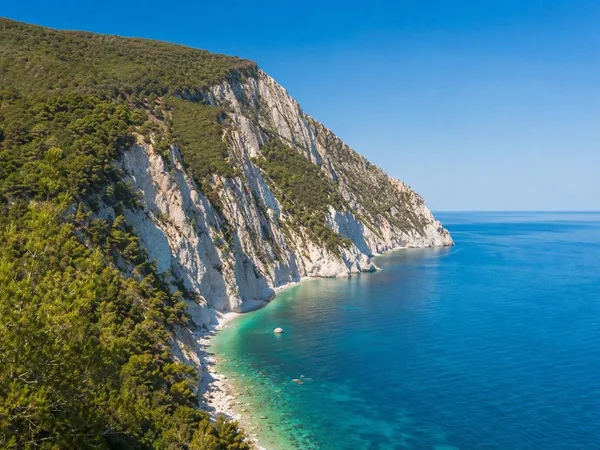
Marche
1 linked stories and routes
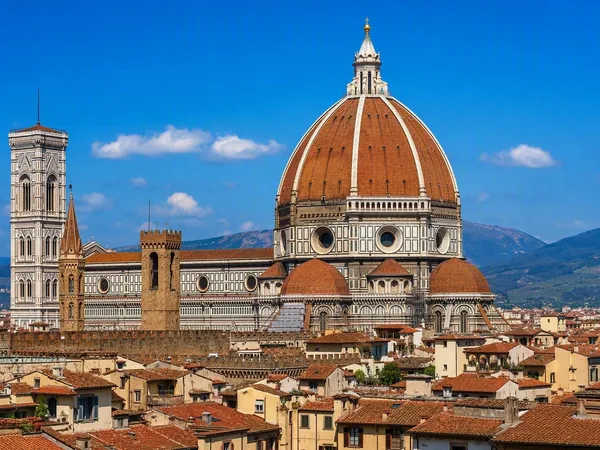
Florence
0 linked stories and routes