
City · Italy
Cremona
Cremona is a city in southern Lombardy, close to the Po, where violin making remains a working urban craft alongside a tightly packed medieval centre.
Start at Piazza del Comune
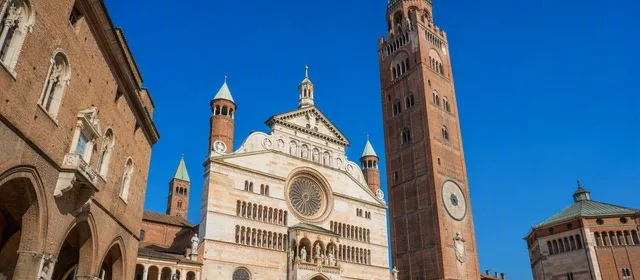
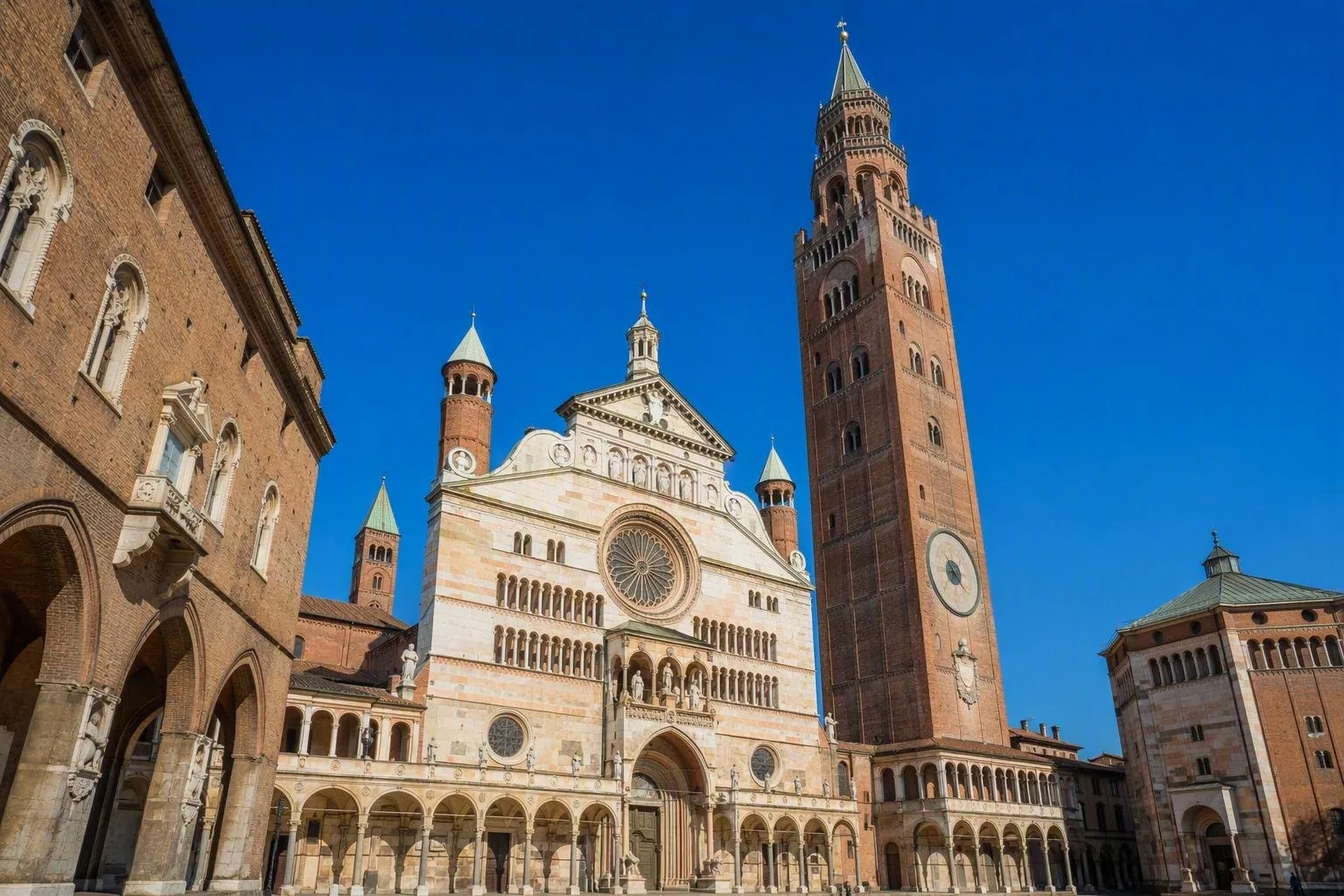
Cremona’s historic core is arranged around Piazza del Comune. The Cathedral, octagonal Baptistery, civic buildings and the Torrazzo make this the right first stop: it explains the city’s medieval scale before you turn to its musical identity.
The Cathedral combines Romanesque foundations with later Gothic work and holds major Renaissance frescoes. Beside it, the brick Torrazzo carries an astronomical clock installed in 1583; its original mechanism still operates. The tower’s Vertical Museum follows the history of timekeeping and astronomy.
Know before climbing: the Torrazzo ascent has 502 steps and requires a ticket. It is a serious stair climb, not an accessible viewpoint.
The violin-making city
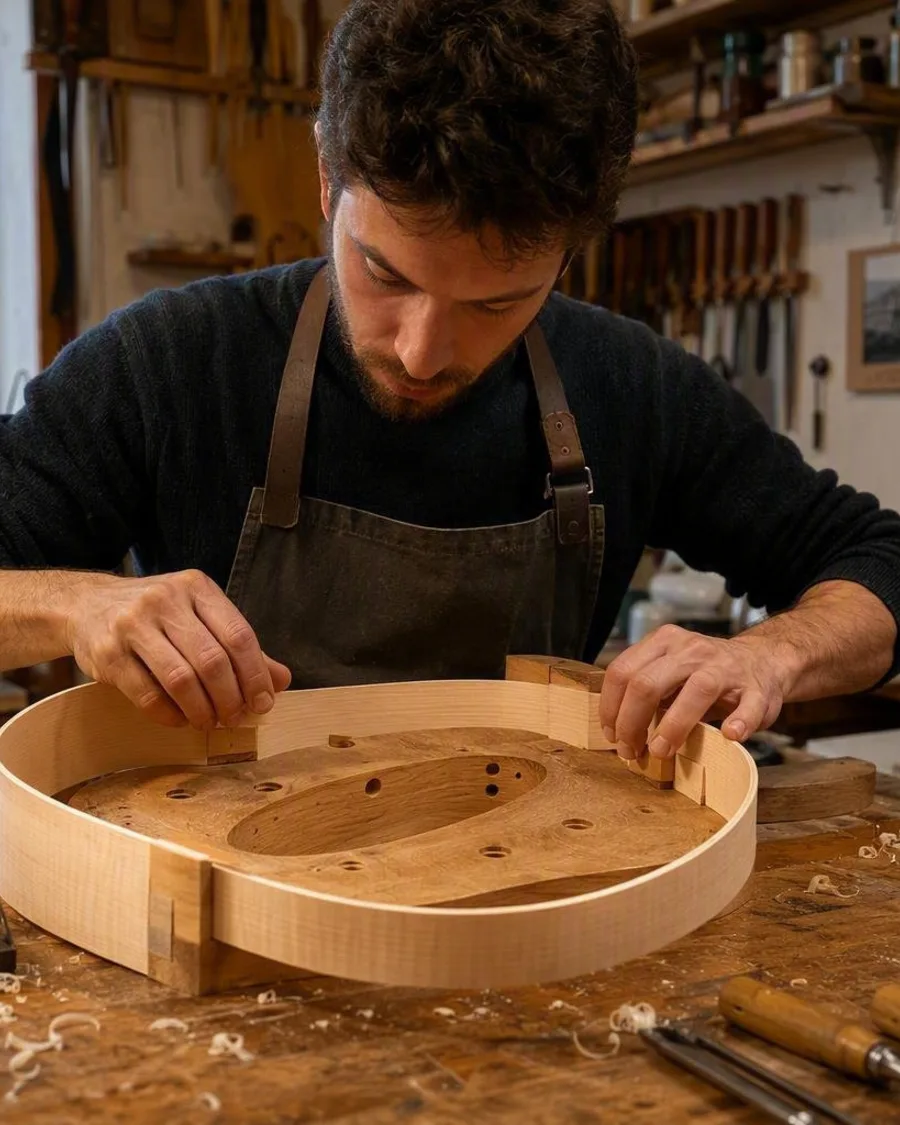
Cremona’s violin tradition took shape in the sixteenth century through the Amati workshop and later makers including Stradivari, Guarneri, Rugeri and Bergonzi. It is not merely a museum story. Traditional local makers still build and restore violins, violas, cellos and double basses through hand work, formal training and workshop apprenticeship.
A Cremonese instrument is built around an inner mould from individually selected, naturally seasoned wood; more than 70 wooden components are shaped and assembled by hand. This working knowledge, rather than a particular old instrument, is what received UNESCO intangible-heritage recognition in 2012.
Museo del Violino
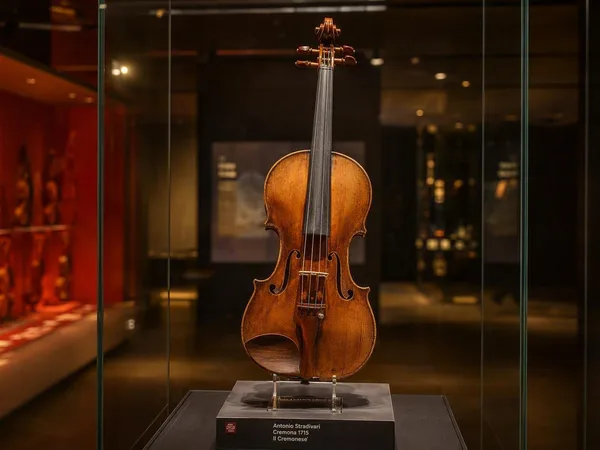
Make the Museo del Violino on Piazza Marconi the essential indoor stop. Its galleries trace five centuries of Cremonese making, from Amati, Stradivari and Guarneri to twentieth-century competition winners and contemporary makers.
The strongest room is the treasure display of historic instruments. Also allow time for the workshop material: the museum holds more than 700 Stradivari drawings, moulds and tools. That evidence is the useful corrective to the usual Stradivari mythology—Cremona’s reputation rests on a network of makers, methods and successors.
The museum is ticketed and normally closed on Mondays. Historic-instrument auditions are sometimes programmed in the Giovanni Arvedi Auditorium; treat them as a separate timed experience.
Walk the working craft
From Piazza Marconi, walk through the central streets rather than searching for one definitive “violin district.” Workshops and institutions are spread through the historic centre. Look for instruments, timber and tools in luthier windows, but do not assume a showroom or window display gives access to the bench room. Visits to working workshops require the maker’s agreement.
This is a compact city centre: walk between Piazza del Comune, Piazza Stradivari and Piazza Marconi. Local buses serve the centre, while drivers should use the public parking facilities around its edge rather than trying to navigate the historic core.
A practical order for one day
- Begin at Piazza del Comune for the Cathedral, Baptistery and Torrazzo.
- Climb the tower early if the steps are part of the plan.
- Visit the Museo del Violino after the square; give it unhurried time.
- Finish on foot through the central streets, keeping workshop visits only where access has been explicitly arranged.
From the magazine
Stories about Cremona
Editorial stories linked directly to Cremona.
Routes from our editors
Travel through Cremona
Editorial routes connecting Cremona with other countries, cities and hotspots.
No routes through Cremona have been published yet.
More in Italy
Related hotspots
Other cities, nature areas and places within Italy.
Venice
4 linked stories and routes
Rome
3 linked stories and routes
Tirano
2 linked stories and routes
Val d’Orcia
1 linked stories and routes
Po Delta
1 linked stories and routes
Piazza Santo Spirito
1 linked stories and routes
Piazza Bellini, Palermo
1 linked stories and routes
Palermo
1 linked stories and routes
Milan
1 linked stories and routes
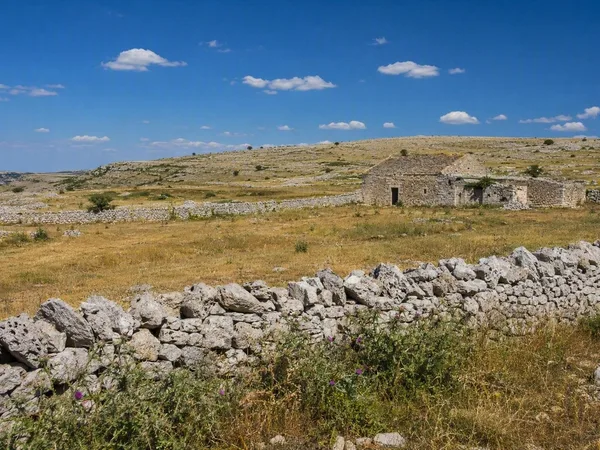
Murgia
1 linked stories and routes
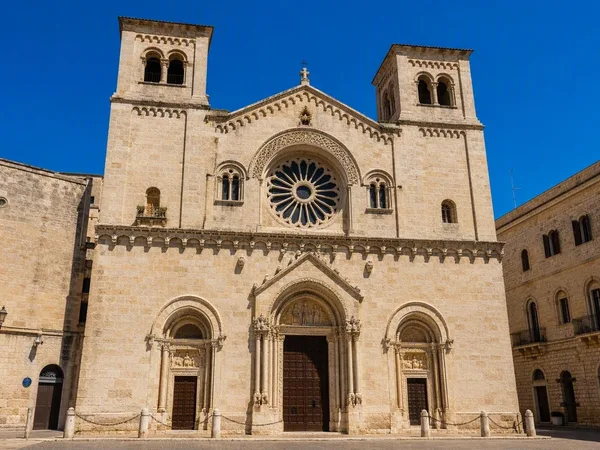
Altamura
1 linked stories and routes
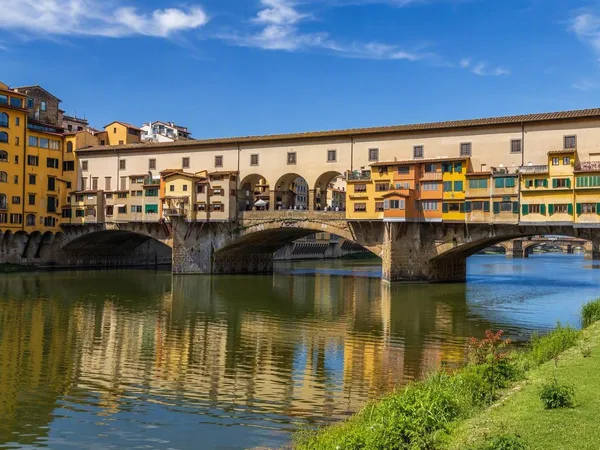
Ponte Vecchio
1 linked stories and routes
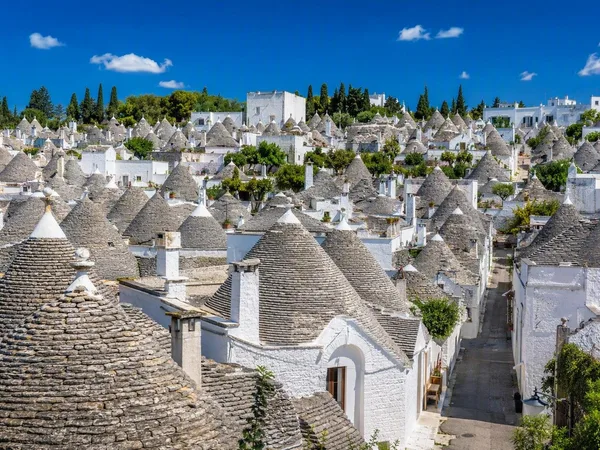
Alberobello
1 linked stories and routes
Civita di Bagnoregio
1 linked stories and routes
Museo del Violino
1 linked stories and routes
Sicily
1 linked stories and routes
Romagna
1 linked stories and routes
Marche
1 linked stories and routes
Florence
0 linked stories and routes