
City · Italy
Venice
Venice is a lagoon city in northeastern Italy, built across 118 small islands and threaded by the Grand Canal and smaller canals. Its streets, quays and markets still reveal the working logic of a former maritime trading power.
Orientation
Venice is a compact historic city set in a lagoon rather than on a mainland street grid. The Grand Canal makes a broad S through the centre; narrow rii branch off it, while footpaths run through calli, over bridges and into small squares called campi. Water is not scenery here: it is the city’s original circulation system.
The six historic districts are useful bearings. San Marco holds the ceremonial core; San Polo contains Rialto; Cannaregio stretches north of the Grand Canal; Castello runs east towards the Arsenale. Expect distances to be short on a map and slower on foot than they appear.
Read the trading city at Rialto
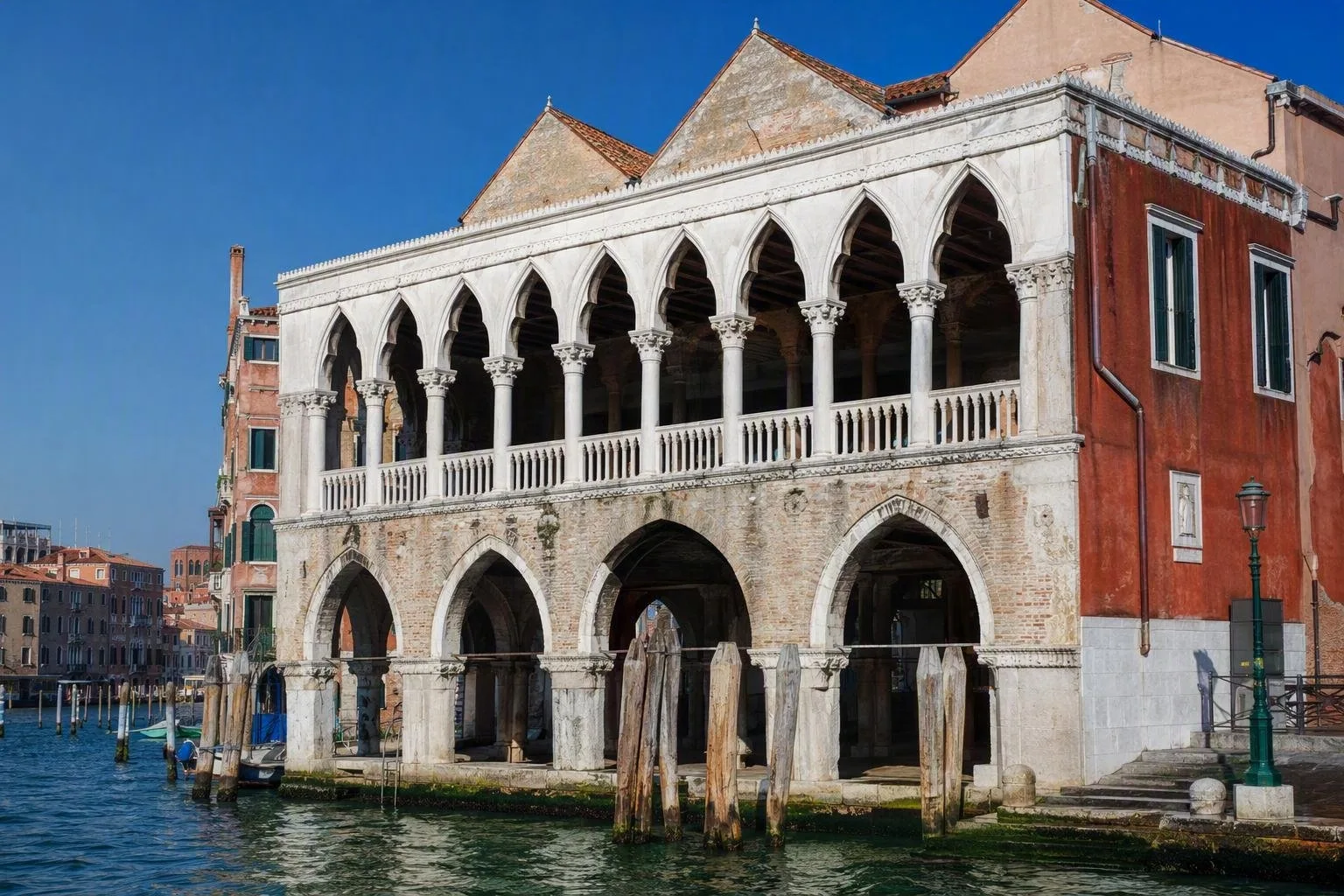
Rialto, on the San Polo side of the Rialto Bridge, is the clearest surviving commercial quarter. Trade has taken place on this bend of the Grand Canal since the 11th century. Follow the route between Campo San Giacometto, the old Banco Giro arcades, Campo della Pescaria and Campo dell’Erberia to see how market space, quays, covered streets and merchant activity fitted together.
The working market has two parts:
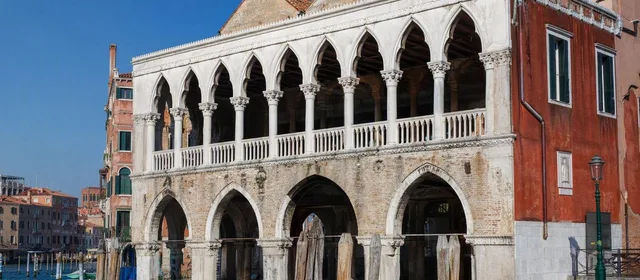
- Pescheria: fish and shellfish beneath the neo-Gothic loggias.
- Erberia: fruit and vegetable stalls around the adjoining campo.
Look for lagoon and Adriatic catch, cuttlefish, clams and mantis shrimp; spring brings castraure, the first artichoke buds from Sant’Erasmo. The market is a place of trade, not a staged display: keep clear of counters and loading routes.
Major landmarks, in context
At the eastern end of the city, Piazza San Marco concentrates the Basilica, Doge’s Palace and the monumental waterfront. It was the public face of a republic whose influence reached across the Adriatic and Mediterranean.
For the industrial side of that history, continue into Castello to the Arsenale. Its walled docks, workshops and shipbuilding infrastructure explain how Venice supported naval and commercial power. The contrast with Rialto is useful: one district handled exchange and finance, the other built the vessels.
Moving around
Walking is the best way to understand the historic centre; use water buses to cross longer stretches of the Grand Canal or reach districts and islands. At Rialto, the Rialto Mercato and San Silvestro stops serve the market area.
Bridges and narrow paving are part of every route. For step-free travel, use the city’s accessible itineraries and water-bus connections rather than assuming the shortest walking route will work.
Timing Rialto
The fish market operates Tuesday to Saturday, 07:00–14:00; it is closed Sunday and Monday. The fruit and vegetable market runs Monday to Saturday, 07:00–20:00. Go in the morning, when the fish stalls are fully active; by early afternoon the market rhythm has largely ended.
From the magazine
Stories about Venice
Editorial stories linked directly to Venice.
The 10 Cities Best Understood from the Water
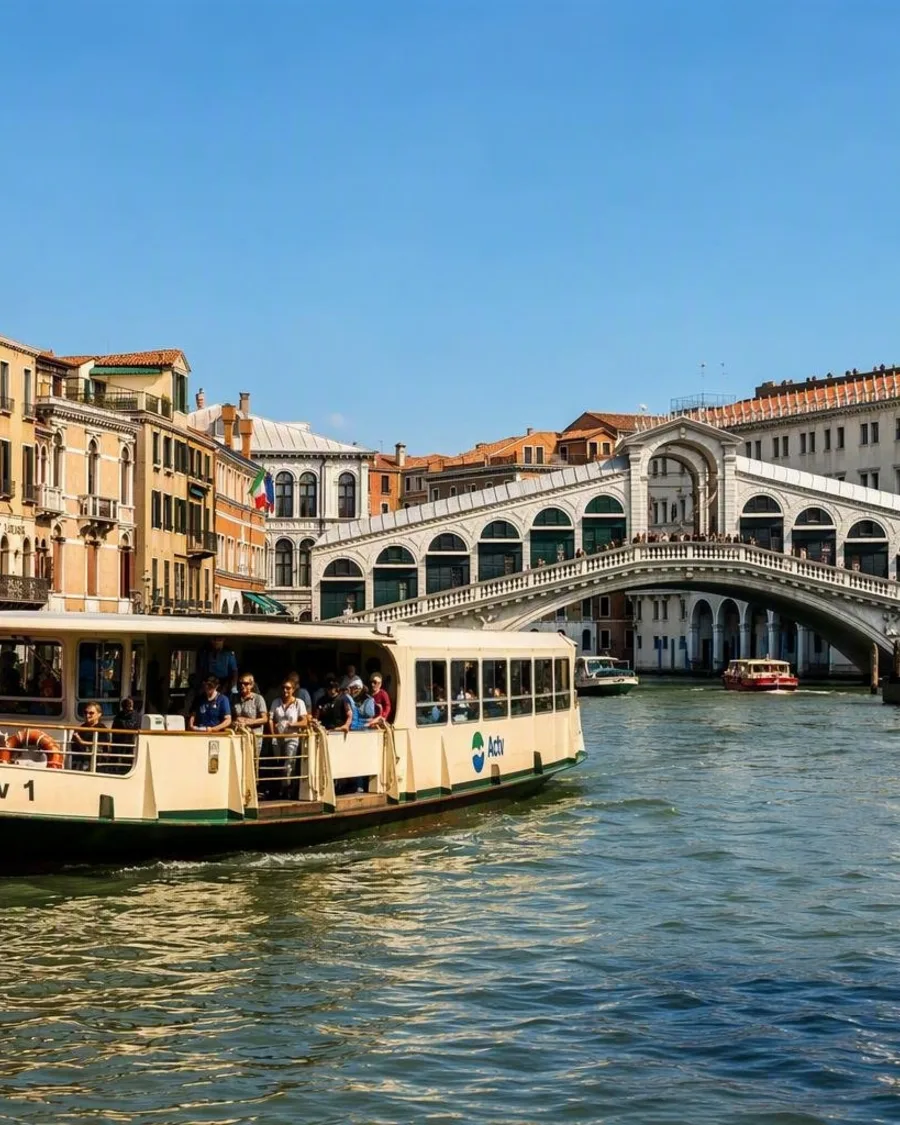
A fine skyline is not enough. In these ten cities, a ferry or small boat reveals how trade, terrain, buildings and daily travel grew around a river, canal or bay.
Ten trading cities where the old streets still work
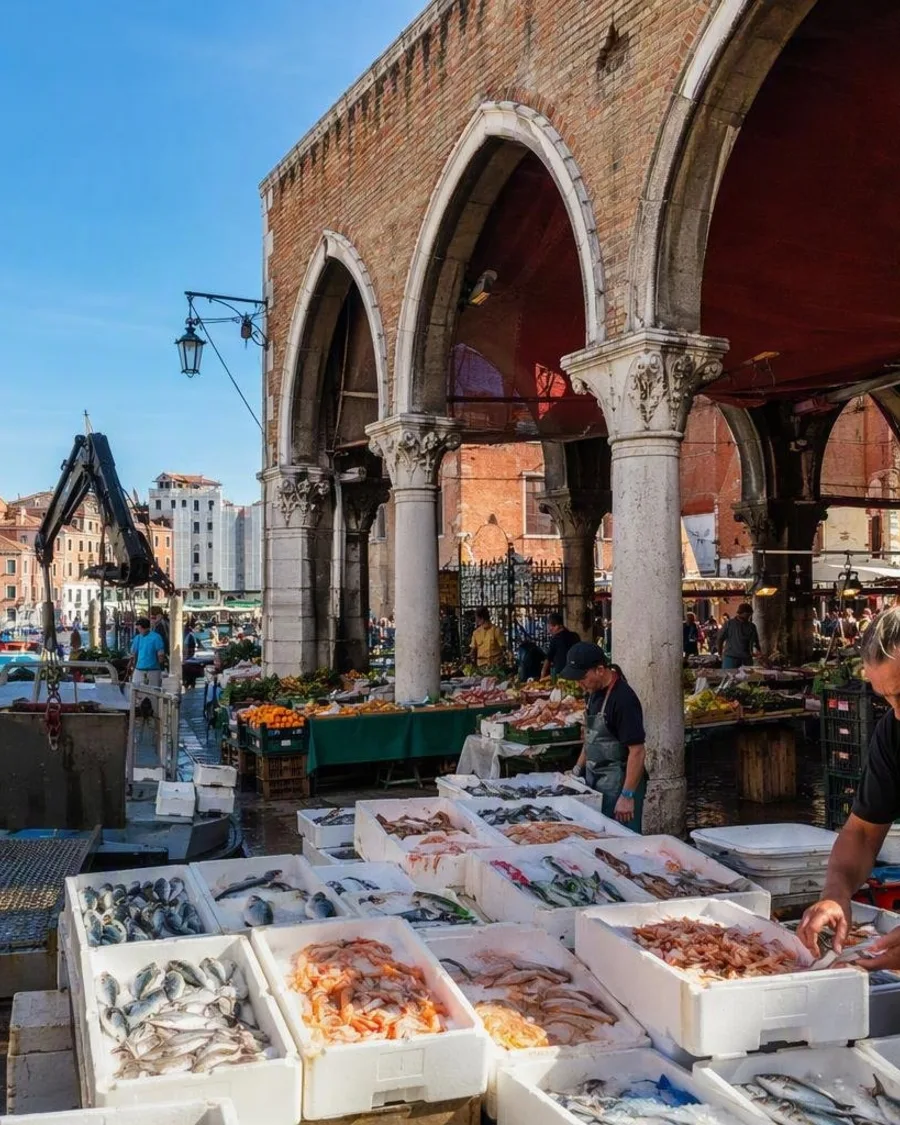
At Venice’s Rialto market, fishers and wholesalers still sell the morning catch beside open-air fruit and vegetable stalls. Across ten old trading cities, quays, lanes, workshops and fortifications still show how goods once moved and how people use these places now.
Routes from our editors
Travel through Venice
Editorial routes connecting Venice with other countries, cities and hotspots.
No routes through Venice have been published yet.
More in Italy
Related hotspots
Other cities, nature areas and places within Italy.
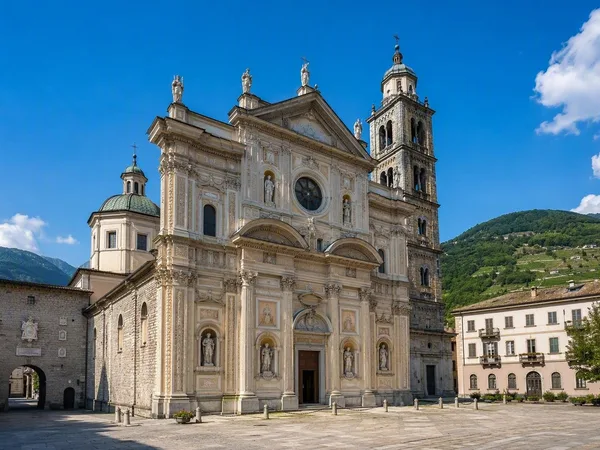
Tirano
2 linked stories and routes
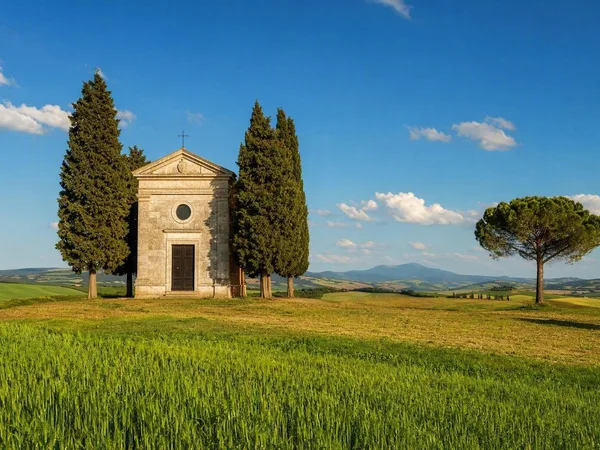
Val d’Orcia
1 linked stories and routes
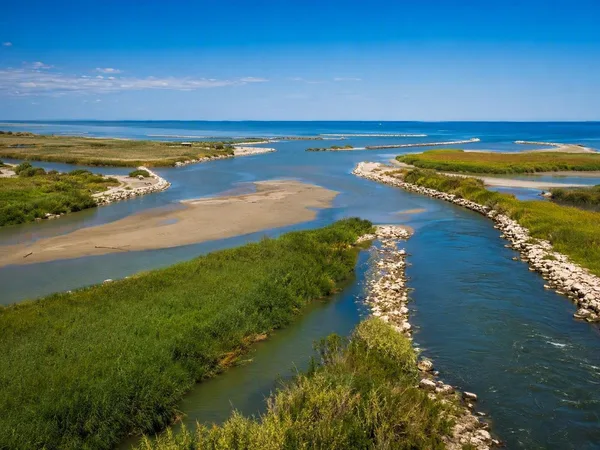
Po Delta
1 linked stories and routes
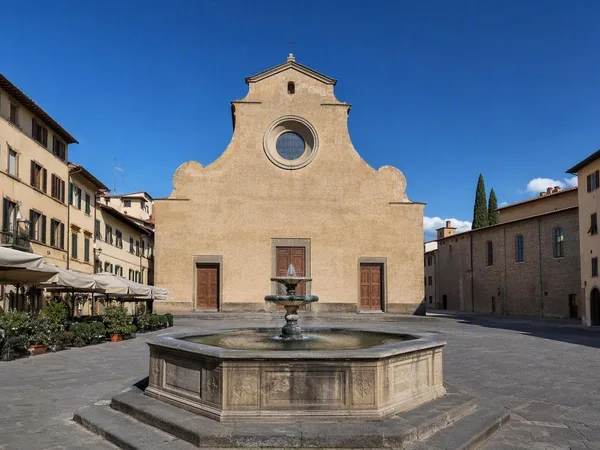
Piazza Santo Spirito
1 linked stories and routes
Piazza Bellini, Palermo
1 linked stories and routes
Milan
1 linked stories and routes
Murgia
1 linked stories and routes
Altamura
1 linked stories and routes
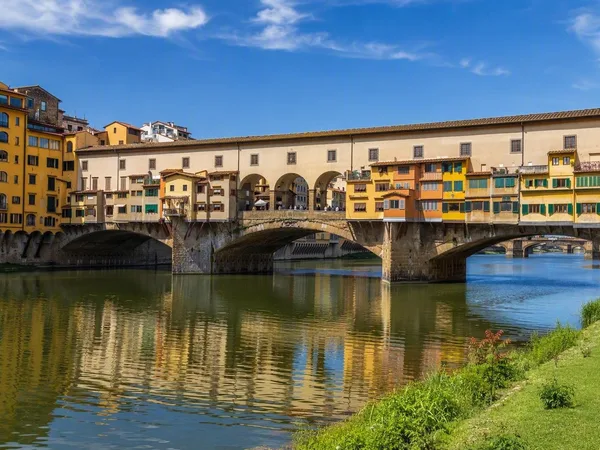
Ponte Vecchio
1 linked stories and routes
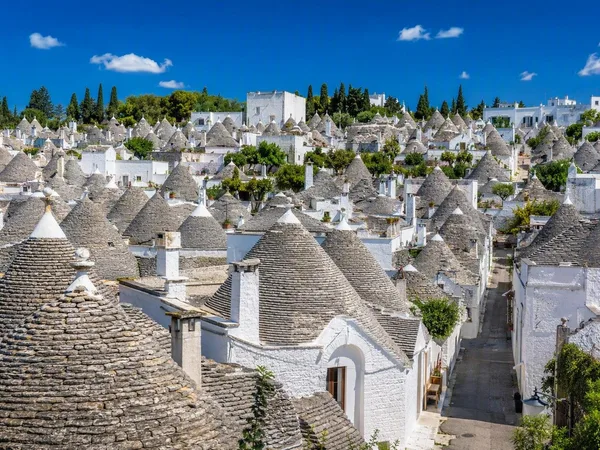
Alberobello
1 linked stories and routes
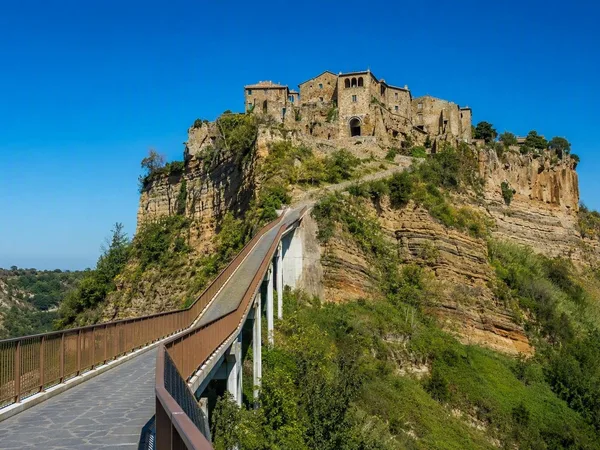
Civita di Bagnoregio
1 linked stories and routes
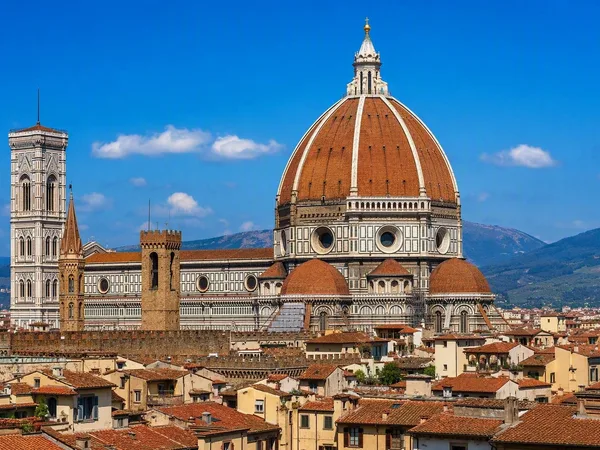
Florence
0 linked stories and routes
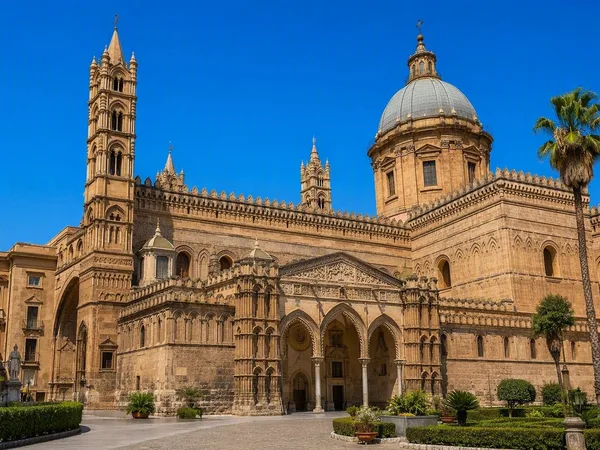
Palermo
0 linked stories and routes