Ten trading cities where the old streets still work
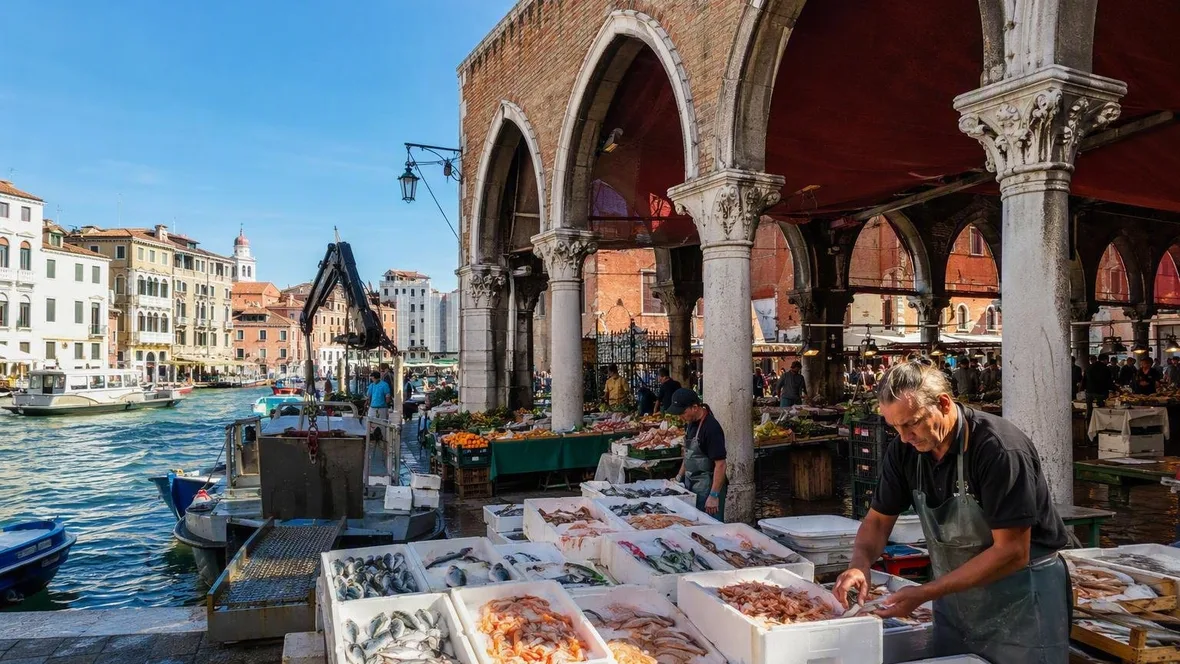
At Venice’s Rialto market, fishers and wholesalers still sell the morning catch beside open-air fruit and vegetable stalls. Across ten old trading cities, quays, lanes, workshops and fortifications still show how goods once moved and how people use these places now.
Venice: fish at Rialto, ships at the Arsenale
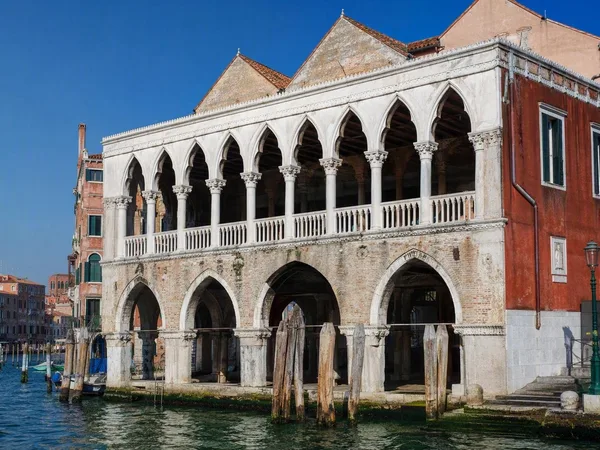
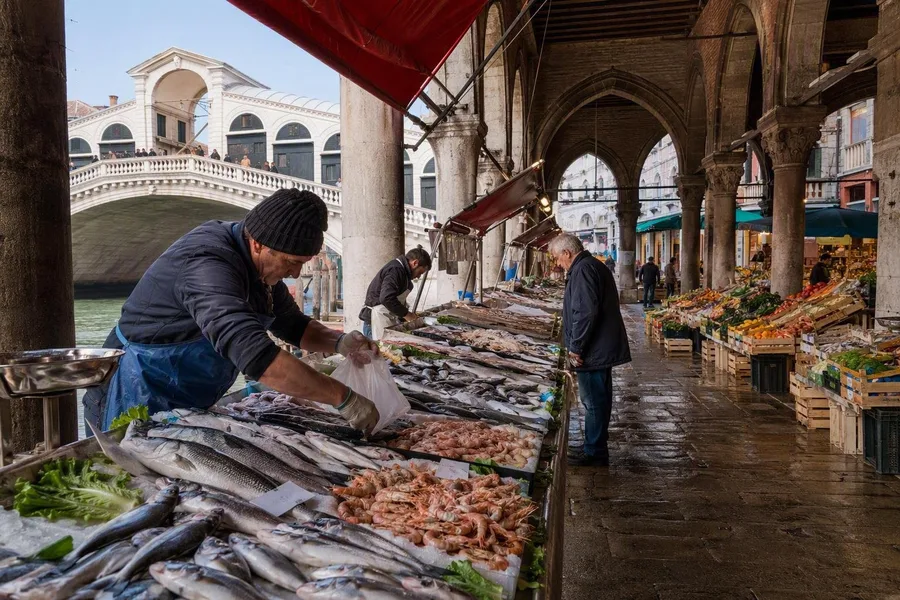 Fish vendors sell the morning catch beneath Venice’s Rialto fish market.
Venice occupies 118 small islands in a lagoon, where the Grand Canal and narrower rii serve as routes between compact streets, squares, quays and palazzi. That watery layout supported a maritime power that traded with Byzantium, Egypt and Syria in salt, fish, silk, incense and spices.
The Arsenale built the ships. Its walled complex contained docks, workshops and dry docks for merchant and naval vessels, while the long Tana made rope. Two towers and marble lions still mark its gate. At Rialto, boats, quays and market stalls remain close together, with fish sold under the neo-Gothic fish market and fruit and vegetables displayed outside.
Bruges: commerce behind brick façades
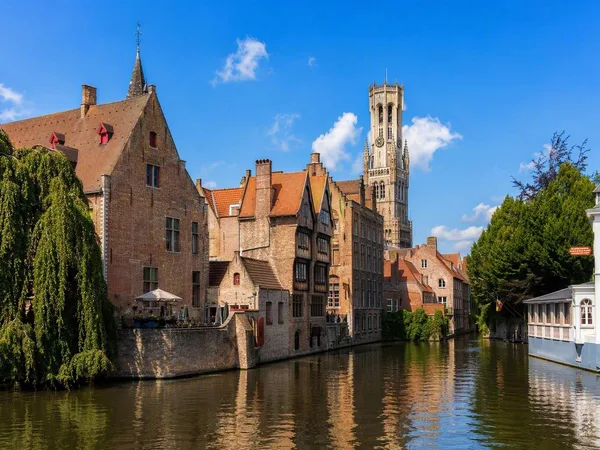
Bruges reached the North Sea through the Zwin, Damme and the Reie canal system. Large seagoing vessels unloaded at outer harbours, and shallower boats carried pepper, ginger, citrus fruit and other goods into the city.
The Reien and the area around Spiegelrei preserve the outline of the former harbour district. Inns, cellars and storage lofts served merchants around the early exchange quarter, which explains the dense medieval buildings along its narrow streets. Brick Gothic façades, the market square and its belfry hold the scale of a northern commercial centre, while residents and mixed businesses still use the historic core.
Lübeck: salt beside the Trave
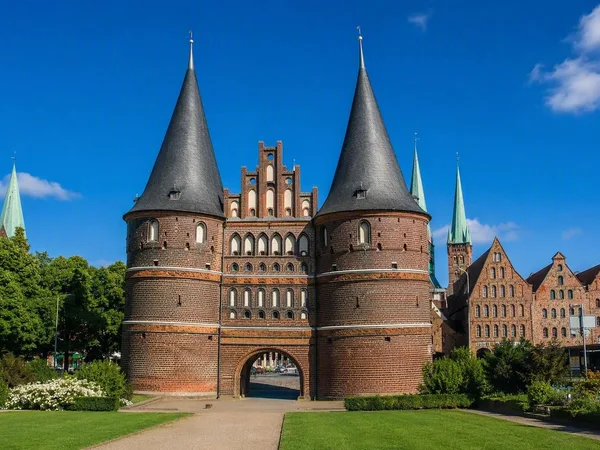
Lübeck led the Hanseatic network that connected North Sea and Baltic trade. The city stored and transferred goods, and salt left the clearest mark: the brick Salzspeicher stand beside the Trave near the Holstentor.
Behind that waterfront, cobbled streets cross an island enclosed by water. Merchants occupied substantial houses in the western quarter, while small workshops and homes filled the narrow Gänge and rear courtyards. Red brick also shapes the skyline, where five Gothic churches carry seven towers. People still live behind the historic walls, and the courtyards remain part of a neighbourhood rather than a sealed monument.
Tallinn: merchants below Toompea
Tallinn set power on two levels. Administrators occupied Toompea, high on its limestone hill, while merchants and craftspeople worked in the lower town.
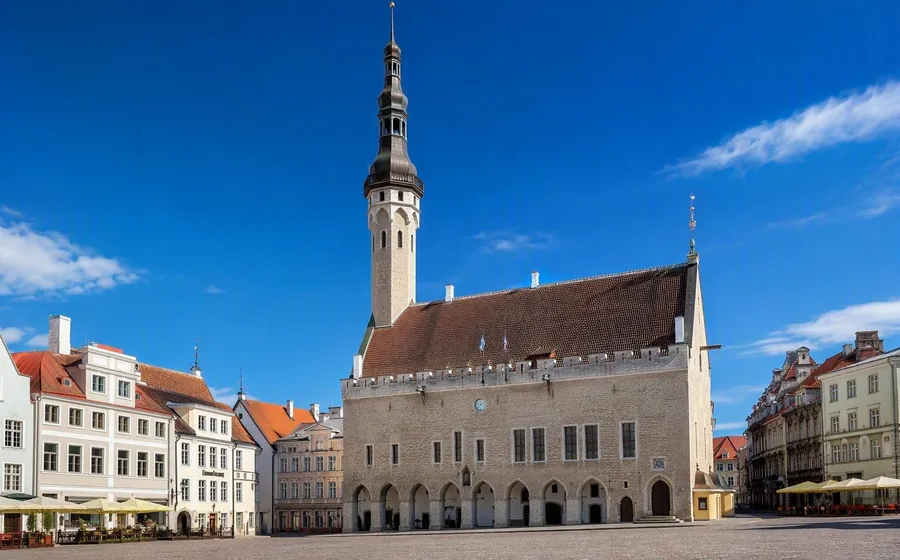
Inside the defensive ring, winding streets still connect the market square, town hall, guild buildings and merchants’ houses. The Great Guild Hall records the influence of Hanseatic merchants; the Great Coastal Gate and Fat Margaret tower make the link between port and fortification plain. Shops, craft businesses, cafés and restaurants now fill the old streets, and the pharmacy on Town Hall Square continues a daily function in the commercial heart.
Riga: river goods and smoked eel
The Daugava connected Riga’s Baltic harbour with the Russian hinterland. Grain, flax, wax, timber and furs travelled from the interior, while cloth, salt, wine and luxury goods arrived from the west.
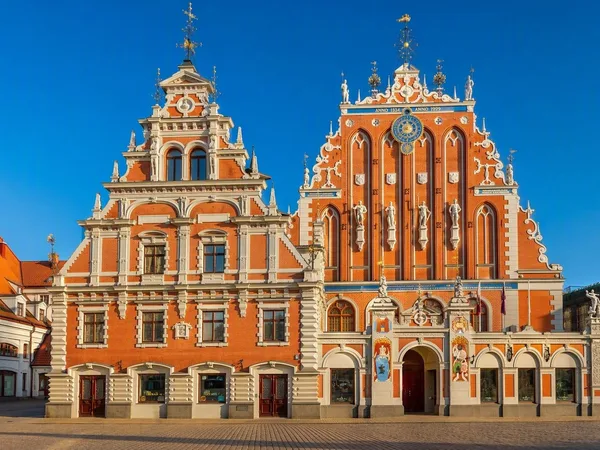
In Vecrīga, irregular streets run towards the former quays, and old warehouses retain stepped gables and lifting beams. The rebuilt House of the Blackheads recalls the brotherhood of unmarried foreign merchants who worked here. At the Central Market near the river, vendors still sell fresh vegetables, pickled foods and smoked eel.
Samarkand: workshops behind the blue domes
Samarkand stood as an oasis in the Zarafshan Valley, where long-distance routes carried goods, skills, religions and artistic ideas. The city reached a high point as the Timurid capital in the 14th and 15th centuries.
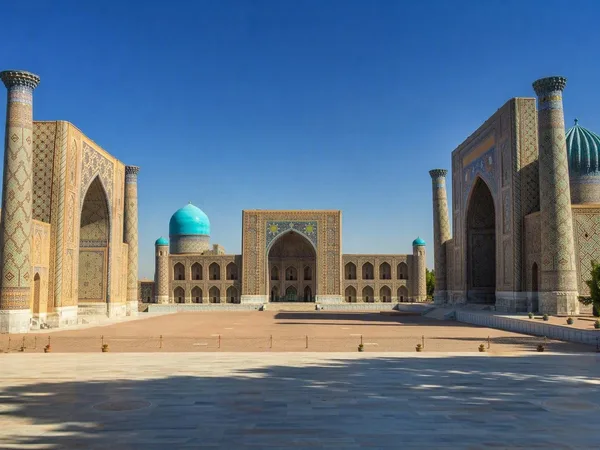
At the Registan, madrasas frame a ceremonial centre built from that wealth and power. The low neighbourhoods behind it also matter. Narrow lanes link mahalla centres, mosques and squares; rooms cluster around domestic courtyards that can serve as work and living space. Artisans continue traditions of embroidery, ceramics, silk paper, woodwork and painted decoration. The blue dome of Bibi Khanum rises above this low-built cityscape.
Fez: bread, leather and the fondouk
Fez built commerce directly into its medina. Two early fortified districts stood on opposite banks of the Oued Fez before later walls joined them. During the 13th and 14th centuries, mosques, madrasas, fountains, houses and fondouks, inns with room for travellers and goods, formed the dense city that largely survives.
The lanes were not made for cars, and religious, domestic and commercial buildings still stand shoulder to shoulder. Bakers make bread, dyers colour leather, weavers work cloth and metalworkers hammer wares in alleys and small squares. Souks, hammams and fountains sit among those workshops. Local, Andalusian, eastern and African influences meet in the city’s building and decorative traditions.
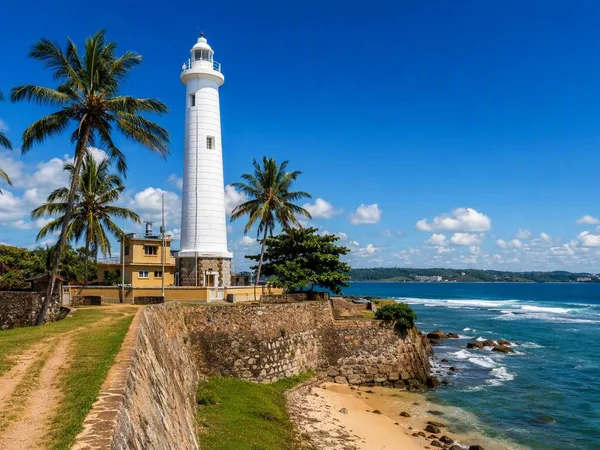
Galle: a harbour inside the bastions
A sheltered bay beside a rocky headland made Galle an important port before European rule. Portuguese builders established a fortified trading post, and after 1640 the Dutch enclosed the headland with stone walls and bastions.
Those defences combine coral and granite and follow the shoreline rather than a rigid geometric plan. Inside, narrow streets form a regular grid among houses with courtyards, open verandas and deep roofs suited to the tropical climate. Former colonial buildings now contain homes, museums, workshops, galleries and places to eat, while churches, mosques, a Hindu temple and Buddhist temples remain within the fort. The lighthouse still guides ships into the harbour.
Hoi An: shopfronts facing the street, store doors facing the river
Hoi An served as a Thu Bon river port from the 15th to the 19th century, linking traders from East and Southeast Asia with wider maritime networks. Chinese and Japanese communities left houses, assembly halls and places of worship in the town.
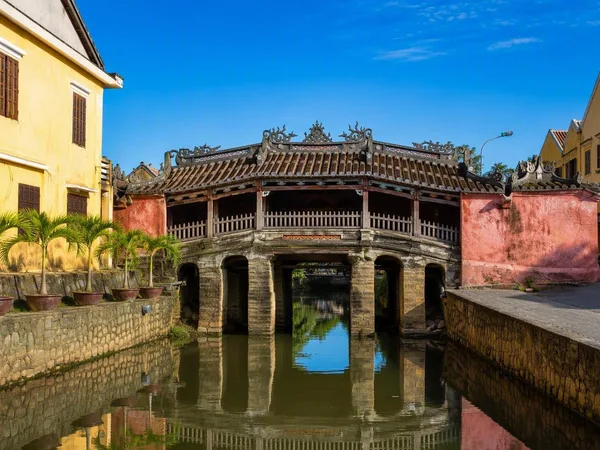
Merchants built narrow wooden properties in continuous rows. Customers entered from the street, while workers loaded goods from boats through the riverside rear. Lanes run at right angles to the river, joining the shop houses to the open market and landing stage. Tiled roofs and carved timber combine Vietnamese methods with Chinese and Japanese influences; the covered Japanese bridge includes a pagoda. Families still live, trade and worship within this old port plan.
Cartagena: walls across the Caribbean passages
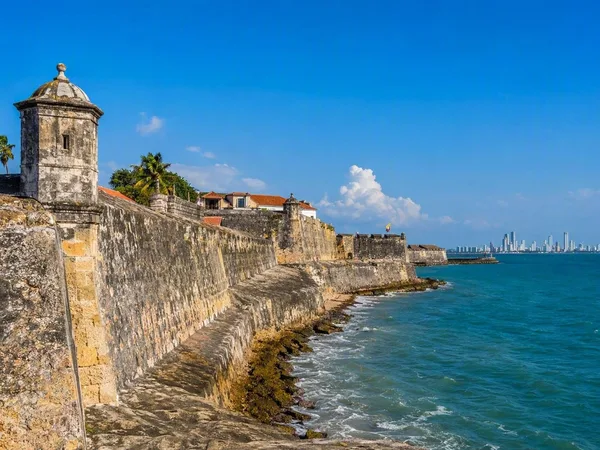
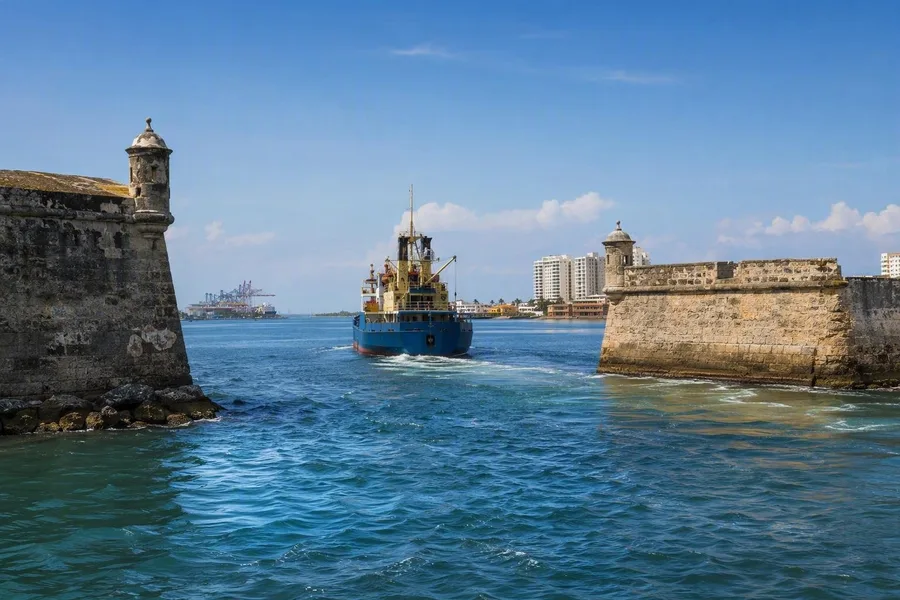 A vessel enters Cartagena’s sheltered bay through channels once covered by fortifications.
Cartagena’s sheltered bay placed the port on the West Indies sea lanes. Wealth also brought attacks, so Spanish builders began expanding walls, bastions and forts after 1586 until their guns controlled every natural entrance to the bay.
Inside the walls, Centro held the cathedral and wealthy houses; merchants and artisans lived in San Diego. In Getsemaní, craftspeople and enslaved people performed much of the labour that sustained the port economy. Castillo San Felipe de Barajas guarded the landward side from its rocky position east of the city, while the forts at Bocachica watched the water.
A vessel entering the sheltered bay passes through channels once covered by those fortifications. Beyond them, Cartagena’s walls rise around San Diego, the former district of merchants and artisans, beside Caribbean water.
Keep exploring
Places in this story
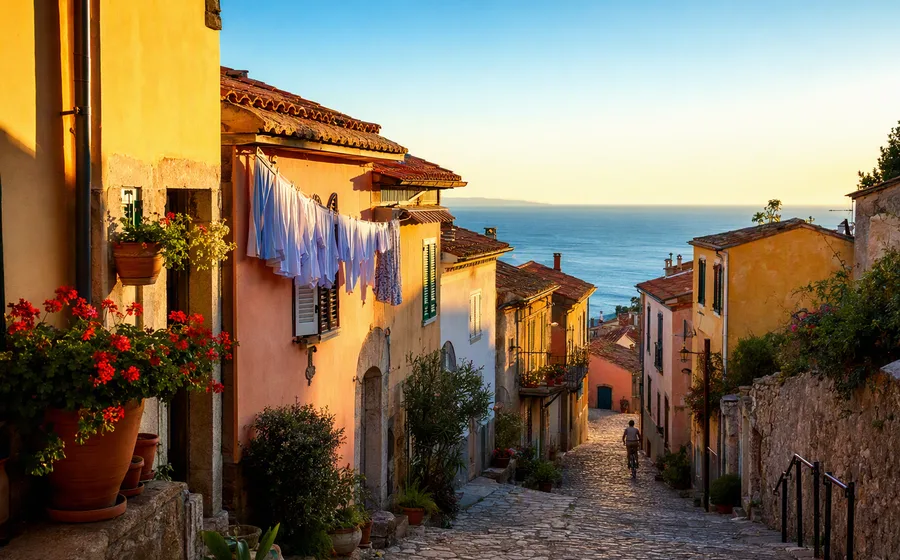
Europe
10 landen en gebieden

South America
Venice
Cartagena
Bruges
Lübeck
Tallinn
Tallinn, Estonia’s Baltic capital, combines a UNESCO-listed medieval Old Town with parks, former industrial quarters and a working ferry port. Its defining geography is the divide between mercantile Lower Town and hilltop Toompea.
Riga
Samarkand
Galle