City · Estonia
Tallinn
Tallinn, Estonia’s Baltic capital, combines a UNESCO-listed medieval Old Town with parks, former industrial quarters and a working ferry port. Its defining geography is the divide between mercantile Lower Town and hilltop Toompea.
Start with the two-level Old Town
Tallinn’s historic centre is a remarkably complete medieval trading city shaped by the Hanseatic League from the 13th to the 16th centuries. It is not simply a cluster of monuments: street patterns, merchant houses, churches, guild buildings and fortifications still make up a coherent urban fabric.
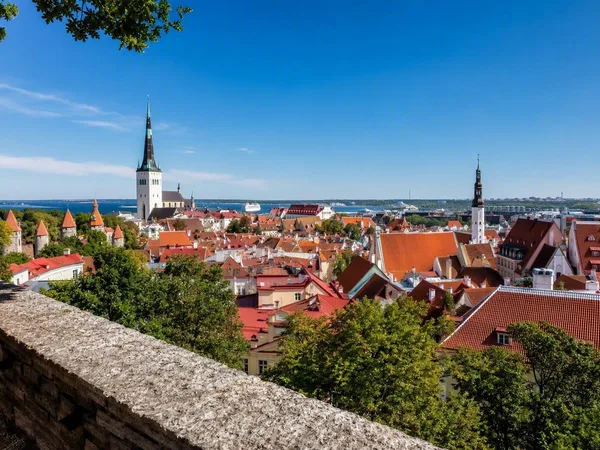
The essential distinction is vertical. Lower Town was the merchants’ and craftsmen’s city; Toompea, on a limestone hill above it, was the administrative and religious centre. The castle on Toompea remains home to Estonia’s parliament.
Walk the core route
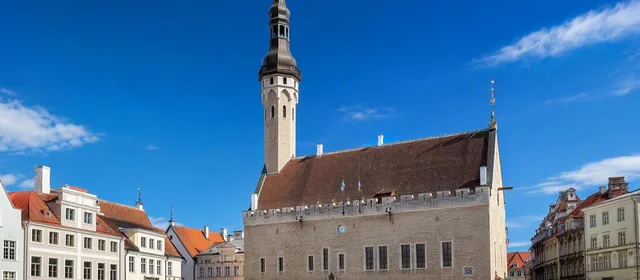
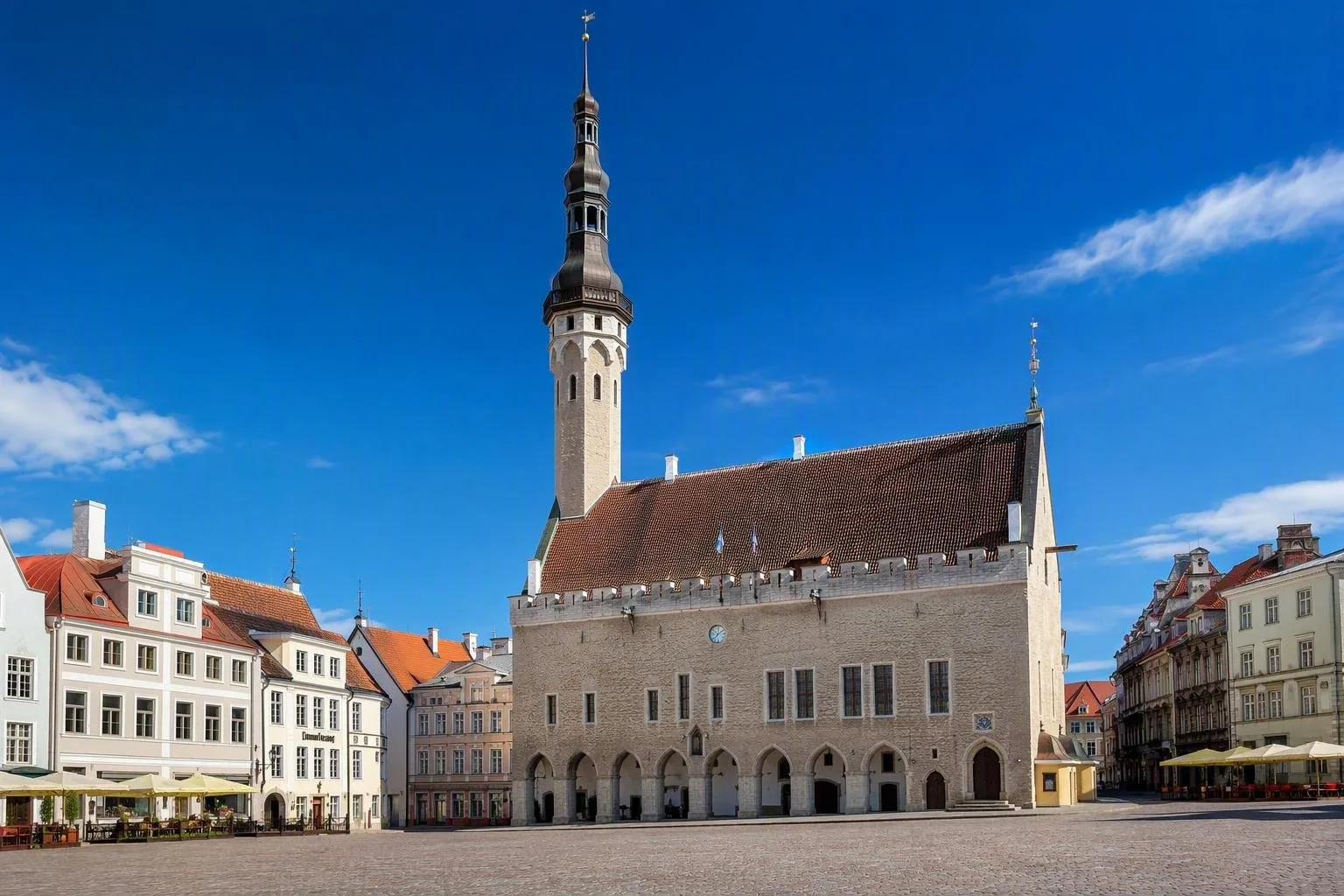
Begin at Raekoja plats (Town Hall Square), the old market square. The Gothic Tallinn Town Hall anchors it, while the long-running Town Hall Pharmacy stands at the square’s edge.
From there, make a compact circuit:
- Follow Pikk through the former merchant quarter to see the Great Guild Hall and the House of the Blackheads.
- Take the narrow lanes around St Catherine’s Passage for medieval masonry and craft workshops.
- Visit Niguliste Museum for medieval art, or Kiek in de Kök for the city’s defensive system and Bastion Passages.
- Climb to Kohtuotsa or Patkuli on Toompea for the clearest reading of the red roofs, church spires, walls and harbour.
Allow time for the climb between Lower Town and Toompea: the surfaces are cobbled and the approaches are steep.
Look beyond the walls
Tallinn is compact enough to use the Old Town as a base, but its character changes quickly outside it. Kadriorg combines a Baroque palace-and-park ensemble with major art museums. Telliskivi Creative City, in a former factory area beside Kalamaja, concentrates design shops, restaurants and Fotografiska Tallinn. For maritime history, head to the Seaplane Harbour, where the Estonian Maritime Museum occupies historic seaplane hangars.
These districts make useful counterpoints to the medieval centre rather than substitutes for it.
Arrivals and local transport
Lennart Meri Tallinn Airport is about 4 km from the centre; buses 2 and 15 connect it with central stops. Passenger terminals are roughly a 15–20-minute walk from the Old Town, making ferry arrivals from Helsinki especially straightforward.
Within the centre, walk. For longer hops, Tallinn’s trams, buses and trolleybuses link the main districts. Visitors can tap a contactless card on board for a one-hour ticket; validate every entry. A Tallinn Card includes public transport and admission at participating sights.
Practical bearings
Estonia uses the euro, and contactless payment is common. English is widely understood in visitor-facing businesses. Museums and attractions commonly close on public holidays, so plan indoor visits around them. At night or in poor visibility, Estonian law requires pedestrians to wear a reflector on the right side of their outer clothing.
From the magazine
Stories about Tallinn
Editorial stories linked directly to Tallinn.
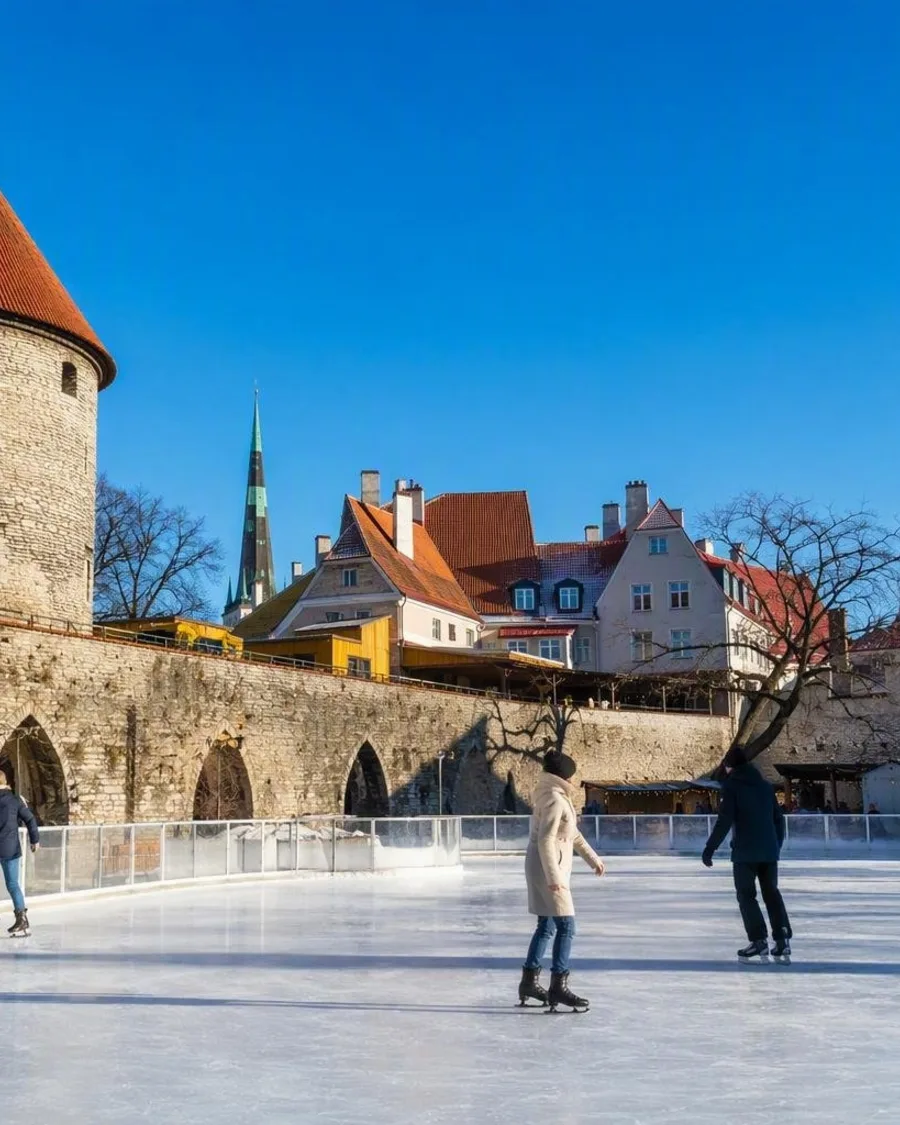
Eight cities where winter changes the streets
Tallinn’s medieval lanes, Tromsø’s blue midday twilight and Kyoto’s frost-bright temple steps belong to the cold months. In these eight cities, winter changes how public spaces look, how residents use them and what visitors can see.
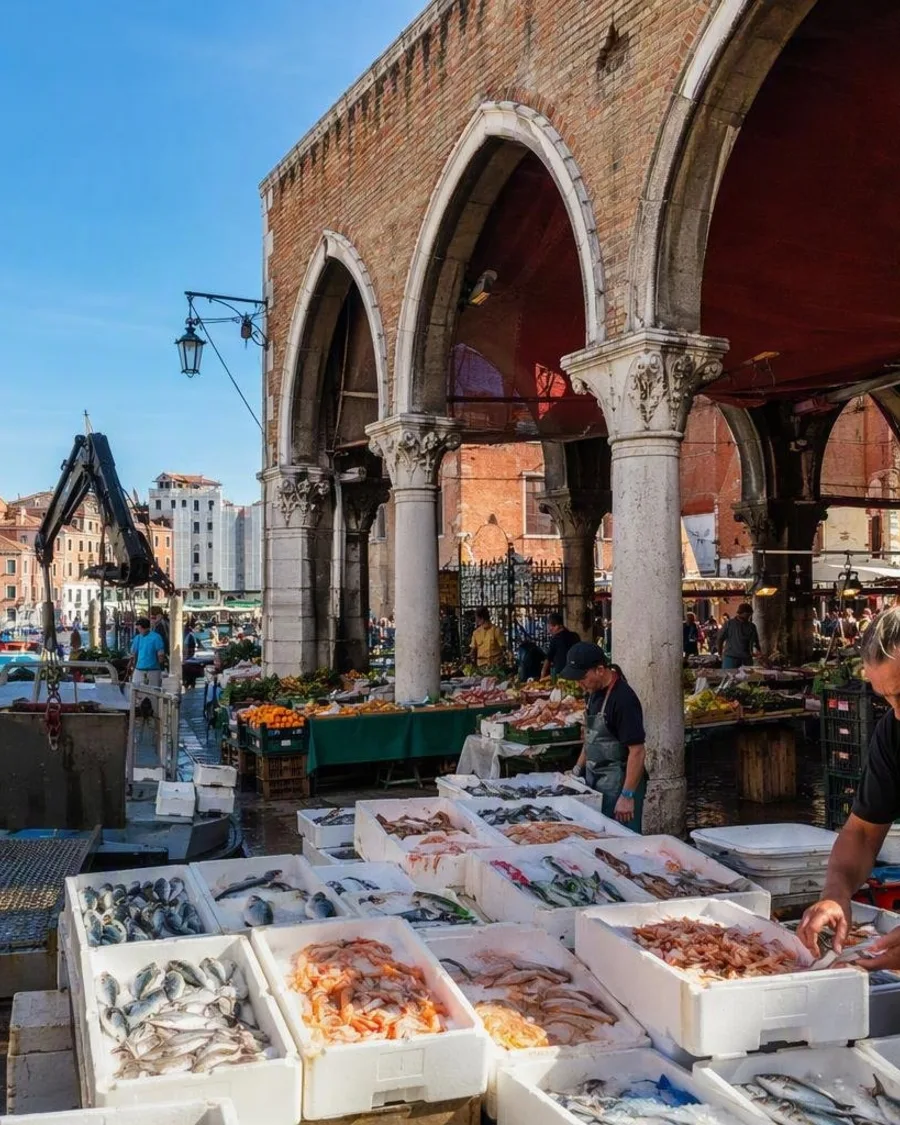
Ten trading cities where the old streets still work
At Venice’s Rialto market, fishers and wholesalers still sell the morning catch beside open-air fruit and vegetable stalls. Across ten old trading cities, quays, lanes, workshops and fortifications still show how goods once moved and how people use these places now.
Routes from our editors
Travel through Tallinn
Editorial routes connecting Tallinn with other countries, cities and hotspots.
No routes through Tallinn have been published yet.
More in Estonia
Related hotspots
Other cities, nature areas and places within Estonia.