
Neighbourhood · Estonia
Kopli, Tallinn
Kopli is Tallinn’s northern seaside neighbourhood on the Kopli Peninsula, shaped by early-20th-century shipyards, workers’ housing and a new generation of creative spaces. Come for industrial architecture, a waterfront walk and Põhjala Factory.
Why Kopli matters
Kopli occupies the northern end of Tallinn, between Tallinn Bay, Kopli Bay and Paljassaare Bay. Its name recalls the pastures that once covered the peninsula; its streetscape tells a much later industrial story.
In 1912–16, the Russian-Baltic Shipbuilding Factory was built here, followed by the Bekker shipyard. The yards brought planned housing, services and tram connections to what became a self-contained working district. That legacy remains visible in limestone factory buildings, timber houses and the scale of Kopli Street.
Read the industrial landscape
Start around the Kopli tram terminus and walk the peninsula rather than treating it as a single sight.
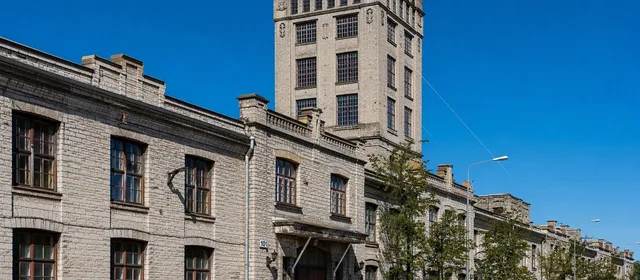
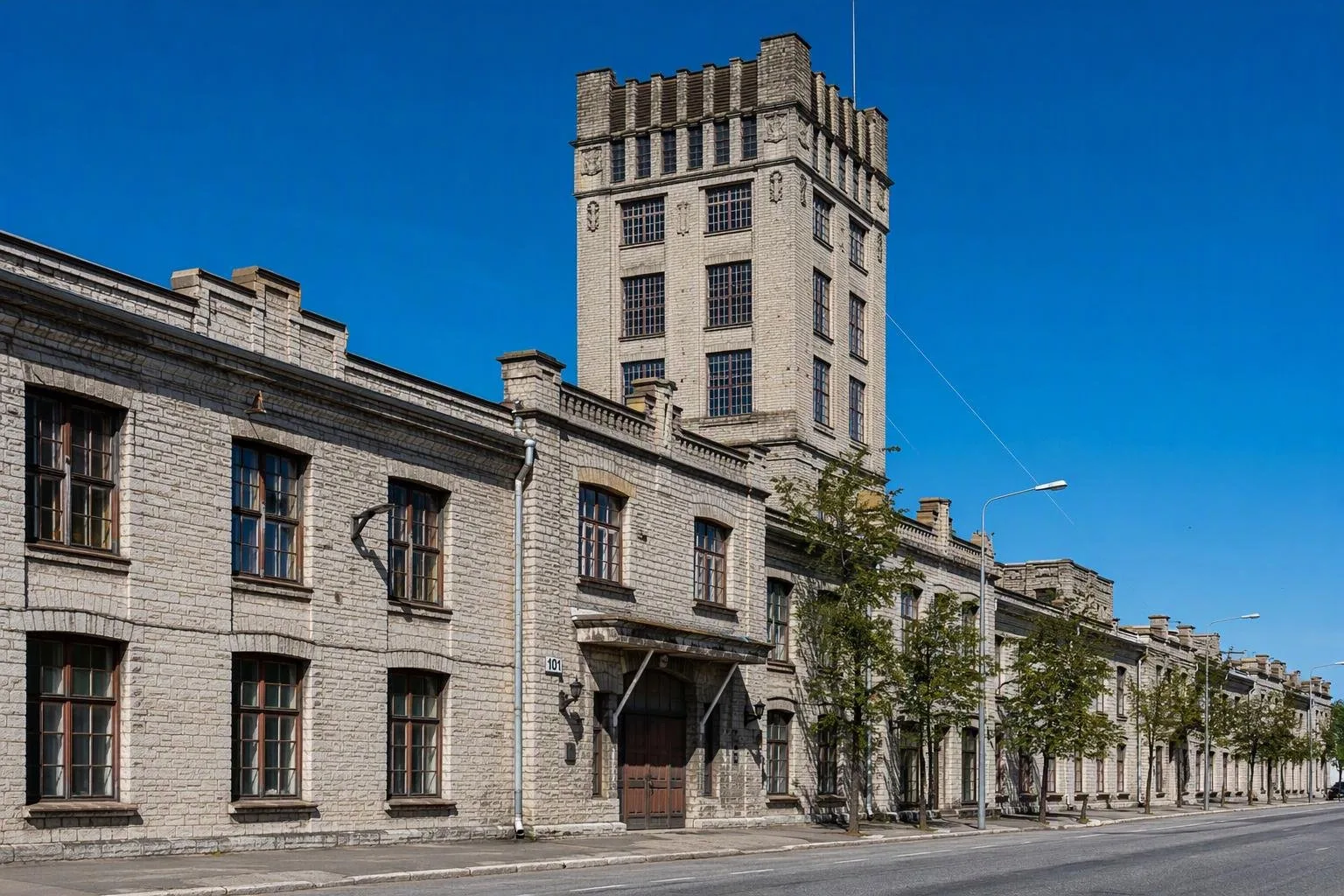
- Russian-Baltic Shipbuilding Factory, Kopli 101: its Art Nouveau-Classicist limestone main building has a central tower that formerly served as a water tower. The building now houses the Estonian Maritime Academy. The surrounding working shipyard is not open to unauthorised visitors.
- Bekker Water Tower, Kopli 89b: a freestanding 42-metre reinforced-concrete tower from 1913. It is an exterior stop only; its condition is poor.
- Kopli 93 Community Centre: this 1936–37 Art Deco former community hall is now used for community projects, including a garden and repair workshop. It is not routinely open, so admire the building from outside unless an event is on.
- Kaluri, Süsta and Ketta streets: look for the surviving wooden homes associated with the shipyard’s engineers and senior staff. This pocket became known as the Professors’ Village when technical-school lecturers lived here in the 1930s.
Waterfront and new Kopli
From the terminus, follow the streets towards Kopli liinid and its seafront promenade. The area’s workers’ housing has been restored or rebuilt, and the paved waterside route gives clear views across Tallinn Bay. Kase Park is a useful green pause between the waterfront and the industrial streets.
For the contemporary side of the neighbourhood, head to Põhjala Factory at Marati 5. The former rubber-factory site is now a creative complex with independent studios, galleries, shops, food and drink venues, plus a programme of exhibitions, performances and workshops. Its yard and retained factory structures make it the most concentrated introduction to Kopli’s adaptive reuse.
Getting there and moving around
Trams 1, 2 and 5 run from central Tallinn towards Kopli; the ride from Balti Jaam to the final stop takes about 15 minutes. Buses 32 and 72 also serve stops along Kopli Street, while bus 73 reaches Kopli liinid.
Use the tram to cover the long approach, then walk. A practical route is the terminus, Kopli liinid promenade, Kase Park, the historic streets around Kopli 101, then Põhjala Factory. Allow two to three hours with stops.
Useful access notes
Kopli is an active residential and industrial neighbourhood, not an open-air museum. Stay on public streets and marked paths; do not enter shipyard premises or deteriorating structures. The waterfront is exposed, so bring a windproof layer outside summer.
From the magazine
Stories about Kopli, Tallinn
Editorial stories linked directly to Kopli, Tallinn.
No stories about Kopli, Tallinn have been published yet.
Routes from our editors
Travel through Kopli, Tallinn
Editorial routes connecting Kopli, Tallinn with other countries, cities and hotspots.
No routes through Kopli, Tallinn have been published yet.
More in Estonia
Related hotspots
Other cities, nature areas and places within Estonia.
Tallinn
3 linked stories and routes
Toompea, Tallinn’s Upper Town
1 linked stories and routes
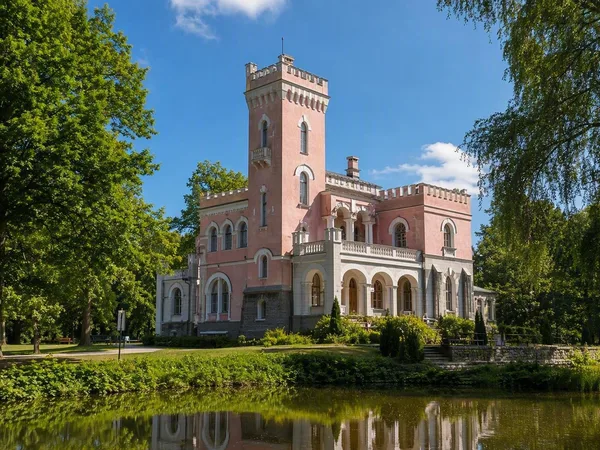
Nõmme
1 linked stories and routes
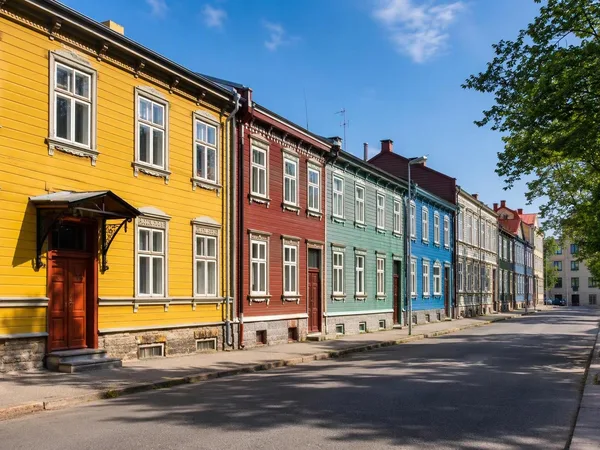
Kalamaja, Tallinn
1 linked stories and routes
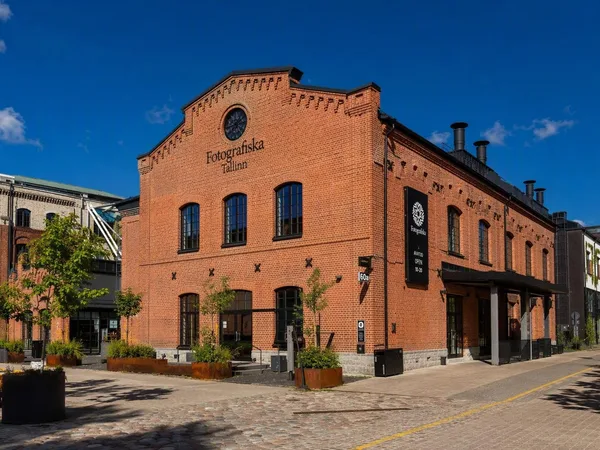
Telliskivi, Tallinn
1 linked stories and routes
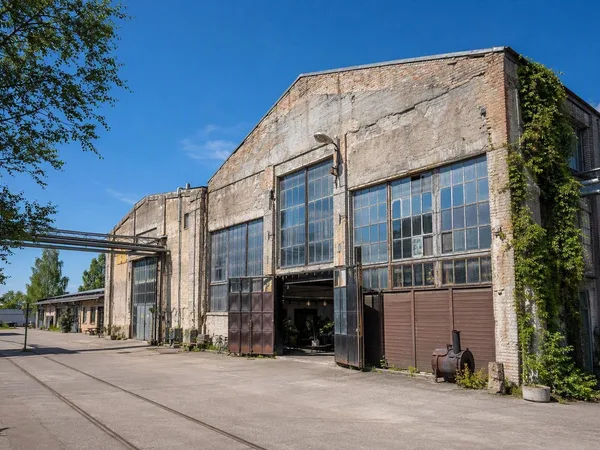
Põhjala Tehas
1 linked stories and routes