Article
Tortuguero, from the canals to the nesting beach
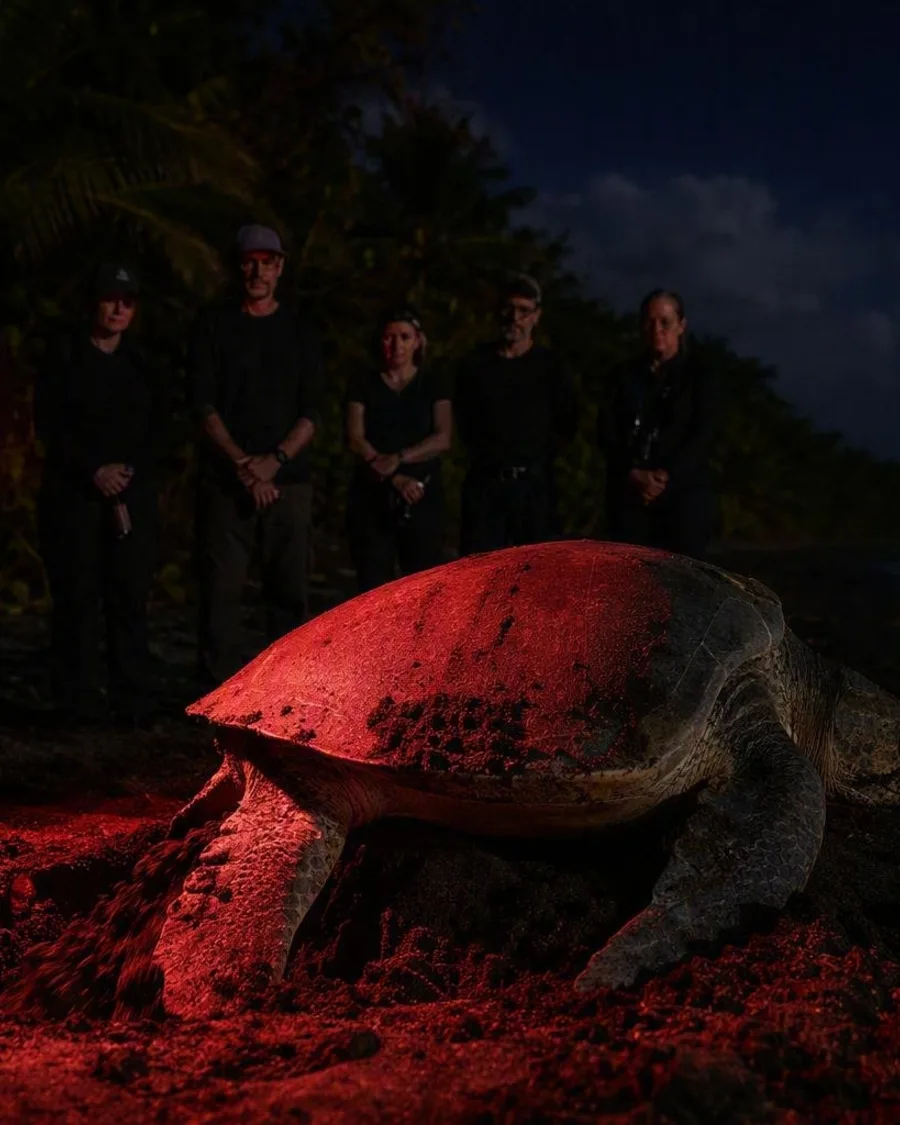
Boats, not cars, carry visitors into Tortuguero, through lowland rainforest cut by lagoons and narrow channels. Beyond the village, the same protected landscape reaches a Caribbean beach where green, leatherback and hawksbill turtles nest.
M
Hamba-redactieMara
Article
Cuenca and the Ecuadorian Hat Called Panama
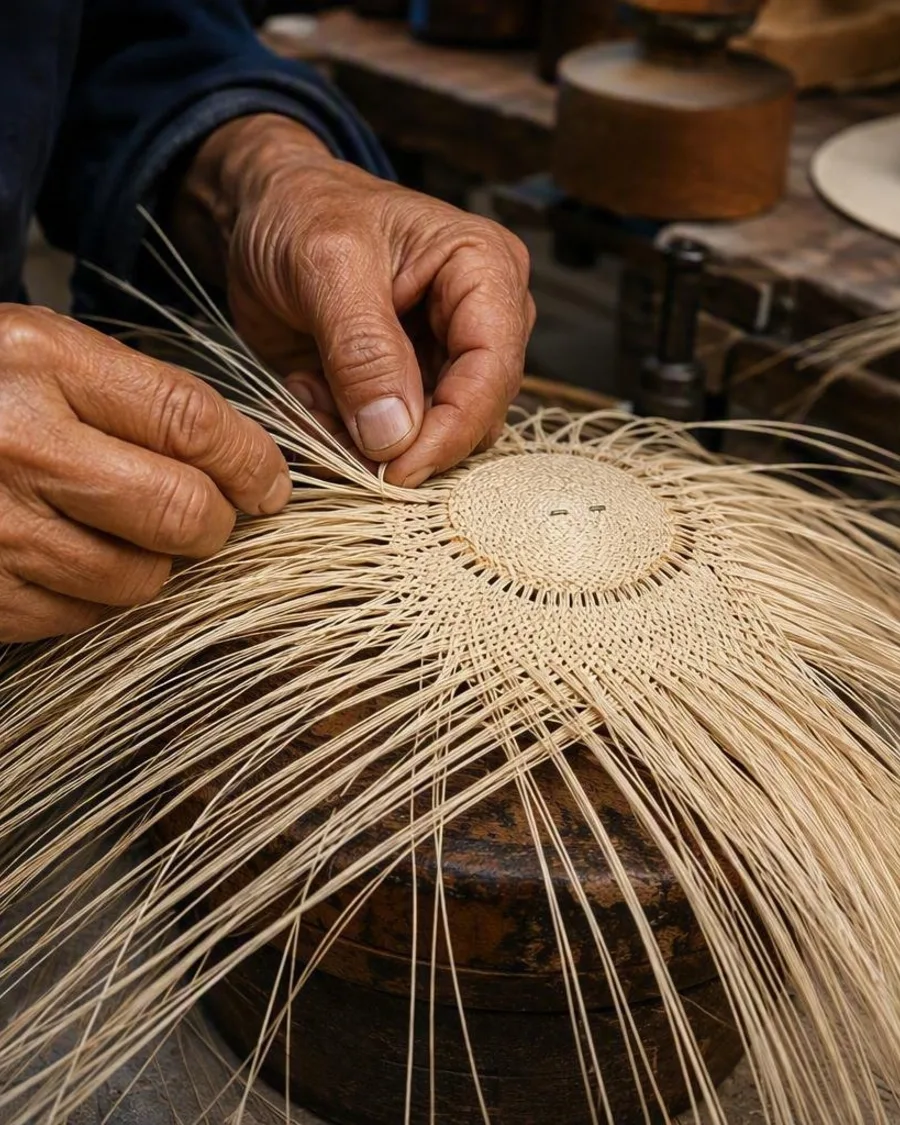
Cuenca turns pale coastal fibre into shaped, finished hats for shops and export, but its workshops tell only part of an Ecuadorian craft rooted in Manabí. The name “Panama hat” records where overseas buyers encountered the hat, not where Ecuadorian makers produced it.
S
Hamba-redactieSofia
Article
Ten places where local bread is still made by hand
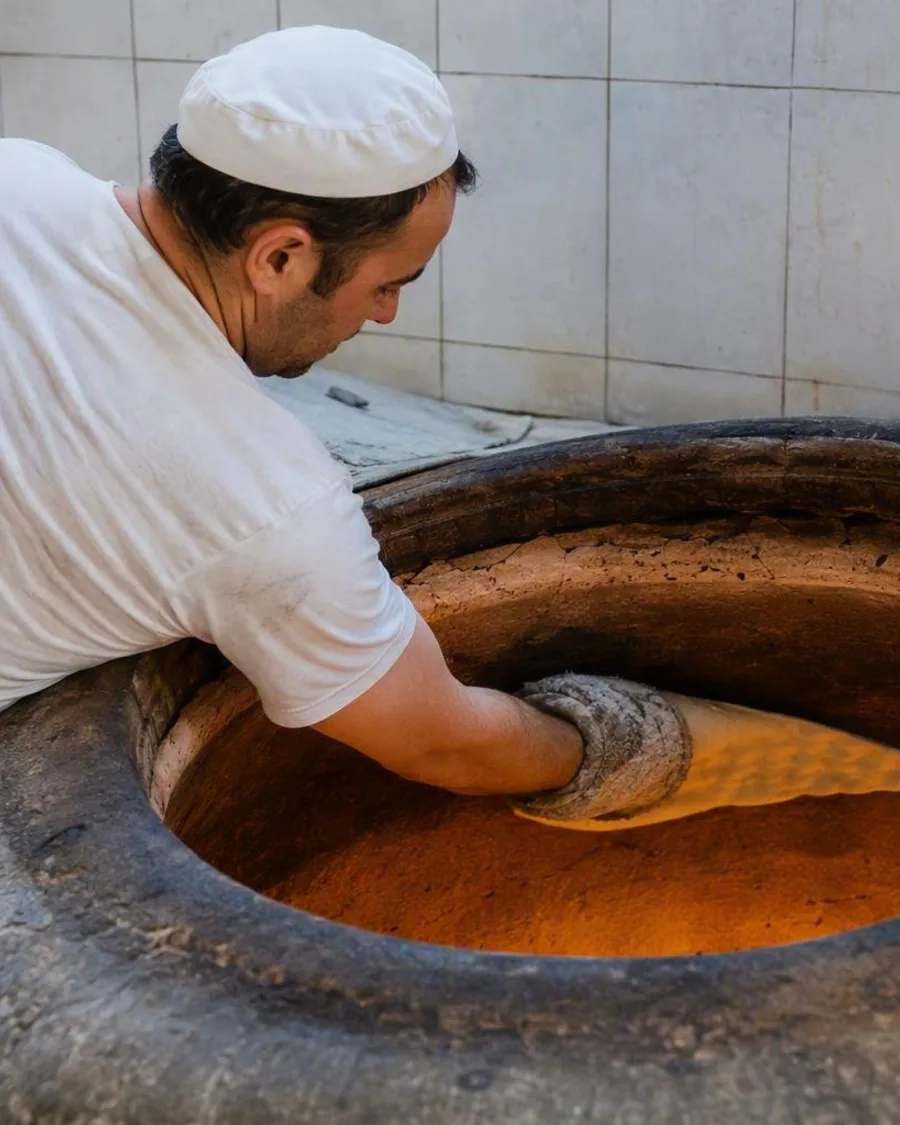
Bread shows the daily work behind a neighbourhood meal: a household’s marked dough at a Marrakesh communal oven, dark rye beside sourdough in Copenhagen, and bolillos from brick ovens in Mexico City. These ten working addresses and market settings sell local bread made through distinct local practices.
A
Hamba-redactieAisha
Article
Ten Squares That Change After Dark
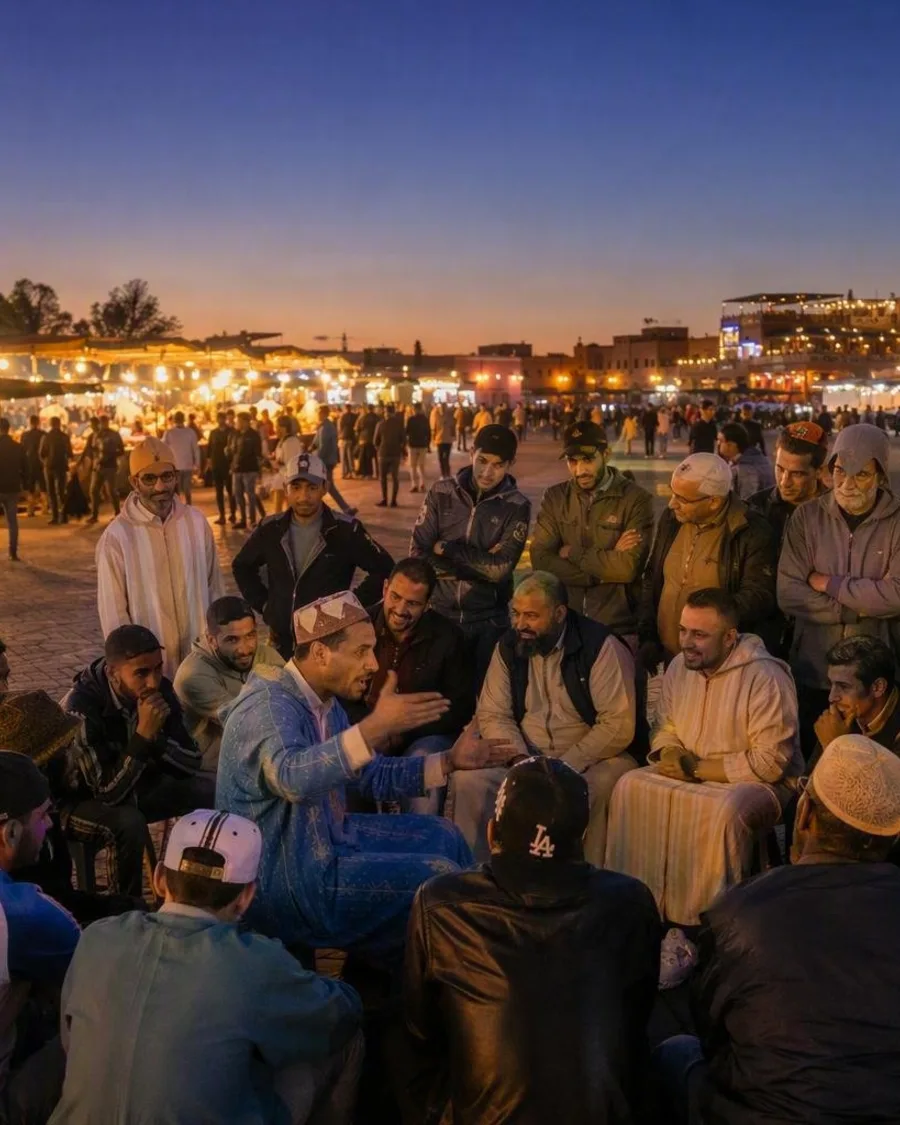
At sunset, restaurant stalls fill Jemaa el-Fna and listeners close around storytellers who adjust each performance to the crowd. Elsewhere, evening brings aperitivo tables, commuter tides, street food, ceremonies and concert audiences to public ground.
T
Hamba-redactieTomoko
Article
Eight cultivated landscapes, from Douro vines to Kericho tea
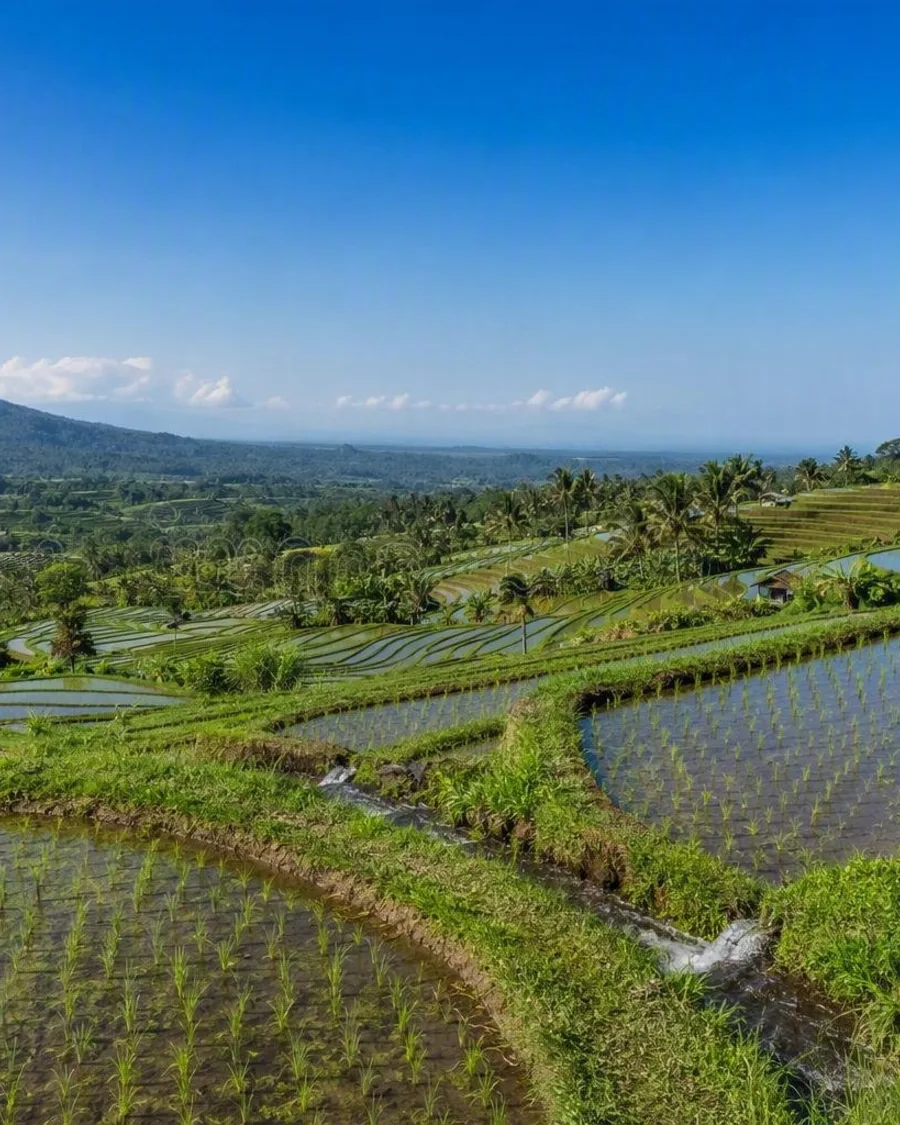
A dry-stone wall in Portugal holds vines to a schist slope. On Bali, water runs from mountain channels through temples and down a chain of rice fields. Below the Andes, old irrigation ditches carry meltwater to Malbec vines. These eight regions show farming not as a backdrop but in the walls, canals, food and daily work that give each landscape its form.
T
Hamba-redactieTomoko
Article
Where Ecuador’s cacao changes form in Quito
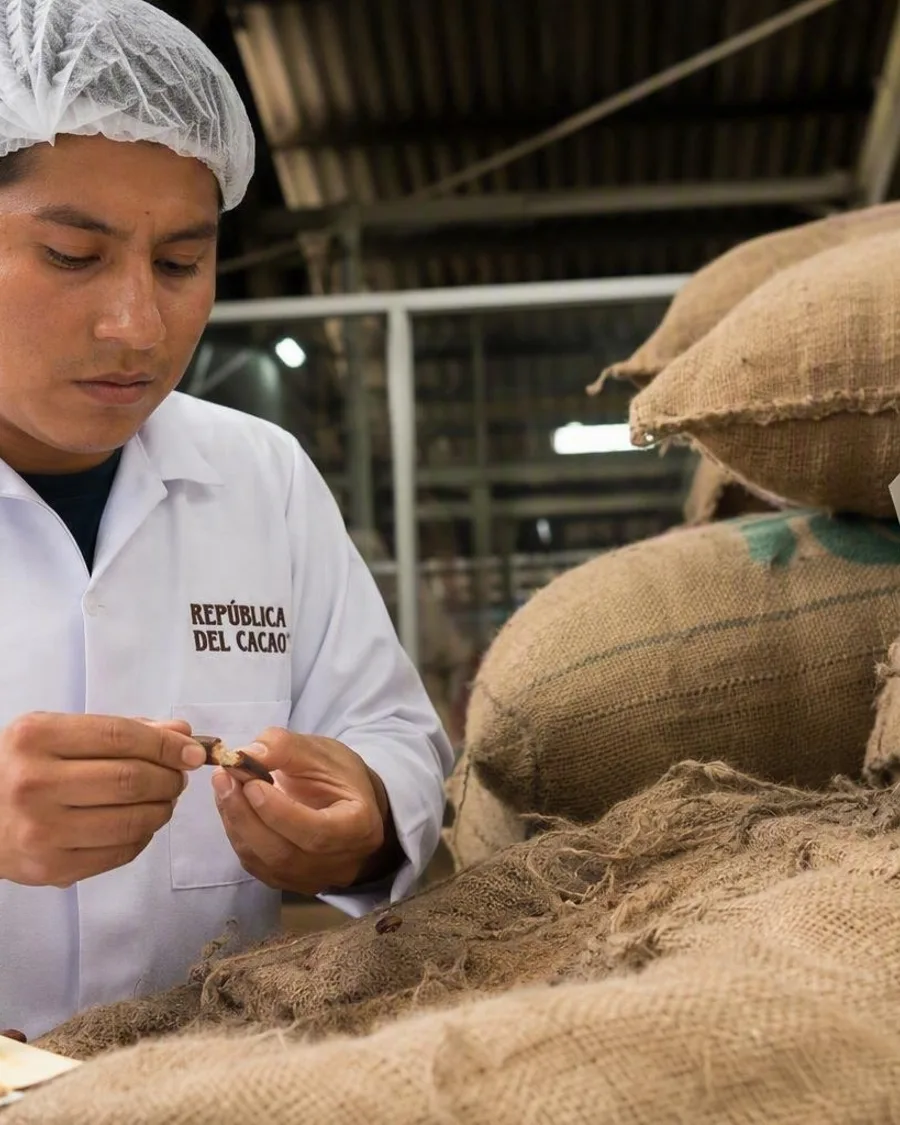
At República del Cacao’s Quito factory, cacao arrives stripped of its tropical disguise. Growers have already harvested the pods, fermented the wet beans and dried them; the city’s work begins with sacks of dry cacao.
S
Hamba-redactieSofia