
Nicaragua

Lakes, volcanoes and Caribbean shores

Nicaragua

Colonial streets sit close to volcanoes, while the Caribbean coast holds languages and traditions distinct from the Spanish-speaking west.

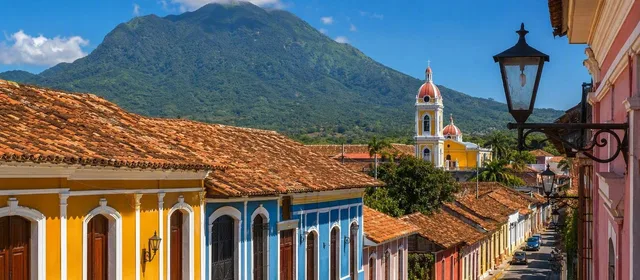
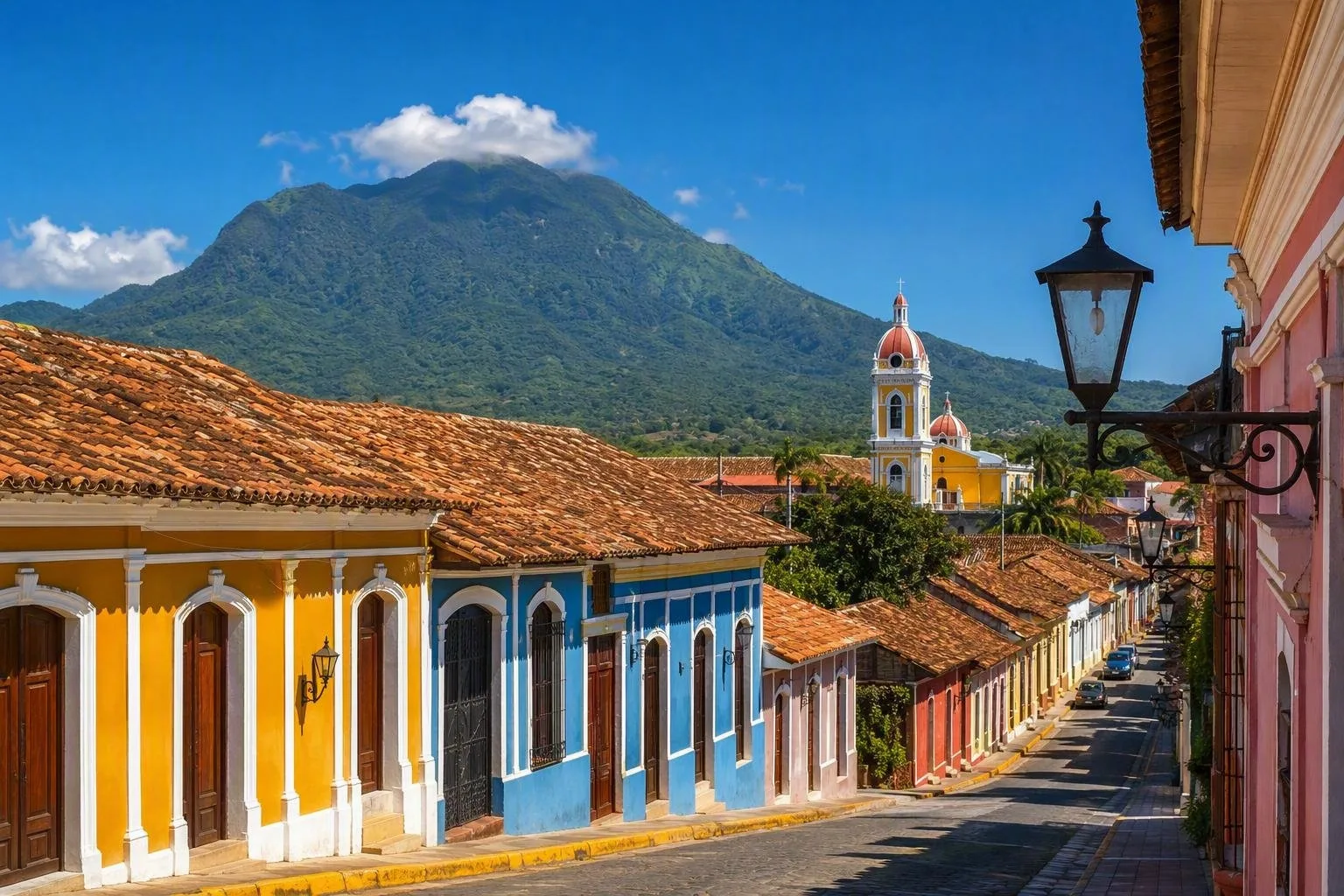
Nicaragua packs colonial cities, volcanic landscapes and Caribbean culture into a country that rewards a closer look. In Granada, painted façades and tiled roofs face Lake Nicaragua, with Mombacho rising behind the city. Small islets dot the lake nearby. León has broad streets, cathedral domes and murals that recall Nicaragua’s revolution. Ferries from the mainland reach Ometepe, where Concepción and Maderas rise above farms, forest and pre-Columbian petroglyphs.

The Pacific lowlands run hot, but the northern highlands around Matagalpa and Jinotega bring coffee farms, cooler air and cloud forest. Farther east, the Bosawás region holds extensive rainforest. On the Caribbean coast, Miskitu, Mayangna, Rama, Garifuna and Creole communities use languages and follow customs that differ from those in the mostly Spanish-speaking west. Bluefields marks Palo de Mayo, and English Creole is widely spoken on the Corn Islands.

Food shows those local differences. Granada vendors serve vigorón: yuca, pork rind and cabbage salad on a banana leaf. Caribbean kitchens cook rice, beans and seafood with coconut. Across the country, families make nacatamales from seasoned maize dough, pork and vegetables wrapped in plantain leaves. Spend time in the highlands or on the coast as well as in Granada and León, and Nicaragua opens up in generous, memorable detail.

When to go

Best time to travel

Monthly values are indicative average maximum temperatures for Managua and the Pacific lowlands; the cooler northern highlands and wetter Caribbean coast have meaningful regional variation. Monthly values are indicative average maximum temperatures for Managua and the Pacific lowlands; the cooler northern highlands and wetter Caribbean coast have meaningful regional variation.

jan31°C feb32°C mar33°C apr34°C may33°C jun31°C jul31°C aug31°C sep30°C oct30°C nov30°C dec30°C

Weather in the capital

Practical Nicaragua

On every country page we show the current weather for the capital.

Managua
Morning30°Cclear
Afternoon33°Cdrizzle
Evening28°Cpartly cloudy
today35°C / 27°Chigh and low

Current forecast by Open-Meteo

Getting around

Buses and minibuses connect major towns, though Managua uses several separate terminals. Ferries serve Ometepe, and domestic flights link Managua with destinations on the Caribbean side.

Money

Cash is useful for buses, markets and small businesses. Many tourist businesses accept US dollars, often returning change in córdobas. Cards and ATMs are more common in cities and established resorts.

Accommodation

Granada and León have colonial hotels, hostels and guesthouses. The highlands offer coffee-estate stays and lodges. Pacific beach towns and the Corn Islands range from simple rooms to resorts.

Before you leave

Worth knowing

A practical starting point for your trip. Check current conditions and local information before you leave.

01

Calling code

Nicaragua’s country code is +505. Local telephone numbers have eight digits.

02

Driving side

Traffic drives on the right. Drivers overtake on the left.

03

Official languages

Spanish is used nationwide. English Creole, Miskitu, Mayangna, Rama and Garifuna have recognised regional use on the Caribbean coast.

04

Tipping

Restaurants may add a service charge to the bill. Check the bill before leaving an additional tip, which is voluntary.

05

Meal times

Lunch is usually the main daytime meal. Many restaurants serve it from around noon, while dinner often starts in the early evening.

06

Business hours

Shops often open from about 8am to 5pm or 6pm. Some smaller businesses close around midday, especially outside larger cities.

07

Paying on buses

Passengers usually pay cash on local buses, either to the driver or a conductor. Small notes make payment easier.

08

Taxi fares

Many taxis do not use meters. Agree the fare before setting off and confirm whether it covers every passenger.

09

Street addresses

Directions often use landmarks, cardinal points and blocks rather than street numbers. An old landmark may remain in an address long after it has disappeared.

10

Mobile connectivity

Local mobile data is widely available in populated areas. Businesses and transport providers commonly use messaging apps, especially WhatsApp.

11

Measurements

Metric units are standard, but traditional terms remain common. People may use varas for length, libras for weight and manzanas for land area.

12

Social etiquette

Start conversations with a greeting and use usted in polite or unfamiliar company. At a shared meal, wait until the host begins or signals that everyone should eat.