
Sight · Nicaragua
Catedral Metropolitana de Santiago Apóstol
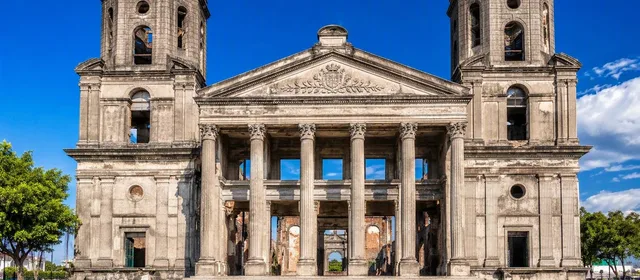
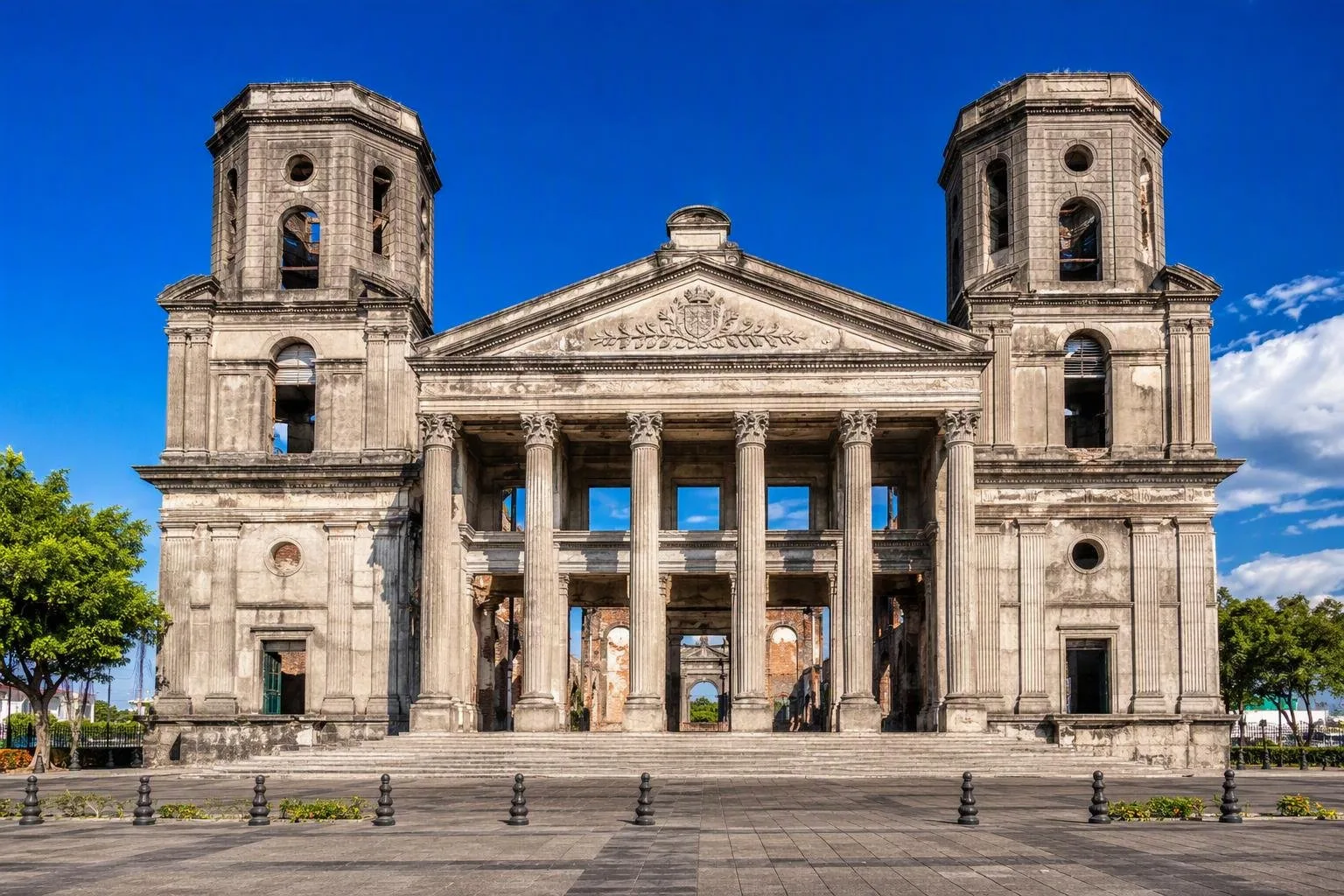
Managua’s former cathedral stands beside Plaza de la Revolución in the old city centre. Damaged beyond use in the 1972 earthquake, its surviving neoclassical façade remains one of the capital’s defining historic landmarks.
What you are looking at
Catedral Metropolitana de Santiago Apóstol is Managua’s old cathedral, also known locally as the Antigua Catedral de Managua. Built from 1928 to 1938, it was the city’s principal Catholic church until the earthquake of 23 December 1972 left it structurally unsafe. It was never returned to active use; the later Metropolitan Cathedral of the Immaculate Conception serves that role elsewhere in Managua.
The building matters because it makes the scale of the former city centre visible. Its damaged shell stands beside Plaza de la Revolución, near the National Palace of Culture and the lakefront-facing historic core.
Read the façade
Approach from the plaza side for the clearest view. The front is formally symmetrical: a high central stair rises to a broad portico carried by six columns, while octagonal towers taper upward at either end and finish in domes.
The design is neoclassical, with a façade often compared with Paris’s Church of Saint-Sulpice. Behind it was an early-20th-century iron frame brought from Belgium and assembled under engineer Pablo Dambach. That structure survived Managua’s 1931 earthquake while the cathedral was still under construction.
The 1972 rupture
The 1972 earthquake did not erase the cathedral in one collapse. Its towers and front remained standing, but the walls, columns and arches cracked and parts of the roof were lost. The damage rendered the building unsafe, leaving it as a preserved ruin rather than a functioning church.
Look closely at the open and broken upper structure rather than expecting a restored interior. This is a monument to the physical break between pre-earthquake Managua and the dispersed capital that followed.
Visit practically
The cathedral is in Managua’s old centre, on the eastern side of Plaza de la Revolución. Pair it with the square and the National Palace of Culture immediately nearby; the Rubén Darío National Theatre is a short walk away.
- Best viewpoint: the open plaza gives enough distance for the full façade and both towers.
- Access: treat the cathedral as an exterior landmark. The interior has long been closed because of structural damage.
- Getting there: taxis can use the name Antigua Catedral or Catedral de Santiago. Several city bus routes stop near Palacio Nacional, a few minutes on foot.
- Time needed: allow 15–30 minutes for the exterior and longer if continuing through the plaza precinct.
Photography and context
The strongest composition is front-on, centred on the stair and portico, with both towers in frame. Late-afternoon light can define the recessed arches and columns, but the open square offers little shade. Keep clear of fences and do not attempt to enter the building or climb its steps beyond permitted public areas.
From the magazine
Stories about Catedral Metropolitana de Santiago Apóstol
Editorial stories linked directly to Catedral Metropolitana de Santiago Apóstol.
No stories about Catedral Metropolitana de Santiago Apóstol have been published yet.
Routes from our editors
Travel through Catedral Metropolitana de Santiago Apóstol
Editorial routes connecting Catedral Metropolitana de Santiago Apóstol with other countries, cities and hotspots.
No routes through Catedral Metropolitana de Santiago Apóstol have been published yet.
More in Nicaragua
Related hotspots
Other cities, nature areas and places within Nicaragua.
Managua
4 linked stories and routes
Mercado Roberto Huembes
2 linked stories and routes
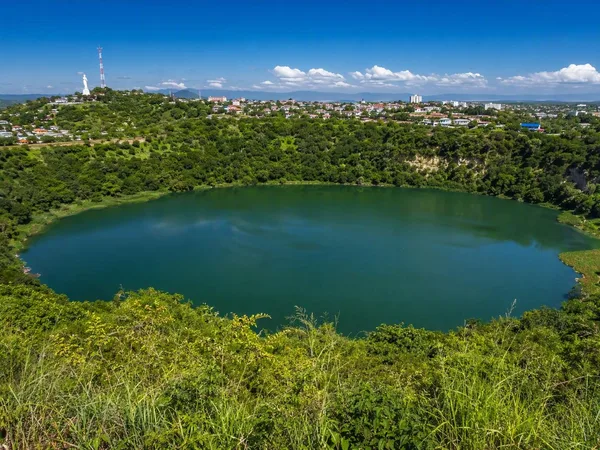
Laguna de Tiscapa
1 linked stories and routes
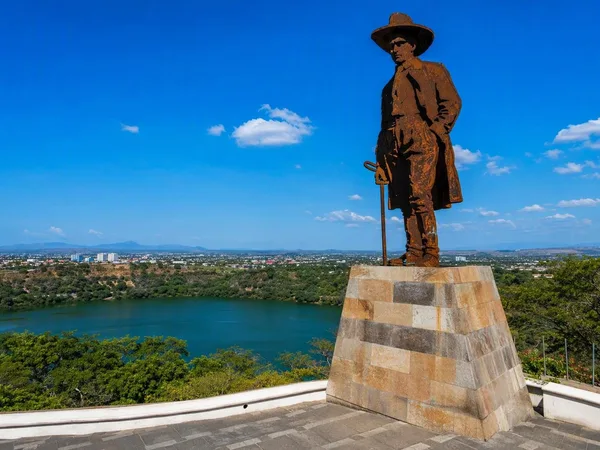
Loma de Tiscapa
1 linked stories and routes
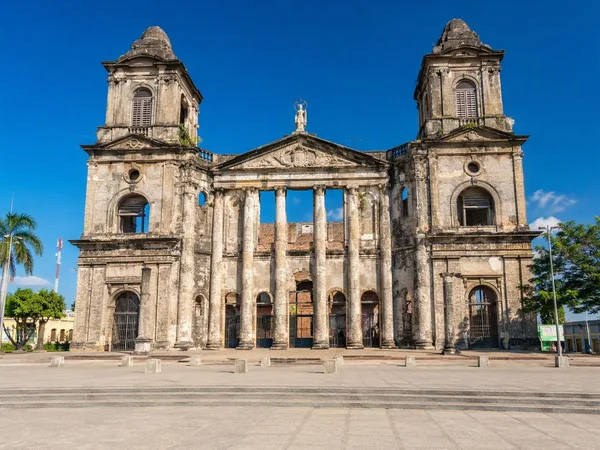
Plaza de la Revolución
1 linked stories and routes
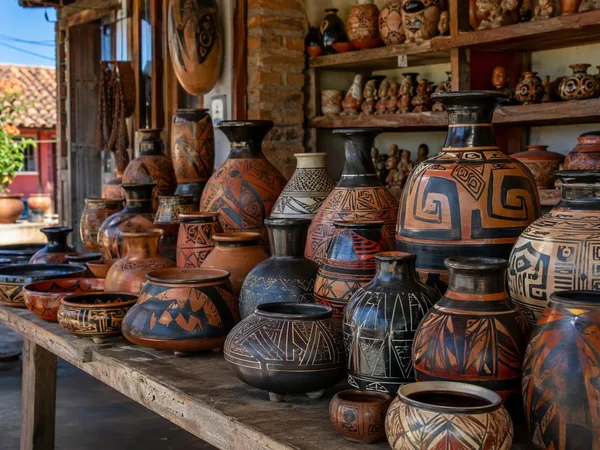
San Juan de Oriente
1 linked stories and routes
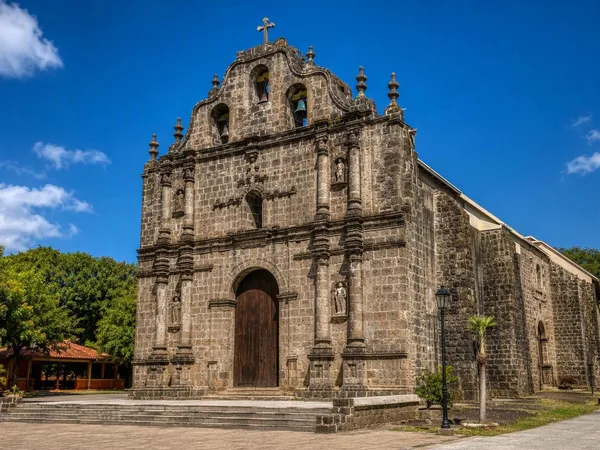
Diriomo
1 linked stories and routes
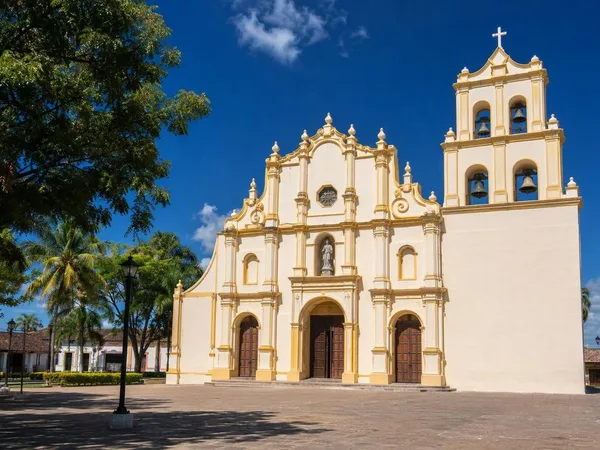
Niquinohomo
1 linked stories and routes
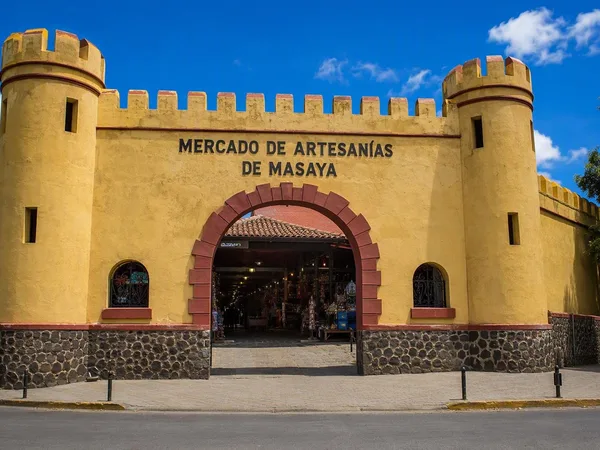
Masaya
1 linked stories and routes
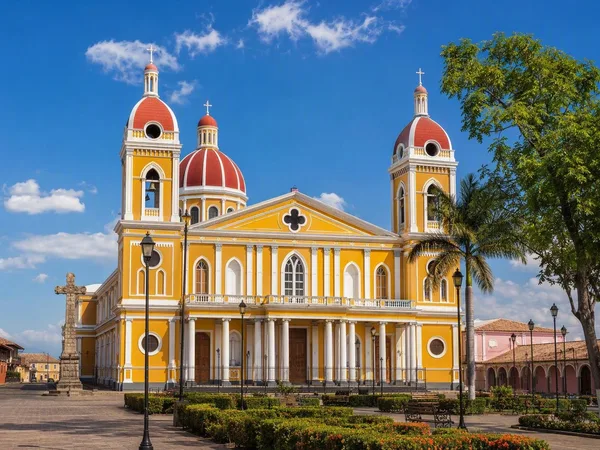
Granada, Nicaragua
1 linked stories and routes
Rivas
1 linked stories and routes
León, Nicaragua
1 linked stories and routes