
City · Nicaragua
Niquinohomo
Niquinohomo is a historic city in Nicaragua’s Masaya department, about 40 km from Managua. It is the birthplace of Augusto C. Sandino and a compact stop for colonial church architecture, Sandino history and local craft traditions.
Orientation
Niquinohomo sits on the Meseta de los Pueblos in southern Masaya department, among the highland towns between Masaya and the Granada area. The town centre is small, flat and easily covered on foot; use the central plaza and Santa Ana Church as your bearings.
This is not a resort town. Come for a focused historical walk, local religious architecture and workshops rather than a long list of formal attractions. Niquinohomo was declared National Historical Heritage in 2002.
Sandino’s Niquinohomo
Augusto César Sandino was born here, and the town’s principal historical sites trace that connection. Start at the Casa Museo del General Augusto C. Sandino, in the Sandino family home. Its displays include historical objects, photographs, restored furniture and the house’s original divisions.
Continue through the General Sandino pedestrian circuit, which links sites associated with his life and legacy. The circuit also brings you to the Sandino monument and the old municipal cemetery, where members of his family are buried.
Keep the visit specific: Niquinohomo explains Sandino’s local origins; the wider military and political history belongs to the national story beyond the town.
Santa Ana and the centre
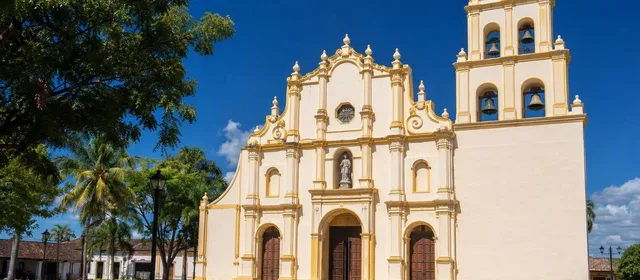
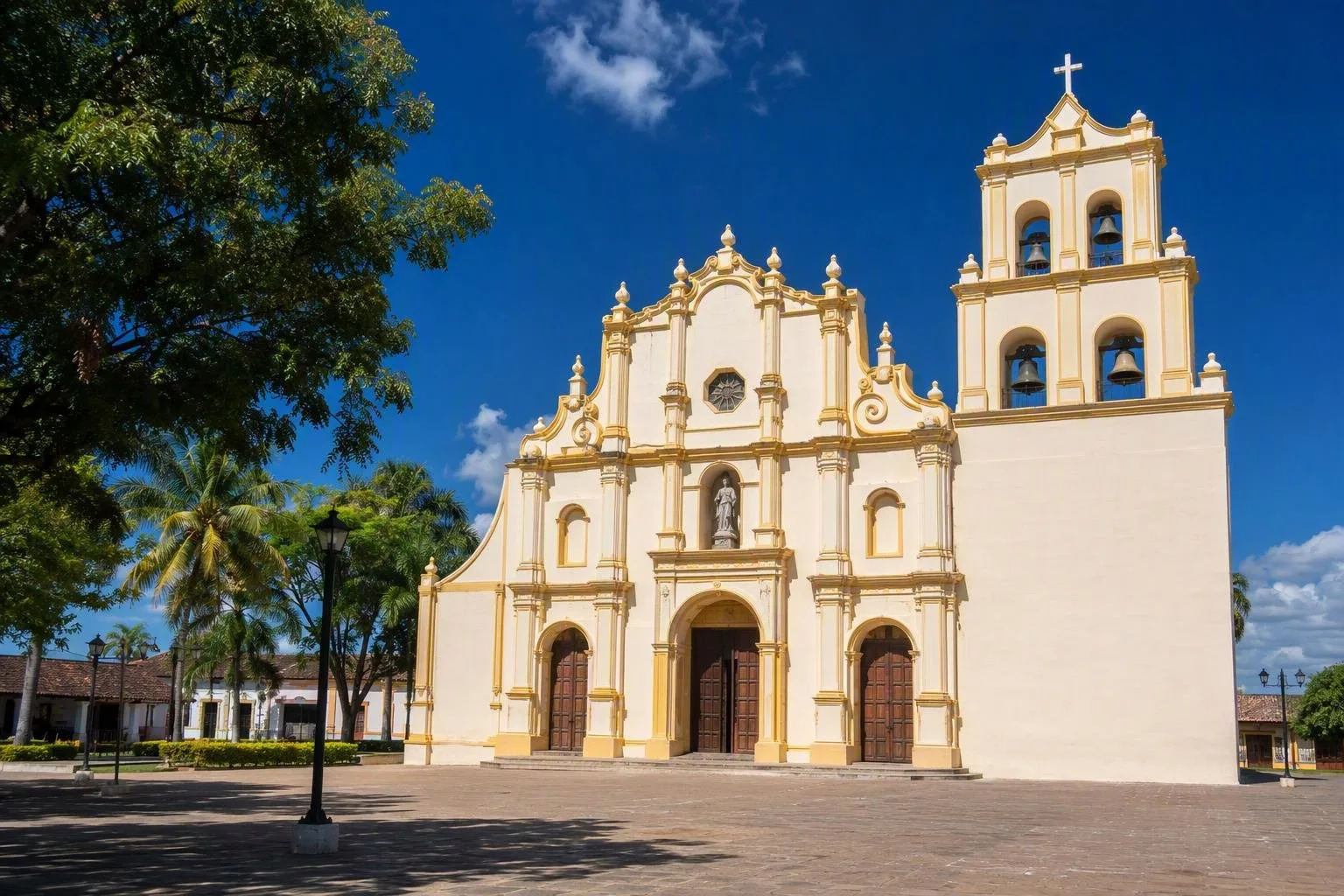
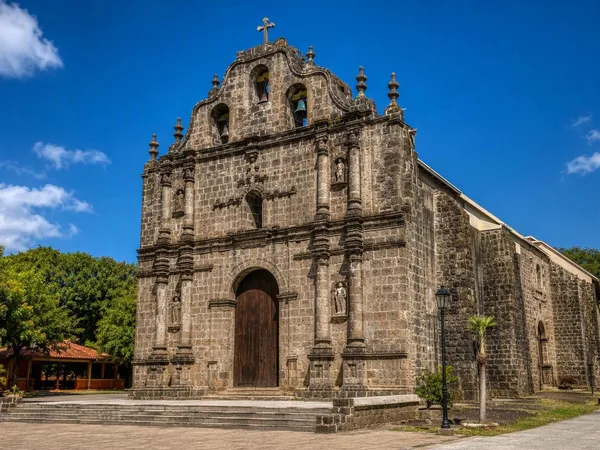
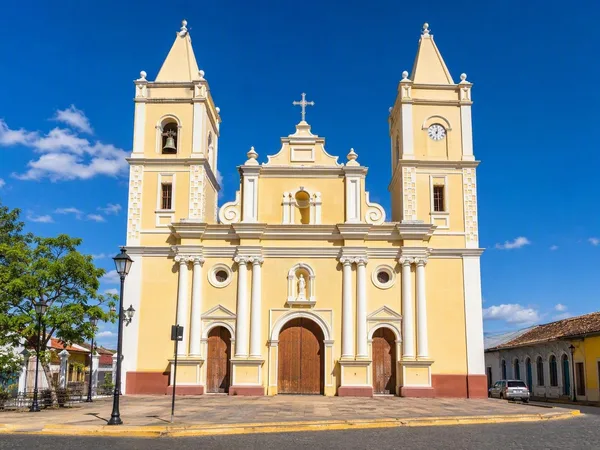
Santa Ana Church dominates the central plaza. Its Baroque façade, three-window bell tower, three naves and Baroque altarpiece make it the essential architectural stop. The church is a national historic monument and the natural anchor for a short walk through streets of high-walled, colonial-style houses.
Also look for:
- El Calvario Hermitage, another religious landmark with an Immaculate Conception image and Baroque baldachin.
- Central Park, where a sculpture of the Indigenous figure Nekecher references the town’s Chorotega heritage.
- Older domestic façades, best appreciated as part of the street scene rather than as individual museums.
Crafts and food
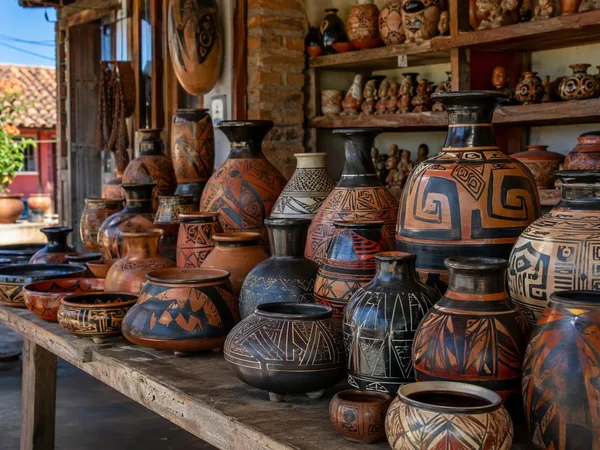
Craft remains part of Niquinohomo’s working identity. Local makers produce carved wood, embossed aluminium, painted pieces, baskets, hammocks, woven furniture, leather goods and ceramics. Workshop production varies, so treat purchases as direct, locally made work rather than a standardized market offering.
For food, look for corn-based staples such as bollos, rosquillas and cosa de horno, plus local cajetas. These are practical snacks for a daytime stop rather than a reason to expect a large dining scene.
Timing and practical rhythm
The patron-saint celebrations for Santa Ana run from 8 July into the first weekend of August; 26 July is the principal day. Expect processions, masses, fireworks and traditional food, with more activity around the church and plaza.
Outside festival dates, visit in daylight and combine the museum, church and centre in one unhurried walk. Niquinohomo is about 40 km from Managua, making it straightforward to reach as part of a Masaya highlands itinerary.
From the magazine
Stories about Niquinohomo
Editorial stories linked directly to Niquinohomo.
No stories about Niquinohomo have been published yet.
Routes from our editors
Travel through Niquinohomo
Editorial routes connecting Niquinohomo with other countries, cities and hotspots.
No routes through Niquinohomo have been published yet.
More in Nicaragua
Related hotspots
Other cities, nature areas and places within Nicaragua.
Managua
4 linked stories and routes
Mercado Roberto Huembes
2 linked stories and routes
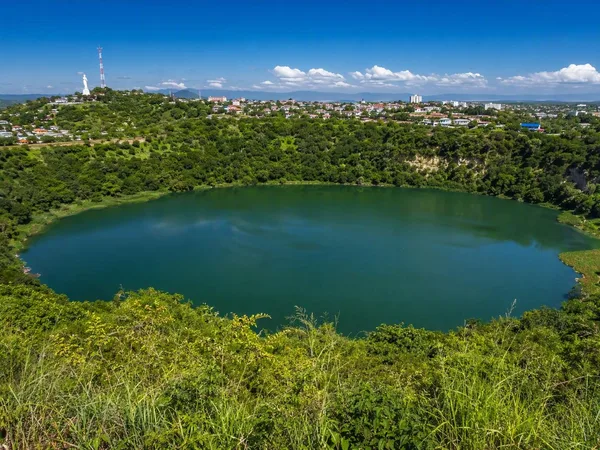
Laguna de Tiscapa
1 linked stories and routes
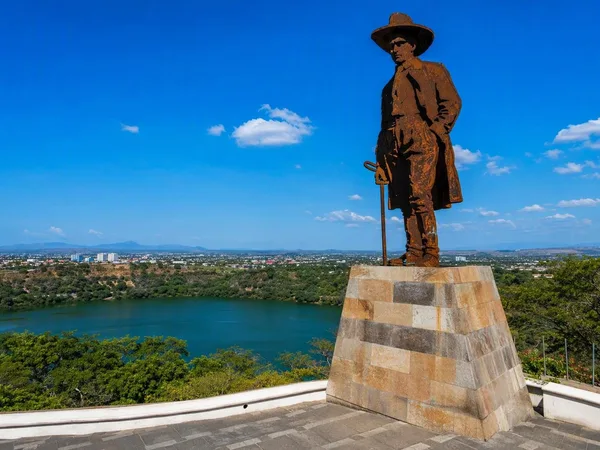
Loma de Tiscapa
1 linked stories and routes
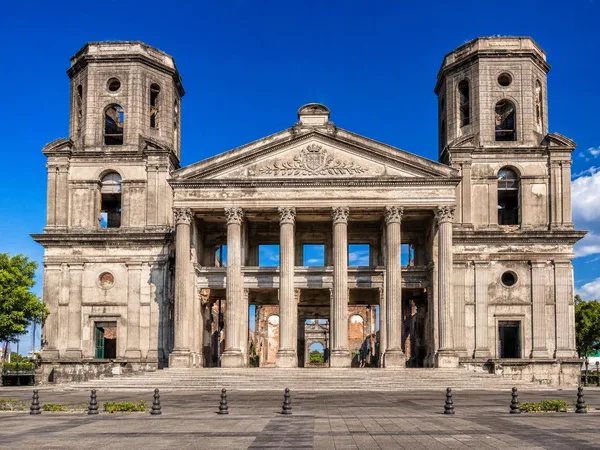
Catedral Metropolitana de Santiago Apóstol
1 linked stories and routes
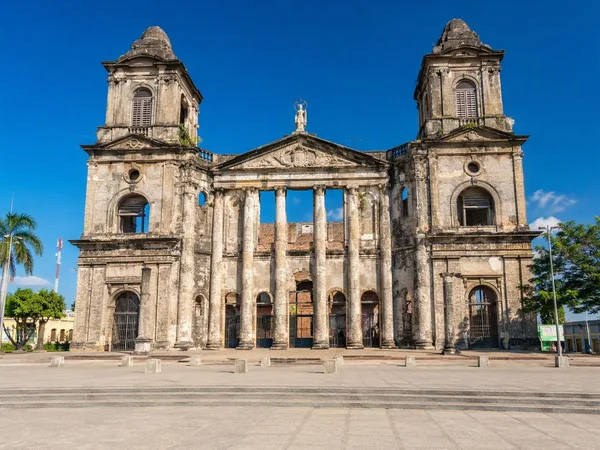
Plaza de la Revolución
1 linked stories and routes
San Juan de Oriente
1 linked stories and routes
Diriomo
1 linked stories and routes
Masaya
1 linked stories and routes
Granada, Nicaragua
1 linked stories and routes
Rivas
1 linked stories and routes
León, Nicaragua
1 linked stories and routes