
City · Nicaragua
Granada, Nicaragua
Granada is a historic city on the shore of Lake Cocibolca in western Nicaragua. Founded in 1524, it combines a compact colonial centre with lake access to the Islets of Granada and views towards Mombacho Volcano.
Orientation
Granada sits on the western shore of Lake Cocibolca, about 45 km from Managua. Its historic centre is the working core: a walkable grid of low, brightly painted buildings, churches, plazas and inner-courtyard houses. The city was founded in 1524 and retains a strong colonial and neoclassical architectural character.
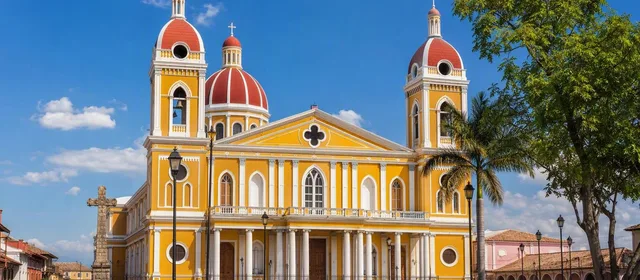
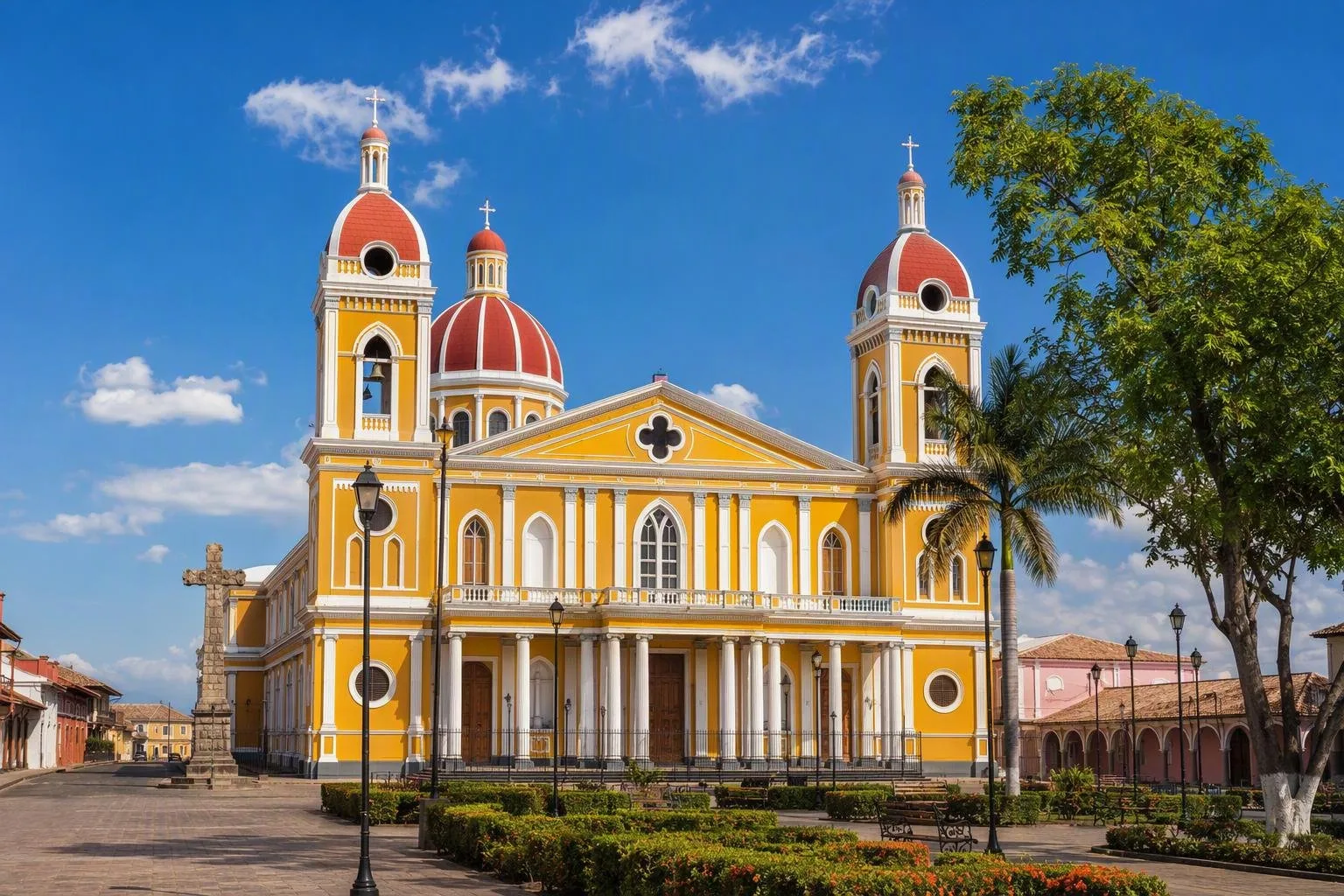
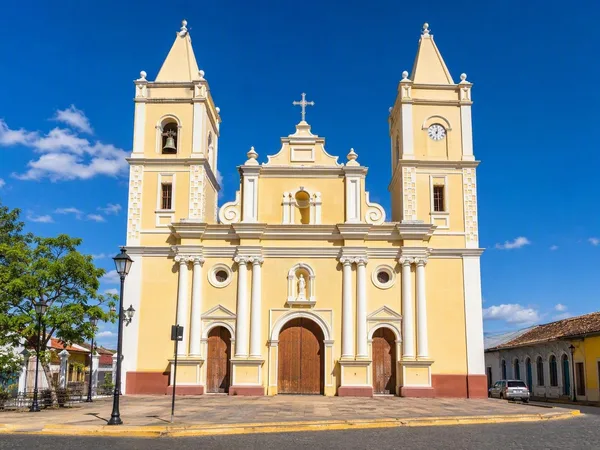
Start at Parque Central, where the yellow Granada Cathedral faces the square. This is the clearest point for getting your bearings: the lake lies east, while the older streets and Xalteva area extend west.
The historic centre
The centre rewards an unhurried walk rather than a checklist. Follow the streets around Parque Central for the cathedral, civic buildings and painted façades, then continue to the San Francisco Convent and Museum. Its collection includes pre-Columbian statuary brought from Zapatera Island, adding a useful indigenous counterpoint to the colonial streetscape.
Calle La Calzada runs from the central area towards the lake and is Granada’s main pedestrian-oriented dining street. It is a practical route for linking the centre with the waterfront rather than an attraction to rush through.
For a local classic, look for vigorón: boiled yuca with chicharrón and cabbage salad, traditionally sold at the Central Park kiosks and the municipal market.
Lake and islets
Lake Cocibolca is part of Granada’s identity, not just its backdrop. The Islets of Granada form a volcanic archipelago off the city, with narrow channels, vegetation and views back to the urban shore and Mombacho. Boat trips are the straightforward way to see them; departure points include lakeside marinas and Puerto Asese.
The islets are best treated as a separate half-day outing. Ask before departure whether the route includes the channels you want to see and whether it lands anywhere, as itineraries vary.
Mombacho in the distance
Mombacho Volcano rises south of Granada and gives the city its defining horizon. The natural reserve has cloud forest, volcanic fumaroles and marked trails; it is an excursion outside the city, not part of the urban centre. Choose a trail that matches your fitness and allow for cooler, wetter conditions at altitude than in Granada.
Getting around
The historic core is manageable on foot. Streets were laid out long before motor traffic, so many are narrow and one-way; walking is often simpler than driving within the centre. Use a taxi for the lake departure areas or the bus terminal, and agree the fare before setting off. Granada also works as a road base for Managua and southern Nicaragua, but the city itself is best explored slowly on foot.
From the magazine
Stories about Granada, Nicaragua
Editorial stories linked directly to Granada, Nicaragua.
No stories about Granada, Nicaragua have been published yet.
Routes from our editors
Travel through Granada, Nicaragua
Editorial routes connecting Granada, Nicaragua with other countries, cities and hotspots.
No routes through Granada, Nicaragua have been published yet.
More in Nicaragua
Related hotspots
Other cities, nature areas and places within Nicaragua.
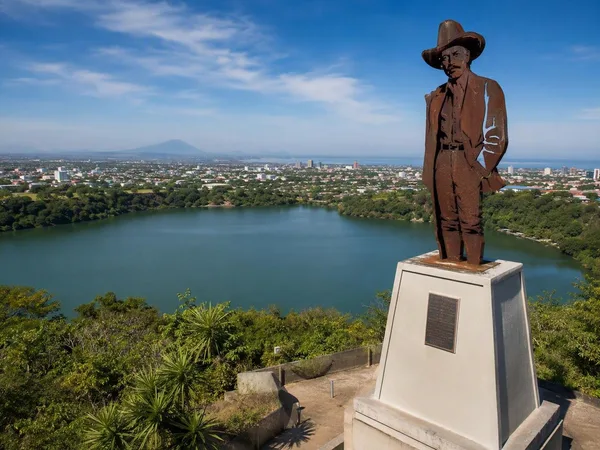
Managua
4 linked stories and routes
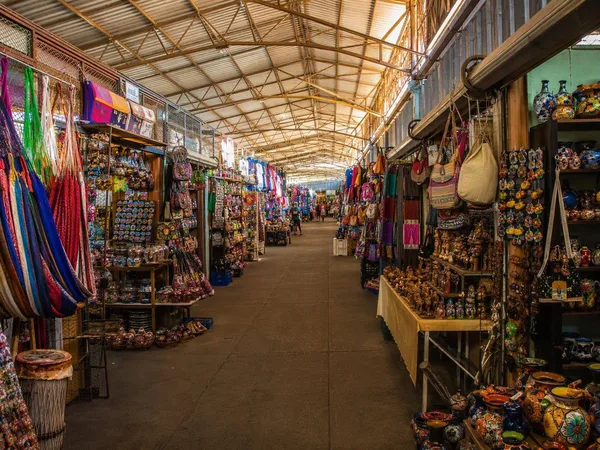
Mercado Roberto Huembes
2 linked stories and routes
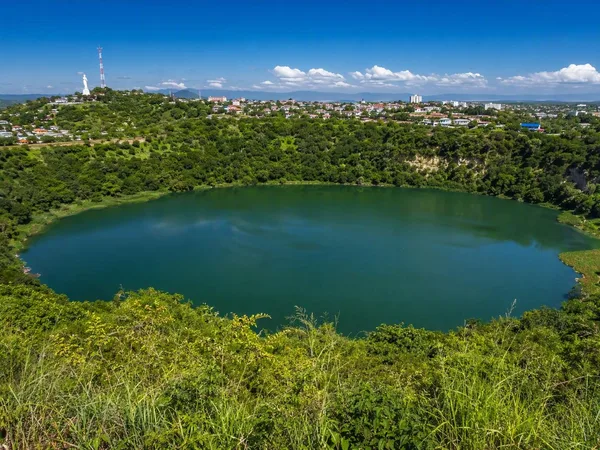
Laguna de Tiscapa
1 linked stories and routes
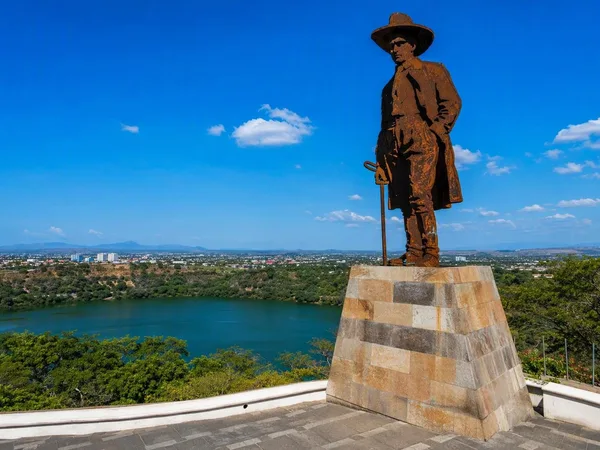
Loma de Tiscapa
1 linked stories and routes
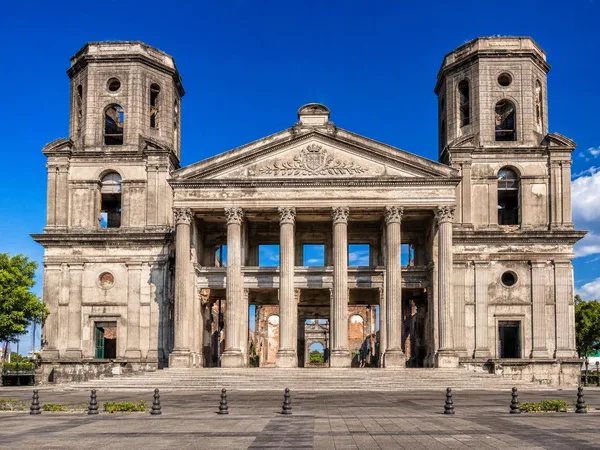
Catedral Metropolitana de Santiago Apóstol
1 linked stories and routes
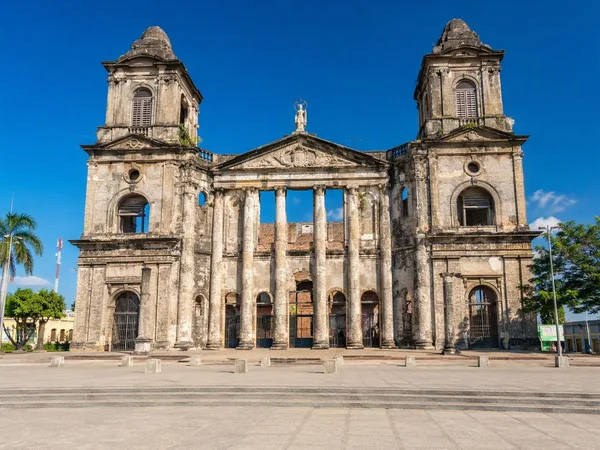
Plaza de la Revolución
1 linked stories and routes
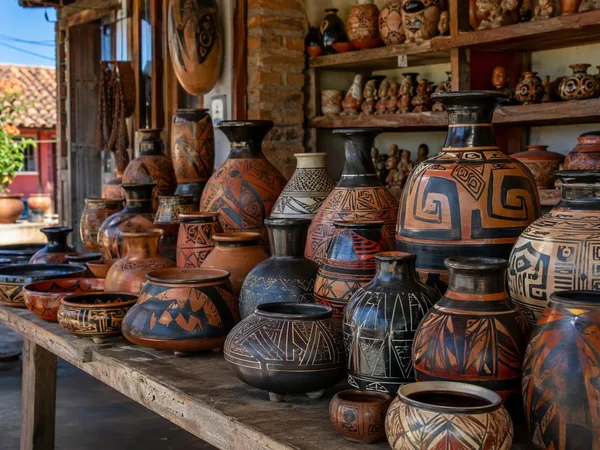
San Juan de Oriente
1 linked stories and routes
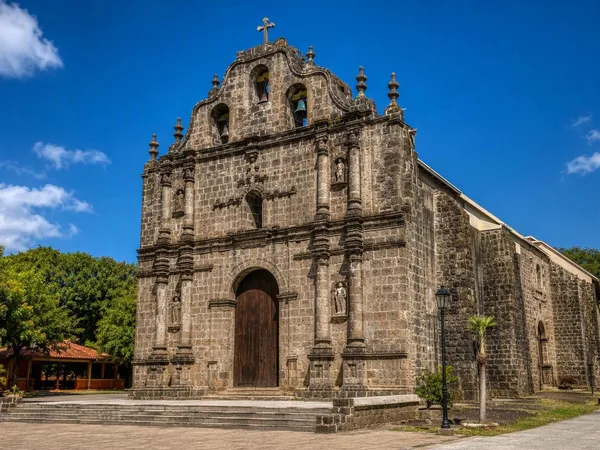
Diriomo
1 linked stories and routes
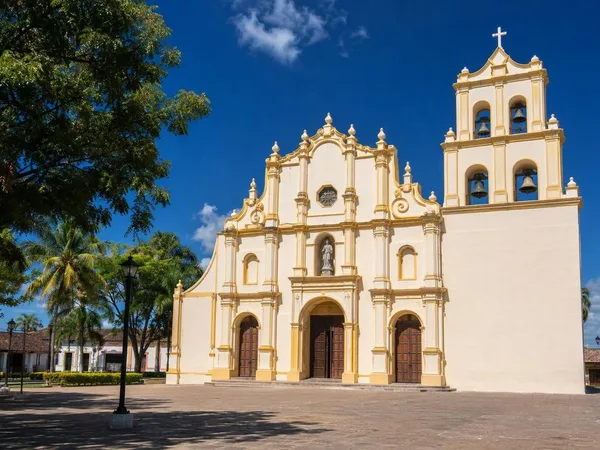
Niquinohomo
1 linked stories and routes
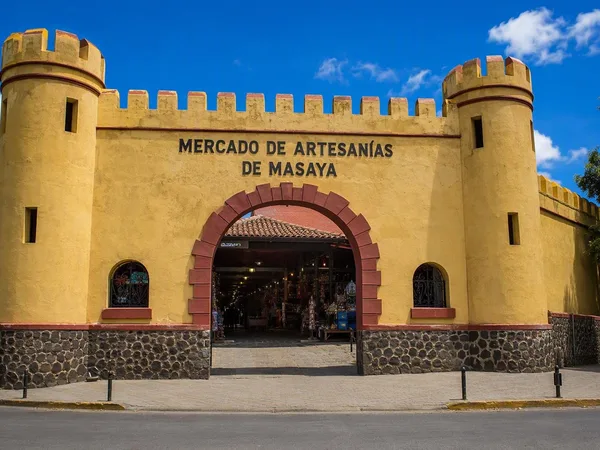
Masaya
1 linked stories and routes
Rivas
1 linked stories and routes
León, Nicaragua
1 linked stories and routes