
Nature area · Nicaragua
Laguna de Tiscapa
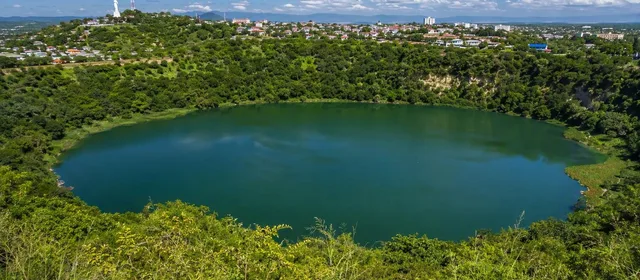
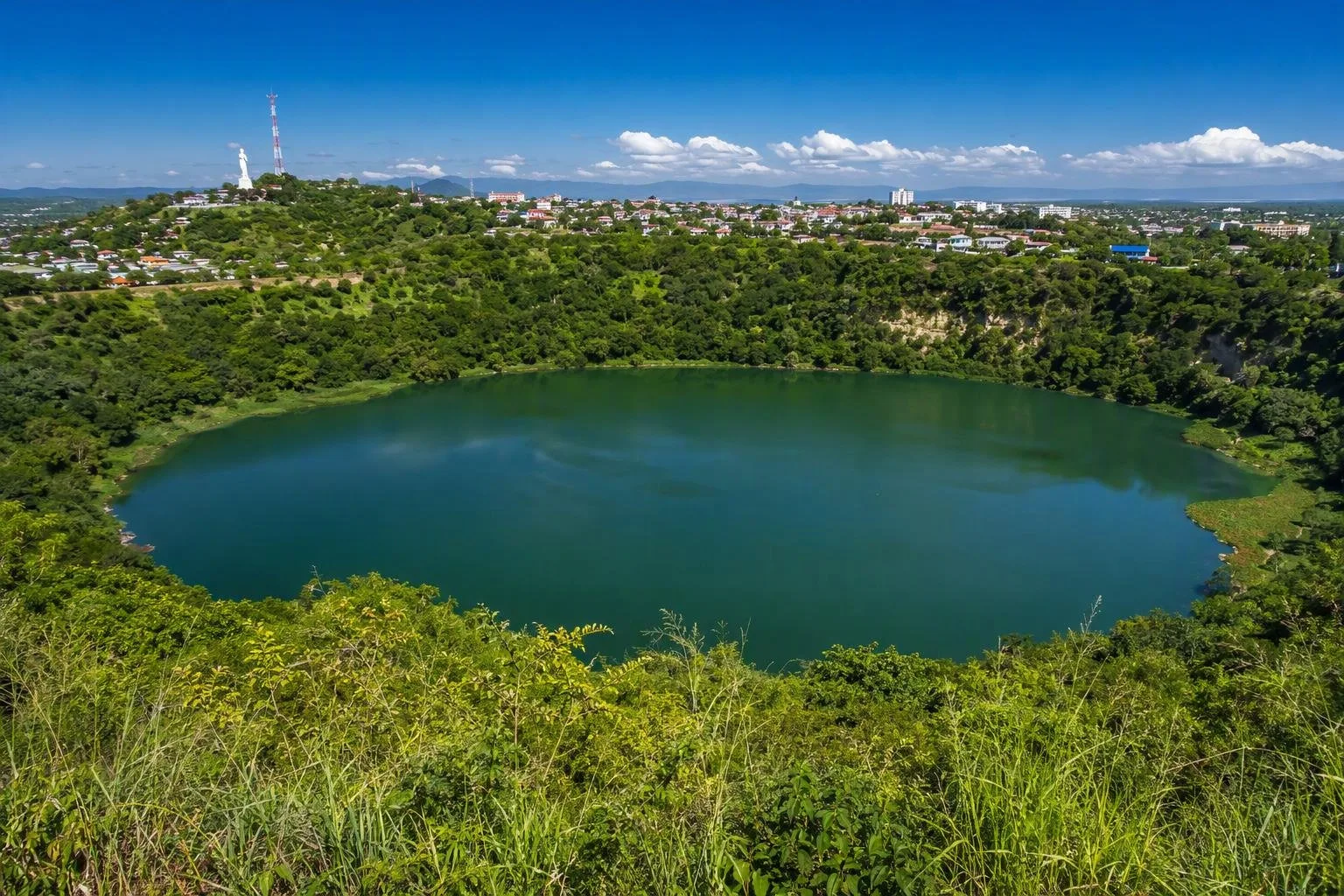
Laguna de Tiscapa is a volcanic crater lagoon in central Managua, Nicaragua, enclosed by the steep slopes of the Loma de Tiscapa. It combines an urban nature reserve with a commanding viewpoint over the capital.
The crater in the city
Laguna de Tiscapa occupies a near-circular volcanic crater in central Managua, roughly 2 km from Lake Xolotlán. The water sits below sharply rising, vegetated crater walls; streets, residences and major city facilities press close beyond the rim. It is a striking piece of volcanic topography within the capital rather than a remote lake escape.
The lagoon and its surrounding slopes form a protected natural reserve, established in 1991. Tiscapa belongs to the Nejapa–Miraflores volcanic field: an explosive eruption formed the crater, which later filled with water. The steep terrain is part of the experience, so wear shoes suitable for uneven paths and slopes.
What to see
The best way to understand Tiscapa is from the rim. The Loma de Tiscapa rises along the crater and provides broad views across Managua, north toward Lake Xolotlán. Look down into the enclosed lagoon first, then outward: the contrast between the green crater bowl and the low, spread-out city is the site’s defining view.
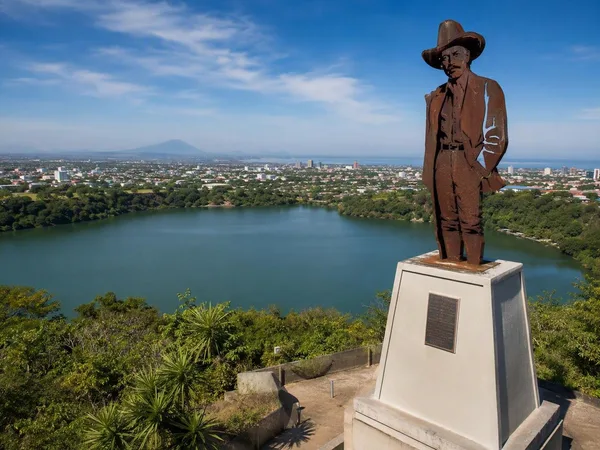
The rim also carries much of the place’s historical weight. The former presidential complex stood on the Loma until the 1972 earthquake damaged it beyond use. The hill now holds the monumental Sandino silhouette, remains associated with the former complex and an Italian CV.33 light tank given to Anastasio Somoza García. Treat these as serious historical objects, not decorative park pieces.
Walking the reserve
Use the paths and viewpoints to view the lagoon from above and along its edge. A walk here works well as a short central-Managua stop, especially when paired with the Loma’s historic features. The lake itself is the destination; do not expect a beach or watersports setting.
- For photography: frame the bowl-shaped lagoon from the rim, with the city beyond.
- For context: allow time to look at both the crater and the monuments on the Loma.
- For terrain: expect paved access toward the rim but steeper, more irregular ground around the crater landscape.
Access and essential caution
Approach via the roads climbing from the Avenida Bolívar area toward Loma de Tiscapa; taxis or a private vehicle are the most straightforward option in Managua. The reserve sits within the city, near Plaza Inter and the Crowne Plaza area, rather than at an out-of-town trailhead.
Do not swim or drink the water. Urban runoff and long-standing pollution have made the lagoon unsuitable for bathing or consumption. Stay on open paths, respect barriers around the steep crater sides, and keep the visit focused on viewpoints and the historic hill.
From the magazine
Stories about Laguna de Tiscapa
Editorial stories linked directly to Laguna de Tiscapa.
No stories about Laguna de Tiscapa have been published yet.
Routes from our editors
Travel through Laguna de Tiscapa
Editorial routes connecting Laguna de Tiscapa with other countries, cities and hotspots.
No routes through Laguna de Tiscapa have been published yet.
More in Nicaragua
Related hotspots
Other cities, nature areas and places within Nicaragua.
Managua
4 linked stories and routes
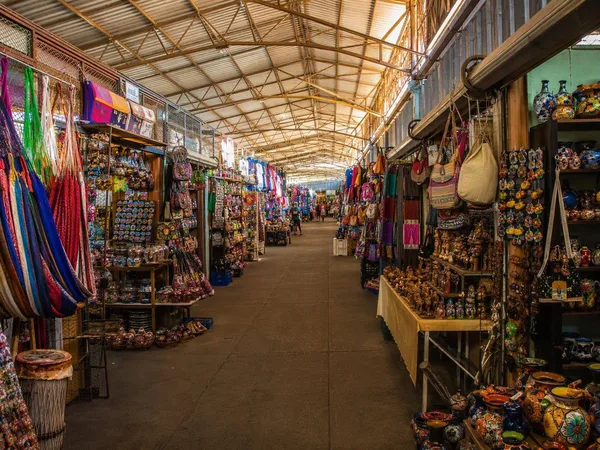
Mercado Roberto Huembes
2 linked stories and routes
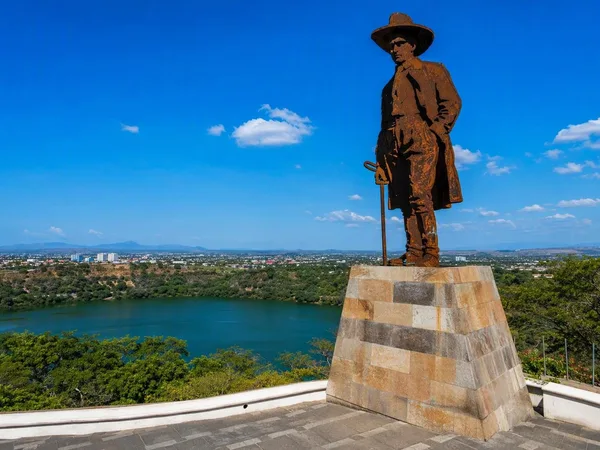
Loma de Tiscapa
1 linked stories and routes

Catedral Metropolitana de Santiago Apóstol
1 linked stories and routes
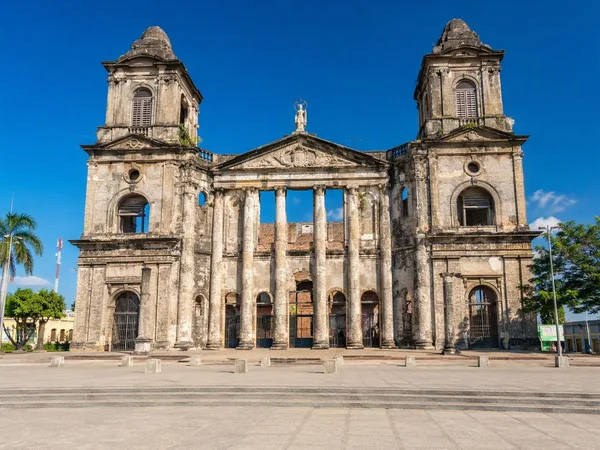
Plaza de la Revolución
1 linked stories and routes
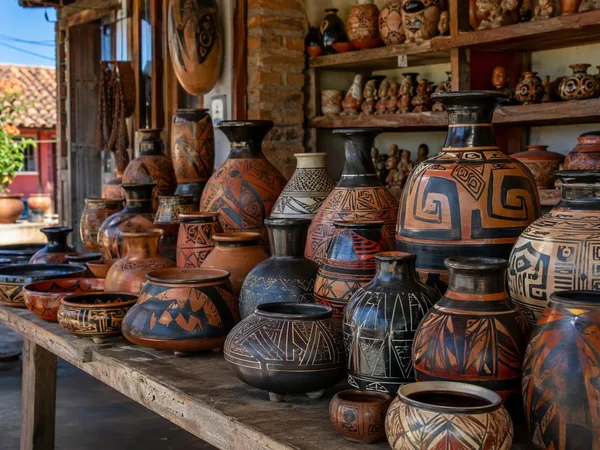
San Juan de Oriente
1 linked stories and routes
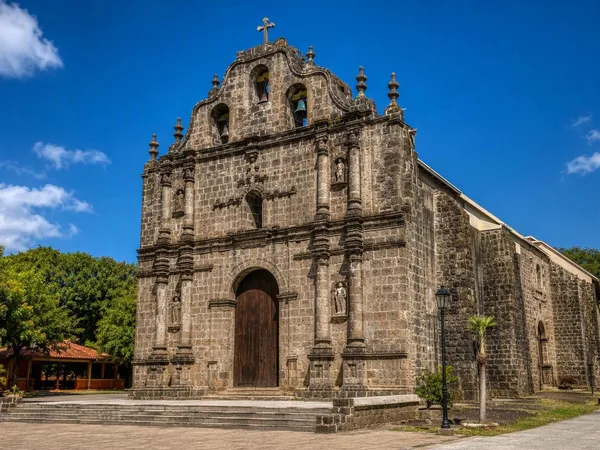
Diriomo
1 linked stories and routes
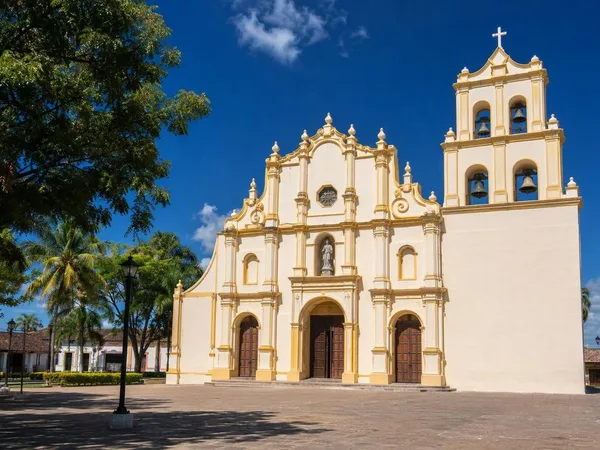
Niquinohomo
1 linked stories and routes
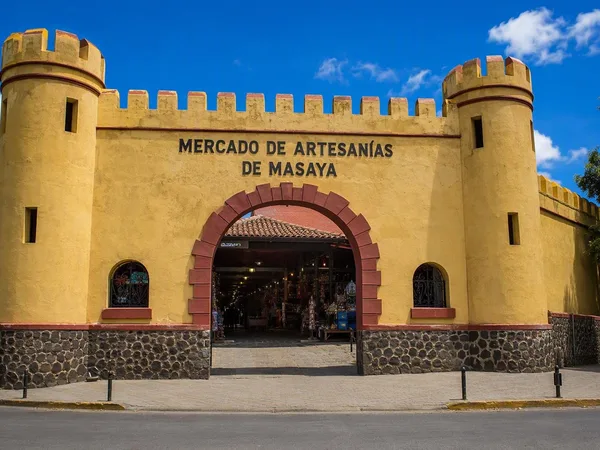
Masaya
1 linked stories and routes
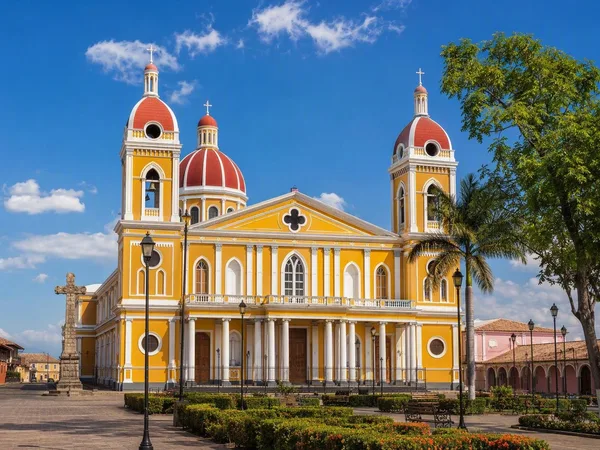
Granada, Nicaragua
1 linked stories and routes
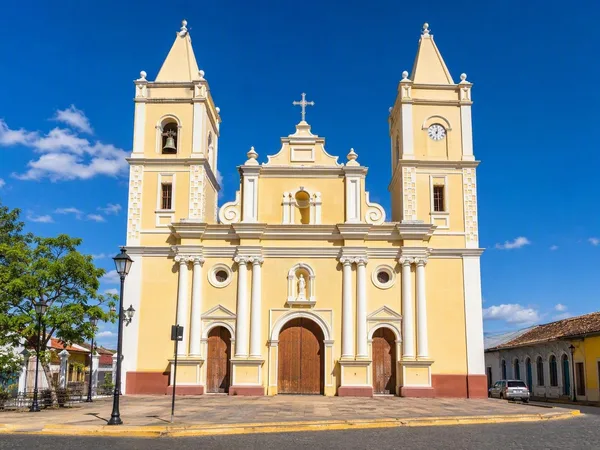
Rivas
1 linked stories and routes
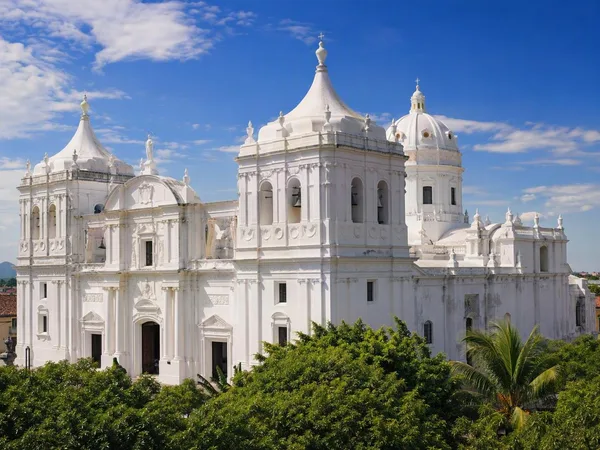
León, Nicaragua
1 linked stories and routes