Where Ecuador’s cacao changes form in Quito
At República del Cacao’s Quito factory, cacao arrives stripped of its tropical disguise. Growers have already harvested the pods, fermented the wet beans and dried them; the city’s work begins with sacks of dry cacao.
Quito starts with the dry bean
The phrase bean to bar can hide more than it explains. República del Cacao processes cacao in Quito, but the agricultural half of the chain takes place elsewhere: growers harvest pods, ferment the beans in their pulp and dry them before the sacks reach the capital.
That division matters in a city nearly 2,800 metres above sea level. Cacao does not grow above roughly 1,300 to 1,400 metres, so Quito cannot supply its own factory from nearby trees. The factory receives a crop that farmers have already pruned, picked, opened, fermented and dried.
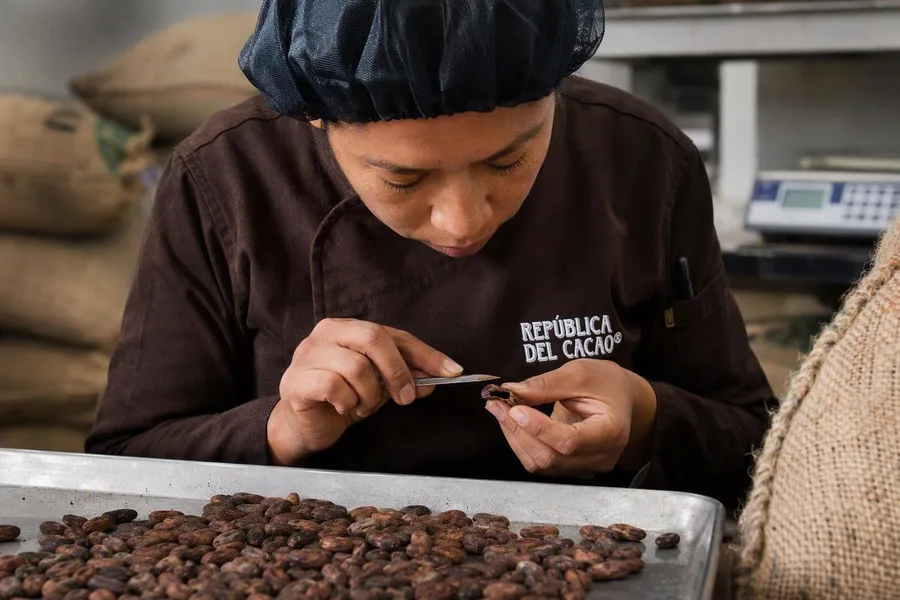 A factory worker inspects a cut dry cacao bean at República del Cacao in Quito.
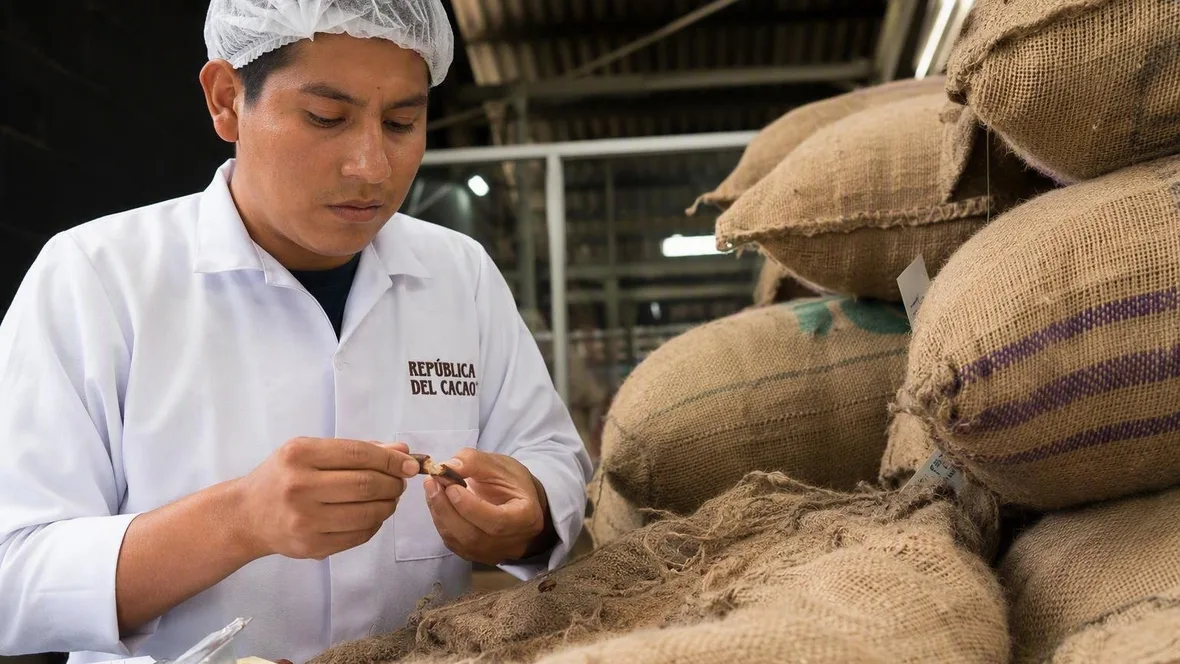
At the factory, staff sample incoming lots and cut beans open to assess their colour before accepting a sack. This is not a ceremonial check. It tests the condition of the fermentation carried out far from Quito; the factory can assess that work, but it cannot repeat it.
Accepted beans go into the roaster. A winnowing machine cracks them and separates the shell from the nib, and the nibs then become chocolate mass through grinding. The factory refines and conches that mass, adding sugar, dairy ingredients or cacao butter at different stages according to the recipe. It then tempers the chocolate, deposits it in moulds or as drops, cools it in a tunnel and packages it.
Those steps make Quito more than a sales address. Heat, machinery and controlled mixing turn a stable agricultural ingredient into a different product. Yet the factory is not a plantation under a roof, and it should not be presented as one.
A Cacao Lab within the factory develops recipes and applications with specialist chocolate-making and mixing equipment. The lab puts contemporary chocolate work alongside the production line: cacao is handled as a material that must be heated, mixed, refined and set with care.
The company name could suggest a tidy national story. The raw materials do not. The Quito operation processes cacao from Ecuador, Peru, Mexico and the Dominican Republic, alongside ingredients including Ecuadorian milk, sugar, panela and maize. A product made in Quito is therefore not automatically Ecuadorian in every ingredient, and no source supports treating every batch as Nacional cacao from one finca.
From Amazon farms to the Andes
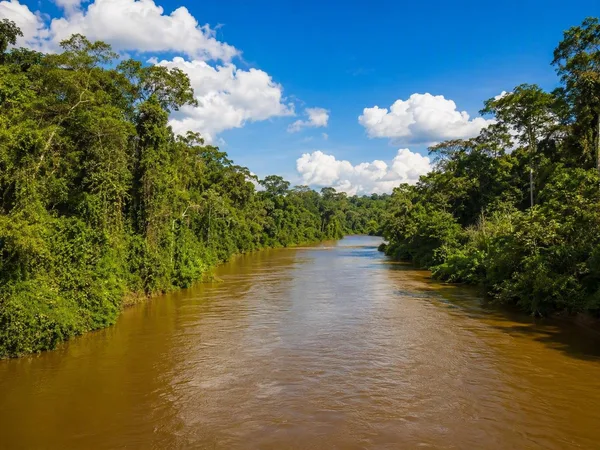
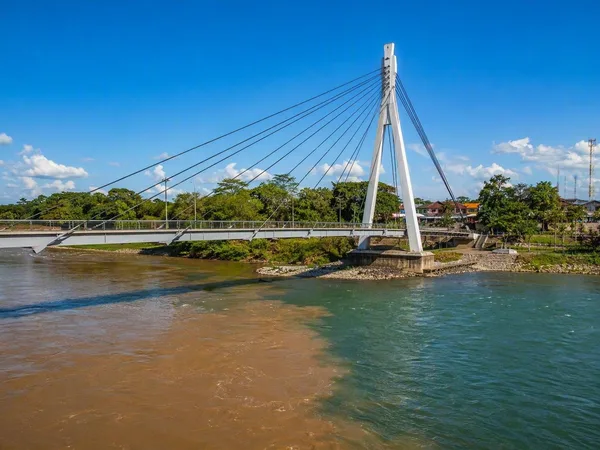
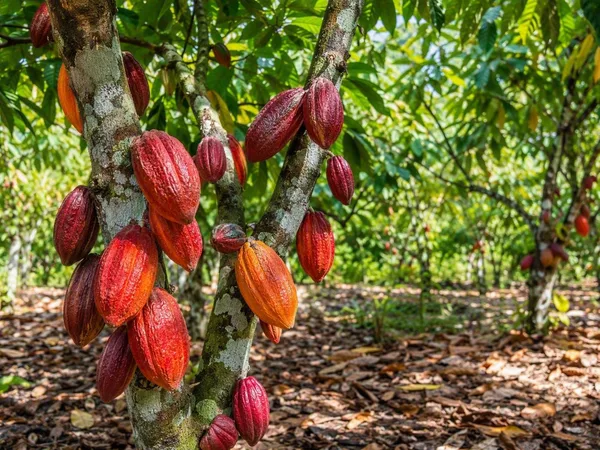
One documented link connects the factory to Kallari growers in Ecuador’s Amazon region. On farms near Tena, cacao grows beside tropical fruit and Amazonian garlic. Farmers open ripe pods with a machete, exposing raw beans held in white pulp.
Fermentation and drying follow on the producing side of the chain before beans travel across the Andes to Quito. República del Cacao also runs workshops with growers on pruning, fermentation and drying. These farm practices help determine the condition of the dry beans that arrive at the factory’s receiving point.
Kallari offers a specific connection, not a licence for a sweeping claim. The available evidence does not show that every lot processed in Quito comes from these growers. Ecuadorian cacao is not one uniform crop either. Genetics, growing region and the handling of each harvest all shape the beans that leave the farm.
Nacional, Arriba and the long route to Quito
Ecuador’s best-known cacao name needs the same precision. Nacional is associated with cacao fino de aroma, but it is not a catch-all label for every Ecuadorian bean.
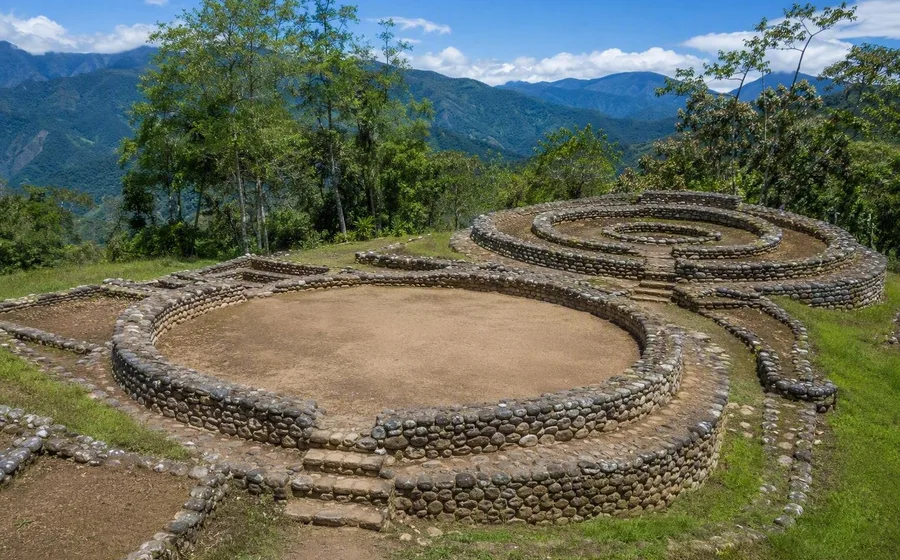
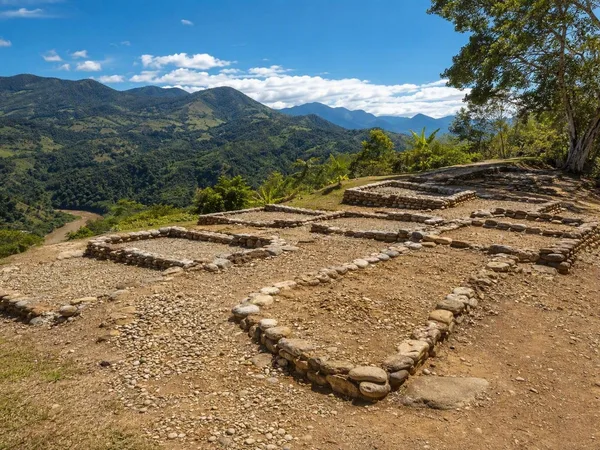
Genetic research links the original Nacional population to wild cacao around the Nangaritza and Yacuambi rivers in Zamora Chinchipe, in Ecuador’s southern Amazon. Archaeological work at Santa Ana–La Florida, in the same province, has identified cacao use around 3300 BC. Cacao’s Ecuadorian history therefore begins well away from the familiar image of a coastal plantation.
Cultivation later spread towards the Guayas basin and its tributaries. Arriba became associated with growing areas upstream from Guayaquil, especially in Guayas, Los Ríos and Manabí. The word carries geography and trading history; it does not describe all Ecuadorian cacao. Manabí, Guayas, Los Ríos and Esmeraldas remain the principal provinces associated with Nacional-type cacao.
The original Nacional population has also changed. Disease and crosses with introduced planting material have heavily mixed its genetics. That history makes the factory’s modest receiving ritual more meaningful: each lot still needs to be sampled and judged on arrival, rather than accepted on the strength of a celebrated name.
A highland city with an old cacao connection
Quito has relied on cacao from lower, warmer lands for a long time. Researchers found both cacao starch grains and theobromine in a vessel from the Quito culture, dated between AD 500 and 1500. The evidence indicates that cacao already reached this Andean settlement, probably as a transported and processed ingredient for a drink.
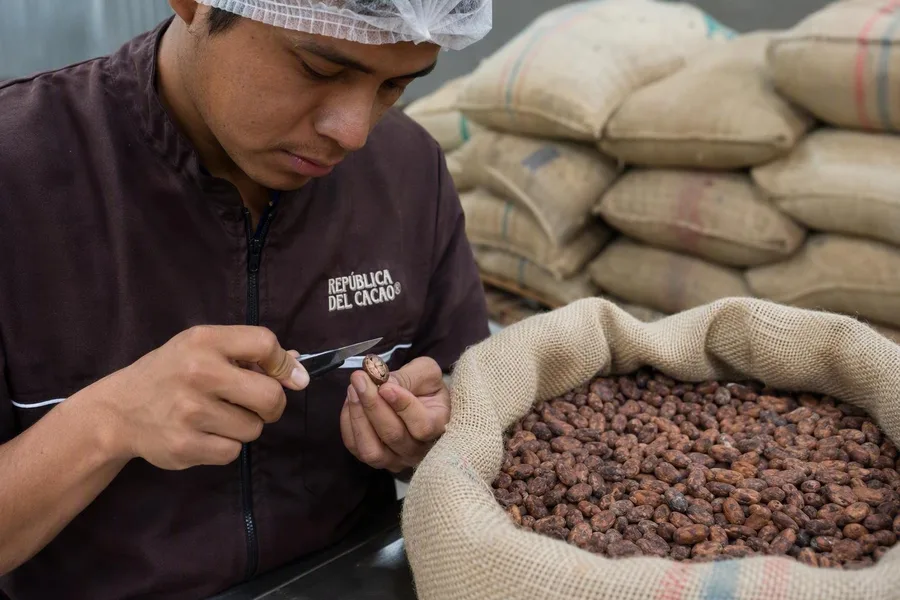 A staff member checks a cut dry cacao bean at República del Cacao’s Quito factory.
Today’s chocolate culture keeps that separation visible rather than erasing it. Amazonian and coastal landscapes provide the agricultural work: trees, pods, pulp, fermentation beds and drying. Quito handles dry beans and ingredients through roasting, winnowing, grinding, conching, tempering and cooling. The city adds craft and industry, but it does not replace the places where cacao grows.
The connection comes into focus at the factory’s receiving point. A sack has crossed the Andes after farmers fermented and dried its contents. A staff member draws a sample, cuts through the bean and checks its colour before the lot enters the roaster. The small cut reveals work done far below Quito’s highland streets, just before the city begins its own.
Keep exploring
Places in this story
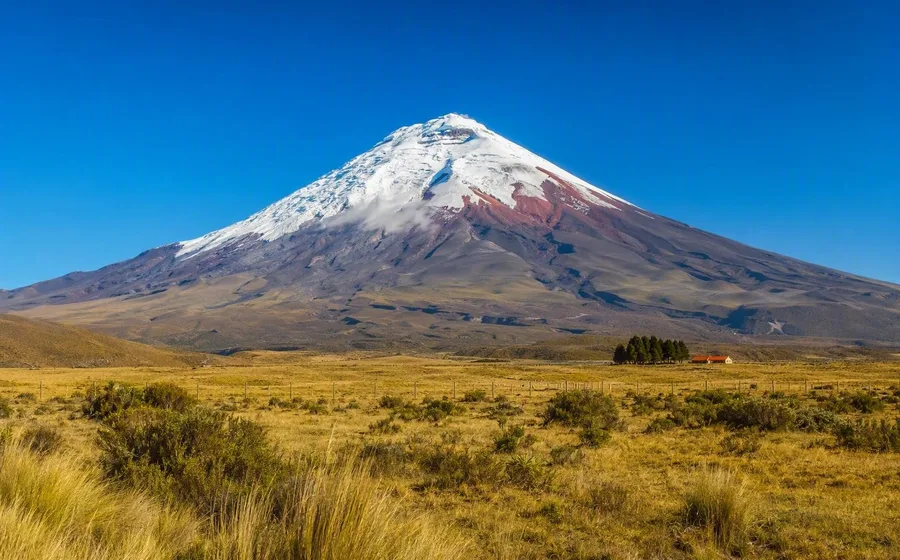
Ecuador
Ecuador brings the Andes, Amazon, Pacific coast and Galápagos into one compact country.
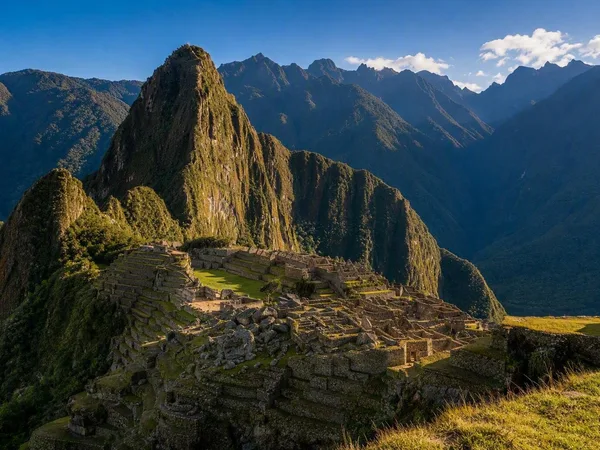
Peru
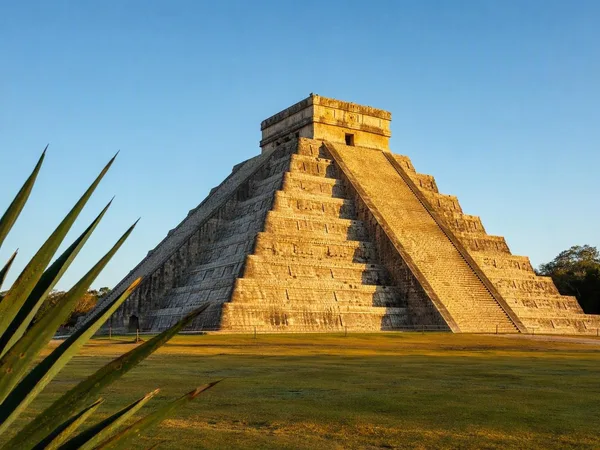
Mexico
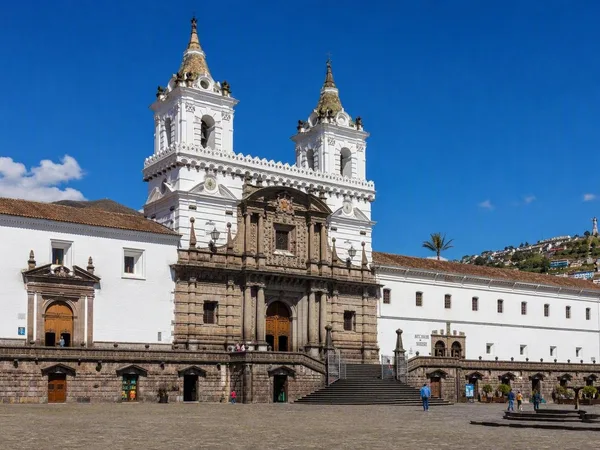
Quito
Amazon
Tena, Napo
Zamora Chinchipe Province
Zamora Chinchipe is Ecuador’s southeastern Amazonian province, where Andean foothills drop into river valleys along the Peruvian border. Its defining cultural stop is Santa Ana–La Florida in Palanda, a major early cacao-use site.
Santa Ana–La Florida Archaeological Site
Guayas Province
Guayaquil
Los Ríos Province