Peru

From Pacific desert to Andean peaks

Peru

Peru brings Inca stonework, living Andean traditions and one of South America’s most inventive food cultures into a single country.

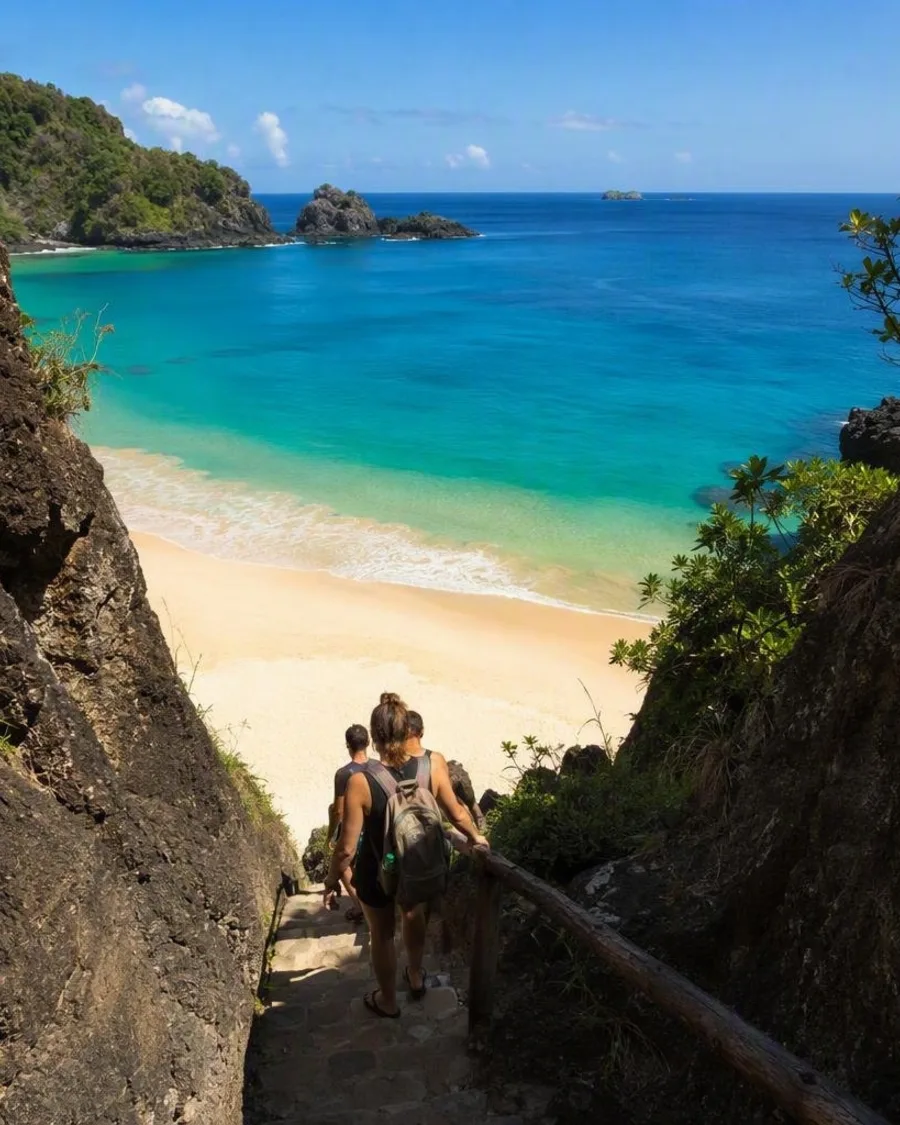
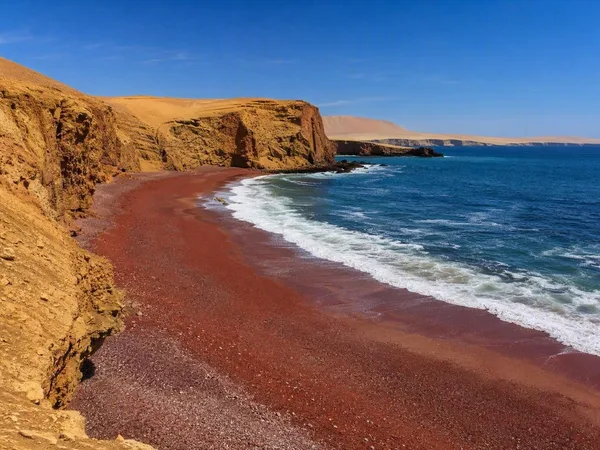
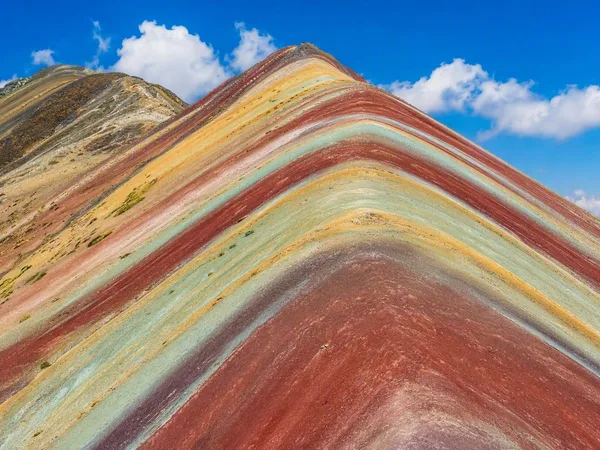
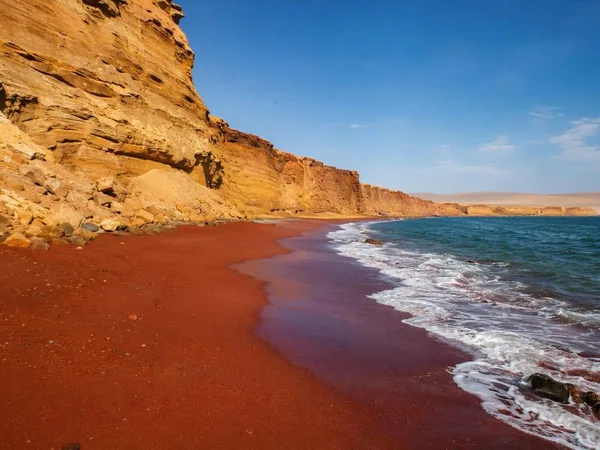
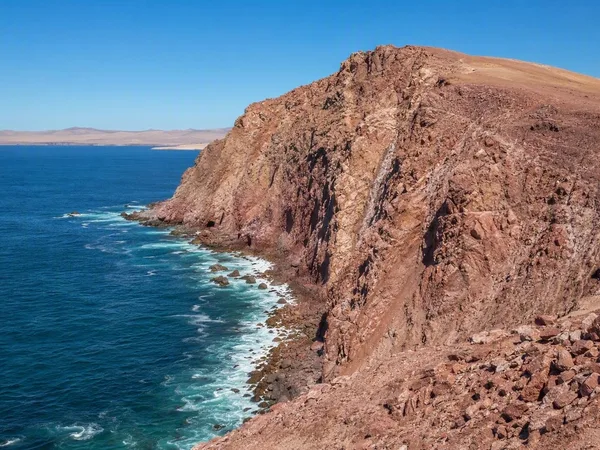
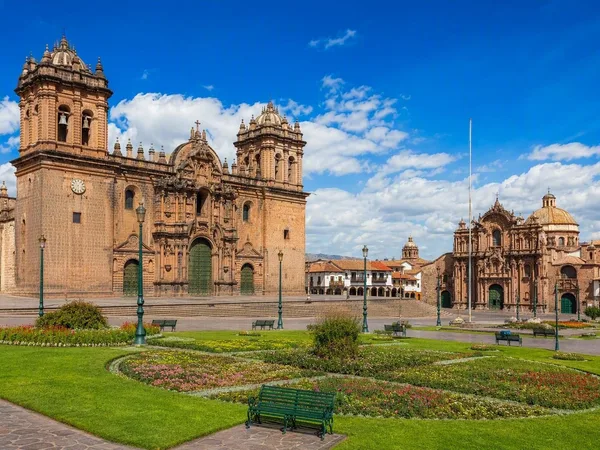
Peru packs striking changes into a single map. Lima sits beside the Pacific, where winter mist can cover the coastal cliffs. A short flight inland brings you to Cusco, 3,400 metres above sea level, where Inca walls run beneath colonial balconies and churches. In the high Andes, families grow potatoes, quinoa and maize on terraces cut into steep slopes, and Quechua remains part of daily conversation in many towns and villages. East of the mountains, rivers run through Amazon forest and carry fish, people and produce to market.

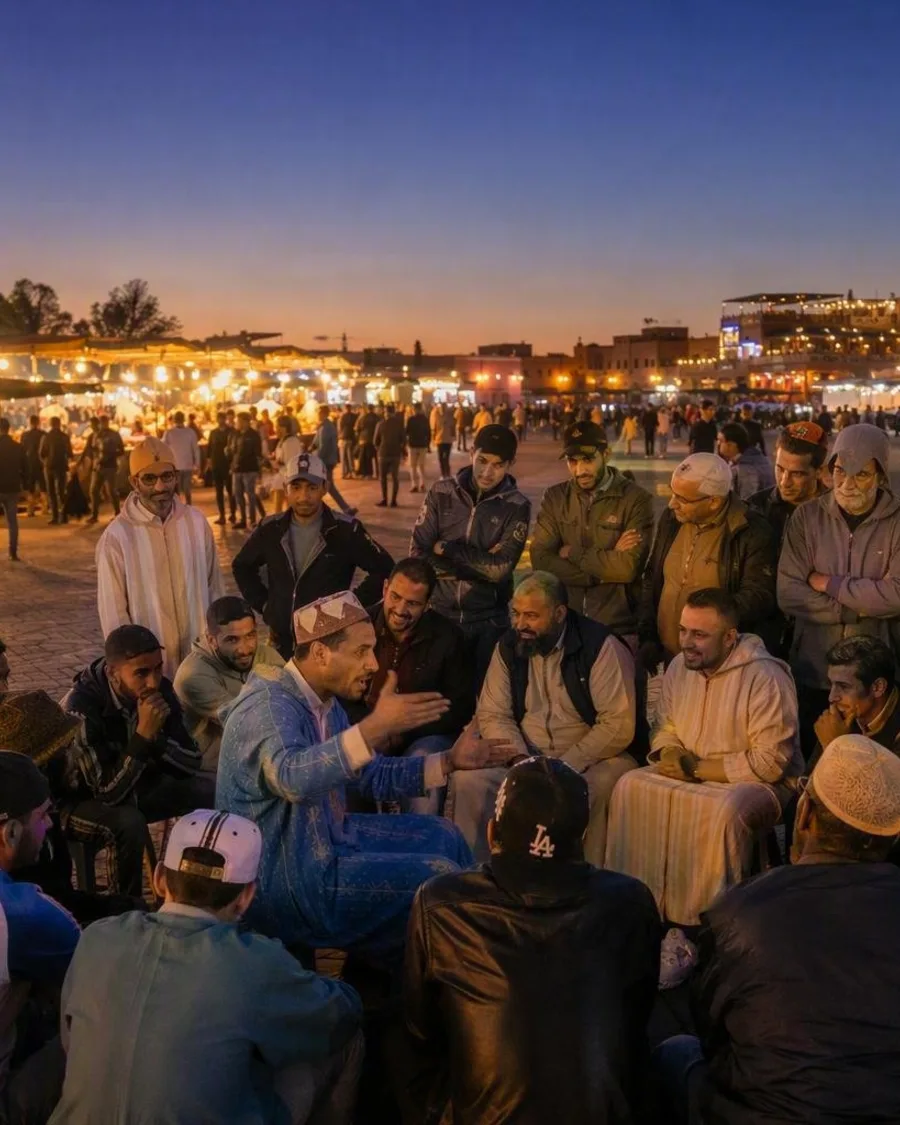
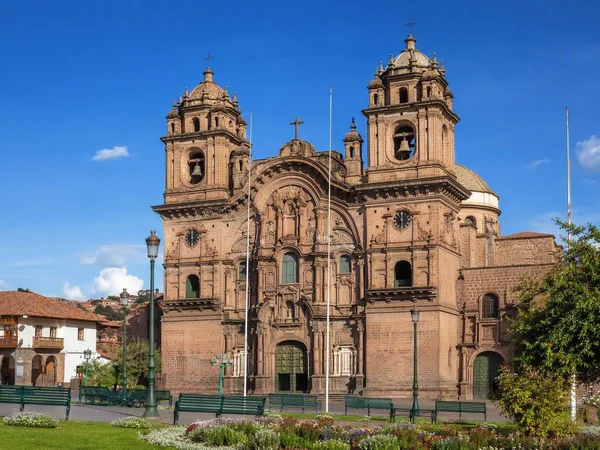
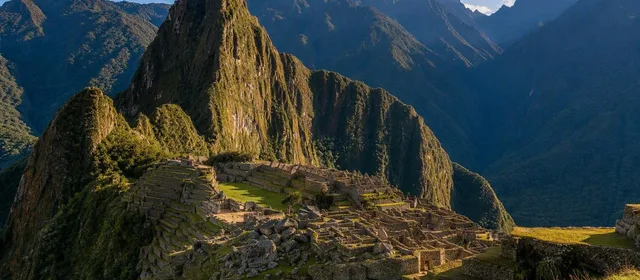
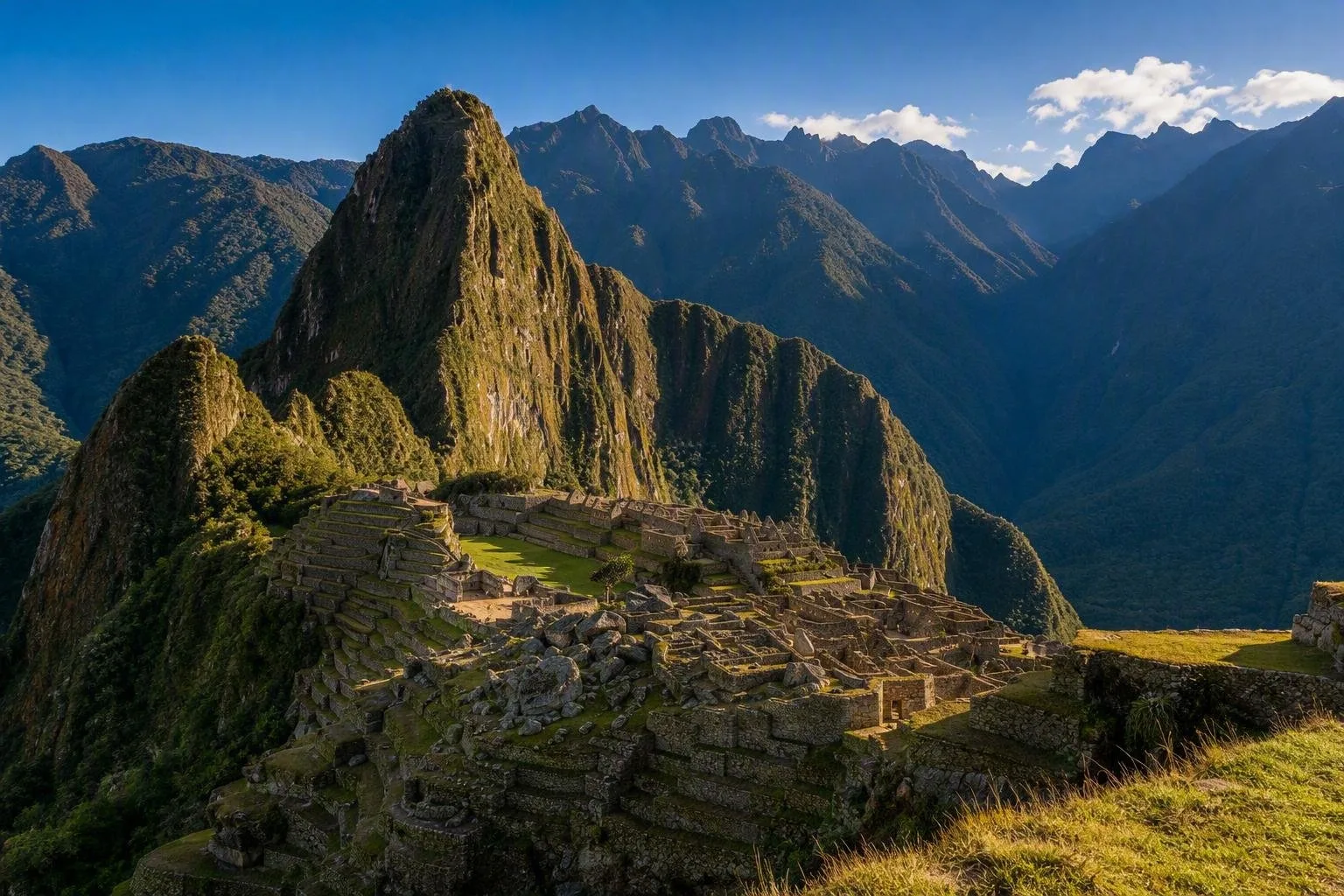
Machu Picchu deserves its place on most first visits, but Peru’s history reaches far beyond its famous stone terraces. Cusco shows Inca masonry fitted tightly beneath Spanish-era buildings. Around Lake Titicaca, weavers use local wool and patterns that identify communities. In Arequipa, churches and courtyards built from pale volcanic sillar stand below El Misti.

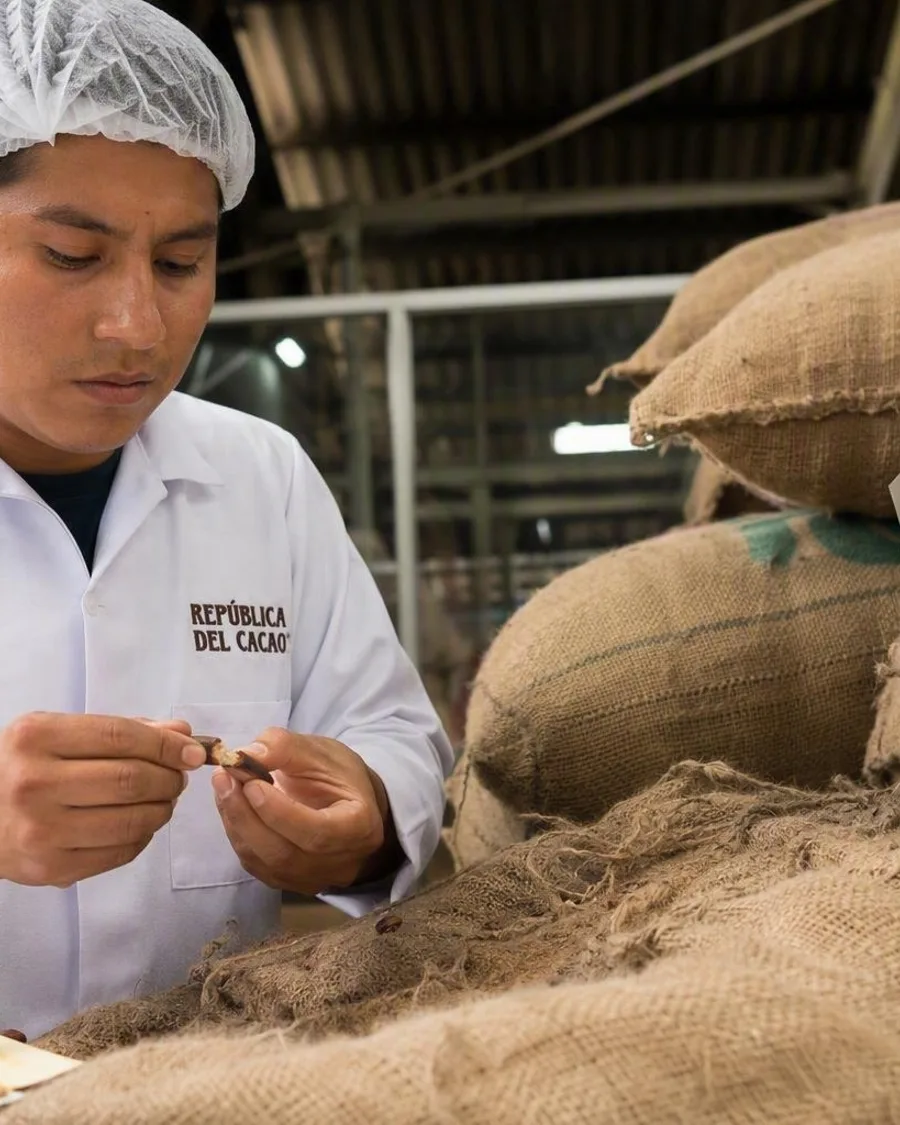
The table makes those distances tangible. Ceviche in Lima relies on the day’s Pacific catch. Highland cooks use ají, maize and dozens of potato varieties. In the Amazon, river fish, plantain and tropical fruit fill market stalls and kitchen pots. Take time for a neighbourhood meal in Lima, a market lunch in the Andes and a conversation beyond the main sights. Peru offers plenty to return to, and its people make a generous case for staying longer.

When to go

Best time to travel

The monthly values are indicative average maximum temperatures for Lima and the central coast. Conditions vary meaningfully between the coast, high Andes and Amazon basin. The monthly values are indicative average maximum temperatures for Lima and the central coast. Conditions vary meaningfully between the coast, high Andes and Amazon basin.

jan26°C feb27°C mar26°C apr24°C may22°C jun20°C jul19°C aug19°C sep20°C oct21°C nov23°C dec25°C

Weather in the capital

Practical Peru

On every country page we show the current weather for the capital.

Lima
Morning20°Covercast
Afternoon22°Cpartly cloudy
Evening20°Cpartly cloudy
today22°C / 19°Chigh and low

Current forecast by Open-Meteo

Getting around

Domestic flights link Lima with major regional cities. Long-distance buses cover most overland routes, while passenger trains mainly serve tourist corridors around Cusco, Machu Picchu and Lake Titicaca.

Money

The Peruvian sol is used throughout the country. Cards are common in cities and established tourist areas, but cash remains useful in markets, small businesses and rural towns.

Accommodation

Options range from city hostels and family-run guesthouses to restored colonial hotels and Amazon lodges. Book early around Cusco and Machu Picchu during busy travel periods.

Before you leave

Worth knowing

A practical starting point for your trip. Check current conditions and local information before you leave.

01

Official languages

Spanish is used nationwide. Quechua, Aymara and other Indigenous languages have official status where they predominate and remain widely spoken in parts of the Andes and Amazon.

02

Calling code

Peru’s international calling code is +51.

03

Driving side

Traffic drives on the right, and drivers overtake on the left.

04

Measurements

Peru uses the metric system: kilometres for distance, metres for elevation and kilograms for weight.

05

Tipping

A tip of about 10% is common in sit-down restaurants when service is not included. Small tips for guides, drivers and hotel staff are discretionary.

06

Meal times

Lunch is usually the main meal and commonly falls between 1pm and 3pm. Dinner often starts around 8pm and tends to be lighter.

07

Business hours

Many shops open from about 9am to 8pm, though smaller businesses may close for part of the afternoon. Banks and public offices usually keep shorter weekday hours.

08

Taxi fares

Street taxis generally do not use meters, so agree on the fare before getting in. Taxi apps display or calculate the price in advance.

09

Bus luggage

Long-distance bus companies usually tag checked bags and issue a receipt. Keep the receipt until staff return your luggage.

10

Rail reservations

Reserve tourist trains to Machu Picchu well ahead, especially in busy months. Services between Cusco and Lake Titicaca also have limited departures.

11

Market bargaining

Polite bargaining is common for crafts and some market goods, but not for food with marked prices or purchases in formal shops.

12

Toilet-paper disposal

Many toilets have a bin for used paper because the plumbing cannot handle it. Follow the sign or local setup rather than flushing paper automatically.