
National park · Peru
Huascarán National Park
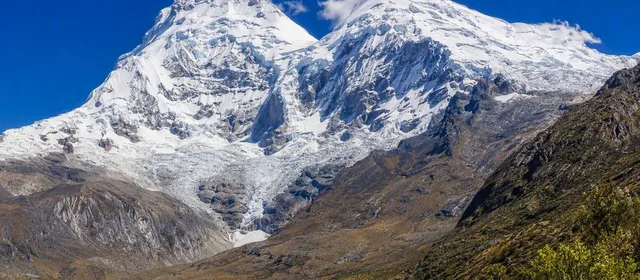
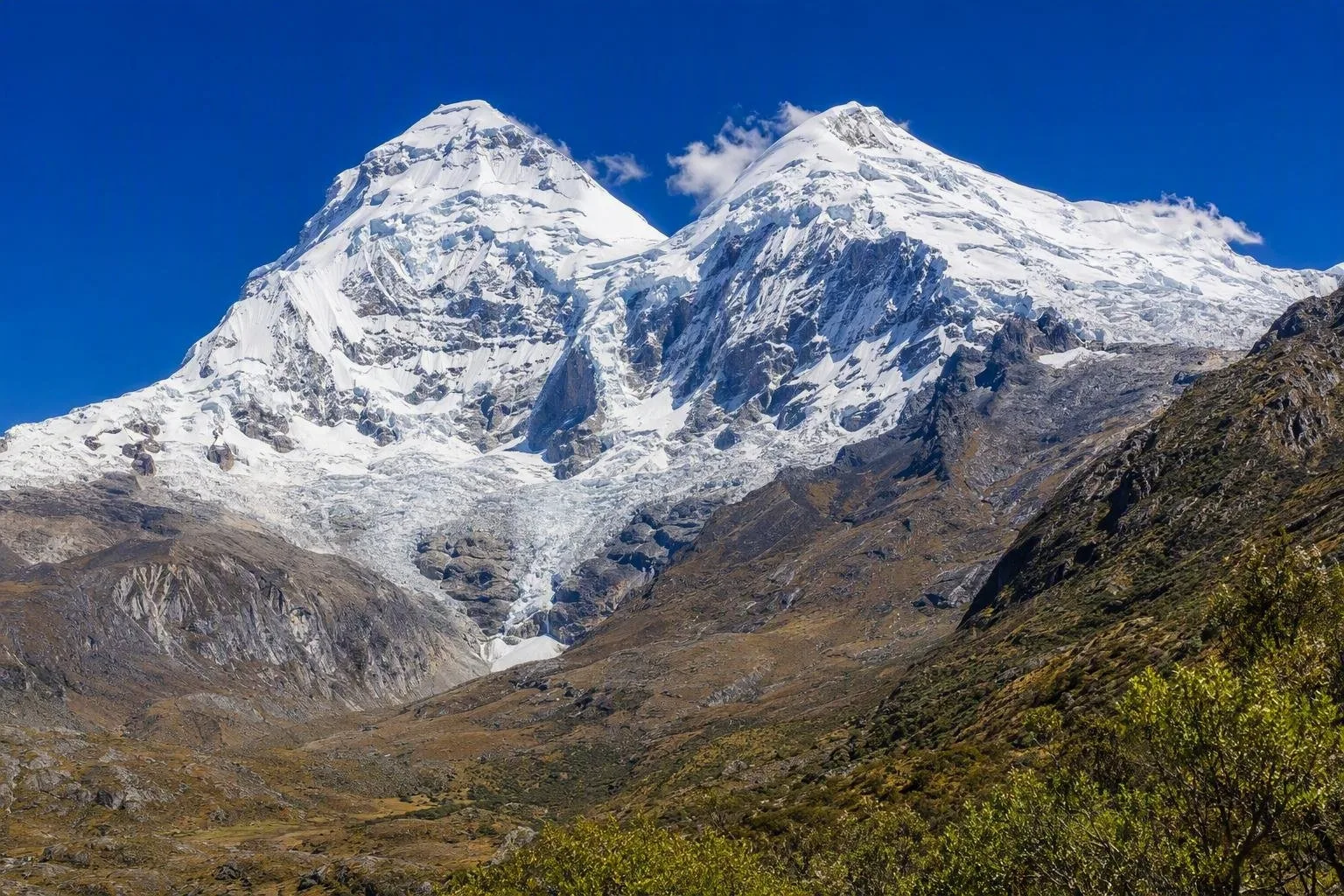
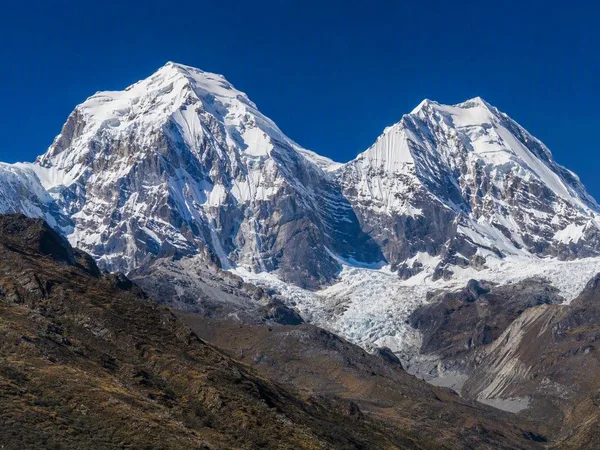
Huascarán National Park protects 340,000 hectares of Peru’s Cordillera Blanca in Áncash. It is a vast high-Andean landscape of snow peaks, glaciers, glacial lakes and deeply cut valleys, centred on Peru’s highest mountain.
The protected Cordillera Blanca
Huascarán National Park occupies both flanks of the Cordillera Blanca in Peru’s central Andes. Created in 1975, it became a UNESCO World Heritage site in 1985. The park is large—340,000 hectares—and spans terrain from high valleys to permanent ice.
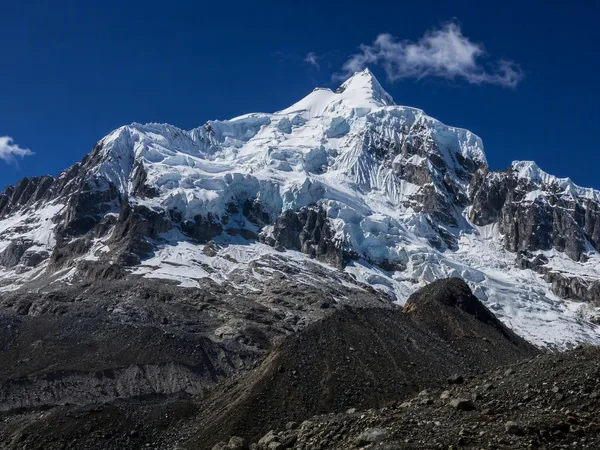
Its defining summit is Mount Huascarán, which reaches 6,768 metres. The park also contains 27 snow-covered peaks above 6,000 metres, along with deep quebradas, puna grassland and high plateaus. This is not one walkable park: visits are organised around separate valleys, road approaches and trailheads.
Glaciers, lakes and water
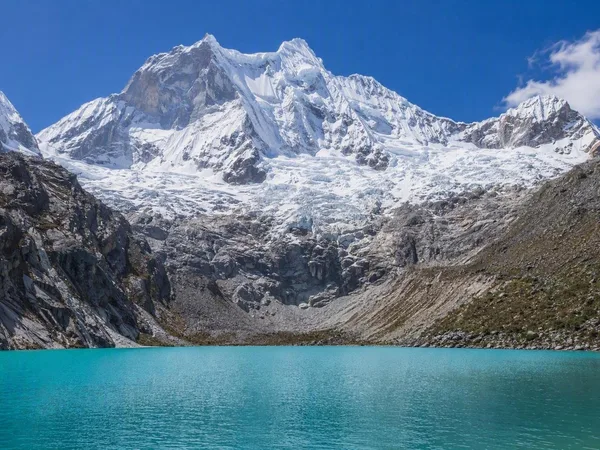
The park holds roughly 660 glaciers and 300 glacial lakes. Meltwater runs from the ice and snowfields through ravines into the Santa, Marañón and Pativilca river basins.
The most practical ways to see this landscape are its distinct visitor sectors:
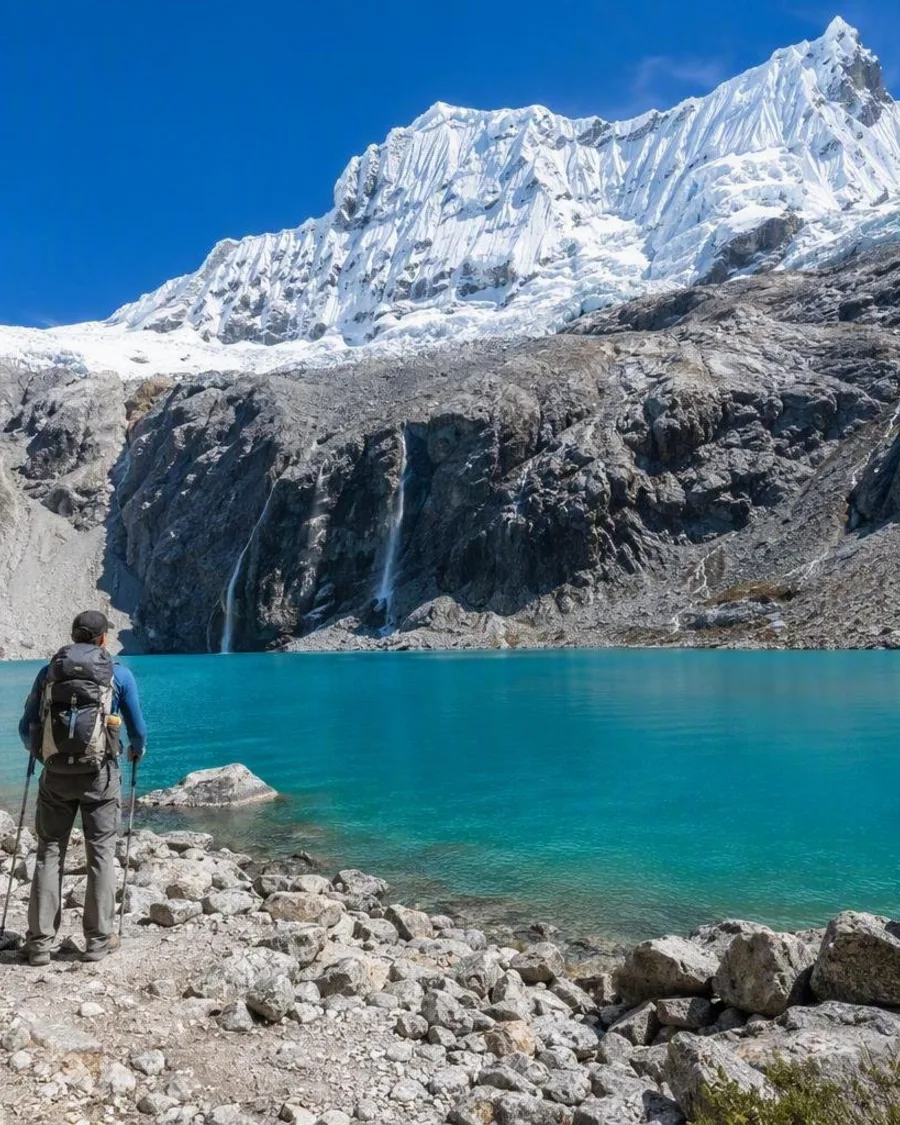
- Llanganuco: Chinancocha lagoon, mountain viewpoints and access towards Laguna 69.
- Santa Cruz circuit: a multi-day trekking route through high valleys and passes.
- Laguna Churup and Laguna 69: demanding high-altitude day hikes.
- Punta Olímpica and Portachuelo–Llanganuco: high road passes with broad views of peaks and valleys.
For a first visit, choose one sector rather than trying to cross the whole park in a day.
Wildlife and plant life
Elevation drives the scenery. Lower and sheltered valleys can hold pockets of montane forest; grasslands and scrub dominate higher ground, before bare rock, snow and ice take over. Look for queñua (Polylepis) woodland in protected ravines and the giant flower spike of the Queen of the Andes, Puya raimondii, in suitable sectors.
Wildlife is not guaranteed, but the park supports vicuña, taruca deer, spectacled bear, puma, Andean condor and torrent duck. Keep distance, stay quiet and do not leave marked routes to pursue an animal or photograph it.
Using the park
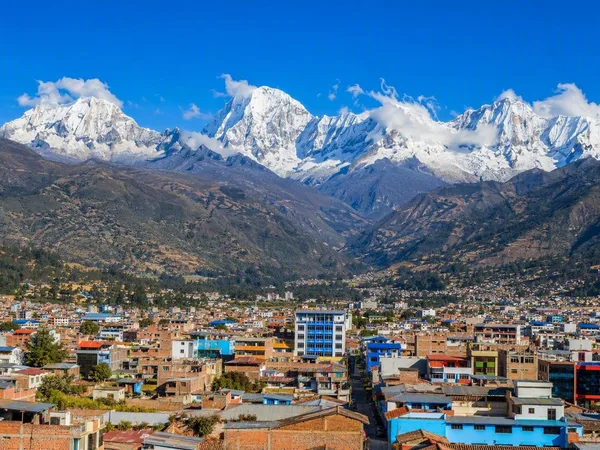
Base town: Huaraz is the main service base and a practical place to organise transport, food and acclimatisation. Access points are spread across Áncash; road journeys to trailheads are part of the day.
Season: May to October is generally the recommended visiting season, with predominantly dry, cold conditions. Rain is more frequent from October to April. At altitude, clear mornings can become cold, windy or wet quickly in any month.
Altitude: Many popular routes rise well above 4,000 metres. Spend time acclimatising before a major hike, pace steadily, and descend rather than continue if altitude symptoms worsen.
Access: Conditions and permitted activities vary by sector. Follow ranger instructions, use established trails and respect any closure around glaciers, lakes or snow peaks.
From the magazine
Stories about Huascarán National Park
Editorial stories linked directly to Huascarán National Park.
Routes from our editors
Travel through Huascarán National Park
Editorial routes connecting Huascarán National Park with other countries, cities and hotspots.
No routes through Huascarán National Park have been published yet.
More in Peru
Related hotspots
Other cities, nature areas and places within Peru.

Callao
2 linked stories and routes
Playa Roja, Paracas
1 linked stories and routes
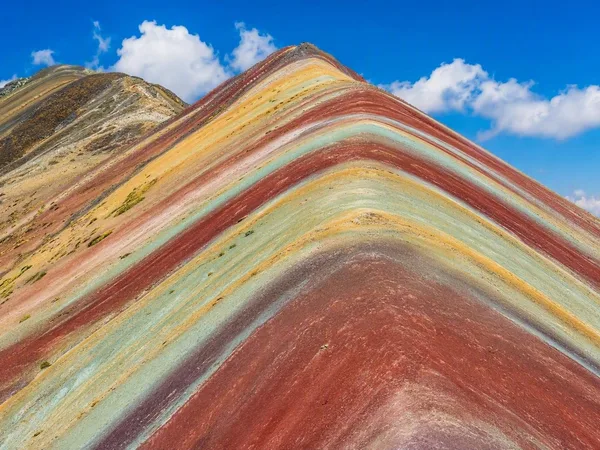
Vinicunca
1 linked stories and routes

Plaza de Armas, Cusco
1 linked stories and routes
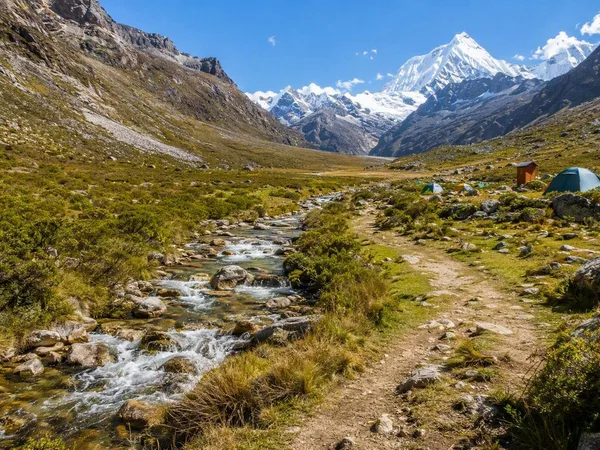
Cebollapampa
1 linked stories and routes
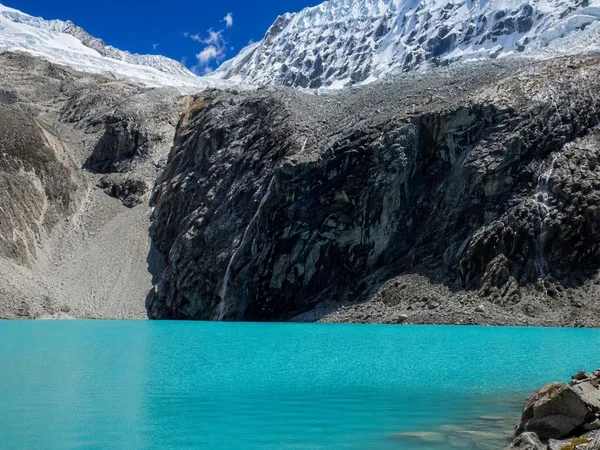
Laguna 69
1 linked stories and routes
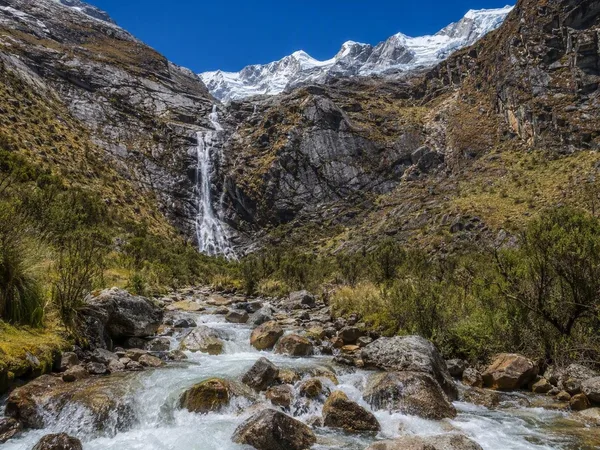
Quebrada Demanda
1 linked stories and routes
Cordillera Blanca
1 linked stories and routes
Huaraz
1 linked stories and routes
Chacraraju
1 linked stories and routes
Pisco
1 linked stories and routes

Chincha
1 linked stories and routes
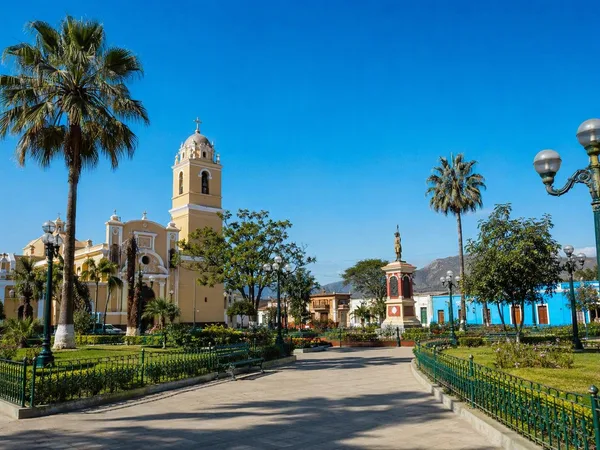
Cañete (San Vicente de Cañete)
1 linked stories and routes
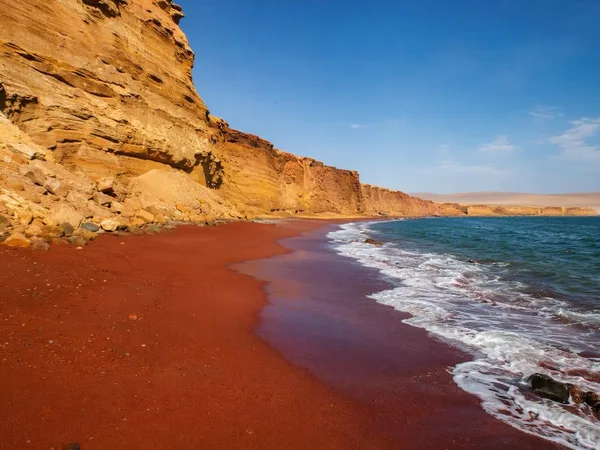
Paracas National Reserve
0 linked stories and routes
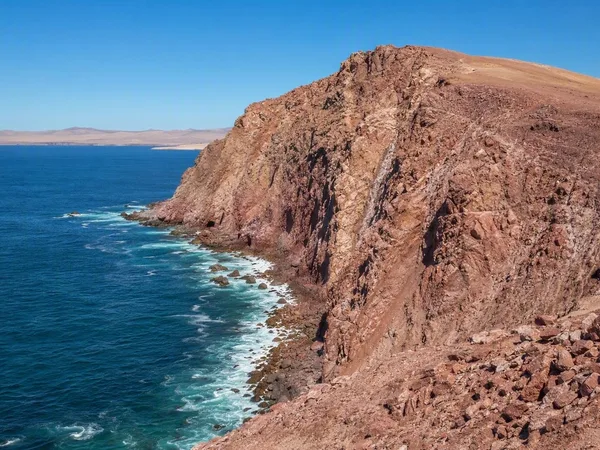
Punta Santa María, Paracas
0 linked stories and routes
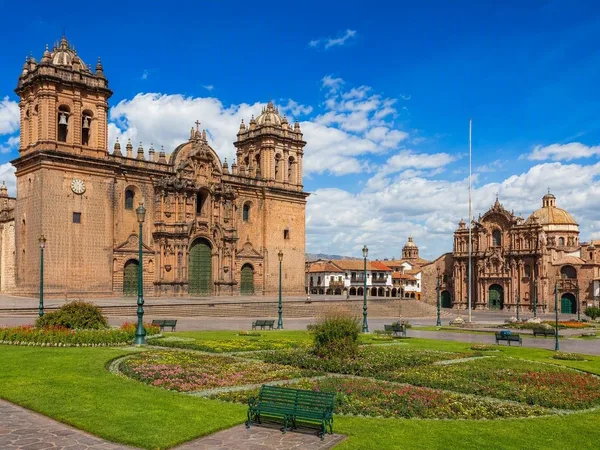
Cusco
0 linked stories and routes
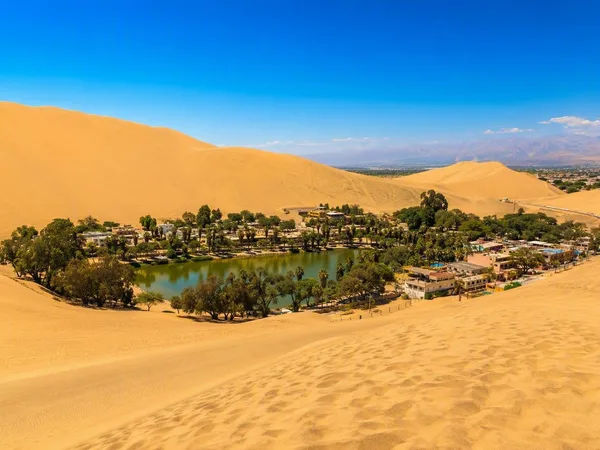
Ica desert
0 linked stories and routes