
City · Peru
Chincha
Chincha, commonly used for the city of Chincha Alta, is the provincial capital in Peru’s Ica region, about 200 km south of Lima. It is a practical base for engaging with the Chincha Valley’s Afro-Peruvian food, music and public traditions.
Get your bearings
Chincha is the urban centre of Chincha Province on Peru’s south coast. The city sits in the irrigated Chincha Valley, where agricultural land and vineyards meet a dry coastal landscape. Its centre is compact enough to cover on foot; use it as the starting point for the valley rather than expecting a resort town.
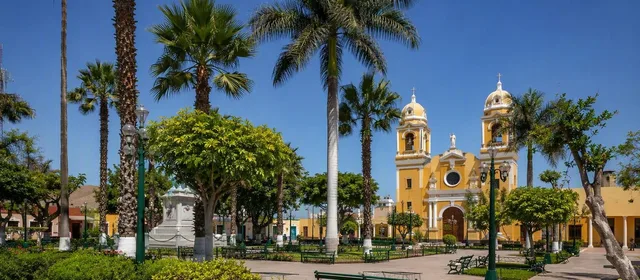
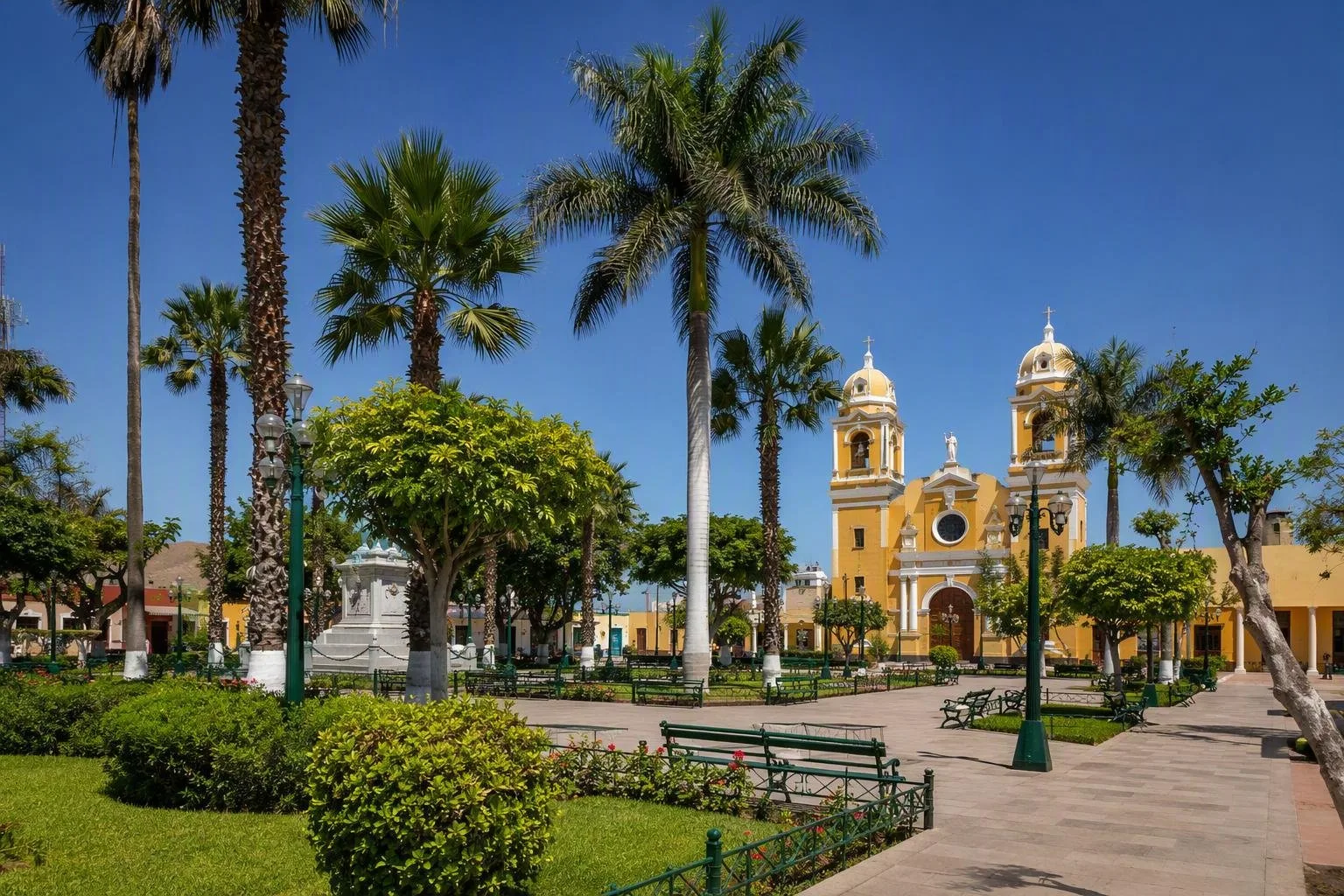
Begin at the Plaza de Armas, the city’s historic central square. The palm-lined plaza occupies the site of the colonial settlement established in 1571 and remains the main civic reference point. Nearby streets hold everyday commerce, eateries and transport connections.
Afro-Peruvian Chincha
Chincha is one of Peru’s principal centres of Afro-Peruvian culture. That history is best understood as a living cultural presence rather than a stage show: listen for cajón-led music, and look for programmes of zapateo, festejo, landó and décimas during public celebrations.
The city’s major annual cultural period is Verano Negro, held around late February and early March. Its programme has included music, dance, poetry, food events and parades. October brings Chincha Tourist Week, with performances and food fairs around the city centre.
For Christmas and Epiphany, the wider province is associated with Hatajo de Negritos and Las Pallitas: processional music-and-dance traditions performed from 24 December to 6 January. Treat religious and community events as occasions to observe respectfully, not as photo sets.
Eat the local combination
Order carapulcra con sopa seca, often called manchapecho. In Chincha, the carapulcra is characteristically made with fresh potato; the adjoining sopa seca is a seasoned noodle preparation. Together they form the area’s defining plate and are officially recognised as a representative dish of the Ica region.
Also look for:
- Frejol colado, a dense sweet bean dessert.
- Camotillo and other local sweets.
- Chincha-grown wines and pisco.
The fourth Sunday of October is dedicated locally to carapulcra and sopa seca. Menus are often most focused on the dish during October events, but it is available year-round in the city.
Practical route planning
Chincha is reached by road on the southbound Pan-American corridor from Lima; the trip typically takes under three hours by bus or private vehicle, depending on traffic. Within the centre, walk between the plaza, market streets and restaurants. Use taxis for outlying addresses and agree the fare before departure.
For archaeology, Huaca La Centinela lies outside the city in Chincha Baja. It was a major political-administrative centre of the Chincha culture, but parts have been affected by earthquakes and access conditions can be restricted. Do not enter closed or unmarked areas.
The coast is generally dry, with strong sun even when temperatures are moderate. Carry water, sun protection and cash for small purchases.
From the magazine
Stories about Chincha
Editorial stories linked directly to Chincha.
No stories about Chincha have been published yet.
Routes from our editors
Travel through Chincha
Editorial routes connecting Chincha with other countries, cities and hotspots.
No routes through Chincha have been published yet.
More in Peru
Related hotspots
Other cities, nature areas and places within Peru.
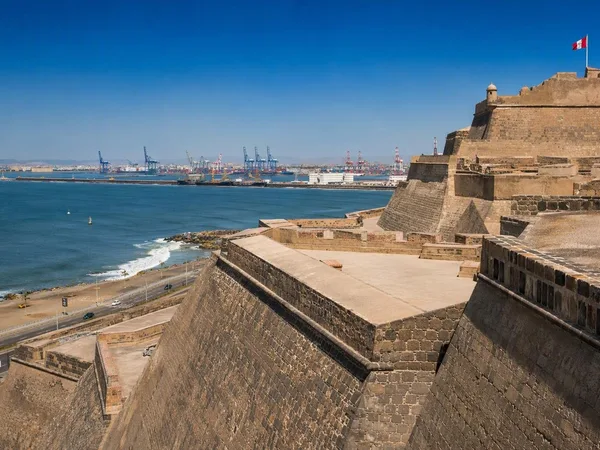
Callao
2 linked stories and routes
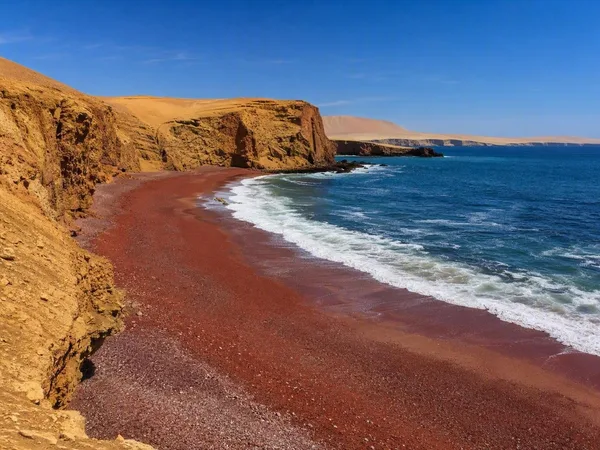
Playa Roja, Paracas
1 linked stories and routes
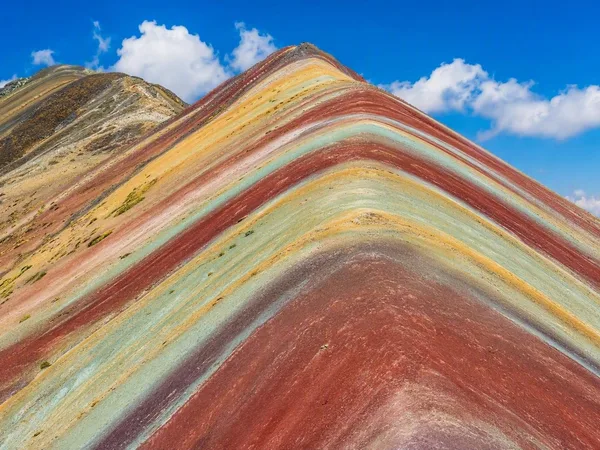
Vinicunca
1 linked stories and routes
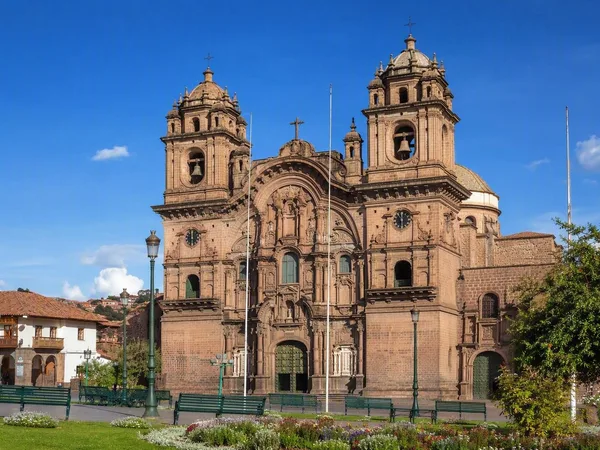
Plaza de Armas, Cusco
1 linked stories and routes
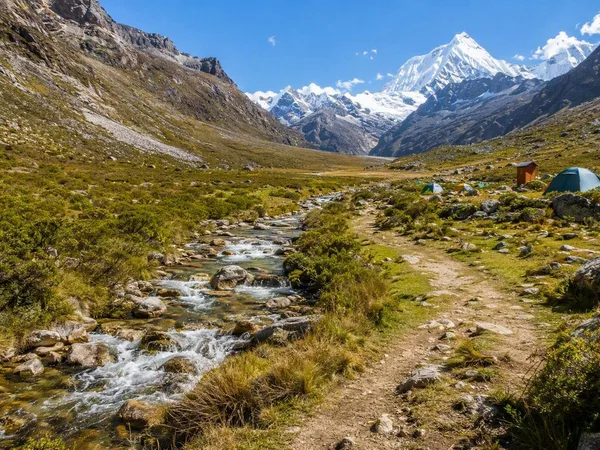
Cebollapampa
1 linked stories and routes
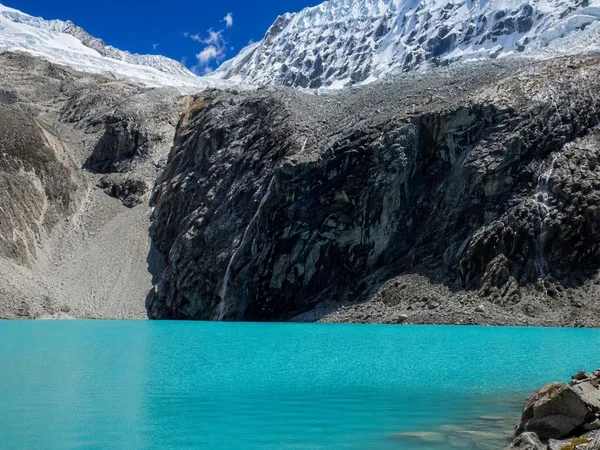
Laguna 69
1 linked stories and routes
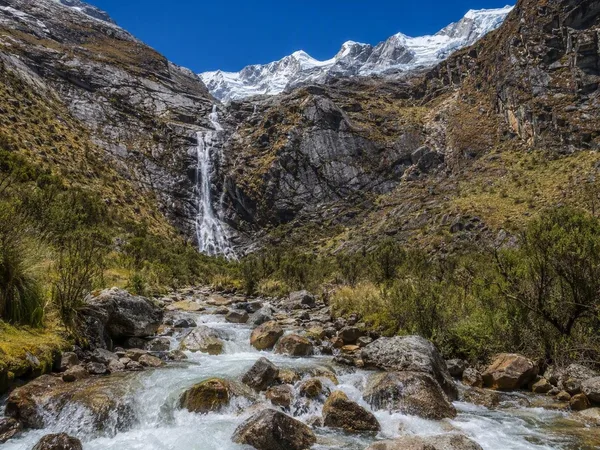
Quebrada Demanda
1 linked stories and routes
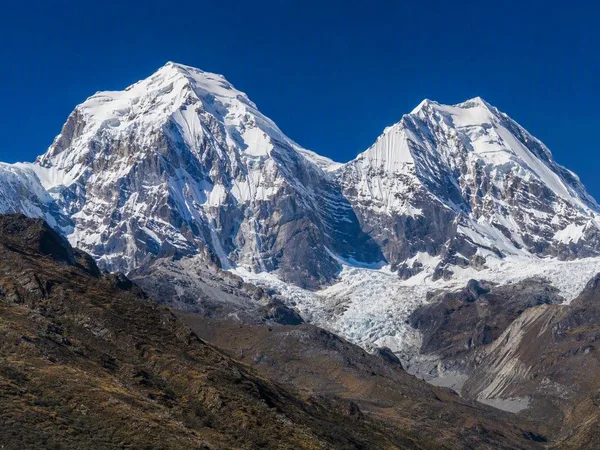
Cordillera Blanca
1 linked stories and routes
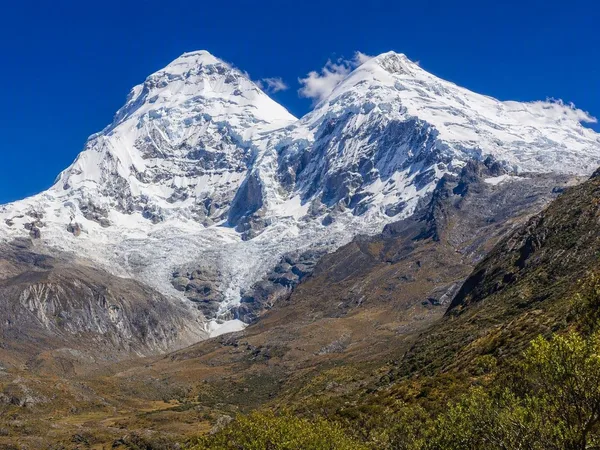
Huascarán National Park
1 linked stories and routes
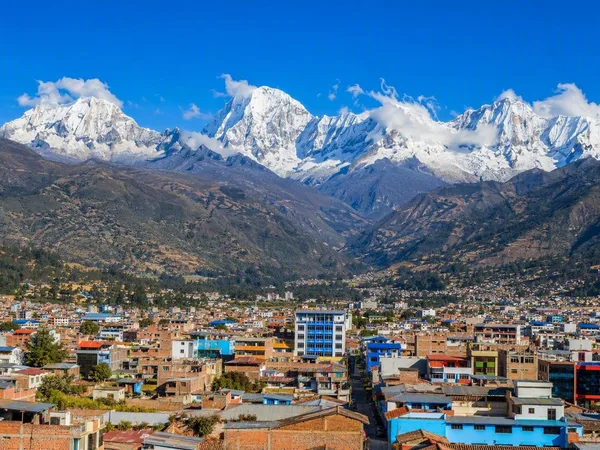
Huaraz
1 linked stories and routes
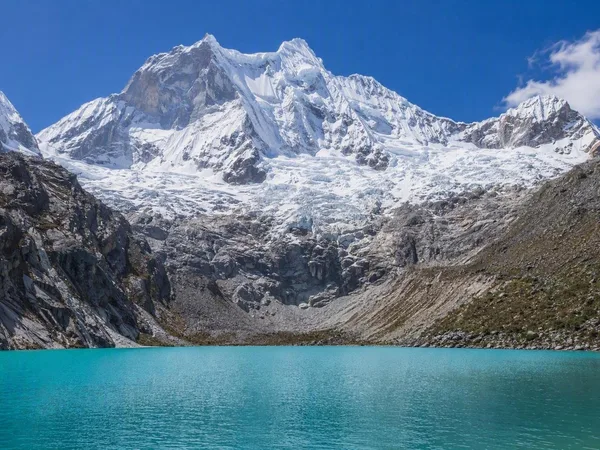
Chacraraju
1 linked stories and routes
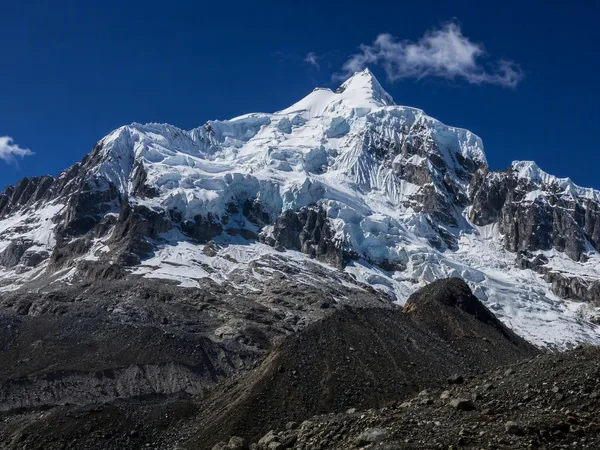
Pisco
1 linked stories and routes
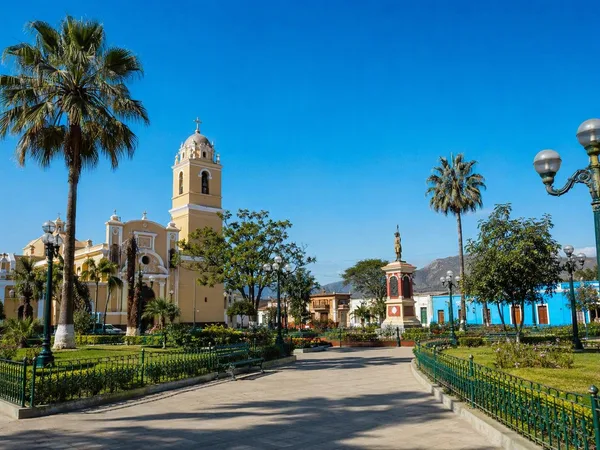
Cañete (San Vicente de Cañete)
1 linked stories and routes
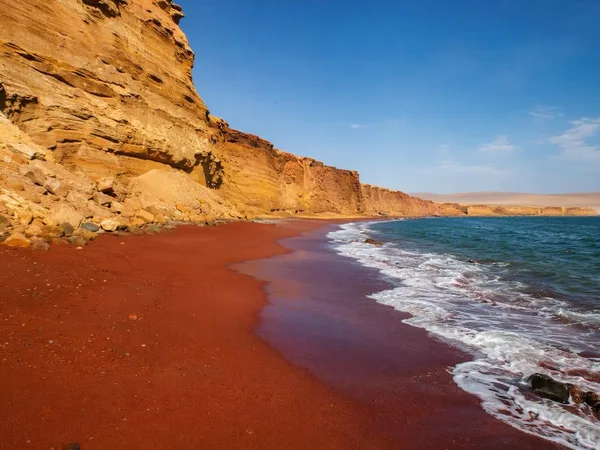
Paracas National Reserve
0 linked stories and routes
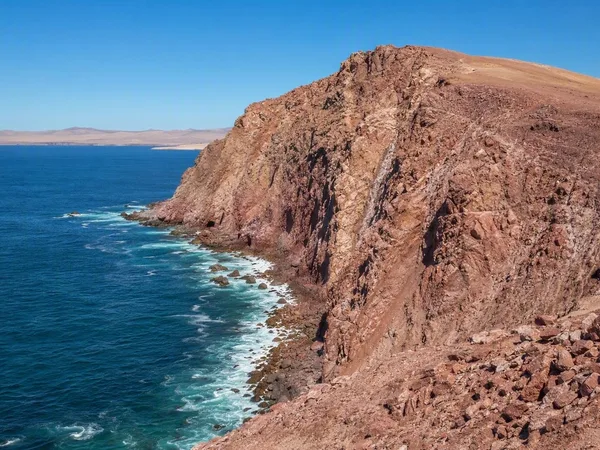
Punta Santa María, Paracas
0 linked stories and routes
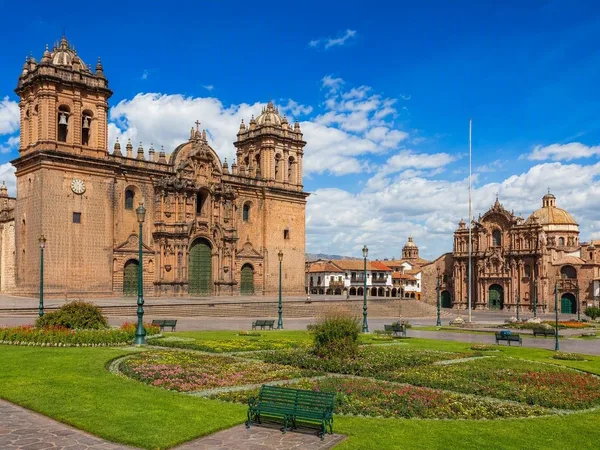
Cusco
0 linked stories and routes
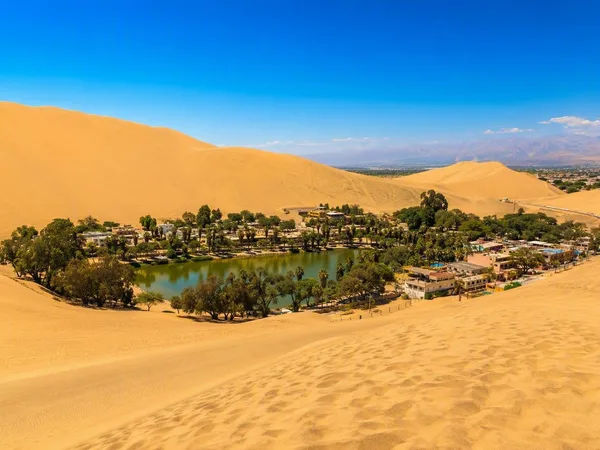
Ica desert
0 linked stories and routes