
Mountain · Peru
Cordillera Blanca
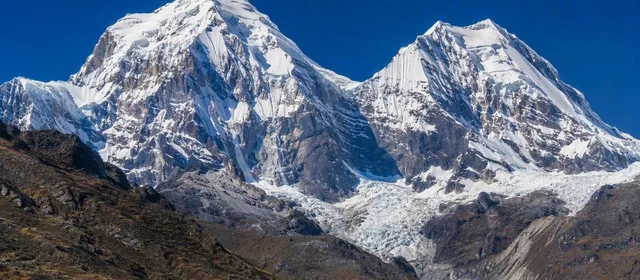
The Cordillera Blanca is the glaciated high-Andean range in Peru’s Áncash region, protected largely by Huascarán National Park. Its centrepiece is Mount Huascarán, Peru’s highest summit at 6,768 metres.
Orientation
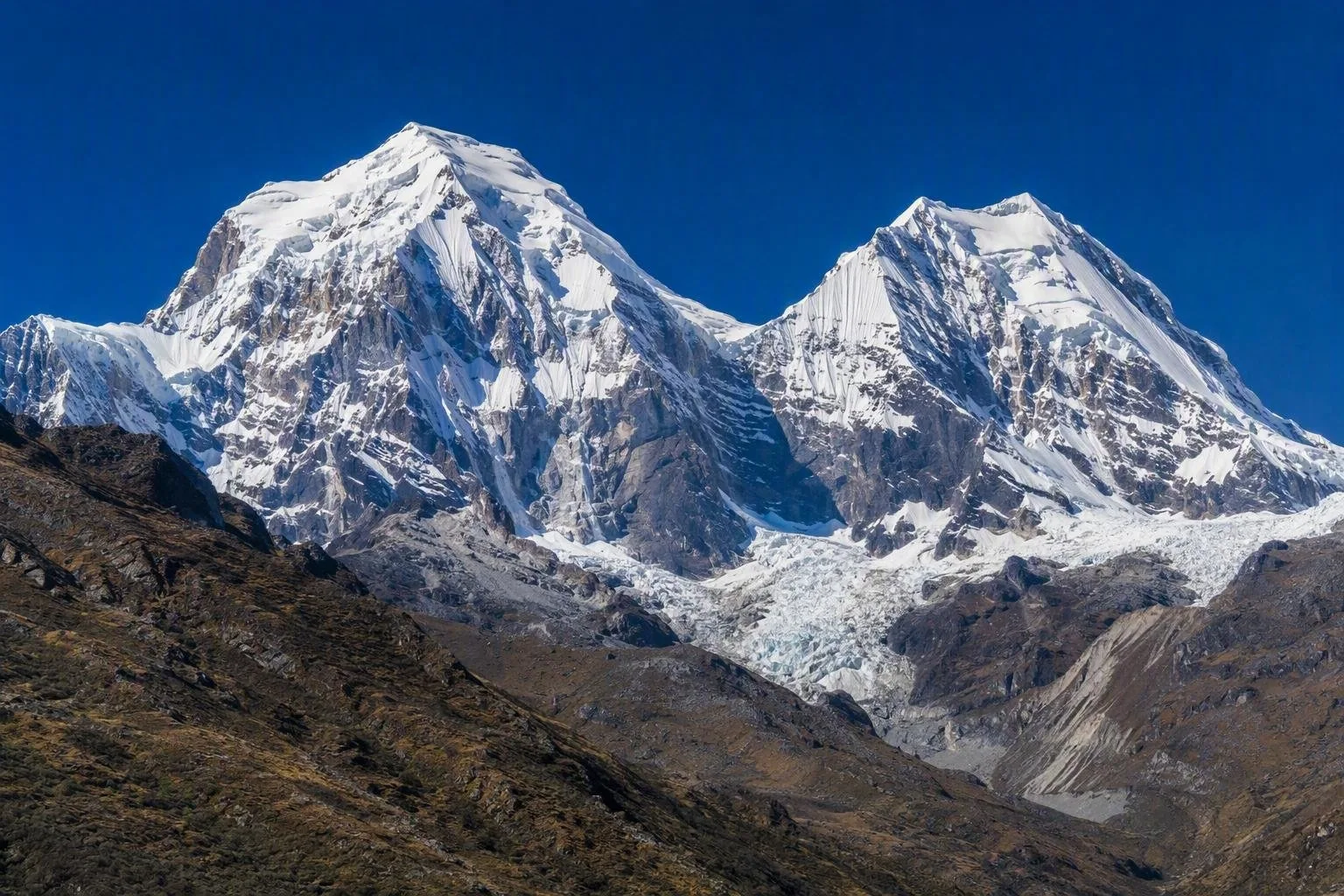
Cordillera Blanca—the “White Range”—runs through Áncash in the central Peruvian Andes. It is the world’s highest tropical mountain range, with a dense concentration of snow peaks, glaciers, ravines and glacial lakes. Most of the range lies within Huascarán National Park, a 340,000-hectare protected landscape and World Heritage site.
This is not one trailhead or one viewpoint. It is a long mountain system, so choose a valley, lake, trek or climbing objective before setting out. Huaraz is the practical base for the western side; the Callejón de Huaylas runs alongside that flank, while the Conchucos valleys lie east of the divide.
The mountain landscape
Mount Huascarán rises to 6,768 m, making it Peru’s highest mountain. Around it, snow-clad peaks, puna grassland, deeply cut quebradas and blue-green lakes form a landscape shaped by ice and running water. The range feeds the Santa, Marañón and Pativilca river systems.
The scale matters for planning: protected terrain ranges from roughly 2,500 m to high summits above 6,000 m. Weather, temperature and oxygen levels can change sharply between a valley road and a high pass.
Key ways to experience it
Pick an outing that matches your time and altitude tolerance.
- Llanganuco: Chinancocha and Orconcocha are glacial lakes between the Huascarán and Huandoy massifs. The María Josefa footpath follows a stream through queñua woodland.
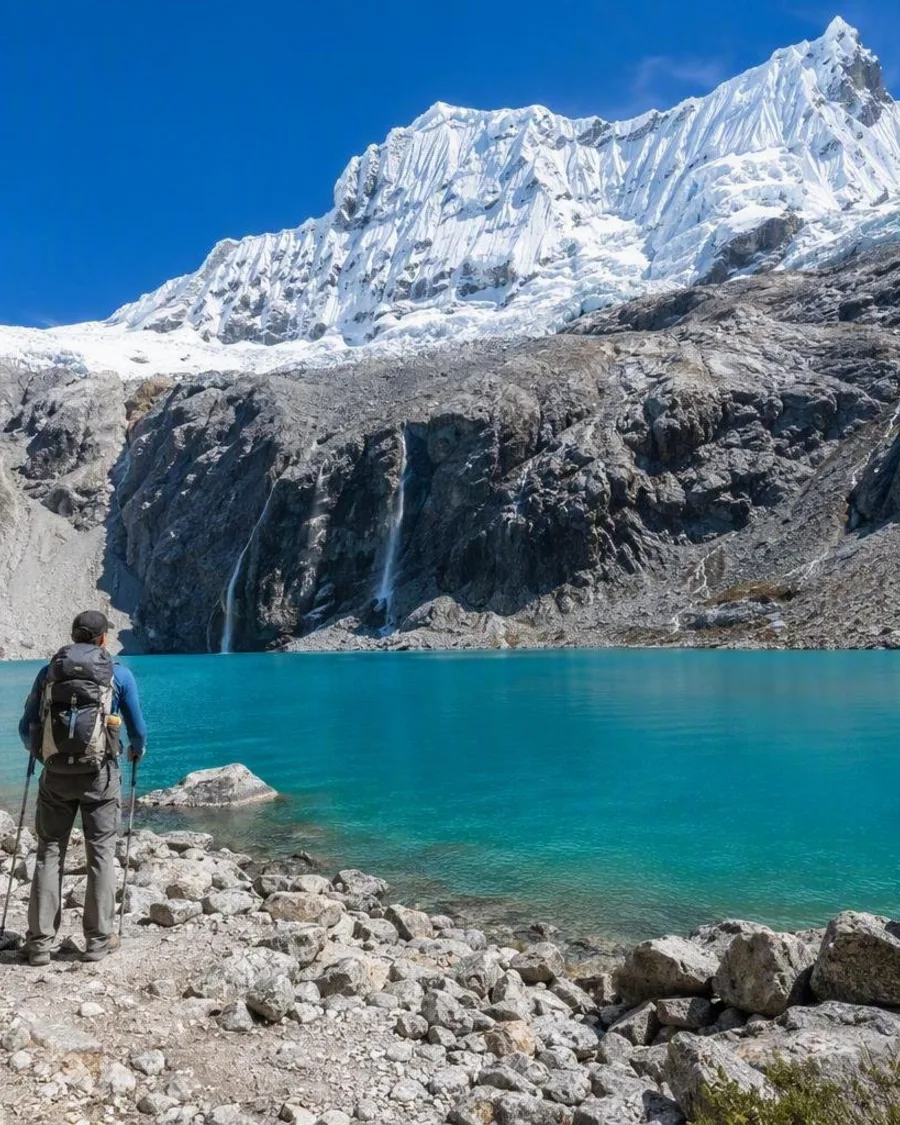
- Laguna 69: A demanding high-altitude day walk ending at a glacial lake beneath the Chacraraju massif.
- Santa Cruz Circuit: The range’s classic multi-day trek, crossing high valleys and passes beneath major ice peaks.
- Carpa and Queshque: Look for stands of Puya raimondii, the Queen of the Andes, a giant bromeliad with an immense flower spike.
Mountaineering routes on Huascarán, Pisco, Copa and other summits are a separate, technical undertaking from hiking.
Timing and mountain discipline
May to October is generally the drier, colder visiting period. Rain is more common from October to April; clouds, wet ground and snow can obscure peaks and complicate high routes.
Spend time acclimatising before committing to a lake at 4,000 m or a high pass. Carry warm layers, rain protection, water and sun protection even on clear days. Turn back if headache, nausea, dizziness or worsening fatigue develops at altitude.
Protecting a changing range
Glaciers and glacial lakes are central to the Cordillera Blanca’s water system, but the ice is retreating. Stay on established routes, do not enter glacier areas without suitable expertise, and leave no waste in valleys or beside lakes. The terrain is also seismically active; respect closures and local safety instructions.
From the magazine
Stories about Cordillera Blanca
Editorial stories linked directly to Cordillera Blanca.
Routes from our editors
Travel through Cordillera Blanca
Editorial routes connecting Cordillera Blanca with other countries, cities and hotspots.
No routes through Cordillera Blanca have been published yet.
More in Peru
Related hotspots
Other cities, nature areas and places within Peru.
Callao
2 linked stories and routes
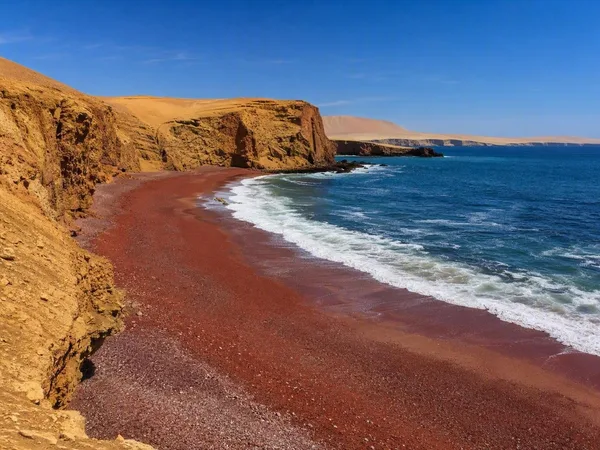
Playa Roja, Paracas
1 linked stories and routes
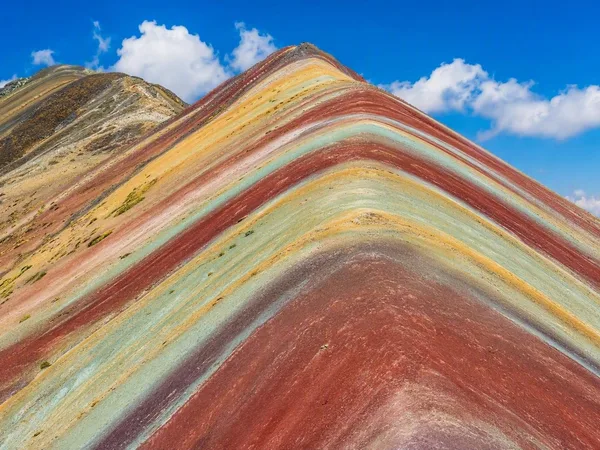
Vinicunca
1 linked stories and routes
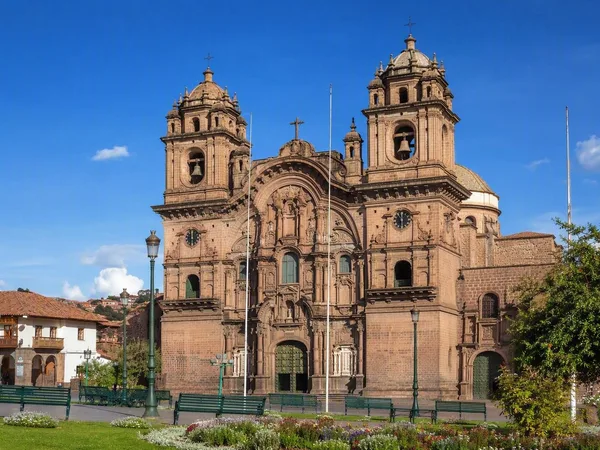
Plaza de Armas, Cusco
1 linked stories and routes
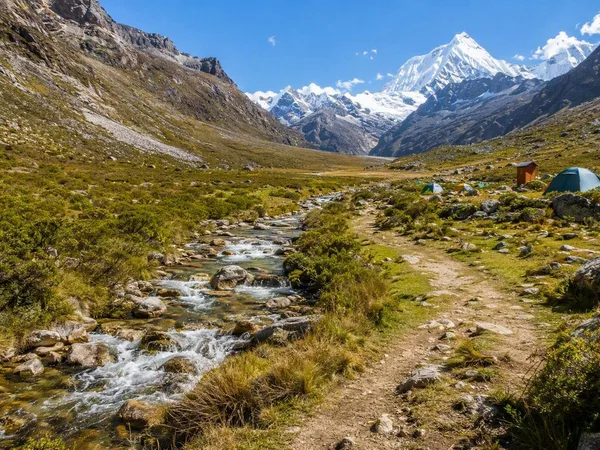
Cebollapampa
1 linked stories and routes
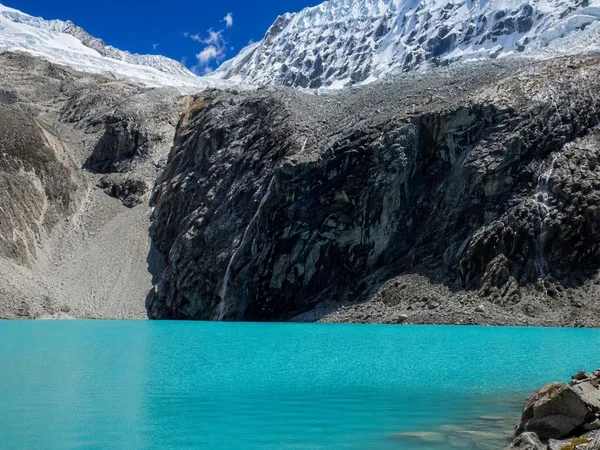
Laguna 69
1 linked stories and routes
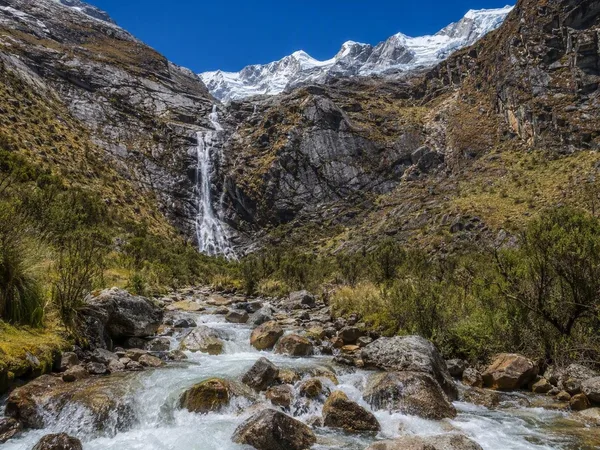
Quebrada Demanda
1 linked stories and routes
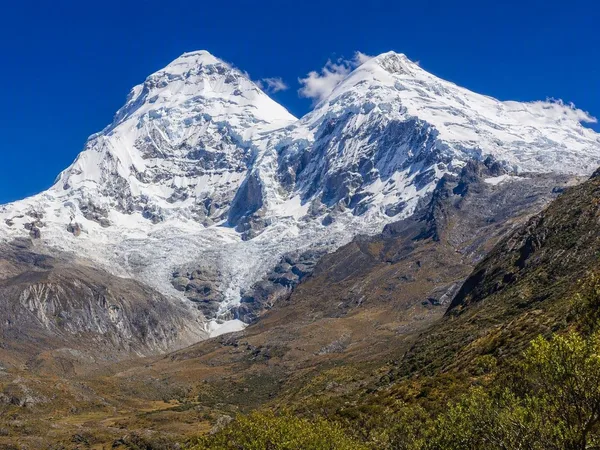
Huascarán National Park
1 linked stories and routes
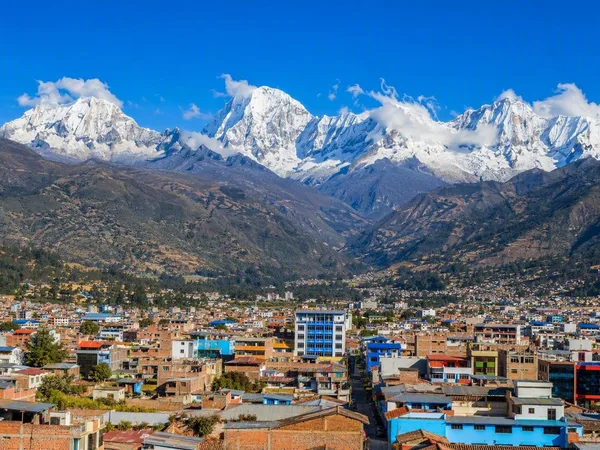
Huaraz
1 linked stories and routes
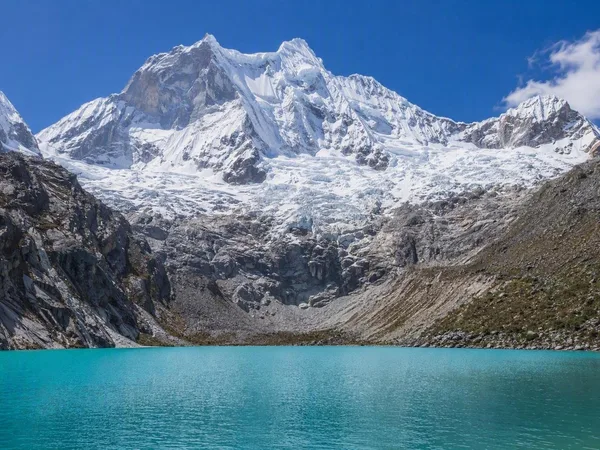
Chacraraju
1 linked stories and routes
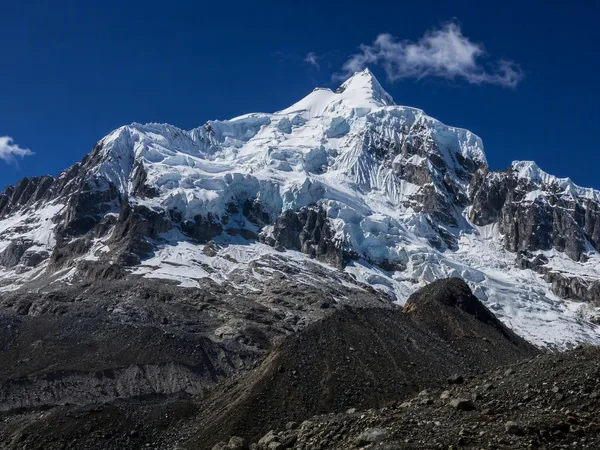
Pisco
1 linked stories and routes
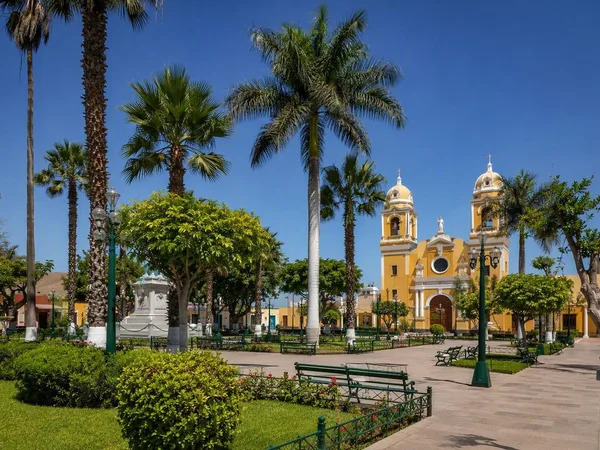
Chincha
1 linked stories and routes
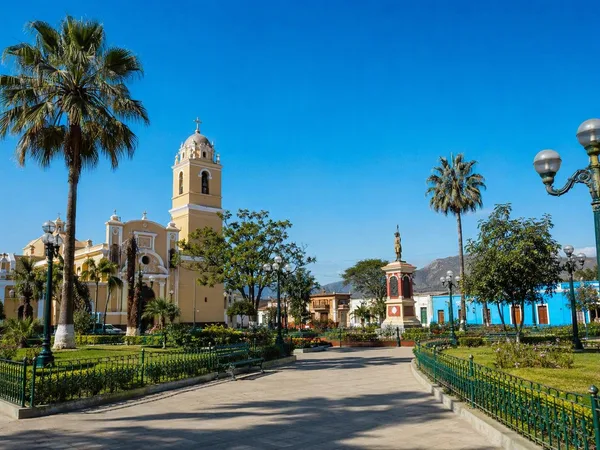
Cañete (San Vicente de Cañete)
1 linked stories and routes
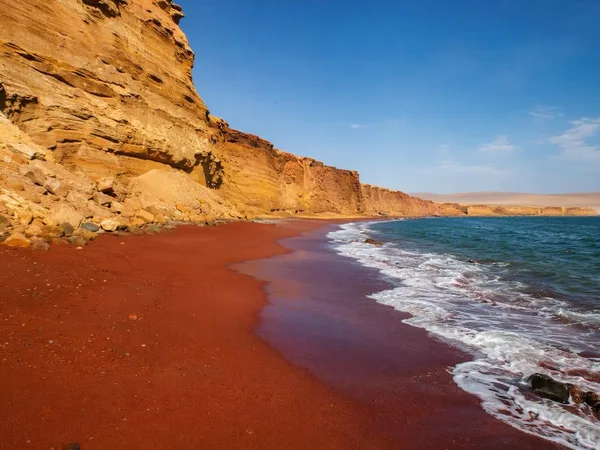
Paracas National Reserve
0 linked stories and routes
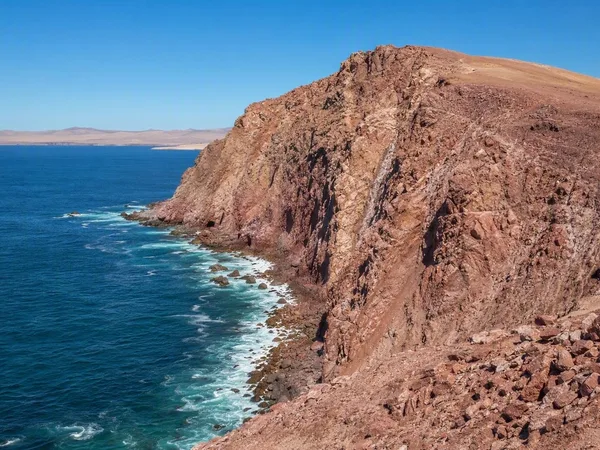
Punta Santa María, Paracas
0 linked stories and routes
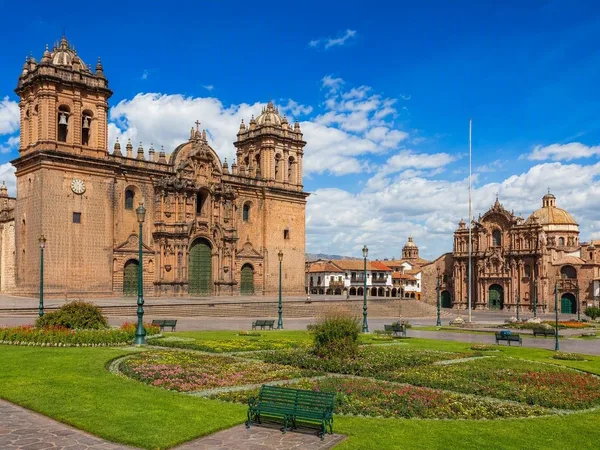
Cusco
0 linked stories and routes
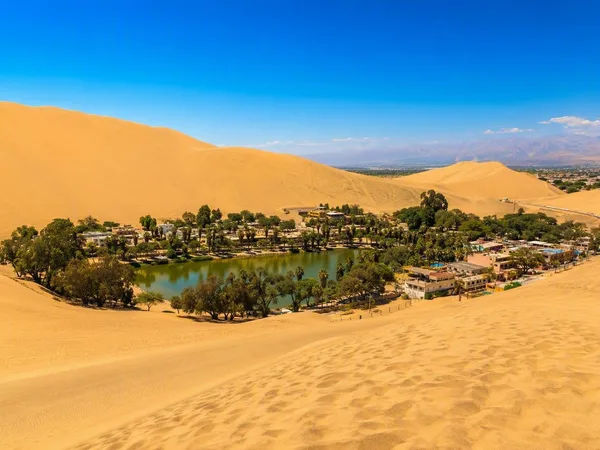
Ica desert
0 linked stories and routes