
Mountain · Peru
Pisco
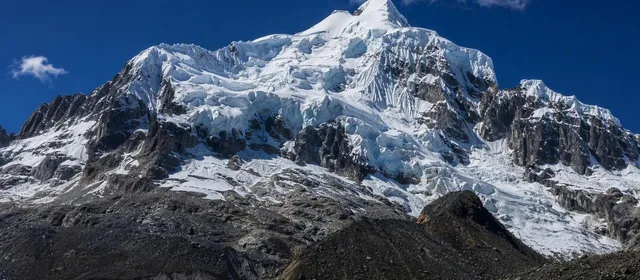
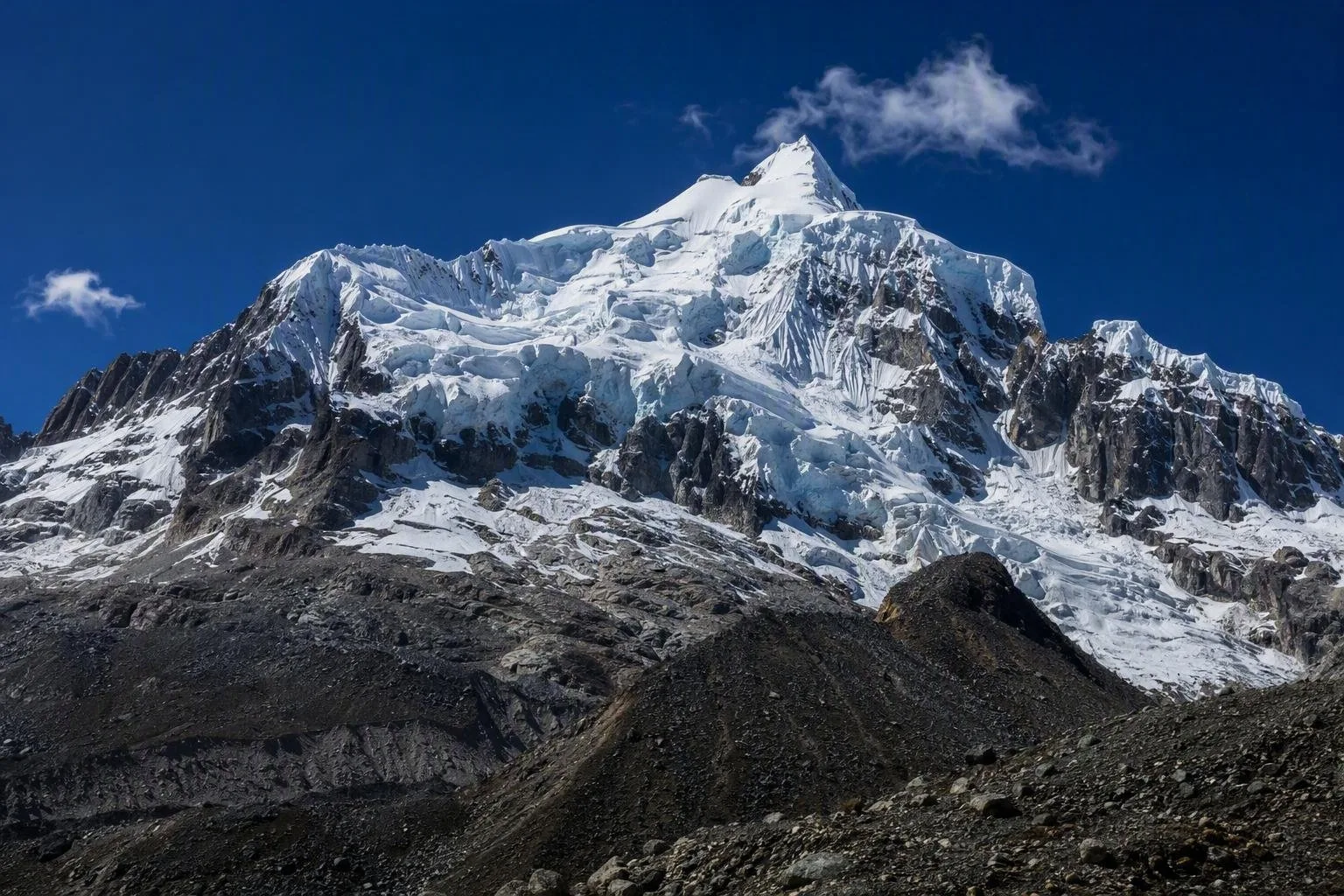
Pisco is a 5,752-metre glaciated mountain in Peru’s Cordillera Blanca, within Huascarán National Park in Áncash. Its western summit is a major high-altitude mountaineering objective above the Llanganuco valley.
Orientation
Pisco is part of the Huandoy group in the northern Cordillera Blanca, roughly 60 km north of Huaraz. It is a two-summit mountain: Pisco Este is the higher point at about 5,760 m, while Pisco Oeste (5,752 m) is the commonly climbed summit.
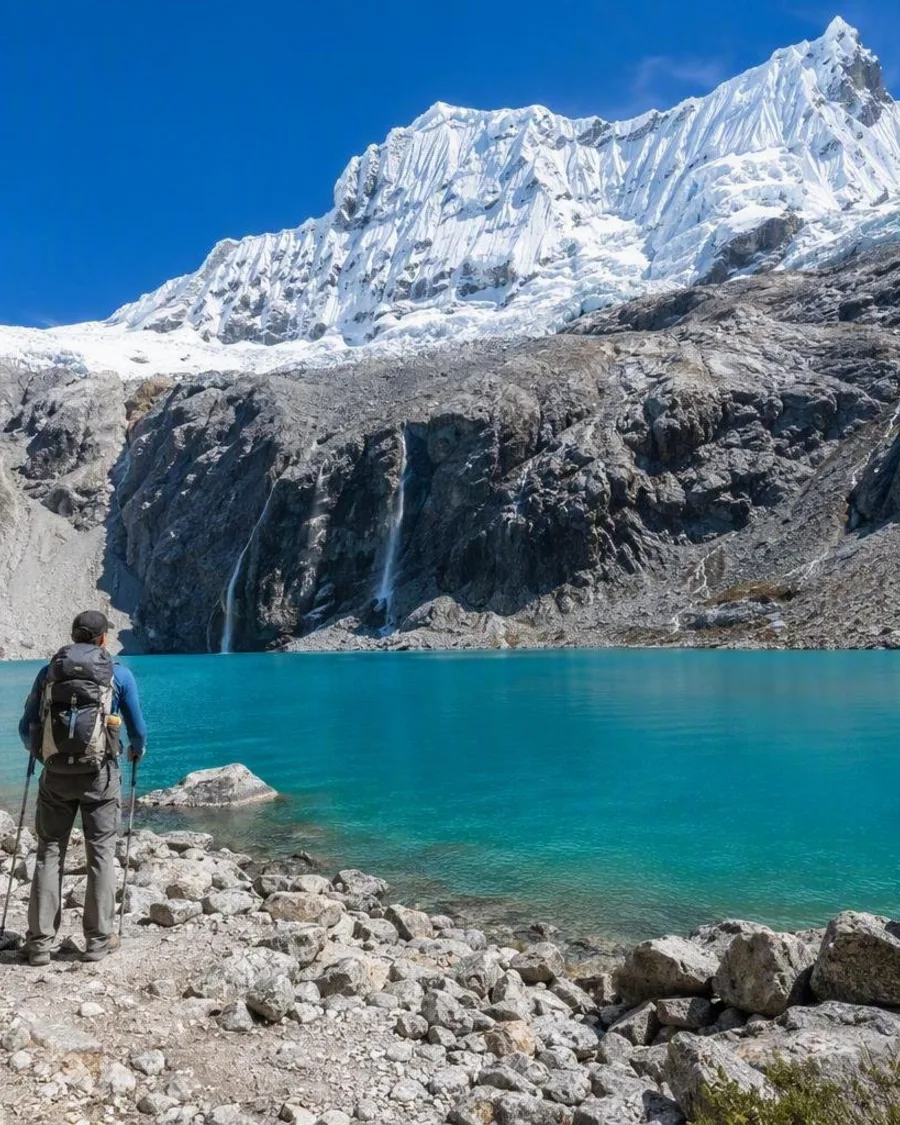
The mountain sits within Huascarán National Park. Its glacier, high col and moraine basin are the real destination; this is not a viewpoint walk or an extension of the Laguna 69 day hike.
The climb
The usual line reaches Pisco Oeste by the southwest ridge. The approach begins at Cebollapampa in the Llanganuco valley, then climbs through the base-camp area and moraine toward the glacier. Refugio Perú lies near the base camp at roughly 4,765 m; a higher moraine camp is used for summit attempts.
The upper mountain is glaciated. Expect snow slopes, crevasses and changing ice conditions, followed by a summit ridge. The peak’s altitude is the defining difficulty: even a comparatively straightforward line becomes demanding above 5,000 m.
What the summit gives you
Pisco’s position makes it a useful central lookout in the range. Chacraraju dominates to the east; Huandoy is close by, while Artesonraju, Pirámide de Garcilaso, Alpamayo, Huascarán and Chopicalqui may be visible in clear conditions.
Do not mistake the two Pisco summits. Standard itineraries and summit reports normally refer to Pisco Oeste. The eastern summit is higher but much less commonly climbed.
Planning and access
Base your logistics in Huaraz, then travel via Yungay into Quebrada Llanganuco to Cebollapampa. The mountain is inside the national park, so park entry procedures apply.
Allow time in the Cordillera Blanca before moving to camp. A fast ascent from Huaraz is a poor plan at these elevations. Carry cold-weather camping equipment if not using the refuge, and plan for an overnight high camp rather than treating the climb as a day trip.
Essential mountain rules
Pisco is a glacier climb, not a self-guided hiking route. Go with an appropriately qualified mountain guide and a rope team equipped for glacier travel. Crampons, ice axe, harness, rope and crevasse-rescue equipment are core gear, not optional extras.
Conditions can change the character of the route substantially. Fresh snow, wind, poor visibility and exposed ice can turn the southwest ridge into a serious objective. Turn around early if acclimatisation, weather or glacier conditions are not right.
From the magazine
Stories about Pisco
Editorial stories linked directly to Pisco.
Routes from our editors
Travel through Pisco
Editorial routes connecting Pisco with other countries, cities and hotspots.
No routes through Pisco have been published yet.
More in Peru
Related hotspots
Other cities, nature areas and places within Peru.
Callao
2 linked stories and routes
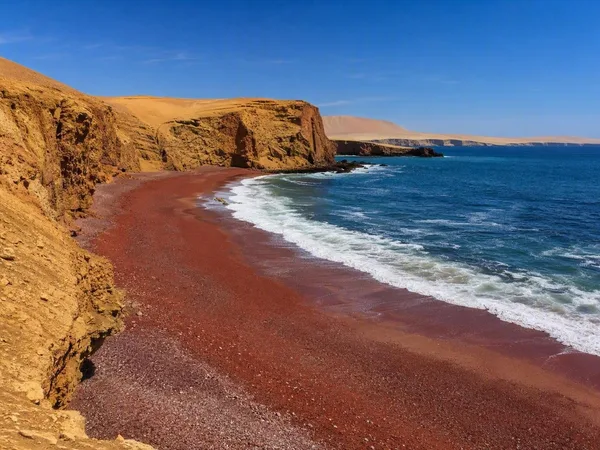
Playa Roja, Paracas
1 linked stories and routes
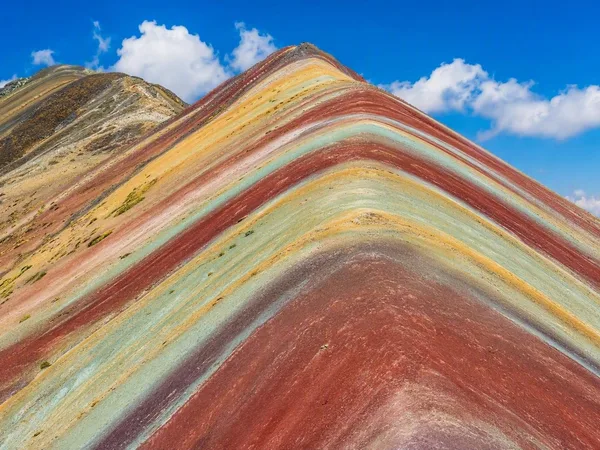
Vinicunca
1 linked stories and routes
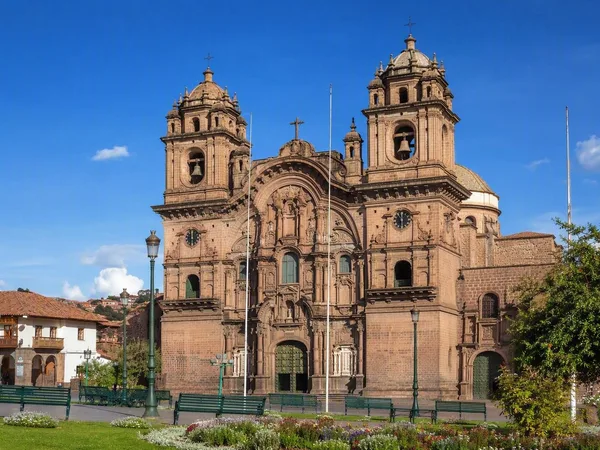
Plaza de Armas, Cusco
1 linked stories and routes
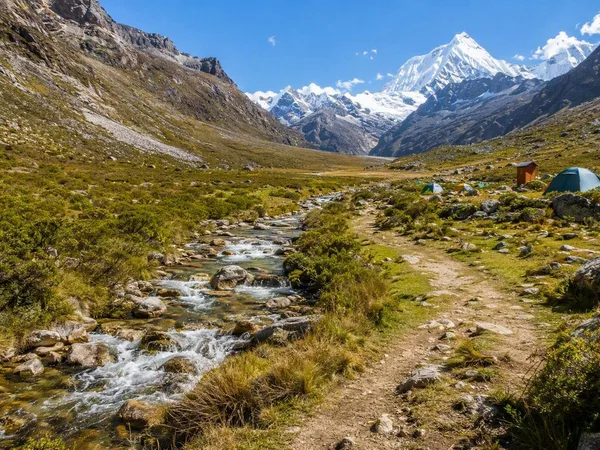
Cebollapampa
1 linked stories and routes
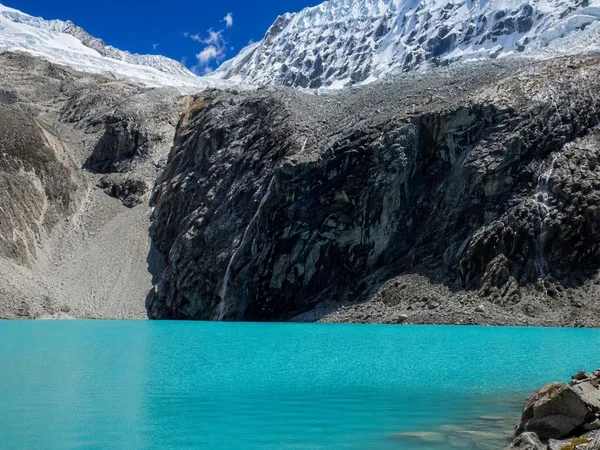
Laguna 69
1 linked stories and routes
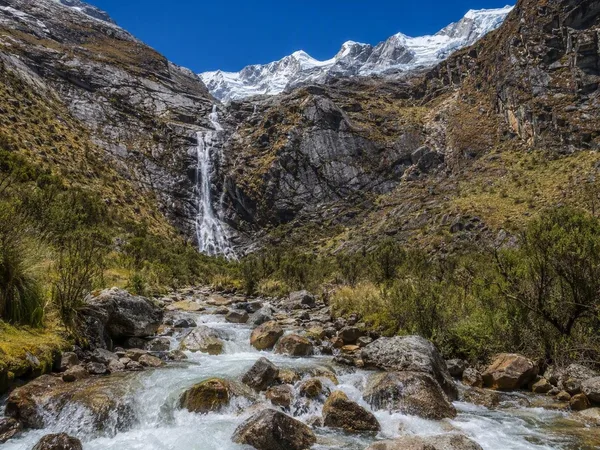
Quebrada Demanda
1 linked stories and routes
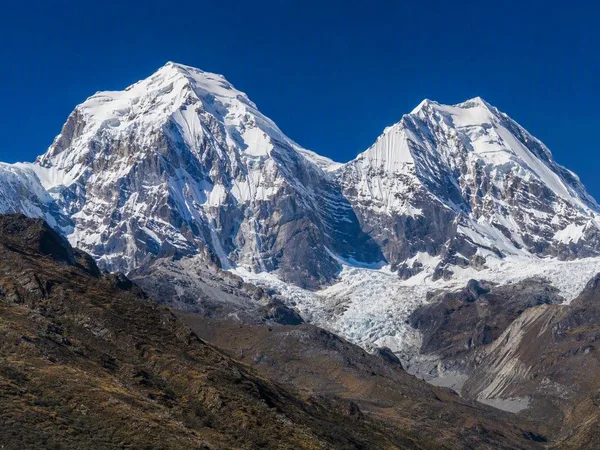
Cordillera Blanca
1 linked stories and routes
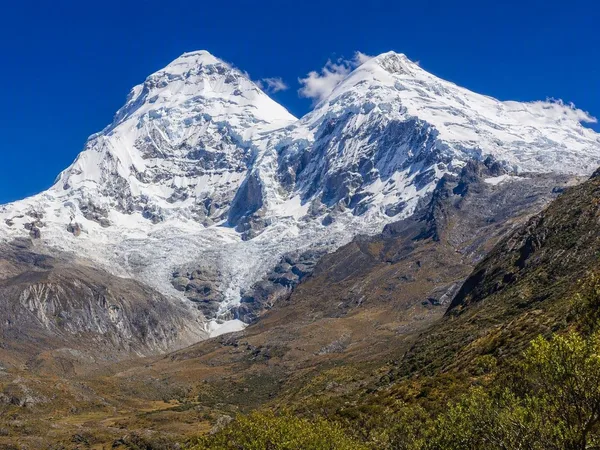
Huascarán National Park
1 linked stories and routes
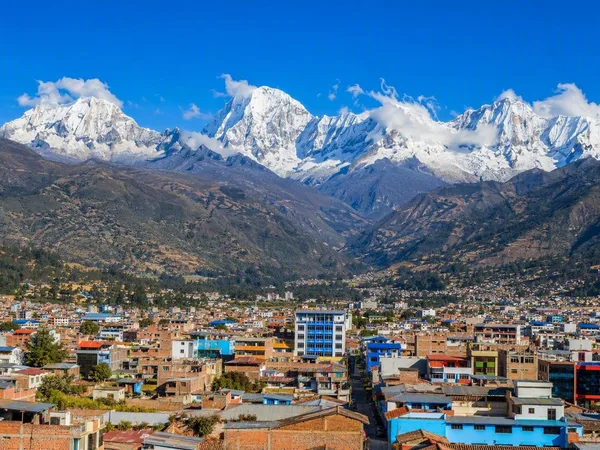
Huaraz
1 linked stories and routes
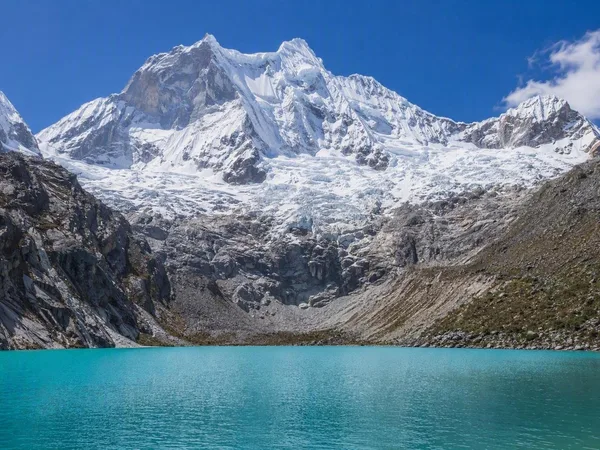
Chacraraju
1 linked stories and routes

Chincha
1 linked stories and routes
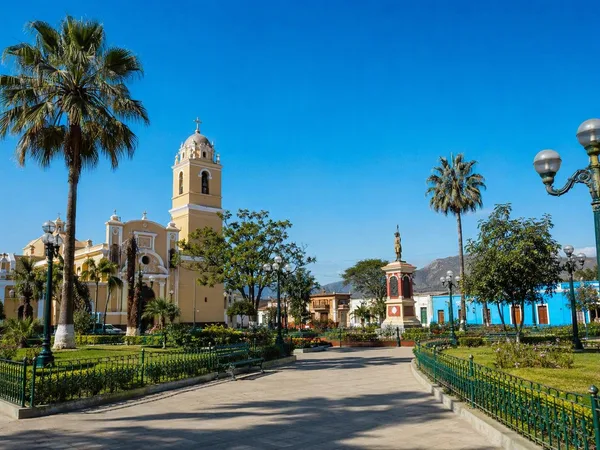
Cañete (San Vicente de Cañete)
1 linked stories and routes
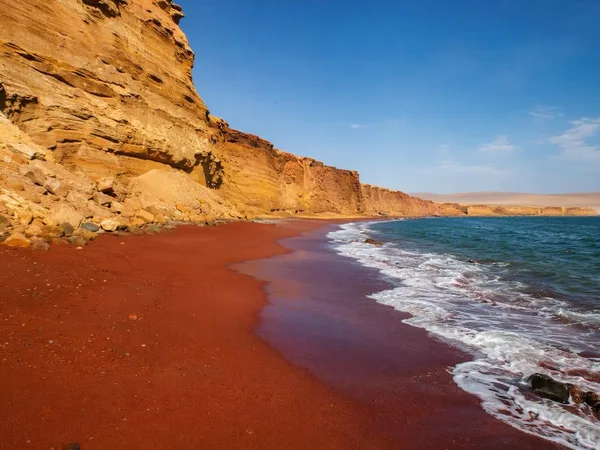
Paracas National Reserve
0 linked stories and routes
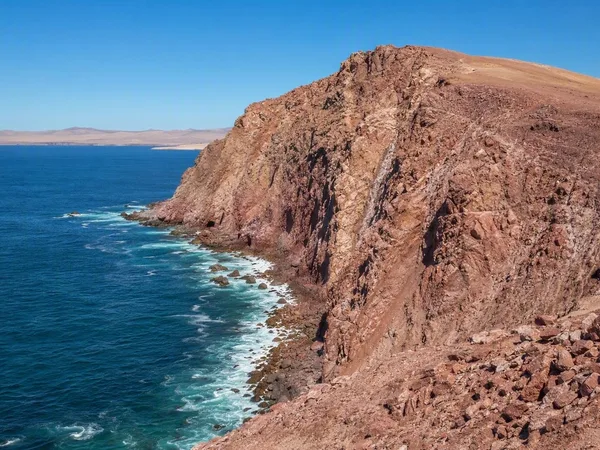
Punta Santa María, Paracas
0 linked stories and routes
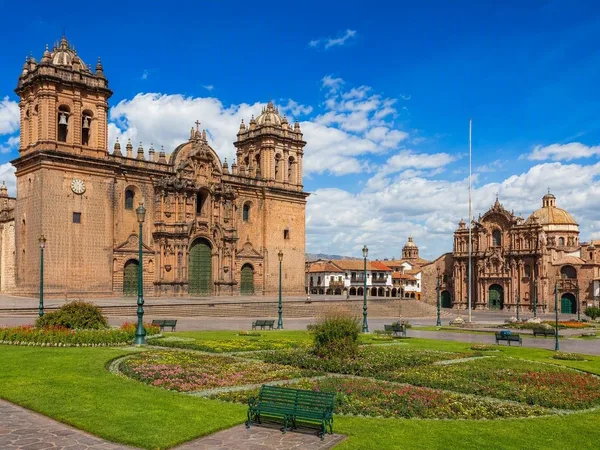
Cusco
0 linked stories and routes
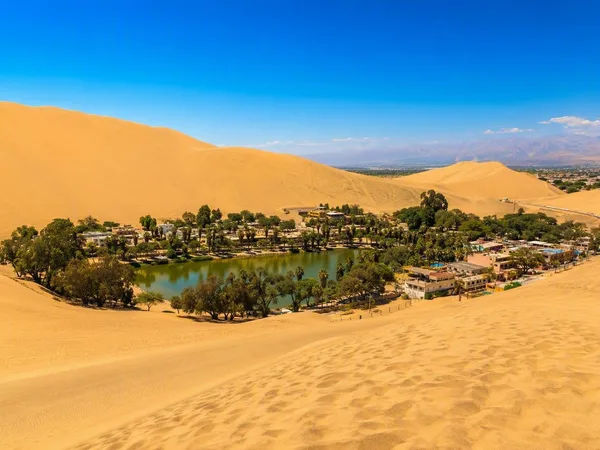
Ica desert
0 linked stories and routes