
Nature area · Peru
Ica desert
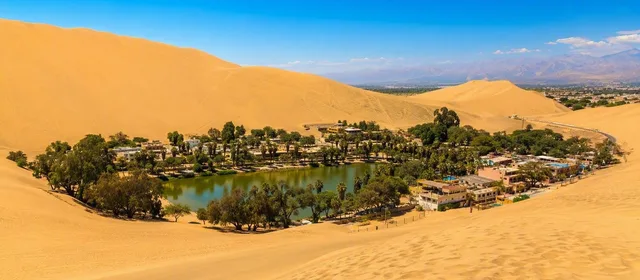
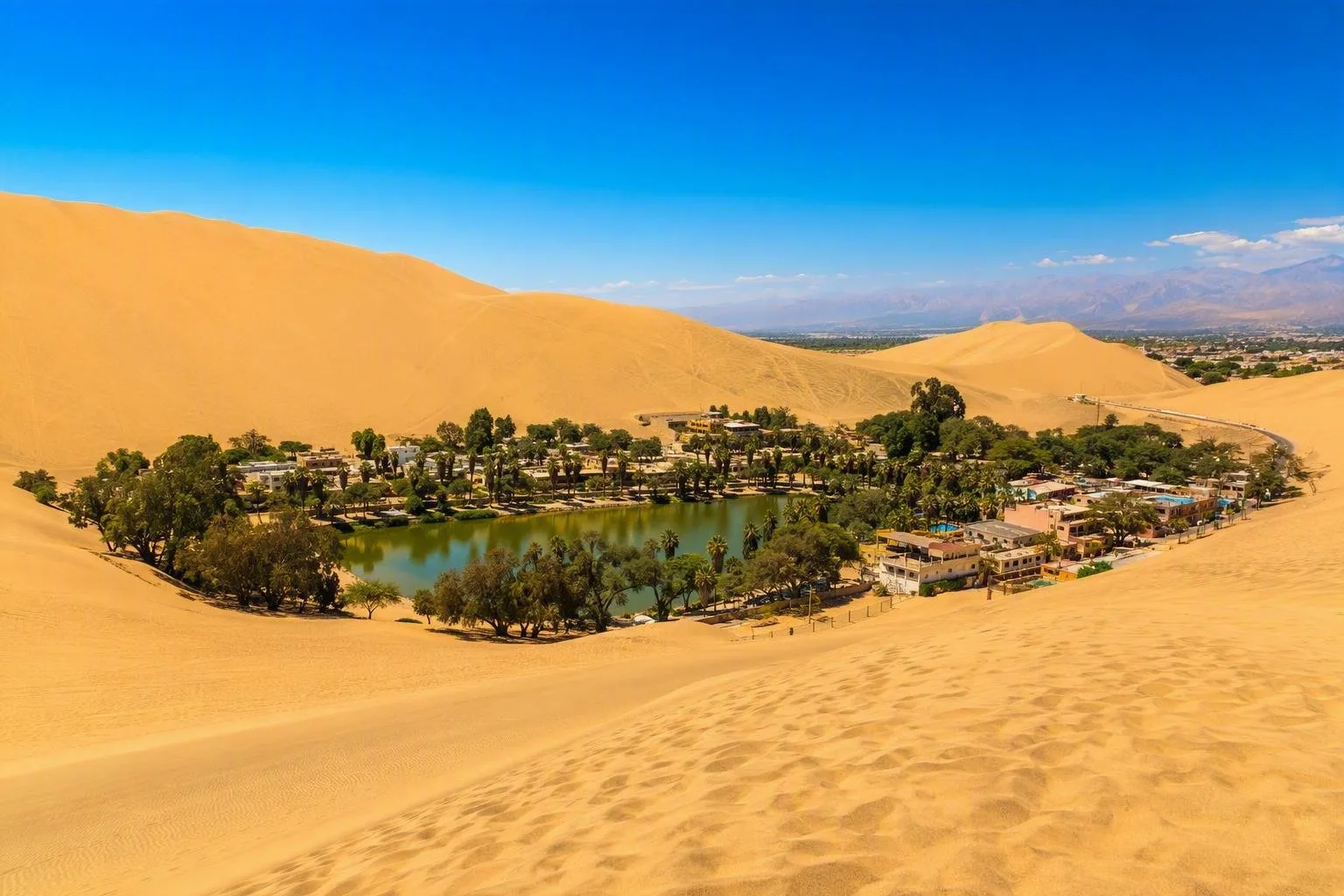
The Ica desert is Peru’s southern coastal desert landscape, where extensive dunes, irrigated valleys and the Huacachina oasis meet between the Pacific coast and the Andean foothills.
What the Ica desert is
The Ica desert is not a single gated attraction but a wide, arid coastal landscape in southern Peru. Sand plains and dune fields surround the city of Ica, while productive irrigated valleys cut through the dry terrain. The best-known accessible expression of the desert is Huacachina, an oasis on Ica’s edge ringed by steep dunes.
This is a place to read at ground level: wind-shaped ridges, bare slopes and long horizons change character through the day. The main practical base is Ica city; Huacachina is a short local transfer away.
Dunes and oasis
Huacachina is the clearest place to experience the desert’s scale without heading deep into remote terrain. Walk the perimeter of the lagoon, then climb a dune on foot for the broadest views. Sandboarding and dune-buggy outings operate on the surrounding slopes; choose an operator whose vehicles have working seat belts.
The desert is also a working landscape. Vineyards and other agriculture occupy watered ground around Ica, creating an abrupt shift from pale sand to cultivated green. Treat the oasis and dunes as a landscape, not merely an adventure-sport backdrop.
The Pacific edge
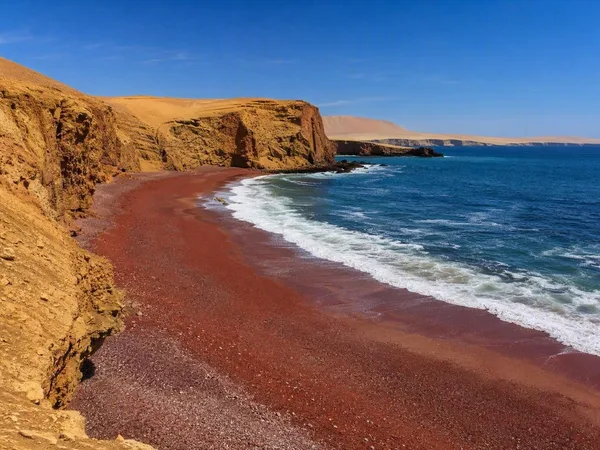
At the western edge, the desert meets the Pacific in Paracas National Reserve. This protected coastal section combines dunes, beaches, cliffs, bays and marine habitat. Playa Roja is its most distinctive stop: waves erode reddish fragments from Punta Santa María and deposit them along the shore, producing the red-brown beach.
Use the reserve’s established circuit and viewpoints rather than attempting cross-country shortcuts. Playa Roja is a lookout stop, not a tropical swimming beach. Elsewhere on the circuit, La Mina and Raspón have calmer water.
Climate and timing
Dry conditions define the Ica desert. Days can be hot and exposed; evenings may feel markedly cooler. A dawn or late-afternoon dune walk is more comfortable than the middle of the day and gives stronger relief across the sand.
The coastal reserve is visitable year-round, with little rain, but wind is a serious factor. The local vientos paracas can move sand and reduce road visibility. Bring water, sunscreen, sunglasses and a layer for the coast.
Access and desert rules
Ica lies on Peru’s south-coast road corridor and is the useful transport hub for the desert. Use taxis or arranged transport for Huacachina and organized transport for longer excursions; dunes and unmarked desert roads are not places to drive independently without suitable equipment and local knowledge.
Within Paracas National Reserve, enter via the Santo Domingo checkpoint, follow marked routes and instructions from rangers, and take all litter out. Do not approach wildlife or take pets into the reserve. The protected coast is best treated as a viewpoint-and-walk landscape, not an off-road playground.
From the magazine
Stories about Ica desert
Editorial stories linked directly to Ica desert.
No stories about Ica desert have been published yet.
Routes from our editors
Travel through Ica desert
Editorial routes connecting Ica desert with other countries, cities and hotspots.
No routes through Ica desert have been published yet.
More in Peru
Related hotspots
Other cities, nature areas and places within Peru.
Playa Roja, Paracas
1 linked stories and routes
Vinicunca
1 linked stories and routes
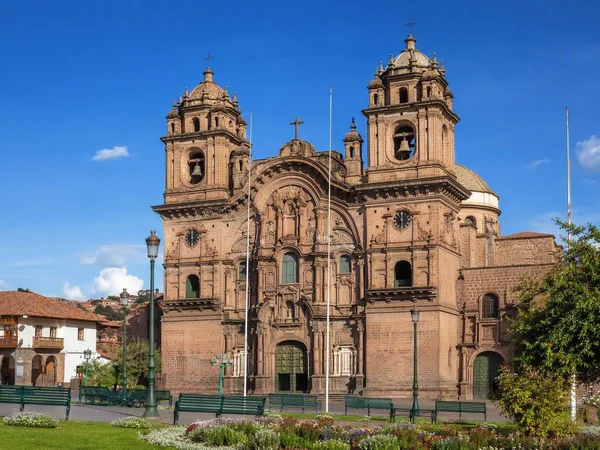
Plaza de Armas, Cusco
1 linked stories and routes
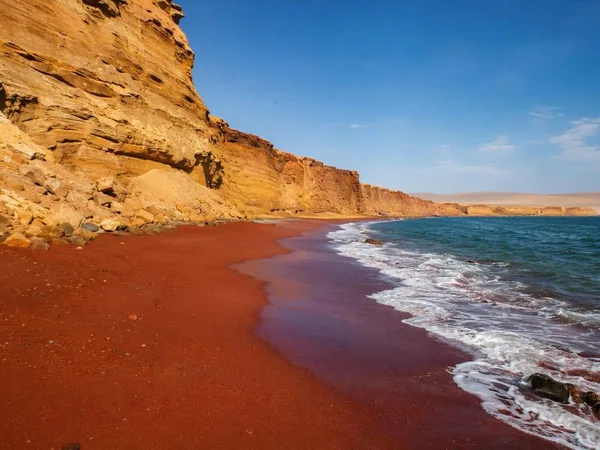
Paracas National Reserve
0 linked stories and routes
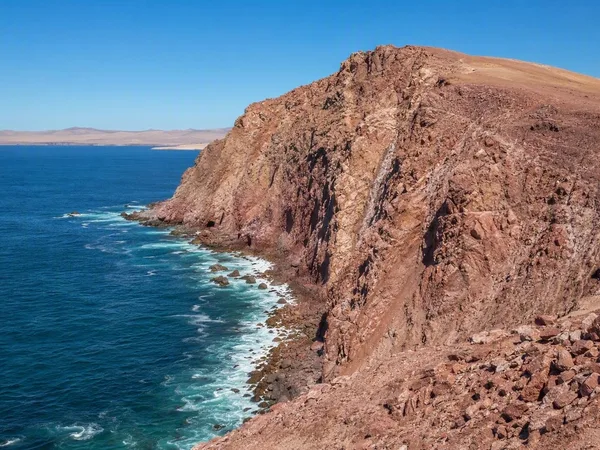
Punta Santa María, Paracas
0 linked stories and routes
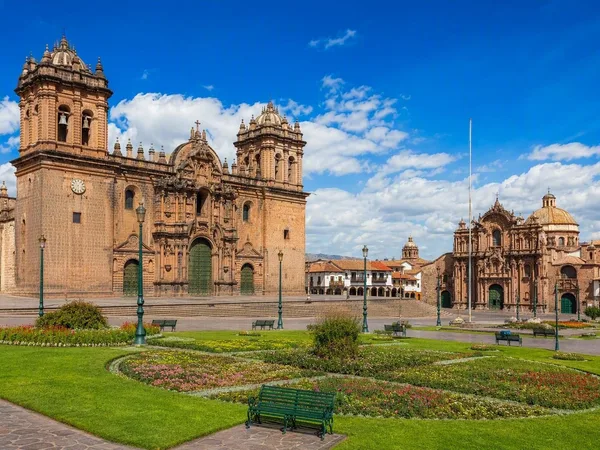
Cusco
0 linked stories and routes