
Sight · Peru
Plaza de Armas, Cusco
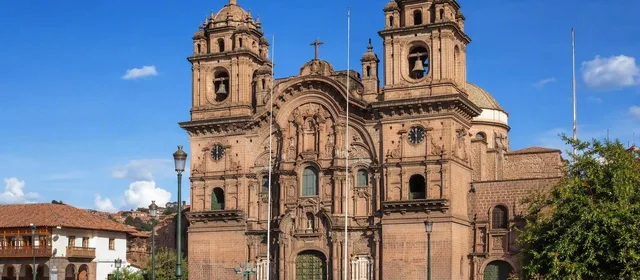
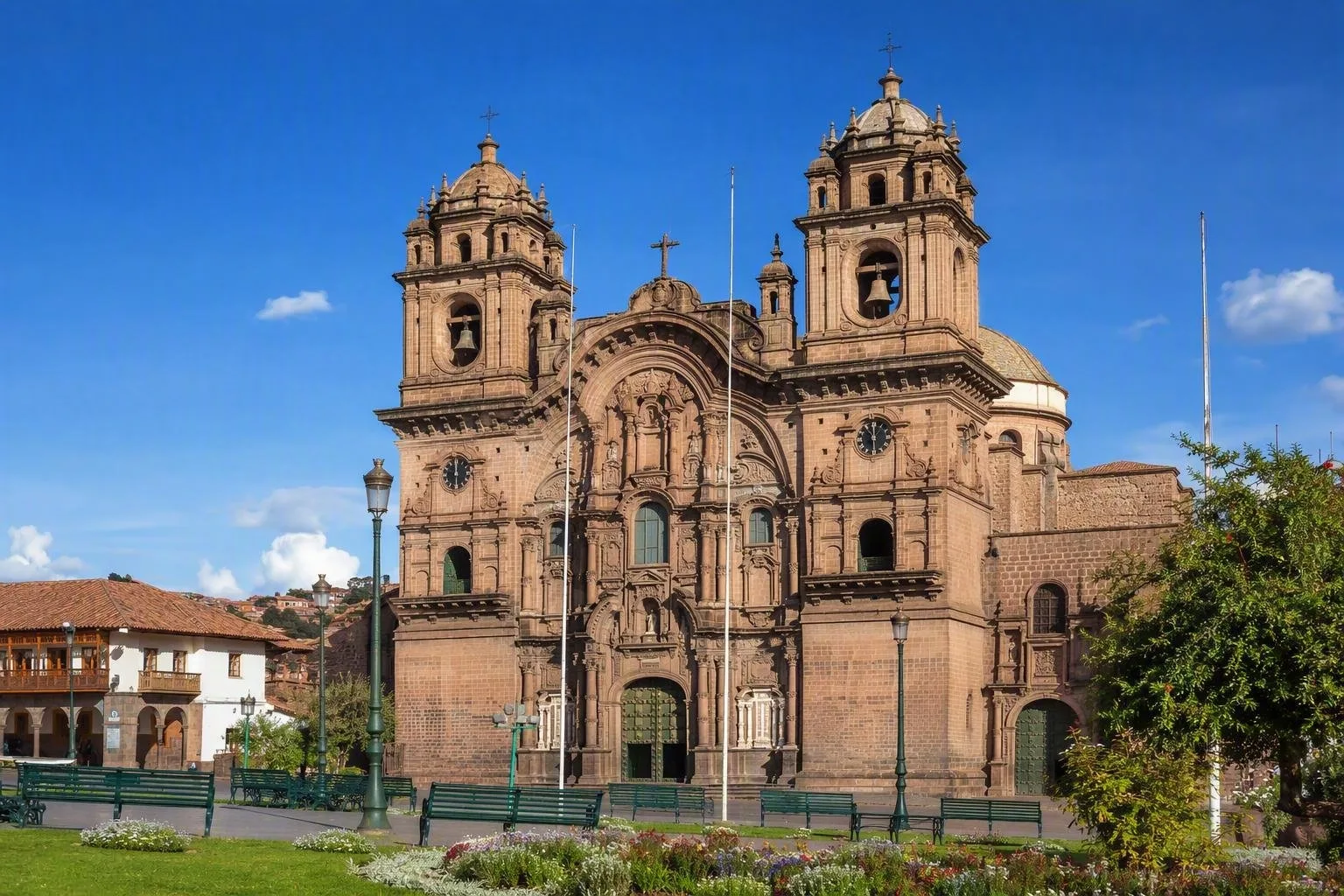
Cusco’s main square sits at the centre of the historic city, 3,400 metres above sea level. It is the former Inca ceremonial space, reshaped in the colonial era and framed by the Cathedral and the Church of the Society of Jesus.
Orientation
Plaza de Armas is the civic and geographic core of historic Cusco. It is a public square with planted beds, paths and a central fountain, surrounded by arcades, shops and restaurants. The Cathedral occupies the north-eastern side; the Church of the Society of Jesus faces it from the south-east.
Use the plaza as a practical reference point: Calle Loreto leads east, while Plateros, Procuradores, Cuesta del Almirante, Triunfo and Mantas run into the surrounding historic streets.
What this square represents
Before the Spanish conquest, this was part of a much larger Inca ceremonial and political space known by variants including Huacaypata and Aucaypata. The Saphy River once crossed the area. The Inca plaza extended beyond today’s square toward what is now Plaza Regocijo and nearby streets.
Colonial rebuilding changed its scale and edges, placing churches and mansions over former Inca palaces. The result is the essential Cusco contrast: colonial façades and arcades above an older Inca urban landscape. The square is part of Cusco’s protected historic centre.
Read the edges
Start with a full circuit on foot rather than treating the plaza as a photo stop.
- Cusco Cathedral: the large stone complex on the north-east side, built over the site of the palace of Inca Viracocha. Its façades dominate the square.
- Church of the Society of Jesus: on the south side, built on the former Amaru Kancha, associated with Huayna Cápac. Its twin-towered Baroque façade is the strongest architectural counterpoint to the Cathedral.
- Arcades and balconies: walk beneath the portals to see how commercial life occupies the colonial perimeter. Look down as well as up: Inca masonry survives in foundations and lower walls around the historic centre.
The central fountain is topped by a bronze Inca figure, generally identified as Pachacútec.
Timing and events
Go early for an unobstructed look at the façades and a calmer circuit of the square. Return after dark to see the churches and arcades lit. The plaza remains an active setting for civic, religious and cultural occasions, notably Corpus Christi, Holy Week and Cusco’s June festivities, including Inti Raymi on 24 June. These dates bring crowds and can alter movement through the square.
Practical use
The square itself is level and easy to cross, but it stands at 3,400 metres. On arrival in Cusco, keep your first walk slow and short; the uphill streets beyond the plaza feel markedly harder at this altitude.
There is no ticket to walk through the public square. The Cathedral and the Church of the Society of Jesus are separate places of worship and visitor sites; access arrangements differ from the plaza. For a useful onward walk, take Calle Loreto toward the Inca walls, or follow Cuesta del Almirante into the older lanes above the square.
From the magazine
Stories about Plaza de Armas, Cusco
Editorial stories linked directly to Plaza de Armas, Cusco.
Routes from our editors
Travel through Plaza de Armas, Cusco
Editorial routes connecting Plaza de Armas, Cusco with other countries, cities and hotspots.
No routes through Plaza de Armas, Cusco have been published yet.
More in Peru
Related hotspots
Other cities, nature areas and places within Peru.
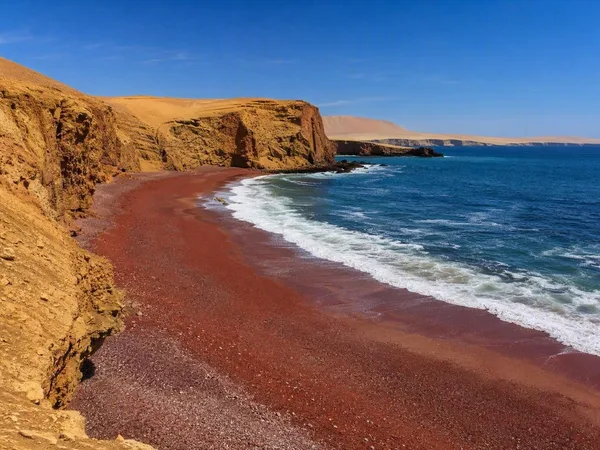
Playa Roja, Paracas
1 linked stories and routes
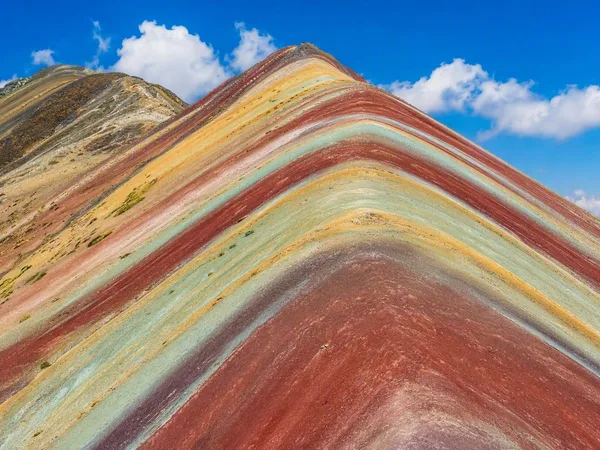
Vinicunca
1 linked stories and routes
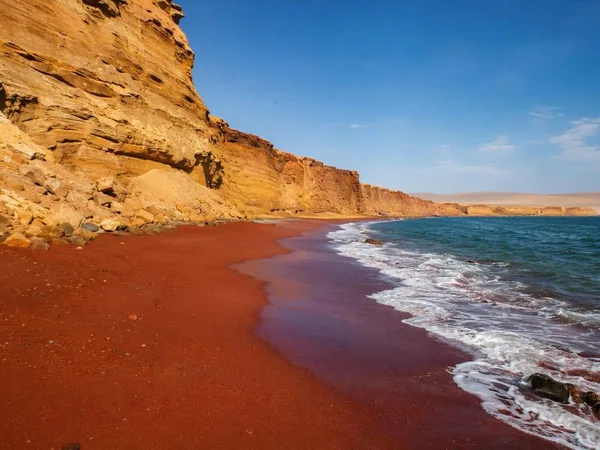
Paracas National Reserve
0 linked stories and routes
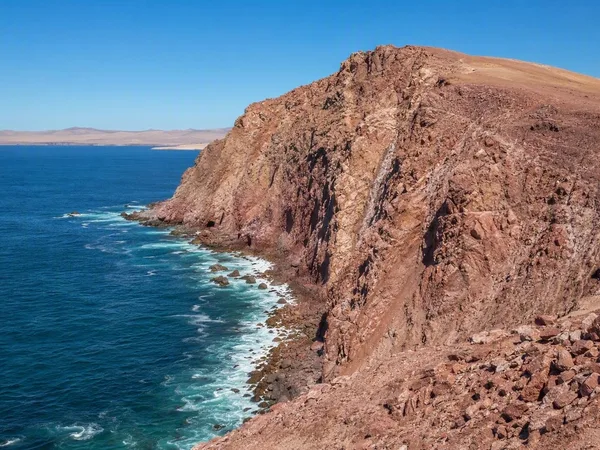
Punta Santa María, Paracas
0 linked stories and routes
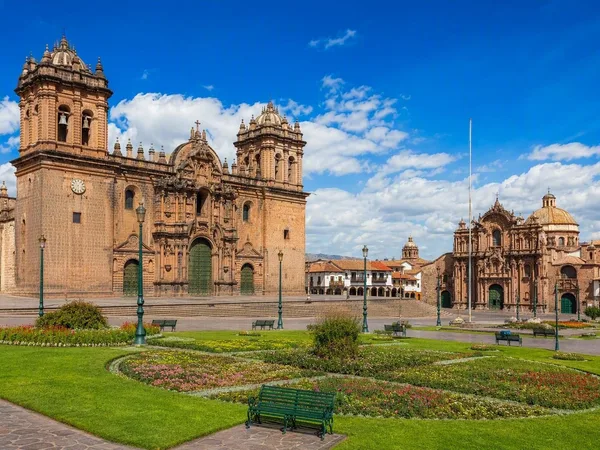
Cusco
0 linked stories and routes
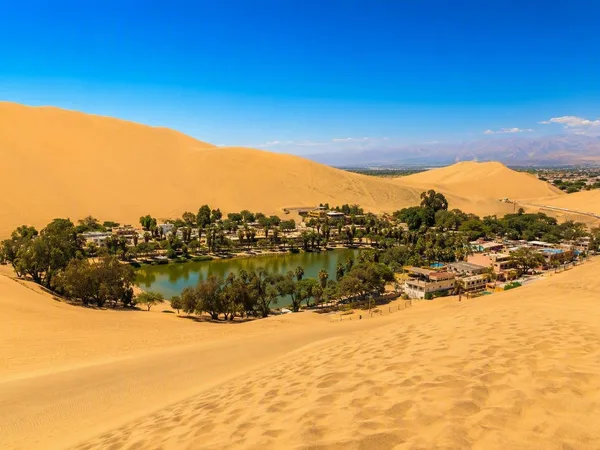
Ica desert
0 linked stories and routes