Ten Squares That Change After Dark
At sunset, restaurant stalls fill Jemaa el-Fna and listeners close around storytellers who adjust each performance to the crowd. Elsewhere, evening brings aperitivo tables, commuter tides, street food, ceremonies and concert audiences to public ground.
Jemaa el-Fna, Marrakesh
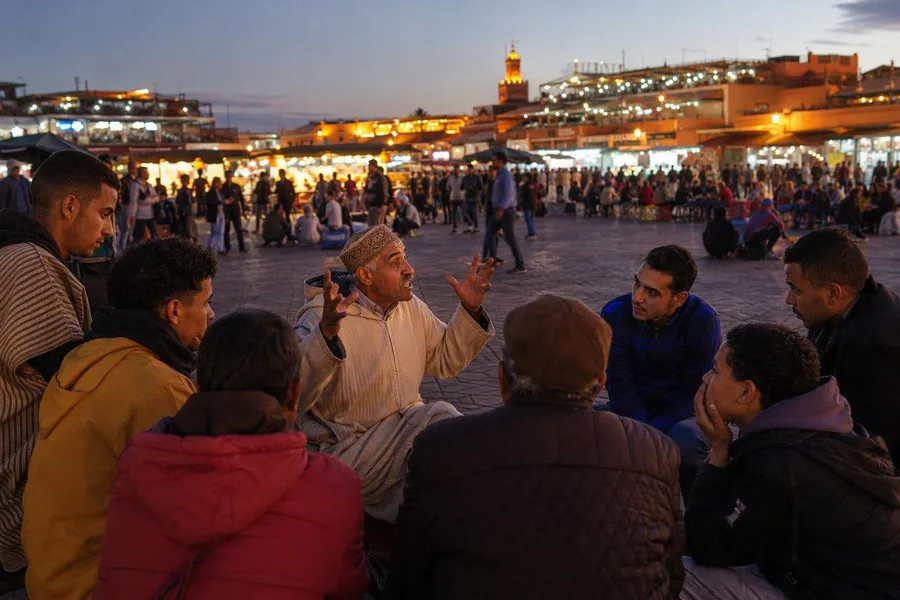 A storyteller gestures to listeners beside restaurant stalls in Jemaa el-Fna, Marrakesh.
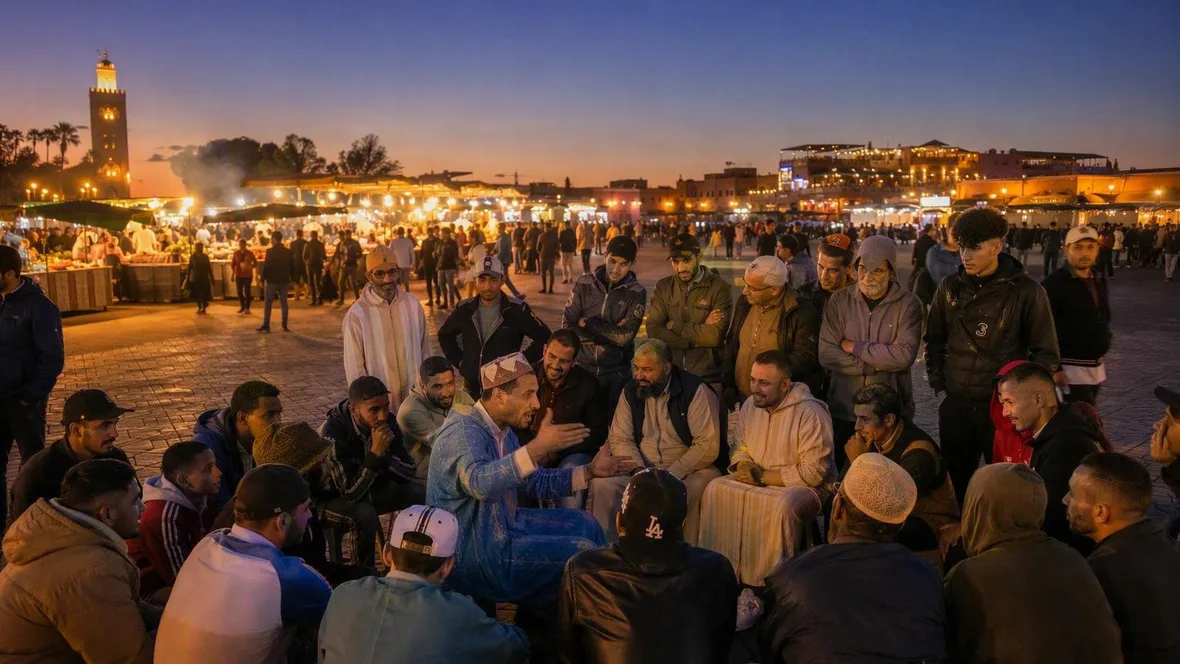
Jemaa el-Fna changes visibly at dusk. Restaurant stalls occupy the broad triangular space at the entrance to Marrakesh’s medina, while spectators form circles around poets, storytellers, Amazigh musicians and Gnaoua performers. Some musicians play the three-stringed senthir. Storytellers use gesture and improvisation to hold each shifting ring of listeners.
This circle is called a halqa. It belongs to an oral and performing culture associated with the square since Marrakesh was founded in the eleventh century, alongside trade and prepared food. The evening is not one polished show. People eat, listen and move on, and another circle closes behind them.
Plaça Reial, Barcelona
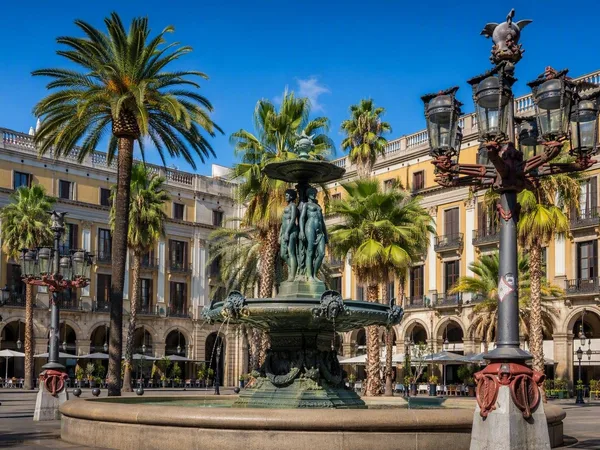
Under the arcades of Plaça Reial, dinner tables fill first. Later, some people remain on the terraces while others pass through doors leading to bars, clubs and concert venues. Two six-armed lamps designed by the young Antoni Gaudí and the cast-iron Three Graces fountain provide fixed points amid the movement.
Barcelona built the rectangular neoclassical square between 1848 and 1859 on the site of a former Capuchin monastery. Its balconies, Corinthian pilasters and curved arcades look unusually orderly beside the older lanes of the Gothic Quarter. After dark, the arcades shelter the tables and entrances that keep the square busy late into the night.
Piazza Santo Spirito, Florence
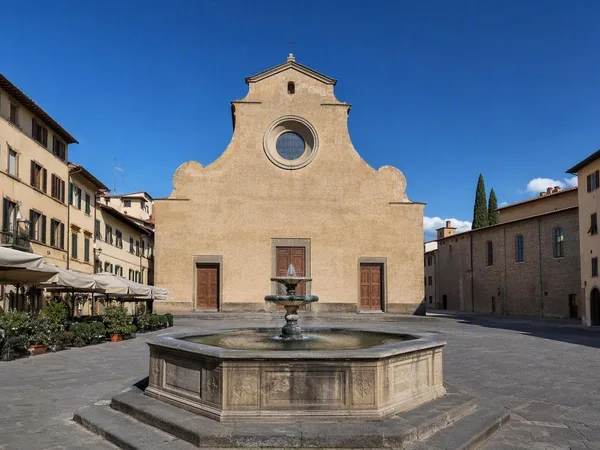
Across the Arno, Piazza Santo Spirito follows the timetable of its neighbourhood. Workshops and shops close. Then trattorias, cafés and bars spread their evening trade around the large octagonal fountain of grey pietra serena. Florentines, students and visitors settle in for an aperitivo, wine or beer, often staying well beyond dinner.
The square developed in the thirteenth century outside an Augustinian monastery and became a meeting place for Oltrarno’s religious, commercial and social life. Brunelleschi’s late-fifteenth-century basilica faces it with a plain, unfinished façade, while Palazzo Guadagni adds a Renaissance loggia nearby. In warmer months, markets, small concerts and outdoor films sometimes extend the evening beyond the café tables.
Piazza Bellini, Palermo
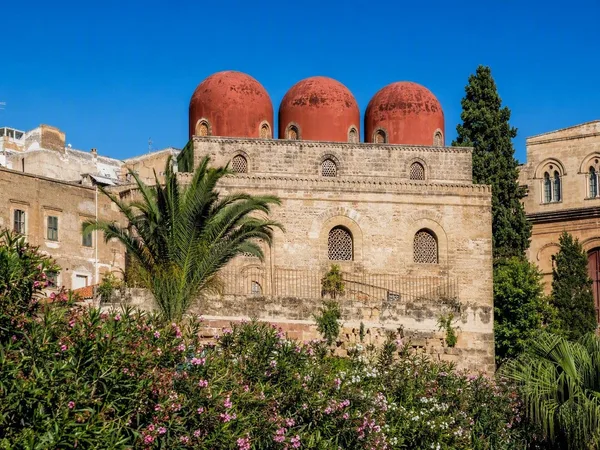
Palermo’s evening passeggiata carries people along pedestrianised Via Maqueda towards compact Piazza Bellini. Some keep walking. Others stand at terrace tables for a spritz, wine or amaro with small plates, talking beneath a remarkably tight cluster of church façades.
La Martorana dates from 1143 and remains a Greek Orthodox church; San Cataldo, founded in 1160, retains its angular Arab-Norman form. Baroque Santa Caterina faces them across the square, while remains of Punic fortifications lie among the older layers beneath this part of Palermo. The aperitivo crowd shares the small space with worshippers, theatre audiences and people crossing the historic centre.
Taksim Square, Istanbul
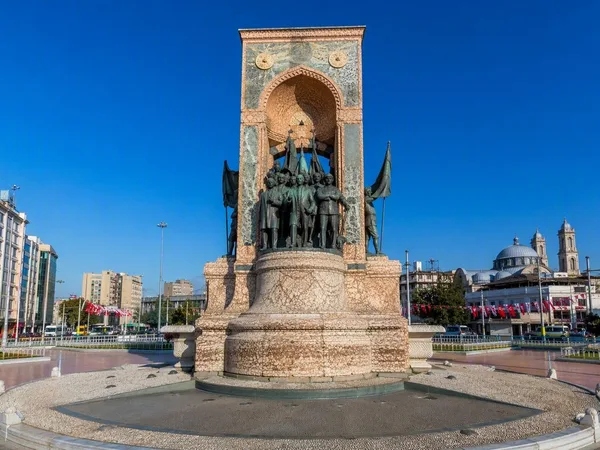
Taksim works as a crossroads rather than an outdoor sitting room. People meet beside the Republic Monument, then stream into İstiklal Caddesi among shoppers, street musicians and the nostalgic tram. Later, the crowd branches into Beyoğlu and Cihangir, where meyhanes host live fasıl music and bars and clubs draw their own audiences.
The square began as an Ottoman water-distribution point and promenade. Republican planners later reshaped it around the Republic Monument, Gezi Park and the open ground beside today’s Atatürk Cultural Centre. Celebrations, commemorations and demonstrations still gather here, so current events can alter the evening quickly.
Hachikō Square, Tokyo
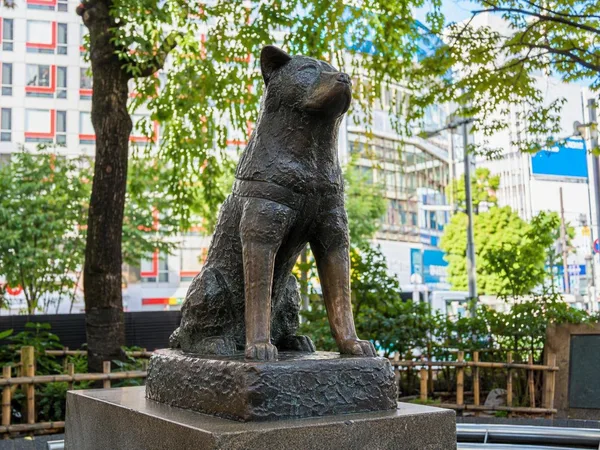
Few people stay long beside Shibuya Station. A queue forms at the bronze statue of the Akita dog Hachikō, while each green light releases pedestrians across the five crossings of the nearby Scramble. Digital advertisements and illuminated façades colour these repeated waves after sunset.
Hachikō continued waiting at the station after his owner died in 1925. The present statue replaced an original that was melted down in 1944, and the small forecourt became one of Tokyo’s best-known meeting points. Shibuya grew during the twentieth century from a railway district into a major centre for fashion, youth culture and nightlife. Friends still use the dog statue as a practical landmark in the crowd.
Plaza de la Trinidad, Cartagena
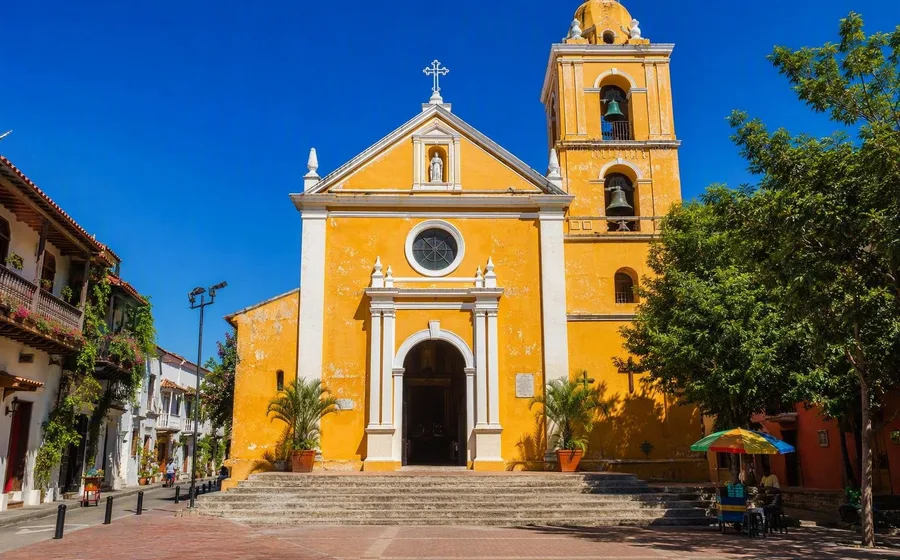
By evening, the church steps, stone edges and kerbs around Plaza de la Trinidad become seats. Vendors sell arepas, empanadas, fried plantain and beer as street performers bring champeta and acrobatics into the gathering. Music also carries in from surrounding streets, where murals refer to Afro-Caribbean identity and political struggles.
The ochre Santísima Trinidad church was begun in 1643 for the growing community of Getsemaní, then outside Cartagena’s walled centre. Workers, fishers and craftspeople from the district took part in the independence struggle of 1811. The plaza remains both church forecourt and neighbourhood meeting ground, with games, conversation and public performance sharing the paving.
The Zócalo, Mexico City
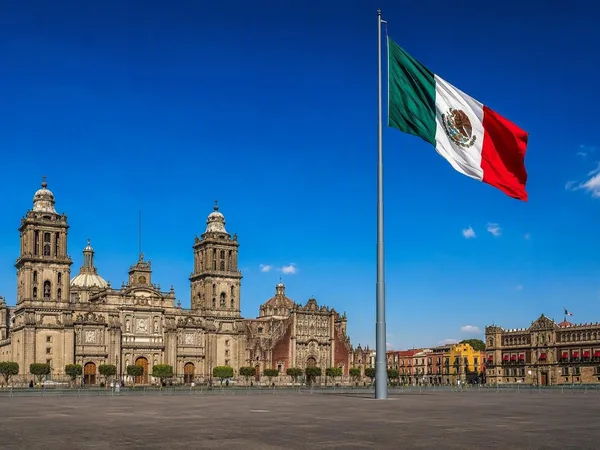
The vast Plaza de la Constitución often gains its evening life through public programming rather than a nightly café scene. Concerts, cultural events and seasonal installations turn its open paving into an audience space, framed by monumental civic and religious buildings.
During the 2025–26 Luces de Invierno programme, illuminated trees, craft stalls, a concert stage and an LED light tunnel stood around the square. Those structures were temporary, but the largely open centre can hold large public spectacles. Even the familiar name records an absence: zócalo refers to the base of an independence monument that was started but never completed, and its remains still lie beneath the paving.
Plaza de Armas, Cusco
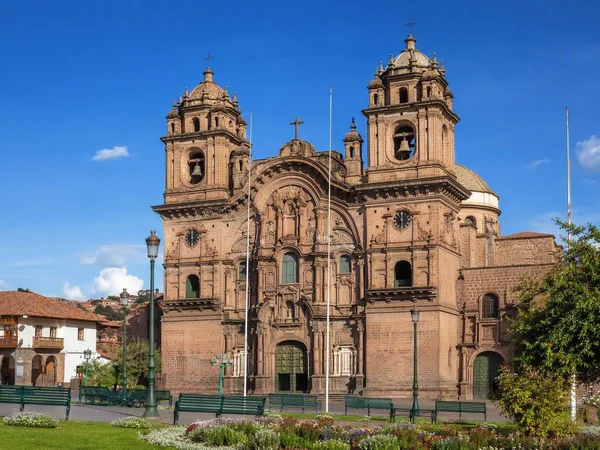
After sunset, lights pick out Cusco Cathedral and the Church of La Compañía de Jesús, while diners look down from colonial balconies and rooftop restaurants. On the cobbles below, people stroll towards Procuradores and Plateros, where bars feature live Andean and Latin music.
The Incas knew the plaza as Huacaypata and used it as Cusco’s political and ceremonial centre. Spanish builders later raised churches and administrative buildings on Inca foundations; the cathedral occupies the site of Inca Wiracocha’s palace and incorporates stone taken from Sacsayhuamán. At 3,400 metres, the evening turns cool enough for a jacket to affect how long people remain outside.
A short practical note
Most of these squares are free to enter, although individual performances, clubs and viewpoints may charge. Large events can bring barriers or access controls at the Zócalo, in Shibuya and around Cusco’s June festivities. Foreign visitors pay NPR 1,000 to enter the heritage complex at Kathmandu Durbar Square.
Durbar Square, Kathmandu
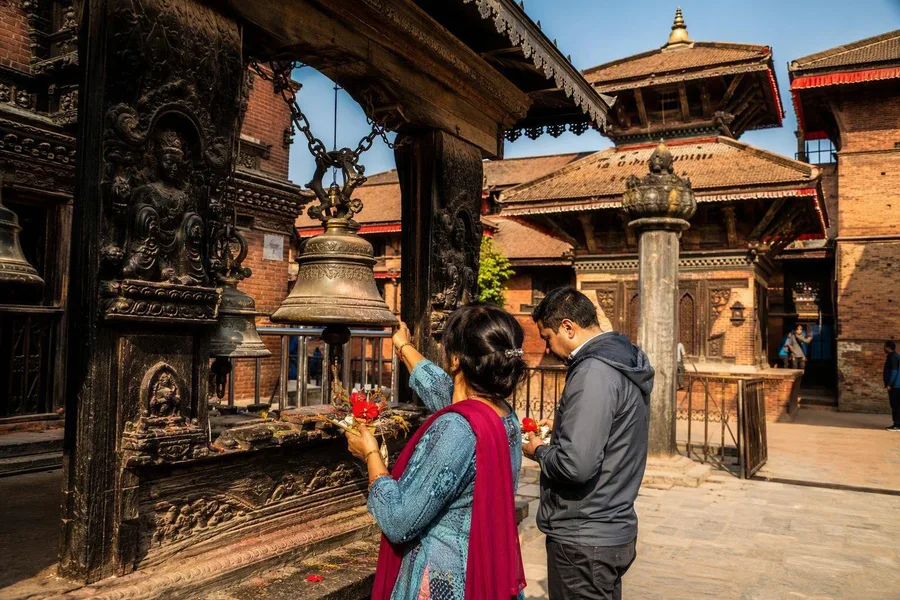 Worshippers leave offerings and ring bells among the temples at Kathmandu Durbar Square.
Kathmandu’s Durbar Square forms part of the former royal complex at Hanuman Dhoka and Basantapur. Newar builders set carved timber temples, pagoda roofs, courtyards, bronze bells and stone images around the palace precinct. Metalworkers, woodcarvers and sculptors still maintain workshops and trade around Basantapur.
Religion remains part of daily use. Worshippers leave offerings, ring bells and burn incense, while the seventeenth-century Kumari Ghar continues to house the living goddess Kumari. On Indra Jatra nights, masked dancers and chariot processions cross the square to music. During Tihar, oil lamps and mandalas light the temple complex.
Keep exploring
Places in this story
Europe
10 landen en gebieden
Plaça Reial
Piazza Santo Spirito
Piazza Bellini, Palermo
Taksim Square
Hachikō Square
Plaza de la Trinidad, Cartagena
Plaza de la Trinidad is Getsemaní’s principal public square in Cartagena, Colombia, set directly before the Iglesia de la Santísima Trinidad. It is a compact historic meeting place where the church steps, street food and surrounding lanes define the experience.
The Zócalo, Mexico City
Plaza de Armas, Cusco