
City · Ecuador
Guayaquil
Guayaquil is Ecuador’s principal port city, set on the west bank of the Guayas River. Its compact riverfront links the historic centre, Malecón 2000 and the hillside district of Las Peñas.
Start with the riverfront
Guayaquil makes most sense from the Malecón 2000, the 2.5-kilometre promenade along the Guayas River. It is the city’s clearest public spine: gardens, ponds, monuments and river views run between the historic centre and the northern waterfront.
Walk it rather than treating it as a single stop. The Hemiciclo de La Rotonda is the key monument, commemorating the meeting of Simón Bolívar and José de San Martín. The promenade also has more than 60 sculptures and monuments, so it works as an efficient introduction to the city’s civic history.
The historic core
A short walk inland from the river, Parque Seminario is a useful first stop. The shaded square, also known as Iguana Park, has free-roaming iguanas, a Bolívar monument and the Metropolitan Cathedral on its edge. Keep a respectful distance from the animals; this is a public park, not a petting attraction.
From here, continue to the Malecón. This simple pairing gives you the central city without relying on long cross-town journeys.
Las Peñas and Cerro Santa Ana
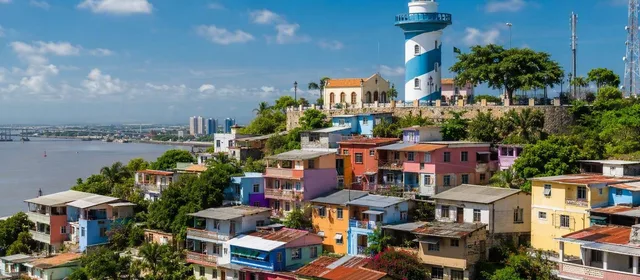
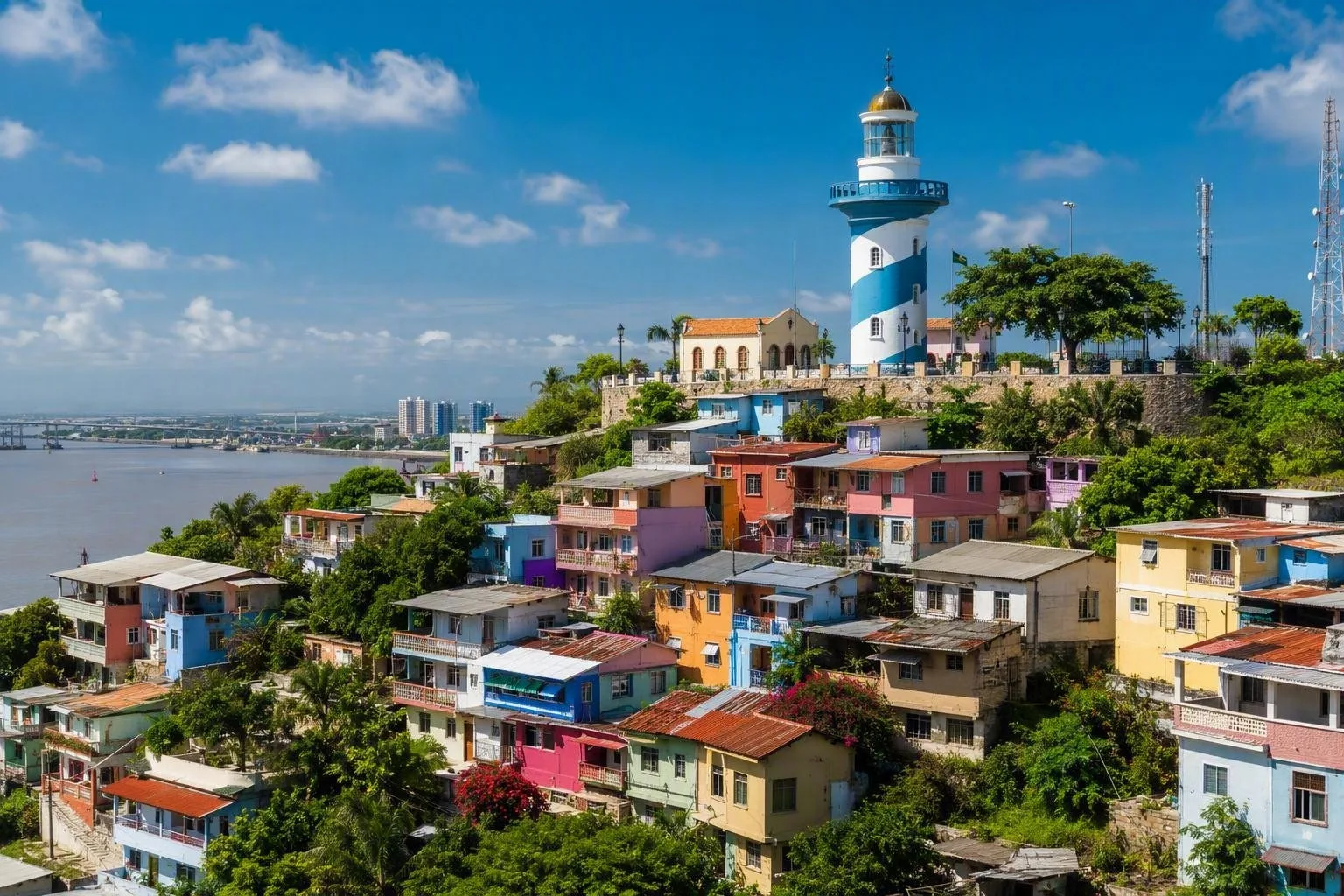
At the northern end of the Malecón, Las Peñas sits between the Guayas River and Cerro Santa Ana. Its cobbled lanes, painted timber houses, wooden balconies and Fortín de La Planchada make it Guayaquil’s most recognisable historic streetscape.
The district leads into the 444 steps of Cerro Santa Ana. The climb ends at a lighthouse and chapel, with a broad view over the river, central Guayaquil and Puerto Santa Ana. Take water and shoes with grip: this is a stair climb, not an accessible viewpoint. Early morning or later afternoon is more comfortable in the heat.
Food and moving around
Coastal cooking is central here. Look for encebollado, a fish-and-yuca soup; shrimp or shellfish ceviche; bolón de verde, mashed green plantain; and crab dishes. Eat these in established restaurants or busy, clearly run local spots.
The central sights above form a walkable circuit. For journeys beyond the centre, use the Metrovía rapid-bus network, the Aerovía cable car across the Guayas, or registered taxis and ride-hailing services. Guayaquil stays warm and humid year-round; carry water, sun protection and light clothing.
From the magazine
Stories about Guayaquil
Editorial stories linked directly to Guayaquil.
Eight archipelagos where the boat still matters
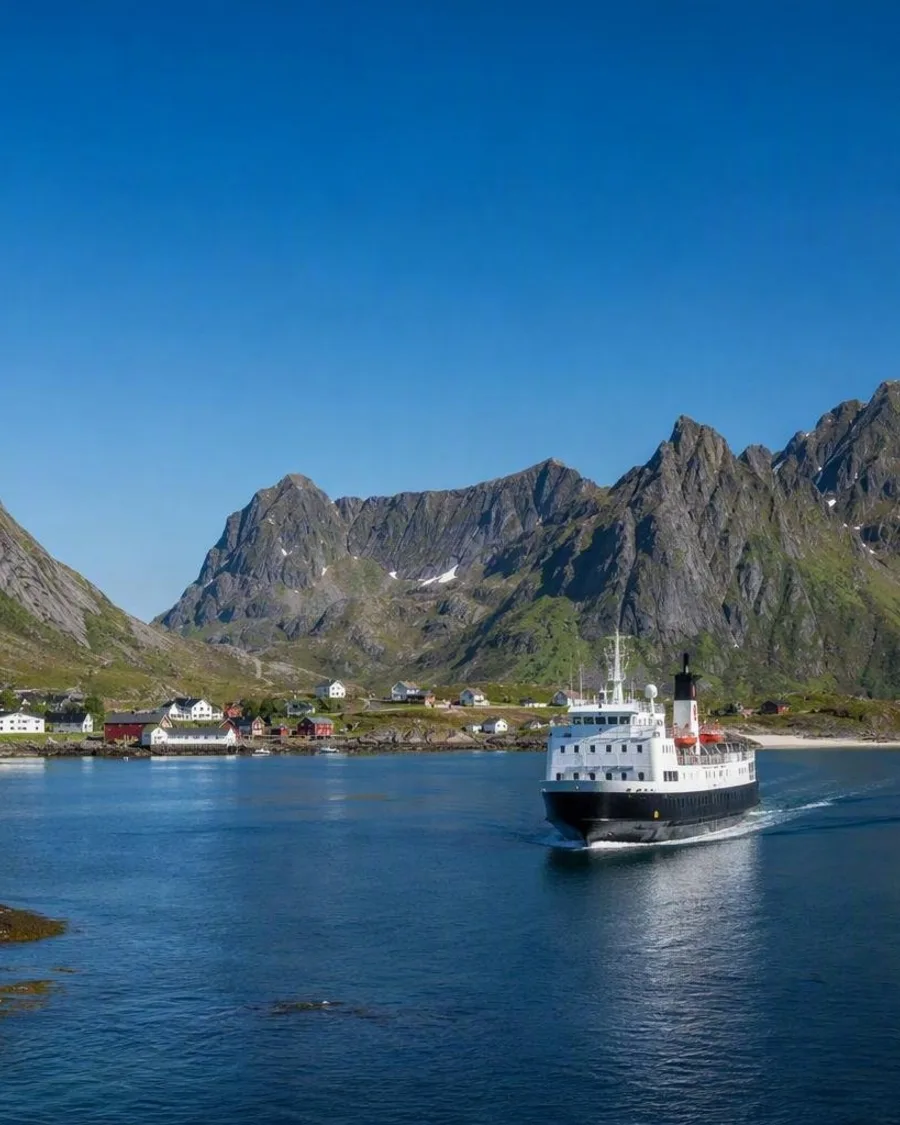
A ferry from Bodø reaches Lofoten beneath granite ridges that rise almost straight from the Norwegian Sea. Across these eight archipelagos, ferries, island flights, small launches and expedition ships make arrival part of the place.
Where Ecuador’s cacao changes form in Quito
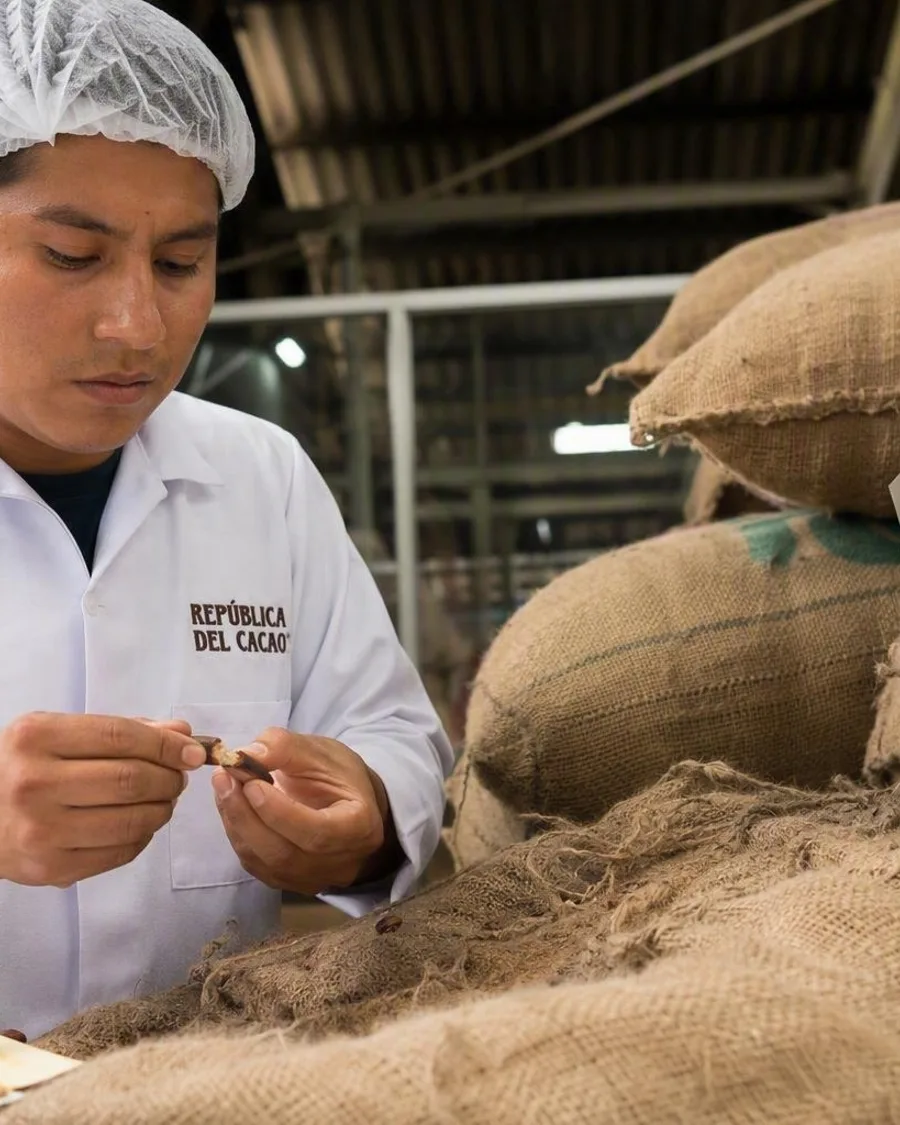
At República del Cacao’s Quito factory, cacao arrives stripped of its tropical disguise. Growers have already harvested the pods, fermented the wet beans and dried them; the city’s work begins with sacks of dry cacao.
Routes from our editors
Travel through Guayaquil
Editorial routes connecting Guayaquil with other countries, cities and hotspots.
No routes through Guayaquil have been published yet.
More in Ecuador
Related hotspots
Other cities, nature areas and places within Ecuador.
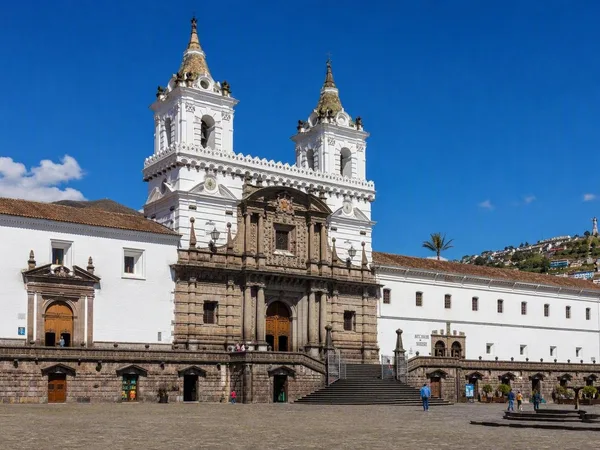
Quito
2 linked stories and routes
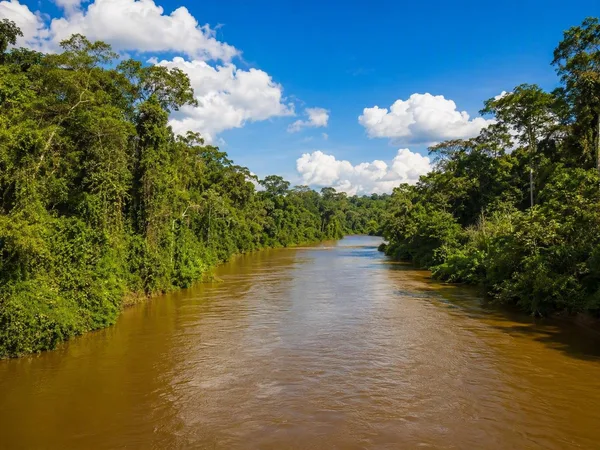
Amazon
1 linked stories and routes
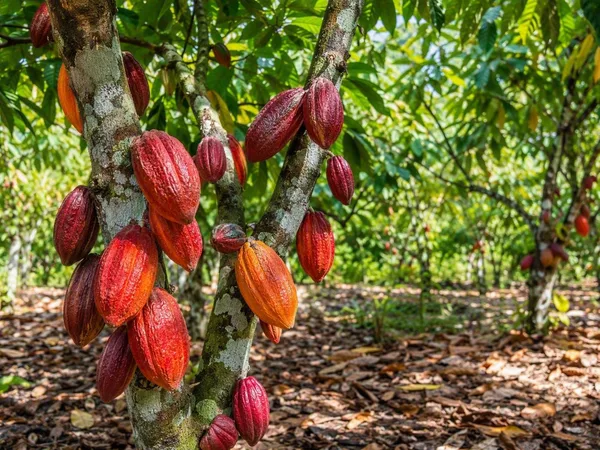
Los Ríos Province
1 linked stories and routes
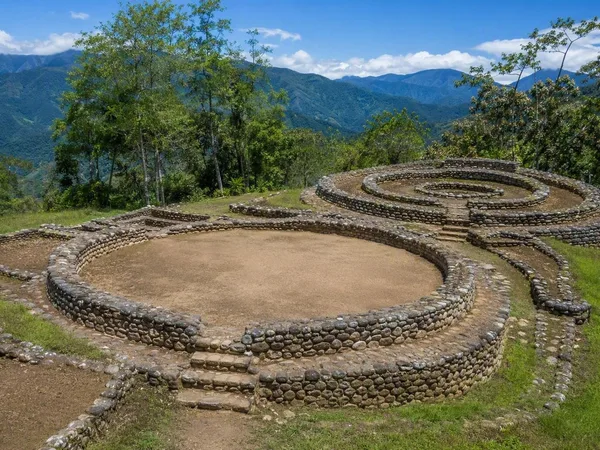
Zamora Chinchipe Province
1 linked stories and routes
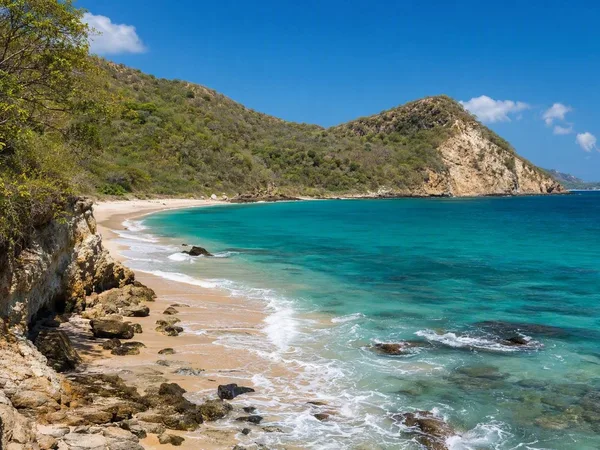
Manabí Province
1 linked stories and routes
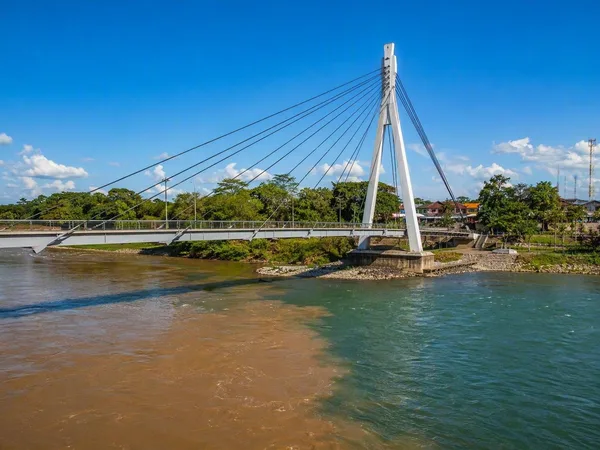
Tena, Napo
1 linked stories and routes
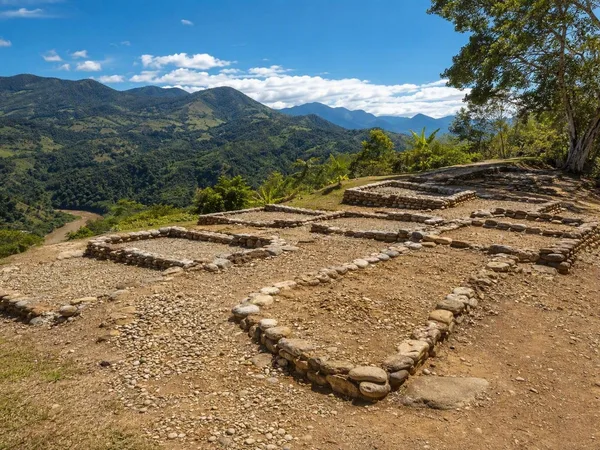
Santa Ana–La Florida Archaeological Site
1 linked stories and routes
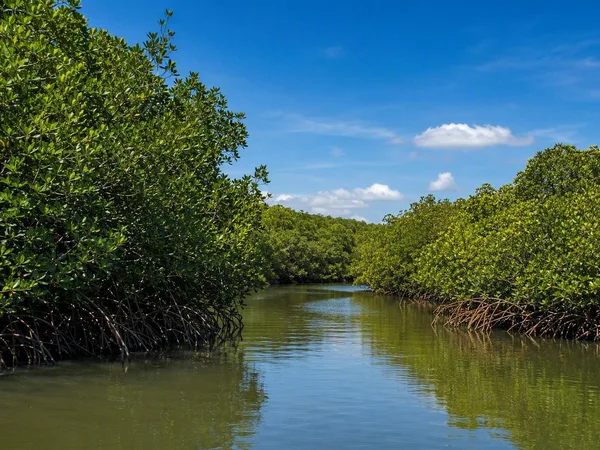
Guayas Province
1 linked stories and routes
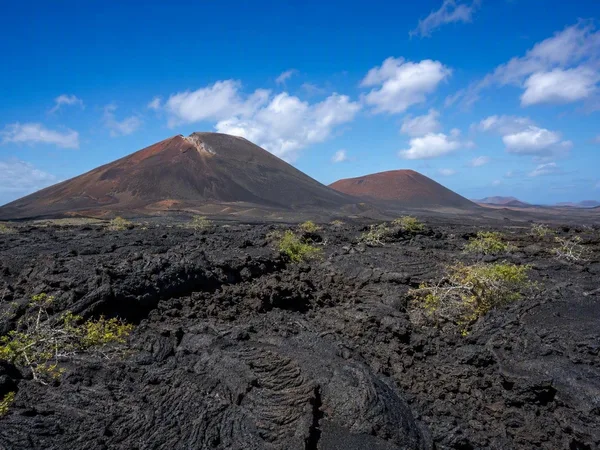
Galápagos Islands
1 linked stories and routes
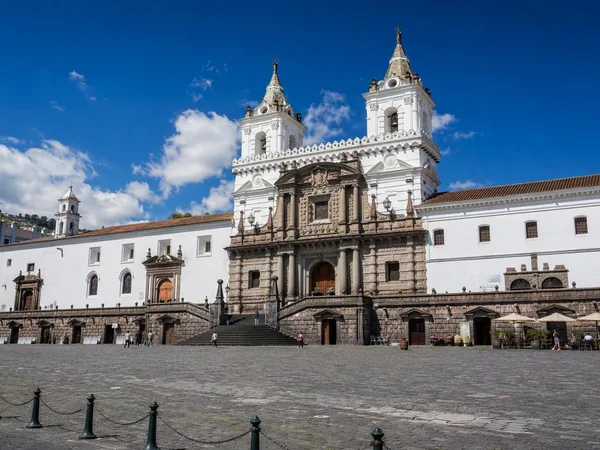
Plaza de San Francisco
0 linked stories and routes
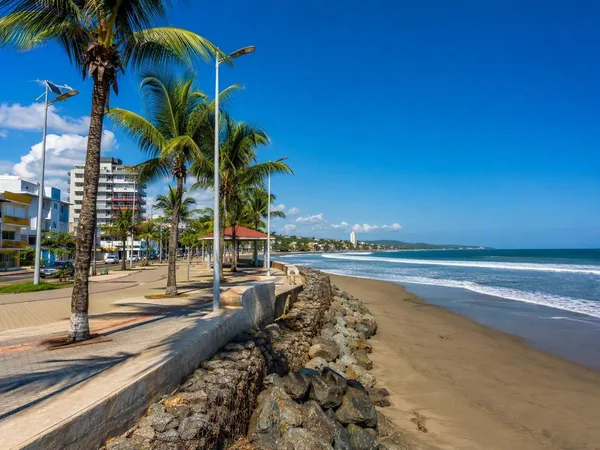
Esmeraldas Province
0 linked stories and routes
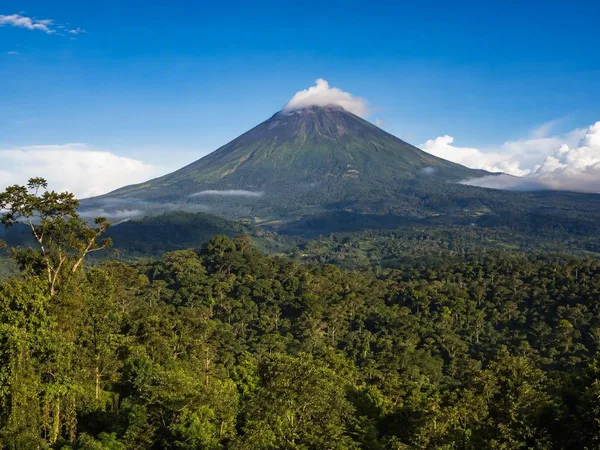
Napo Province
0 linked stories and routes
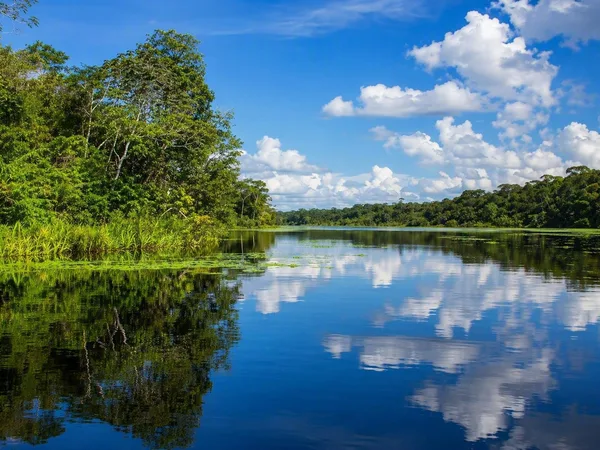
Sucumbíos Province
0 linked stories and routes
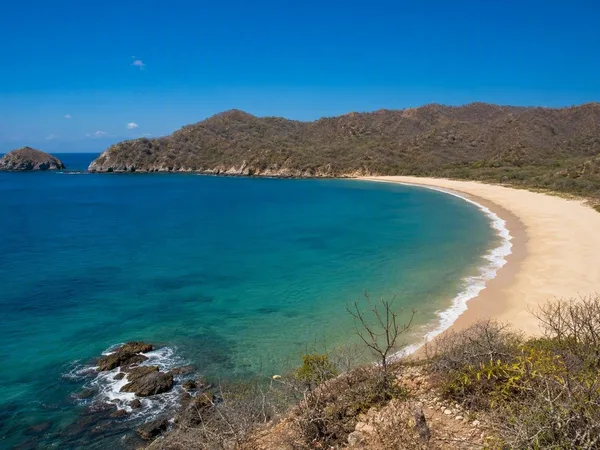
Playa de Los Frailes
0 linked stories and routes