
City · Ecuador
Jipijapa
Jipijapa is the cantonal seat in southern Manabí, Ecuador, inland from the Pacific coast. It is a historic coffee town and an early coastal reference point for the Ecuadorian toquilla-straw hat tradition.
Orientation
Jipijapa, formally San Lorenzo de Jipijapa, is a city in southern Manabí and the seat of Jipijapa Canton. The urban centre sits in a valley among low hills, rather than on the coast; the canton nevertheless extends west to the Pacific through Puerto Cayo.
The city has three urban parishes—San Lorenzo, Manuel Inocencio Parrales y Guale, and Dr. Miguel Morán Lucio—and is the practical administrative and commercial centre for the surrounding rural area.
Why Jipijapa matters
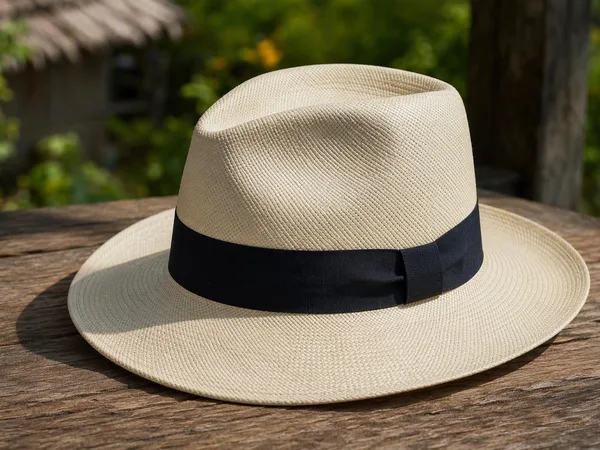
Jipijapa is one of the coastal roots of Ecuador’s paja toquilla hat tradition. Along with Montecristi, it was a leading hat-production centre in the eighteenth century. Its name became another term for the woven hat in some markets.
In the nineteenth century, weavers from Jipijapa and Montecristi travelled south to teach the craft in Azuay and Cañar. That transfer helped establish the southern Andean weaving economy later associated with Cuenca. The distinction is useful: Jipijapa represents an older coastal tradition and the movement of knowledge, not a lesser version of Montecristi or Cuenca.
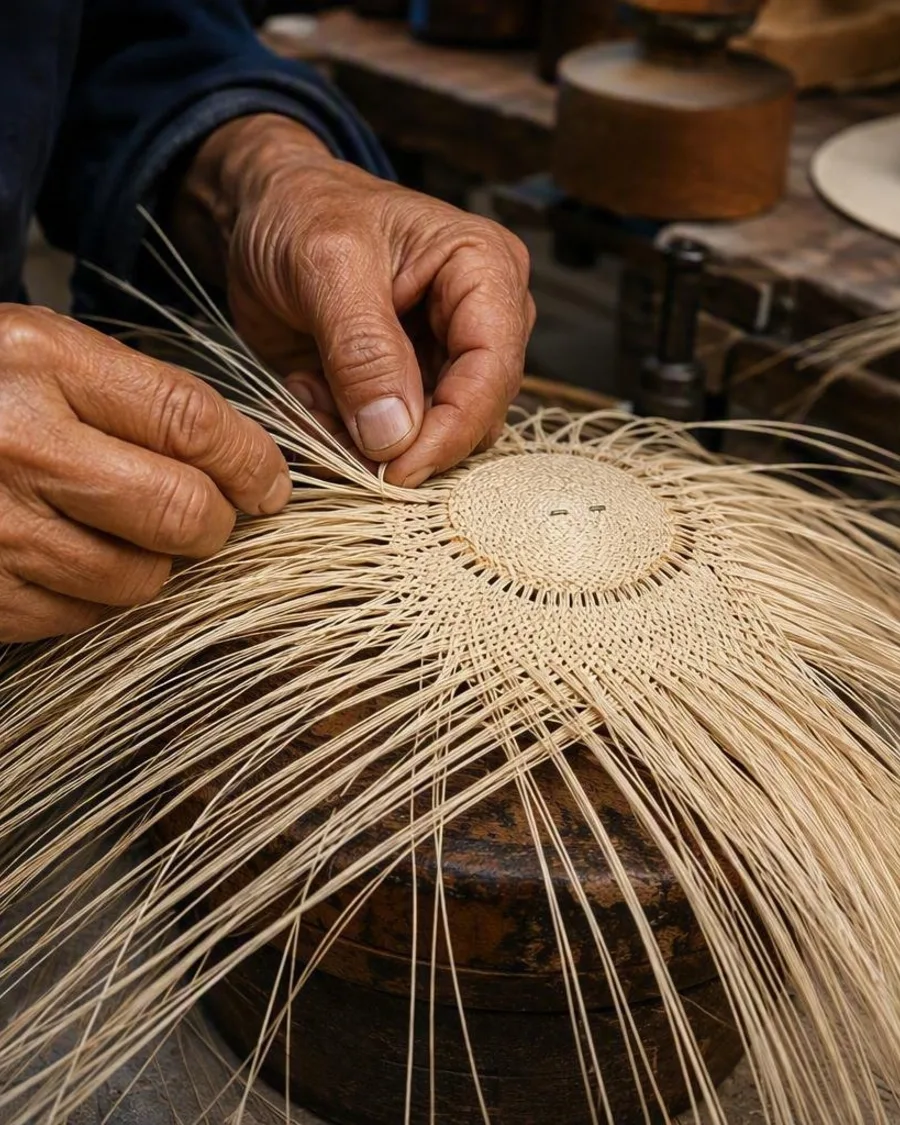
The broader craft includes growing and preparing the fibre, hand-weaving the crown and brim, then washing, bleaching, moulding, ironing and pressing. It remains a household-based skill in Ecuador and has been inscribed on UNESCO’s Representative List of Intangible Cultural Heritage since 2012.
In town
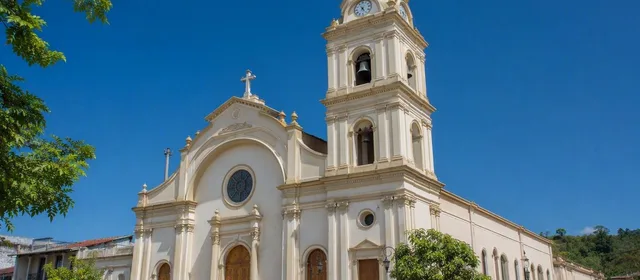
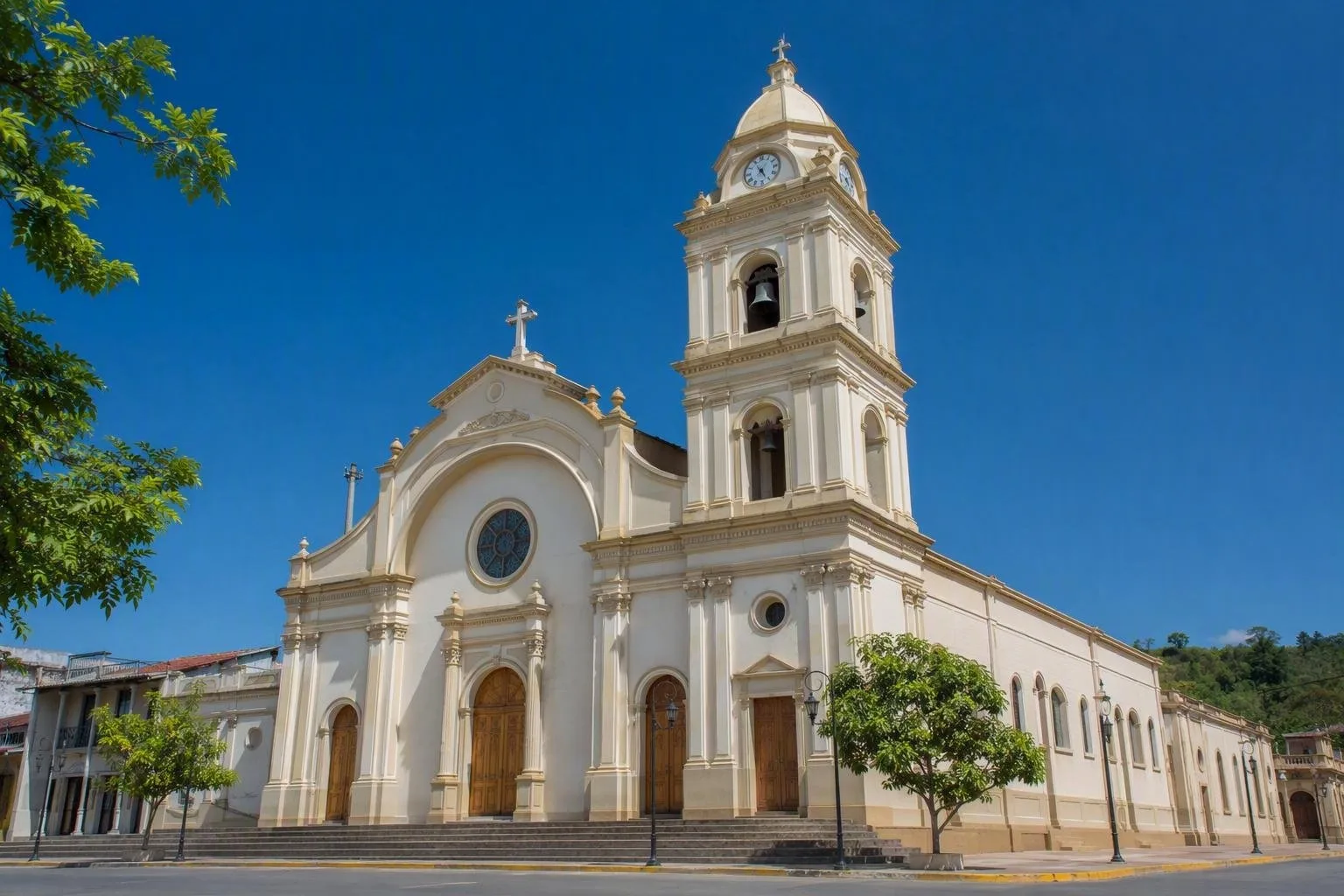
Start around the San Lorenzo Church, one of Jipijapa’s principal historic landmarks. The municipal cultural centre is another logical stop for local context.
At the northern approach, the Monument to Maize signals another defining strand of local life: corn-based food. Look for tortillas made with corn or cassava; Sancán is particularly associated with them. Other local dishes include greñoso, bollo and Jipijapa-style fish ceviche, prepared with peanut paste and avocado.
Coffee, coast and nearby places
Coffee displaced much of the town’s earlier hat economy from the mid-nineteenth century, and Jipijapa became strongly identified with coffee production and trade. The nickname “Sultana del Café” still frames its local identity.
Keep the city and the canton distinct when planning. Puerto Cayo’s beaches, and the historic water wells at Andil, Choconchá and Joá, are in the wider canton rather than central Jipijapa. They work as separate outings, not as walkable city sights.
Practical approach
Use Jipijapa as an inland stop for food, coffee-country context and the history behind the toquilla hat. The centre is compact enough to cover on foot once there. For canton attractions beyond town, arrange road transport and allow for the extra distance.
Do not assume that every straw hat offered in a shop was woven locally. Ask where it was made, who wove it and whether the price reflects the density of the weave and finishing work.
From the magazine
Stories about Jipijapa
Editorial stories linked directly to Jipijapa.
Routes from our editors
Travel through Jipijapa
Editorial routes connecting Jipijapa with other countries, cities and hotspots.
No routes through Jipijapa have been published yet.
More in Ecuador
Related hotspots
Other cities, nature areas and places within Ecuador.
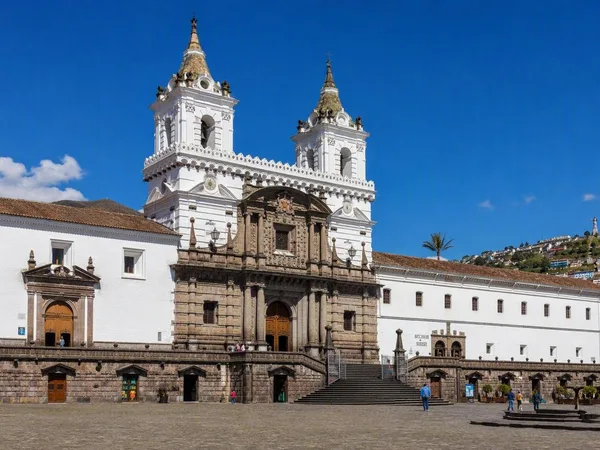
Quito
4 linked stories and routes
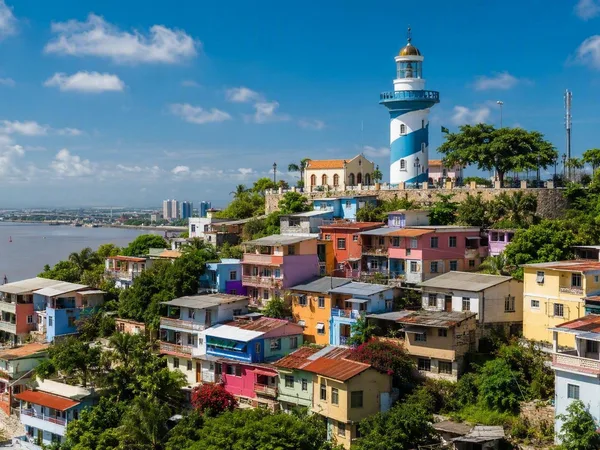
Guayaquil
2 linked stories and routes
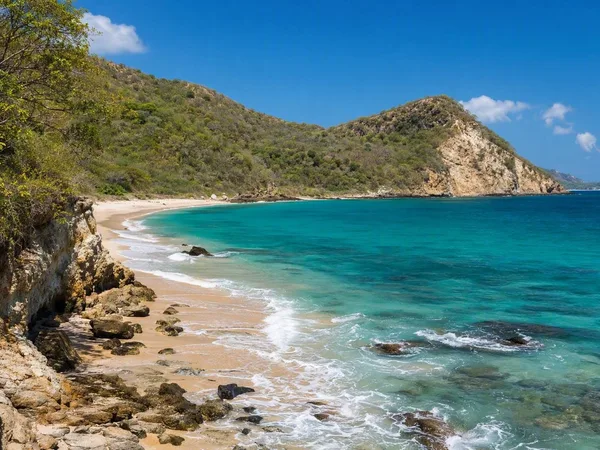
Manabí Province
2 linked stories and routes
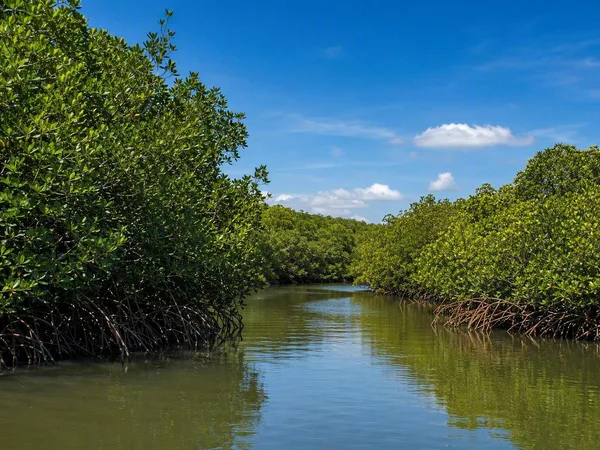
Guayas Province
2 linked stories and routes
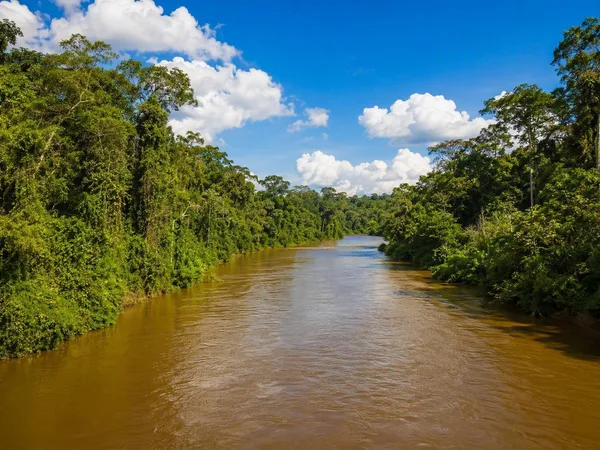
Amazon
1 linked stories and routes
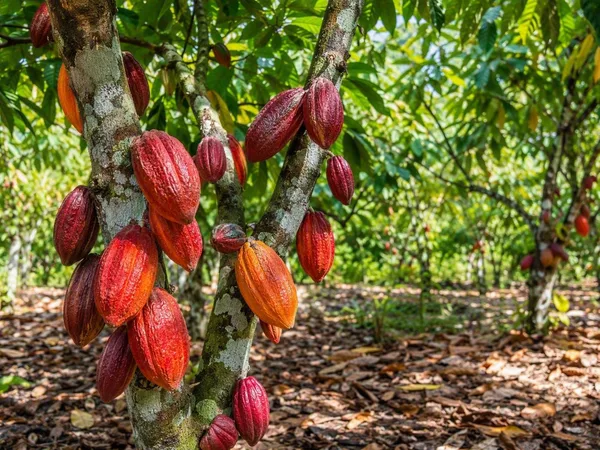
Los Ríos Province
1 linked stories and routes
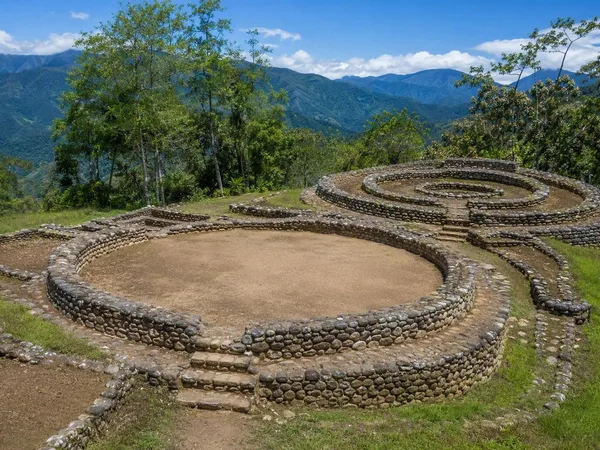
Zamora Chinchipe Province
1 linked stories and routes
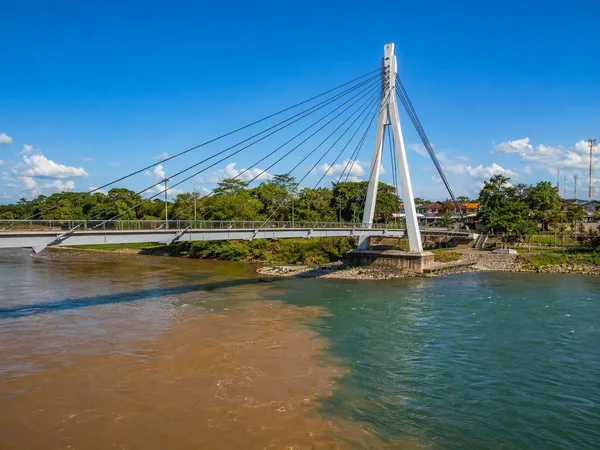
Tena, Napo
1 linked stories and routes
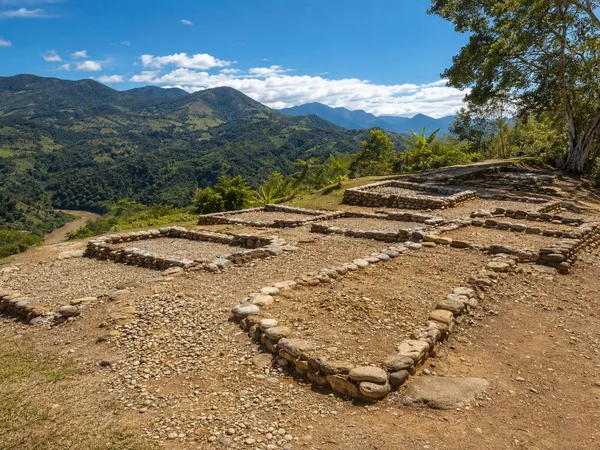
Santa Ana–La Florida Archaeological Site
1 linked stories and routes
Galápagos Islands
1 linked stories and routes
Cuenca
1 linked stories and routes
Montecristi, Manabí
1 linked stories and routes
Pile, Manabí
1 linked stories and routes
Azuay Province
1 linked stories and routes
Cañar Province
1 linked stories and routes
Sidcay
1 linked stories and routes
Mercado Central, Quito
1 linked stories and routes
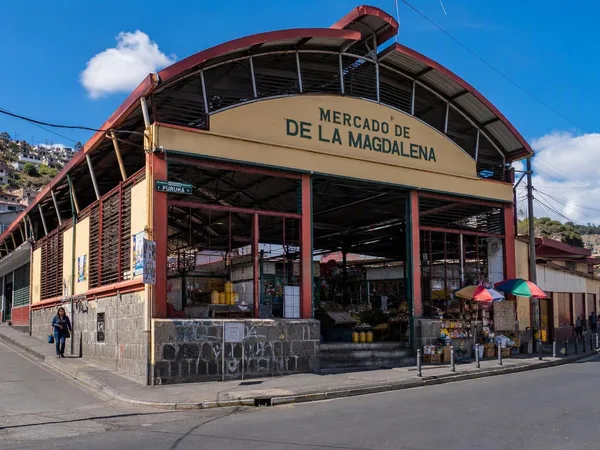
Mercado de La Magdalena
1 linked stories and routes
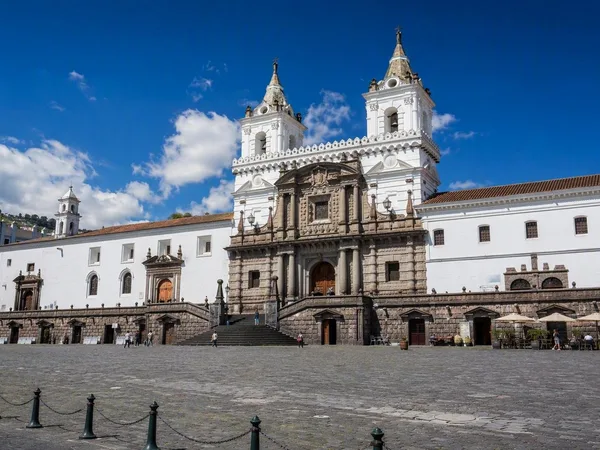
Plaza de San Francisco
0 linked stories and routes
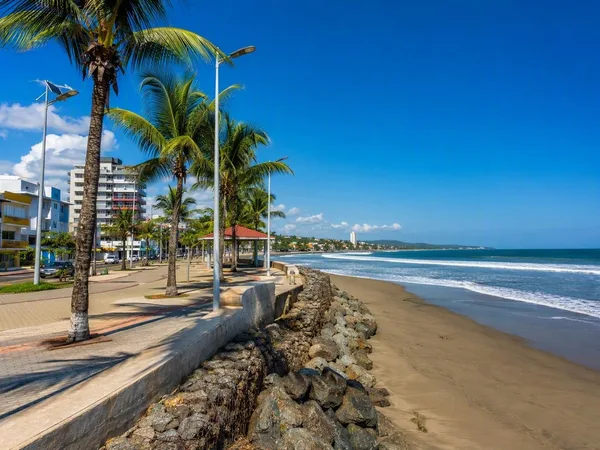
Esmeraldas Province
0 linked stories and routes
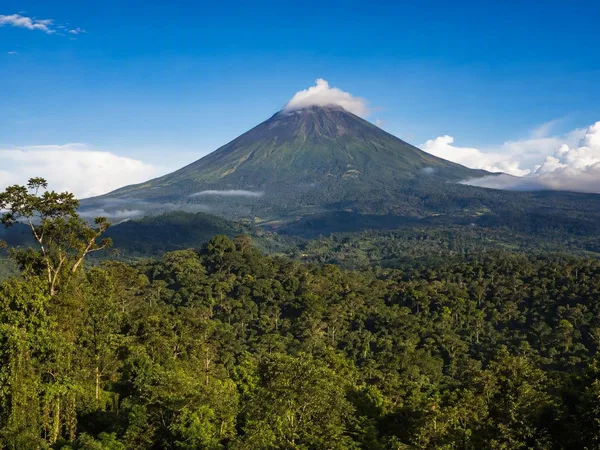
Napo Province
0 linked stories and routes
Sucumbíos Province
0 linked stories and routes
Playa de Los Frailes
0 linked stories and routes