Cuenca and the Ecuadorian Hat Called Panama
Cuenca turns pale coastal fibre into shaped, finished hats for shops and export, but its workshops tell only part of an Ecuadorian craft rooted in Manabí. The name “Panama hat” records where overseas buyers encountered the hat, not where Ecuadorian makers produced it.
At Homero Ortega’s museum and factory on Avenida Gil Ramírez Dávalos, pale toquilla fibre, wooden blocks, presses and finished hats share the production floor and showroom. The objects make Cuenca’s role clear: this Andean city has long linked rural weaving with design, finishing, sales and export.
Cuenca matters enormously. It is not where the material begins, and it cannot stand in for every Ecuadorian weaving tradition.
Cuenca shapes a coastal fibre
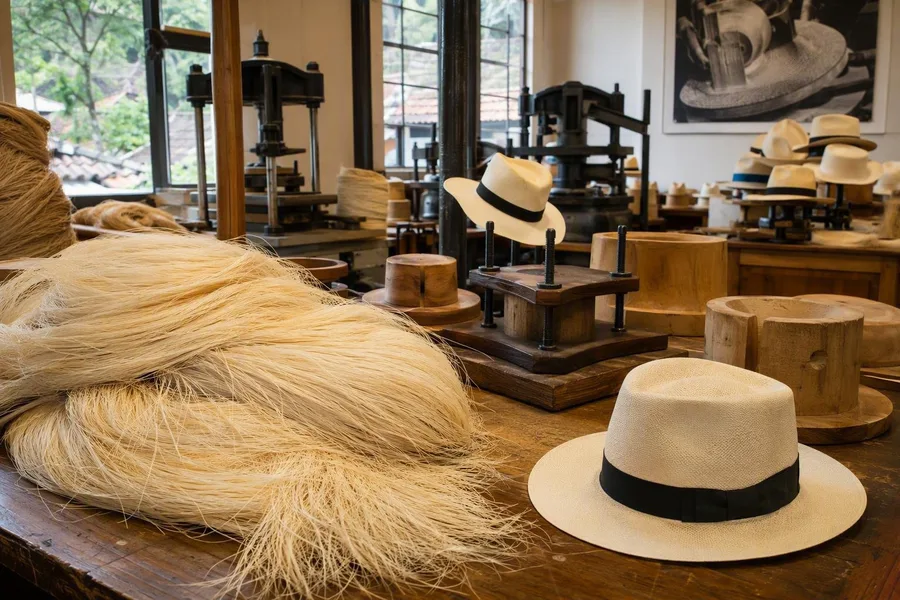 Pale toquilla fibre, wooden blocks and finished hats share Homero Ortega’s production floor in Cuenca.
Toquilla comes from the young, still-rolled leaves, or cogollos, of Carludovica palmata, a short-stemmed plant with fan-shaped leaves that people commonly call a palm. Growers cultivate it on Ecuador’s coast, especially in Manabí and Guayas, rather than in the Andean landscape around Cuenca.
Workers remove the green outer layer from harvested leaves and boil the useful fibre to remove chlorophyll. They dry it, then bleach it with sulphur smoke over a wood fire. Those steps account for the cream-white, pale straw colour of an undyed hat.
The dried strands are soft, flexible and durable. Makers split them into finer threads before the weave begins; a single leaf can yield 50 to 80 fibres. A fine hat owes its even surface first to this preparation, not merely to the crease pressed into its crown at the end.
The craft moved inland in the nineteenth century. Hat weaving reached the southern Andes from 1835, and in 1845 weavers from Jipijapa and Montecristi were brought south to teach the craft in Azuay and Cañar. By the late nineteenth and early twentieth centuries, export houses had settled in Cuenca while rural and urban makers worked across Azuay and Cañar.
That division still matters. Businesses in Cuenca produce, design, finish, sell and export handmade hats, while weaving continues beyond the centre and in rural households around the city. In Sidcay, makers weave at home alongside farming, animal care and household work; some sell their own hats at Cuenca’s Rotary market.
Cuenca is therefore a useful base for following a hat from woven body to finished object. The city gathers makers, finishers, merchants and buyers, but the craft runs beyond its streets.
A hat grows outward from the centre
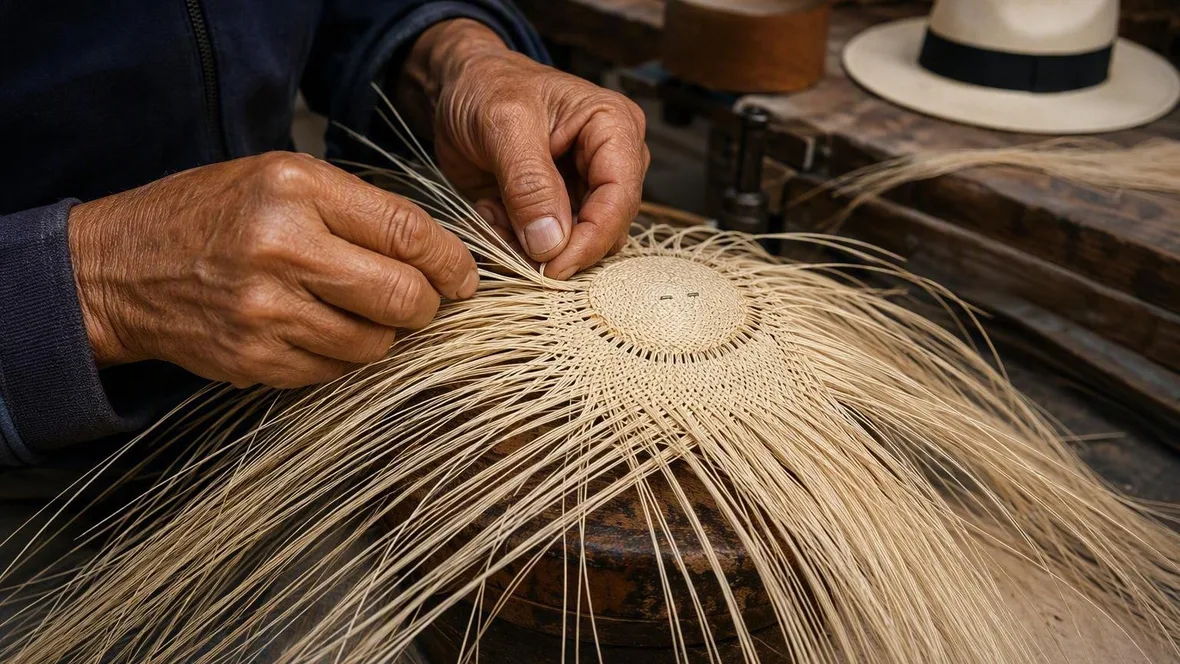
A toquilla hat does not start with a fedora crease or a sharply turned brim. A weaver works by hand from a small circular centre, building a single woven body rather than stitching separate pieces together.
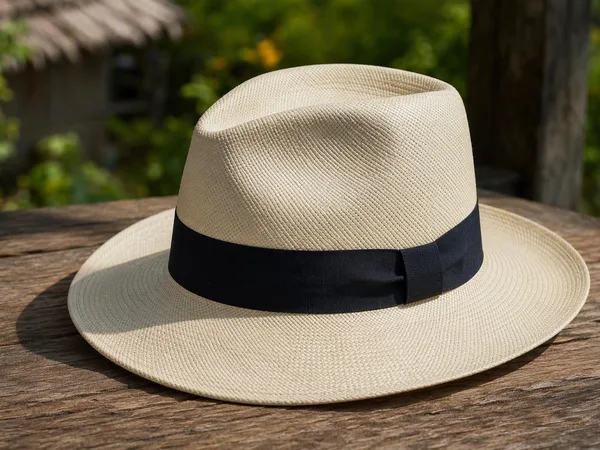
Three sections take shape. The flat centre at the top is the plantilla; the upright crown is the copa; the brim is the falda or ala. A wooden form supports the crown while the strands descend, then turn outward to make the brim.
The split fibre determines what the eye sees. Thin, evenly prepared strands can form a dense, regular weave, while broader strands leave a coarser pattern and wider gaps. Fineness shows in the consistency of the weave across crown and brim, not in a ribbon or fashionable dent.
At the outer edge, the weaver turns back, secures and tightens loose ends so the brim will not unravel. Finishers cut away stray fibres, wash the hat and may bleach it again. They then tap it with a wooden mallet, iron it and press it over a form before adding a sweatband and decorative ribbon.
That work explains the particular value of Cuenca’s workshops. They show how a supple, hand-woven form becomes the clean-lined hat displayed in a shop. The time lies largely in the density and regularity of the weave: depending on fineness and quality, a hat can require from one day to eight months of weaving.
Panama sold the name, not the hat
The phrase “Panama hat” grew out of trade, not production. In the nineteenth century, Ecuadorian hats travelled north to the Isthmus of Panama, which served as a transfer point and marketplace. Travellers crossing the isthmus, including gold prospectors heading for California, bought them there and carried the association into the United States.
Buyers remembered Panama, the place of purchase. Ecuador vanished from the label.
The error gained a larger audience in 1855, when hats appeared at the Paris world fair as “Panama Hats” without Ecuador named as their place of origin. Workers and engineers wore them during construction of the Panama Canal. A widely circulated 1906 photograph of Theodore Roosevelt in a Montecristi hat during his canal visit fixed the association even more firmly.
Panama did not supply the plant or create the weaving tradition. Ecuador supplies the toquilla fibre and holds the knowledge behind the traditional weaving of the Ecuadorian toquilla straw hat. Cuenca’s export houses played a major part in sending hats abroad, which makes the city central to the international story without making it the craft’s sole origin.
The older coastal centres of Manabí
Jipijapa and Montecristi, on the Manabí coast, were leading hat-production centres in the eighteenth century, before the craft expanded into the southern Andes. The name jipijapa itself became another word for the hat in some markets.
Jipijapa remains more than a historical footnote. It represents a coastal root of the craft, the transfer of knowledge southward and continuing household production. Montecristi shares that coastal history but became particularly associated with very fine weaving and high-quality finishing.
Nearby Pile has a reputation for exceptionally fine hats. Its weavers work with precise stitch counts in each row, and the local climate forms part of the conditions for this exacting work. A Pile hat can appear almost like a continuous surface rather than a broad pattern of straw.
These places do not form a ladder from lesser to greater hats. Jipijapa marks origin and teaching; Montecristi names a coastal tradition known for fineness; Cuenca represents an Andean centre of weaving, finishing and export. The same chain connects coastal cultivation and fibre preparation with household weaving and urban finishing.
Seeing the work in Cuenca
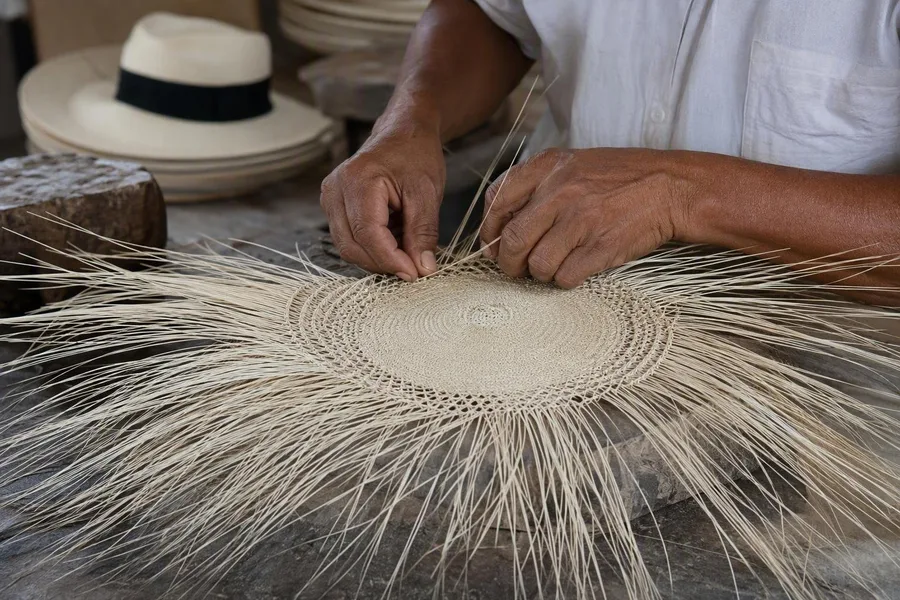 Hands weave pale toquilla strands into an unshaped hat in a Cuenca workroom.
For a compact introduction, Museo La Magia del Sombrero at Avenida Gil Ramírez Dávalos 3-86 combines museum rooms, production space and a showroom; its tours are free and available in Spanish and English. At Museo del Sombrero de Paja Toquilla, Calle Larga 10-41, visitors can see tools, weaving, steam pressing, shaping and the fitting of bands and leather inner rims beside the sales area. The municipal Museo de la Paja Toquilla y el Sombrero at Rafael María Arízaga 7-95 has two sales points run by weavers themselves. Check current hours before going.
In a workroom, the hat still begins as a small pale plantilla held between working hands. The strands pass outward through the unfinished copa, one crossing another, while the unpressed brim remains soft at the edge.
Keep exploring
Places in this story
Ecuador
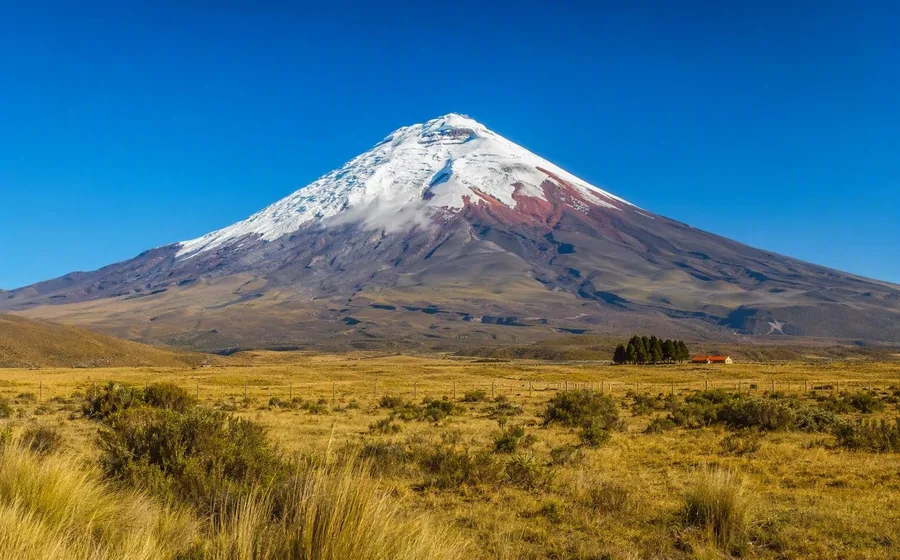
Ecuador brings the Andes, Amazon, Pacific coast and Galápagos into one compact country.

Panama
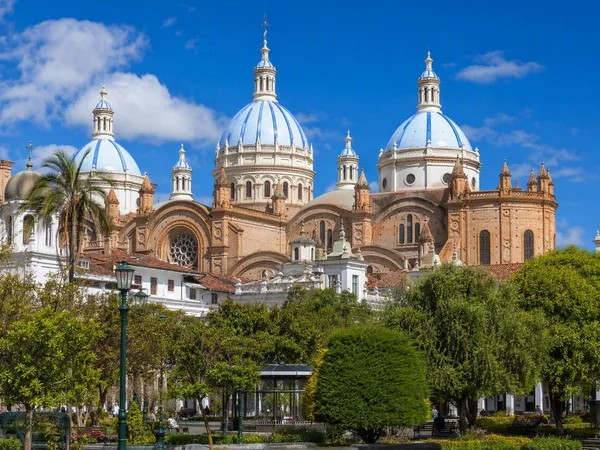
Cuenca
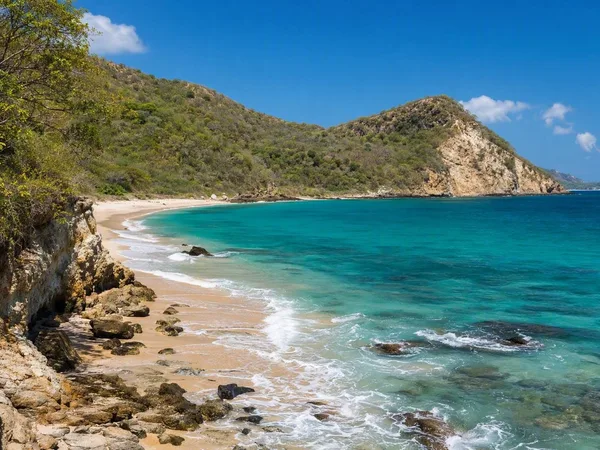
Manabí Province

Guayas Province
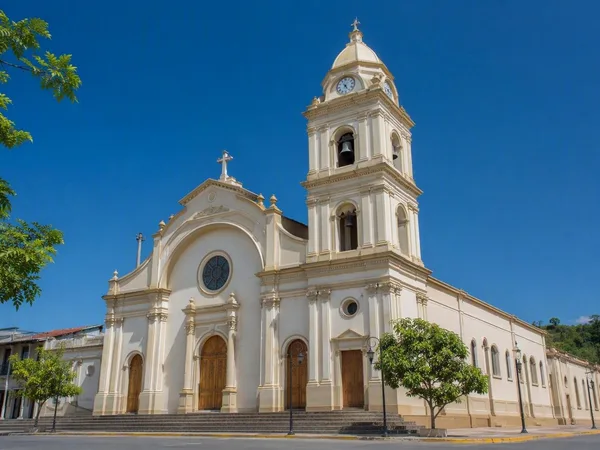
Jipijapa
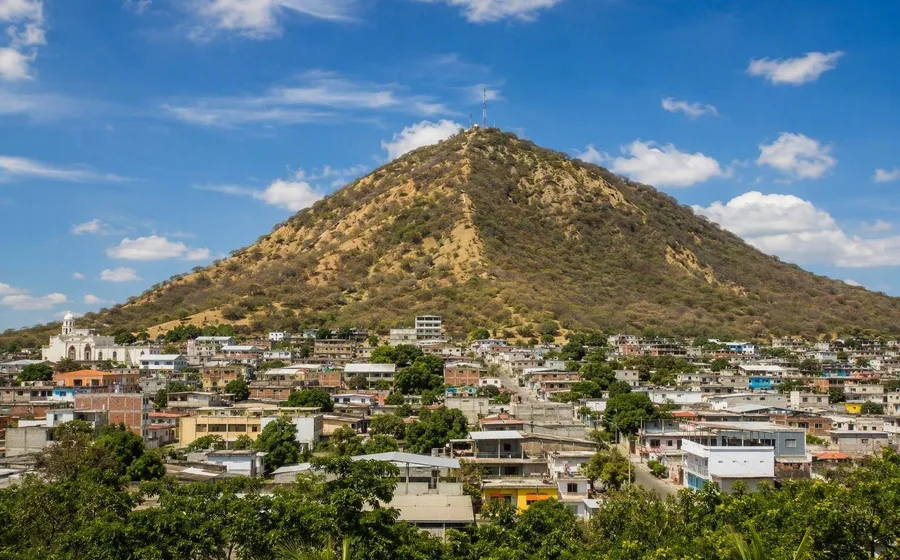
Montecristi, Manabí
Montecristi is a craft and historic city at the foot of Cerro Montecristi in Ecuador’s Manabí Province. It is closely associated with exceptionally fine handwoven toquilla-straw hats, widely but inaccurately called Panama hats.
Azuay Province
Cañar Province
Sidcay
Pile, Manabí