
City · France
Paris
Paris is France’s capital on the Seine, built for close-range exploration by metro and on foot. Its great monuments, museums, historic quarters and serious food culture sit within a compact, intensely layered city.
Get your bearings
The Seine cuts through Paris from east to west. Start with the historic centre: Notre-Dame on the Île de la Cité, the Louvre and the riverbanks. North of the river, the Marais, Opéra and Montmartre each have a distinct street pattern and pace; south of it, the Latin Quarter, Luxembourg and Saint-Germain-des-Prés are easy to link on foot.
Paris is divided into 20 numbered arrondissements, spiralling clockwise from the Louvre. Use the arrondissement number in an address to place it quickly.
Build days around a district
Trying to cross the city repeatedly wastes time. Combine places that share the same part of town:
- Historic centre: Notre-Dame, the Marais, the Louvre and the Seine quays.
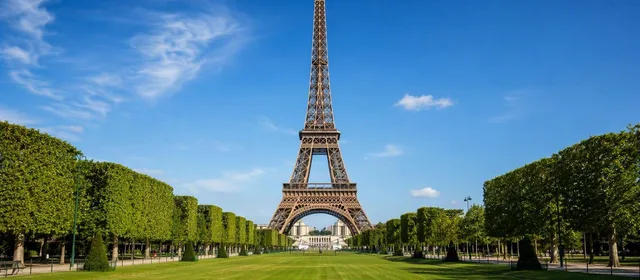
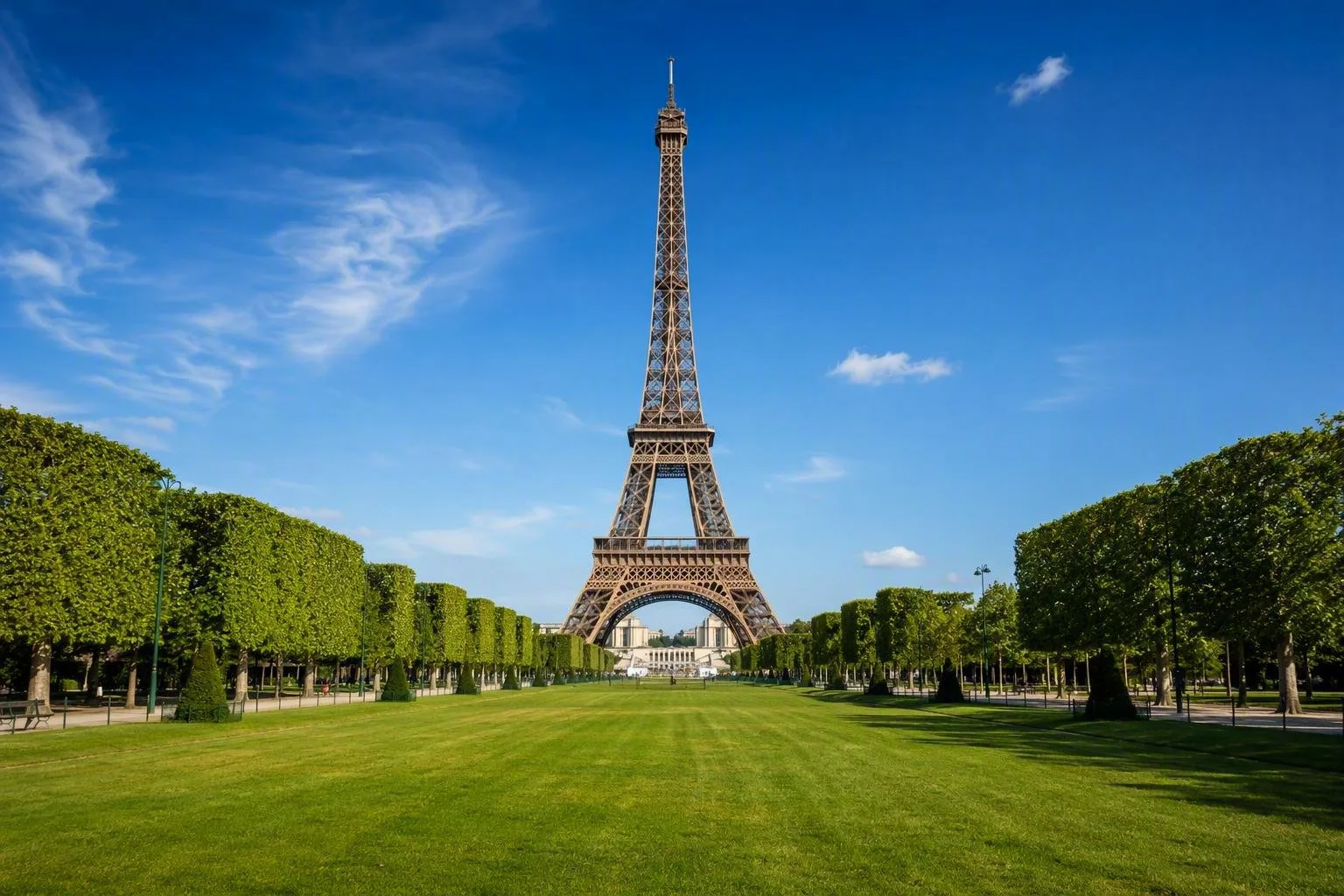
- West: the Eiffel Tower, Champ-de-Mars, Invalides and the Champs-Élysées.
- Left Bank: the Latin Quarter, Panthéon, Luxembourg Garden and Saint-Germain-des-Prés.
- North: Montmartre’s hilltop streets and the Sacré-Cœur panorama.
The Louvre was a royal palace before becoming a museum; give it a defined selection rather than attempting the whole collection. For a broad city view, Montmartre and the Eiffel Tower provide very different perspectives.
Bread, markets and everyday Paris
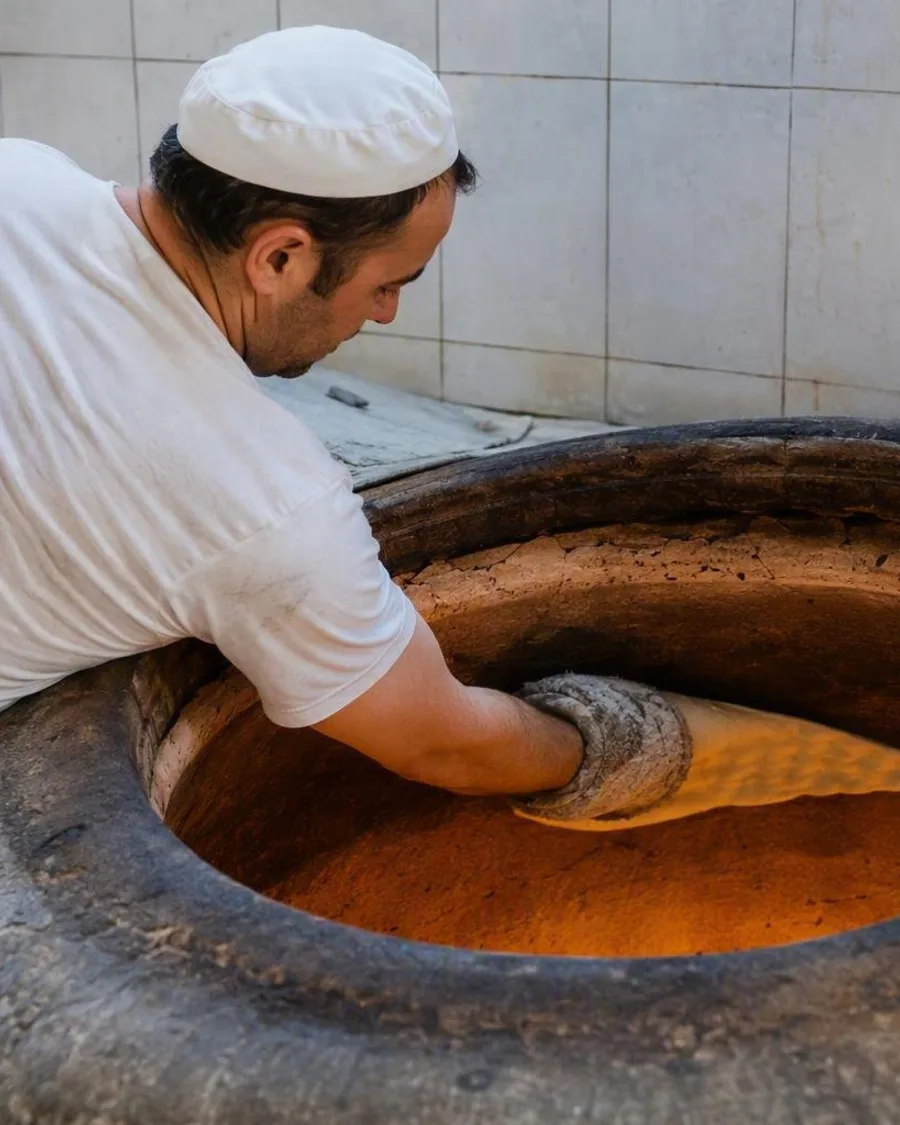
A good boulangerie is part of the daily rhythm, not a souvenir stop. At Poilâne, 8 rue du Cherche-Midi in Saint-Germain-des-Prés, the original shop has operated since 1932. Its defining loaf is the large round sourdough miche: hand-shaped, baked on a stone hearth in a wood-fired oven, with a thick crust and dense crumb. Buy a portion if a whole loaf is impractical.
For meals, eat by neighbourhood rather than chasing one famous address across town. Morning is the easiest time for bakeries; lunch service commonly runs to a fixed window, while dinner starts later than in much of northern Europe.
Move efficiently
Walk the central districts; the distances between the Louvre, Notre-Dame, the Marais and Saint-Germain are manageable when grouped well. Use the Métro for cross-city jumps and the RER for longer regional connections. Buses are useful when you want to see the route, but are slower in traffic.
A Metro-Train-RER ticket covers rail travel across Île-de-France, within two hours and without leaving the network. Validate every journey. From Charles de Gaulle or Orly, the Paris Region Airports ticket covers rail travel to any destination in Île-de-France.
Practical timing
Major museums and monuments have individual opening days and timed-entry systems; plan their fixed slots first, then fit walks and neighbourhood meals around them. Early morning gives the clearest run at headline sights. Keep one flexible block for a Seine walk, a garden or a district discovered between stops.
Driving is rarely useful for visitors: central Paris has a restricted traffic zone and parking is limited. Use public transport, walking and bicycles instead.
From the magazine
Stories about Paris
Editorial stories linked directly to Paris.
Routes from our editors
Travel through Paris
Editorial routes connecting Paris with other countries, cities and hotspots.
No routes through Paris have been published yet.
More in France
Related hotspots
Other cities, nature areas and places within France.
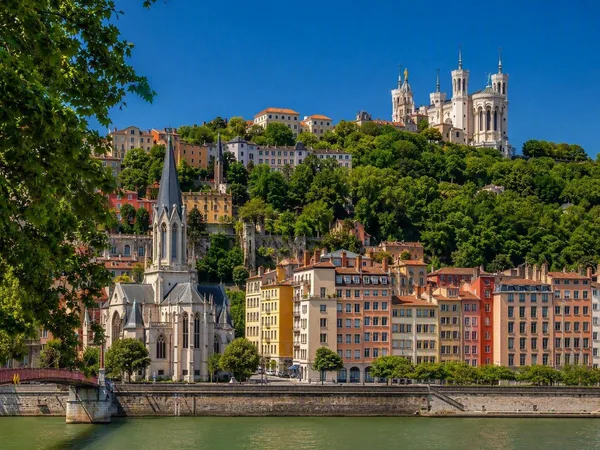
Lyon
1 linked stories and routes
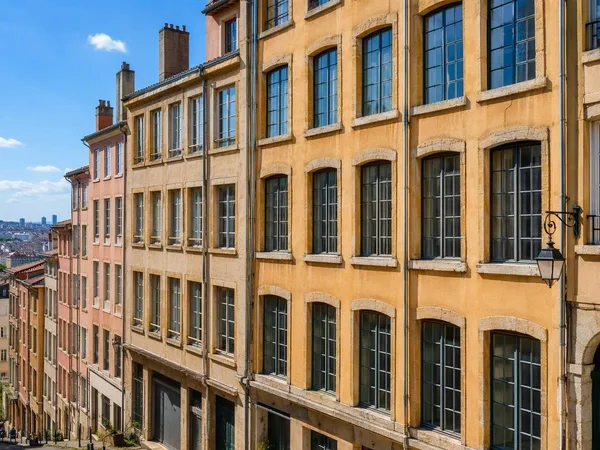
Croix-Rousse
1 linked stories and routes
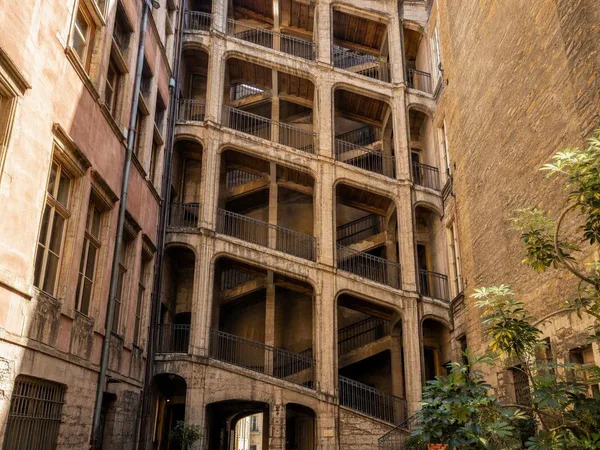
Cour des Voraces
1 linked stories and routes

Martinique
1 linked stories and routes

Guadeloupe
1 linked stories and routes
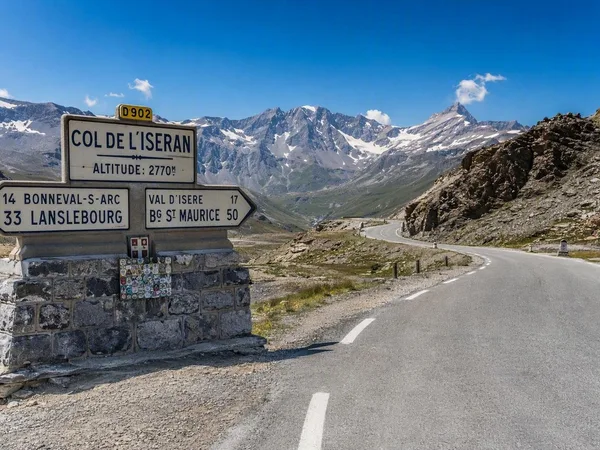
Route des Grandes Alpes
1 linked stories and routes

Île de Bréhat
1 linked stories and routes
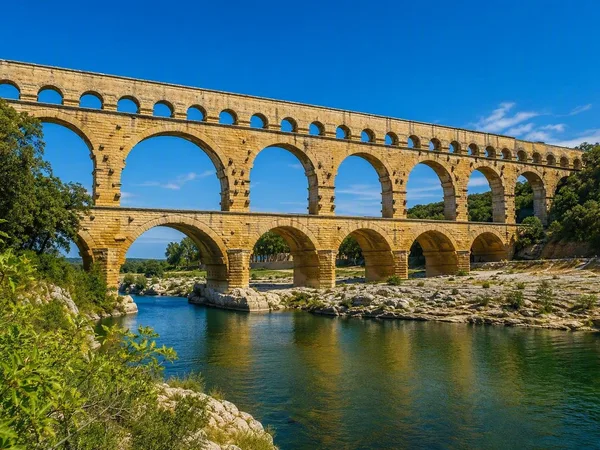
Pont du Gard
1 linked stories and routes
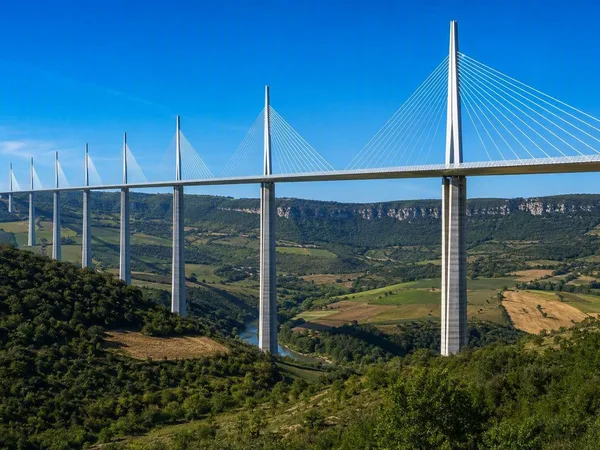
Viaduc de Millau
1 linked stories and routes
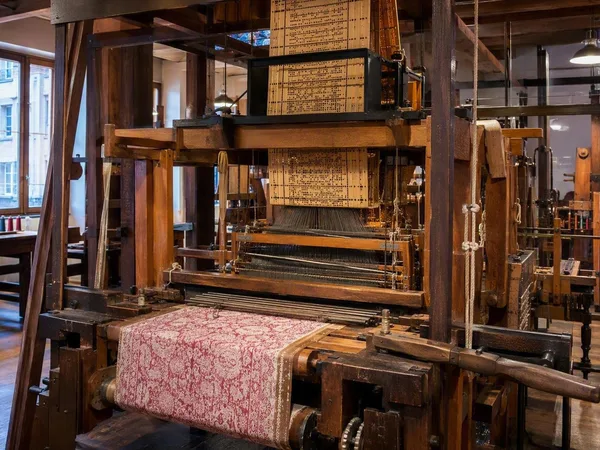
Maison des Canuts
0 linked stories and routes