
Region · France
Guadeloupe
Guadeloupe is a French Caribbean archipelago in the Lesser Antilles, centred on the paired islands of Basse-Terre and Grande-Terre. Its range runs from rainforest and an active volcano to limestone coast, beaches and offshore islands.
Read the archipelago correctly
Guadeloupe is both a French overseas region and department, but for travellers it works as an archipelago rather than a single island. Basse-Terre and Grande-Terre form the central butterfly shape, divided by the Rivière Salée and linked by bridges. Marie-Galante, La Désirade and Les Saintes add distinct island days or longer stays.
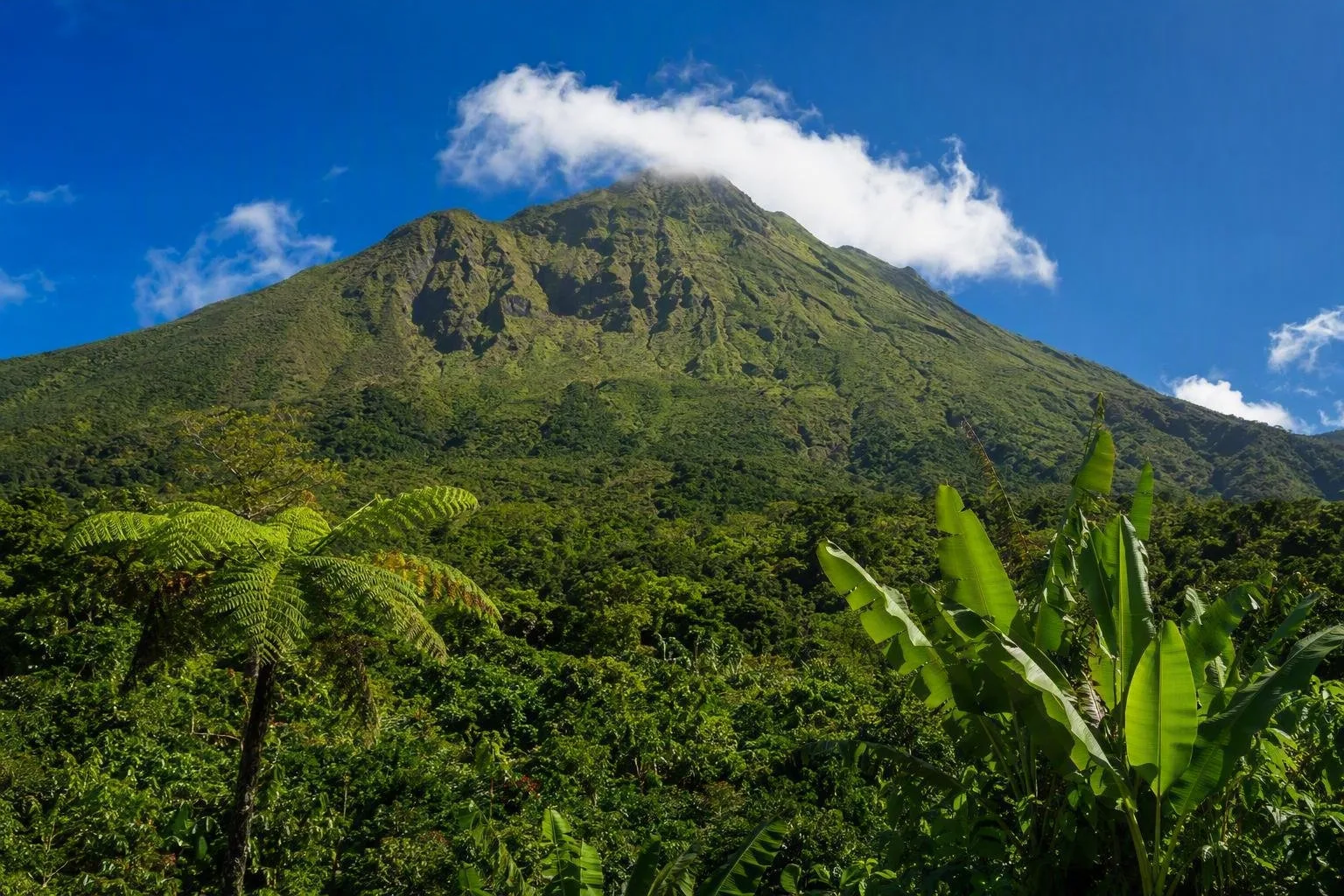
Basse-Terre is mountainous, volcanic and wet; Grande-Terre is lower, limestone-based and generally drier in feel. Choose a base for your priorities, then allow time to cross to the other side rather than treating it as an afterthought.
Basse-Terre: forest, water and volcano
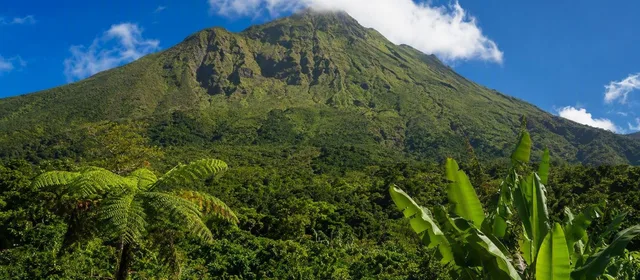
La Soufrière, at 1,467 metres, is the highest point in the Lesser Antilles. Its active volcanic dome has fumaroles, sulphurous vapour and hot springs; the upper slopes are notably cooler, wet and often foggy.
For the standard summit approach, start at Bains Jaunes near Saint-Claude. The marked return walk is 6 km, takes about 4½ hours and gains roughly 510 metres. It becomes rocky and steep above Savane à Mulets. Wear proper walking shoes and carry rain protection.
Do not cross summit safety barriers: sulphurous gases are toxic. Access conditions can be regulated, and fog makes route-finding harder. The warm pool at Bains Jaunes is unsupervised; observe local water-quality notices.
The Carbet Falls make a strong lower-elevation alternative. The second fall is 110 metres high and reached in about 45 minutes return from its car park. The third-fall approach is closed at its final section because of rockfall.
Grande-Terre and the marine side
Grande-Terre supplies the contrasting coast: lower terrain, limestone landscapes, cane-growing country and beach towns. The Grand Cul-de-Sac Marin, between the two main islands, combines lagoon, mangroves, seagrass, small islets and coral reef. Keep this part of the trip water-focused rather than trying to combine it with a Basse-Terre mountain walk in one day.
For a wider island picture, add a sea crossing to Les Saintes, Marie-Galante or La Désirade. They are not interchangeable extensions of the main islands: each has its own settlement pattern, coastline and pace.
Timing and practical rhythm
The drier Lent season runs from January to June; the wetter season runs from July to December. Rain is part of Basse-Terre’s appeal, but it can quickly change trail and river conditions. Put exposed hikes early in the day and retain a flexible alternative.
A rental car gives the most practical reach across the main islands, particularly for trailheads and scattered coastal sites. On Basse-Terre, expect narrow, steep forest roads around the volcano. Use bridges and main roads to move between the two central islands, but plan one landscape zone per day.
From the magazine
Stories about Guadeloupe
Editorial stories linked directly to Guadeloupe.
Routes from our editors
Travel through Guadeloupe
Editorial routes connecting Guadeloupe with other countries, cities and hotspots.
No routes through Guadeloupe have been published yet.
More in France
Related hotspots
Other cities, nature areas and places within France.
Lyon
1 linked stories and routes
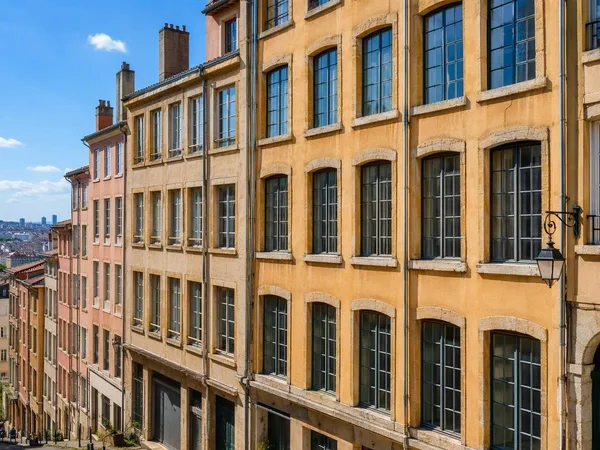
Croix-Rousse
1 linked stories and routes
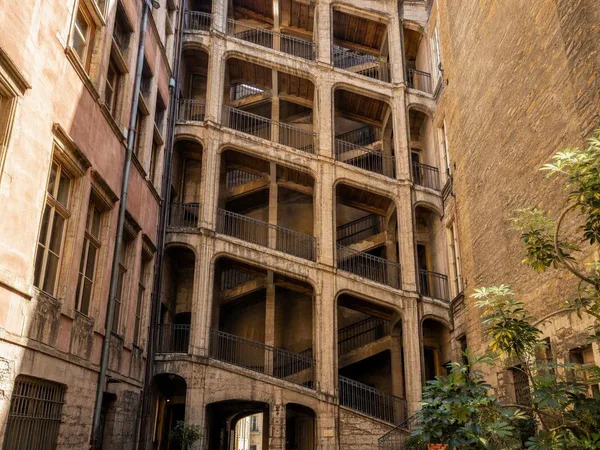
Cour des Voraces
1 linked stories and routes
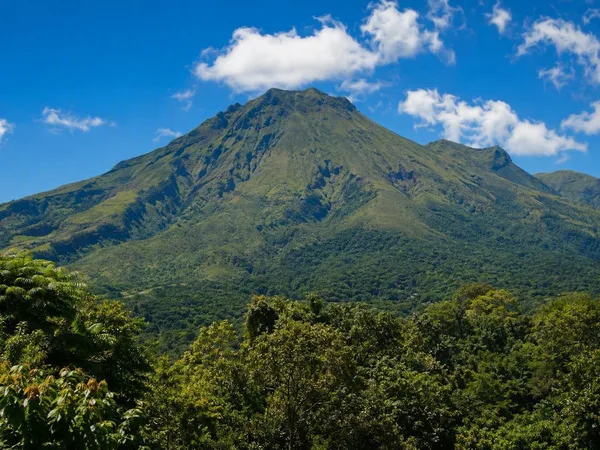
Martinique
1 linked stories and routes
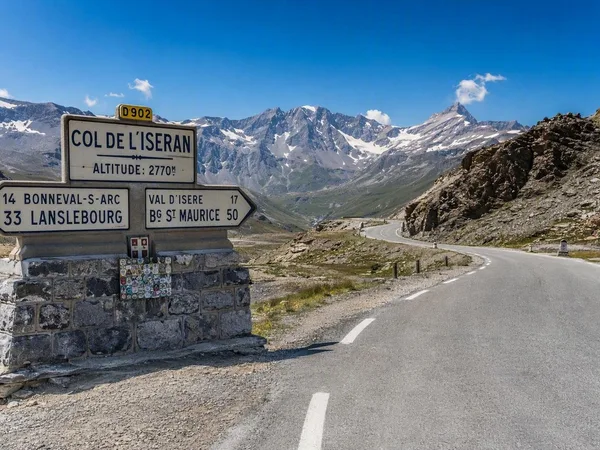
Route des Grandes Alpes
1 linked stories and routes
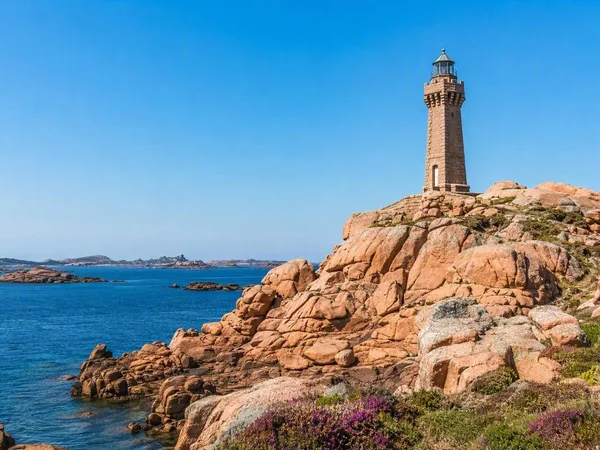
Île de Bréhat
1 linked stories and routes
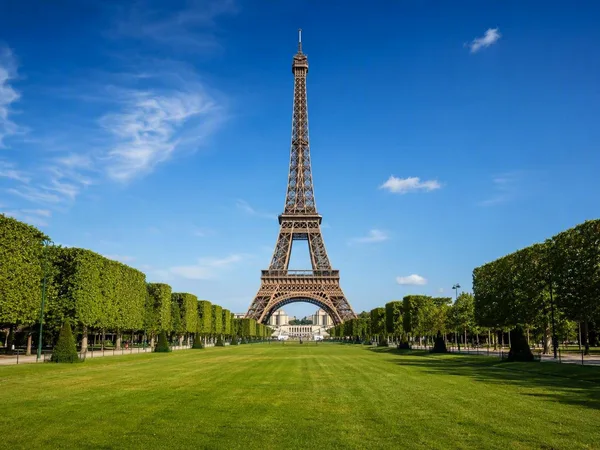
Paris
1 linked stories and routes
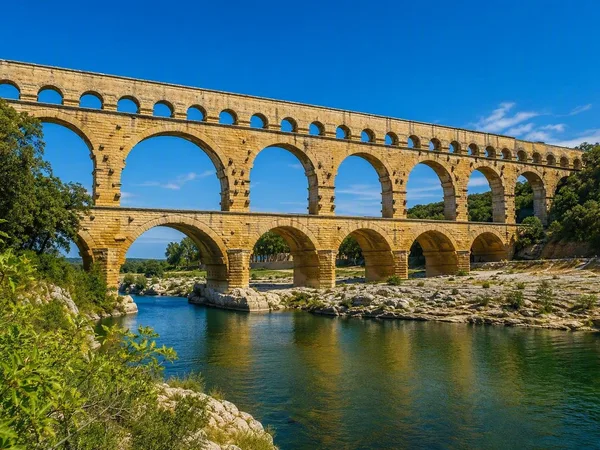
Pont du Gard
1 linked stories and routes
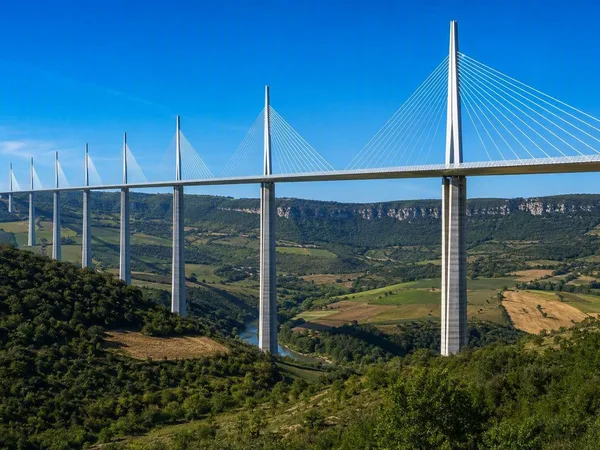
Viaduc de Millau
1 linked stories and routes

Maison des Canuts
0 linked stories and routes