
City · France
Lyon
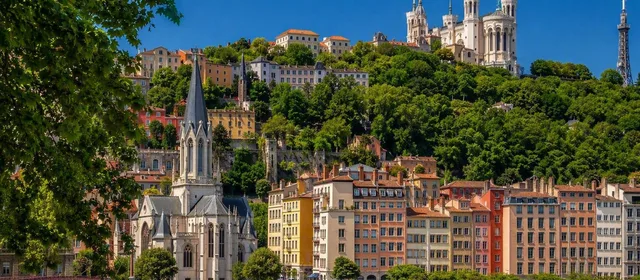
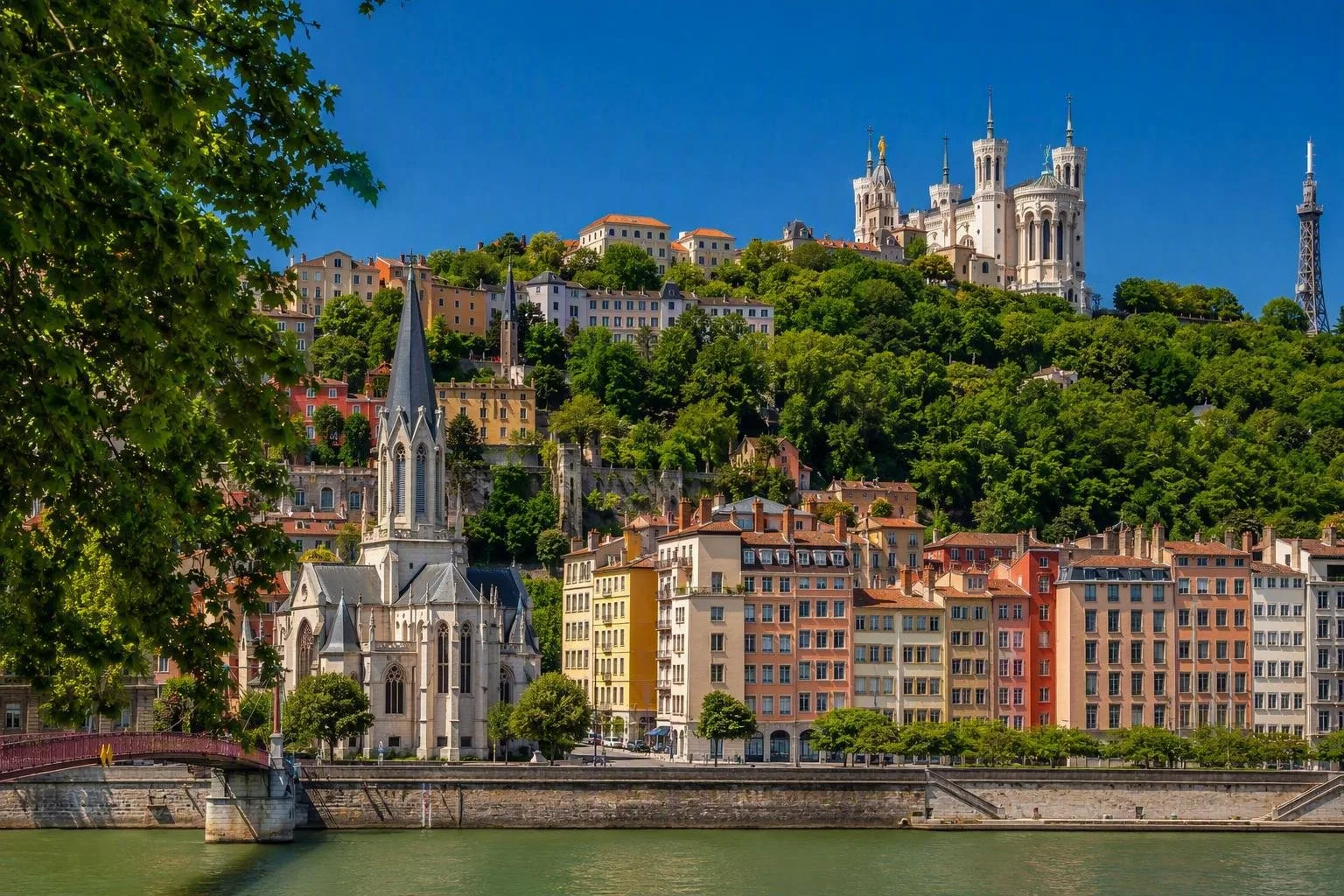
Lyon is a city in east-central France at the confluence of the Rhône and Saône. Its compact historic core runs from Roman Fourvière to Renaissance Vieux Lyon, the Presqu’île and the silk-working slopes of Croix-Rousse.
Read the city
Lyon is organised by water and height. The Saône skirts Fourvière to the west; the Rhône runs along the city’s eastern side; the Presqu’île lies between them. Fourvière and Croix-Rousse are the two hills that make the centre easy to read from the street.
The historic site has been on the UNESCO World Heritage List since 1998. Its value is not one monument but a continuous urban record: Roman Lugdunum, medieval streets, Renaissance houses, planned eighteenth- and nineteenth-century quarters, and the industrial architecture of silk.
Fourvière: Roman Lyon and the high ground
Start on Fourvière for the city’s earliest large-scale remains. The Lugdunum Roman theatres include a large theatre and a smaller odeon; the adjacent museum gives the archaeological context. The hillside also carries the late nineteenth-century Notre-Dame de Fourvière Basilica, whose mosaicked interior contrasts with its pale, fortress-like exterior.
The esplanade is the clearest place to understand Lyon’s layout. Descend through the Jardin du Rosaire to Vieux Lyon, or use the funicular from Vieux-Lyon station to avoid the steep climb.
Vieux Lyon and the Presqu’île
Between Fourvière and the Saône, Vieux Lyon is a dense district of fifteenth- and sixteenth-century buildings. Saint-Jean Cathedral and its astronomical clock provide a useful anchor; the three parts of the quarter are Saint-Georges, Saint-Jean and Saint-Paul.
Look for traboules: passageways through buildings that connect streets and courtyards. They are part of residential buildings, not an attraction set. Enter only routes open to the public, keep voices low and do not block doorways.
Across the Saône, the Presqu’île is the central spine for squares and major civic buildings. Use Place Bellecour, Place des Terreaux, the Hôtel de Ville and the opera as landmarks rather than trying to cover every street in one pass.
Croix-Rousse and the silk city
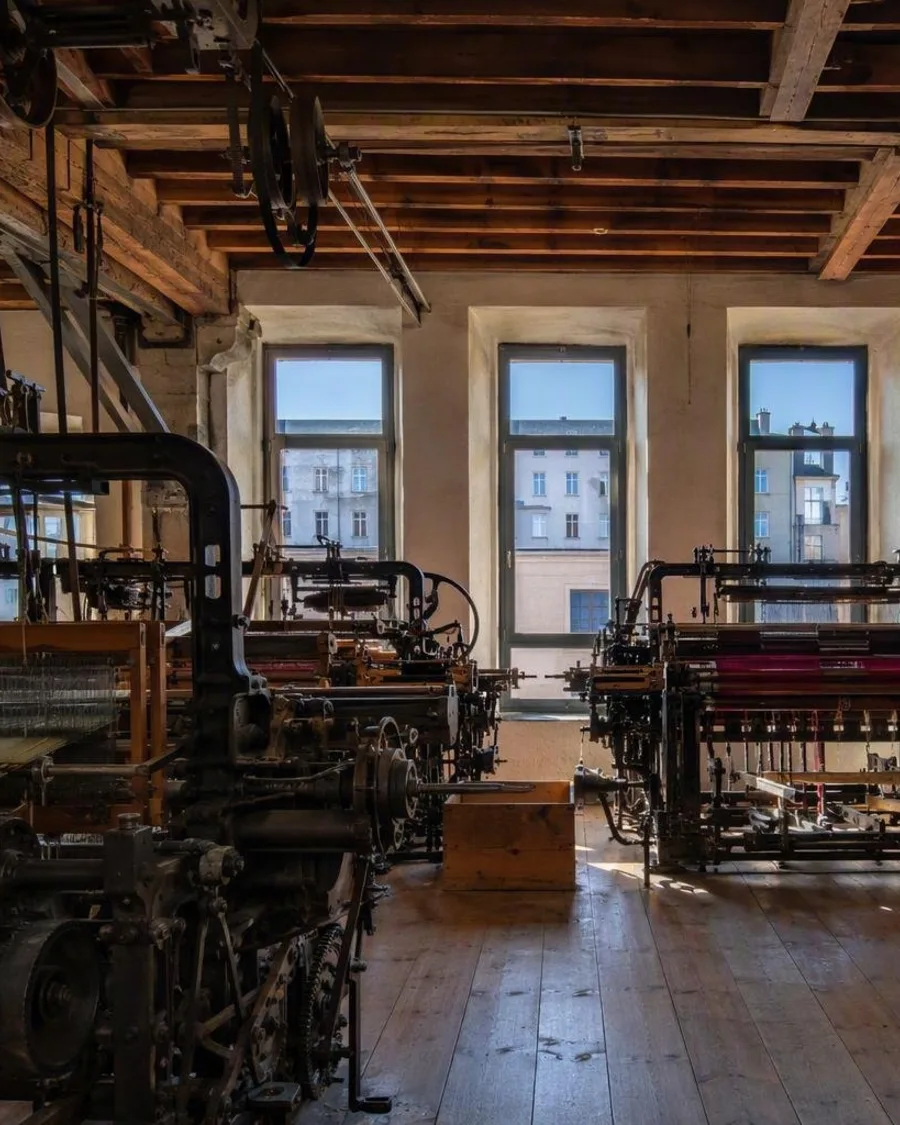
Croix-Rousse is Lyon’s working hill. In the nineteenth century, canuts—silk workers—lived and operated large looms in tall apartment-workshops with high ceilings. Its sloping streets and traboules make the link between production, housing and movement through the hill visible.
For the craft behind the streetscape, visit Maison des Canuts. Its displays cover silk, the Lyonnais Fabrique, the Jacquard system and the canut uprisings. Guided visits include a working nineteenth-century handloom with a Jacquard mechanism.
Practical rhythm
Treat the core as a sequence: Fourvière, downhill through Vieux Lyon, across the Presqu’île, then Croix-Rousse on a separate uphill stretch. Wear shoes with grip: Vieux Lyon is paved, while Fourvière and Croix-Rousse involve sustained slopes and stairs. The historic districts reward slow walking; the funicular is the useful exception.
From the magazine
Stories about Lyon
Editorial stories linked directly to Lyon.
Routes from our editors
Travel through Lyon
Editorial routes connecting Lyon with other countries, cities and hotspots.
No routes through Lyon have been published yet.
More in France
Related hotspots
Other cities, nature areas and places within France.
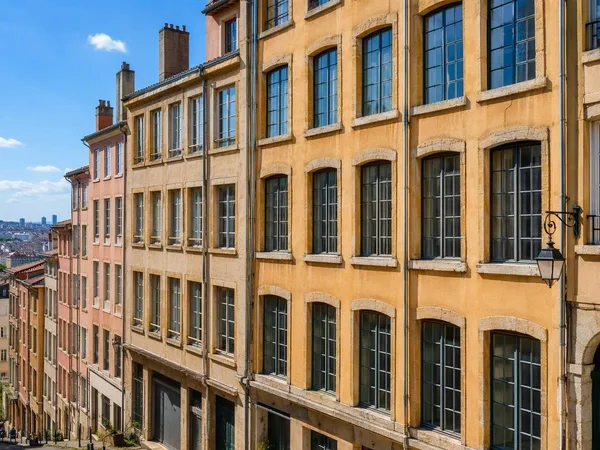
Croix-Rousse
1 linked stories and routes
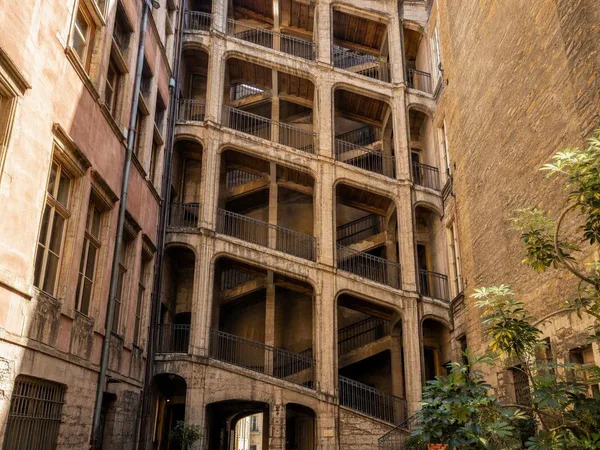
Cour des Voraces
1 linked stories and routes

Martinique
1 linked stories and routes

Guadeloupe
1 linked stories and routes
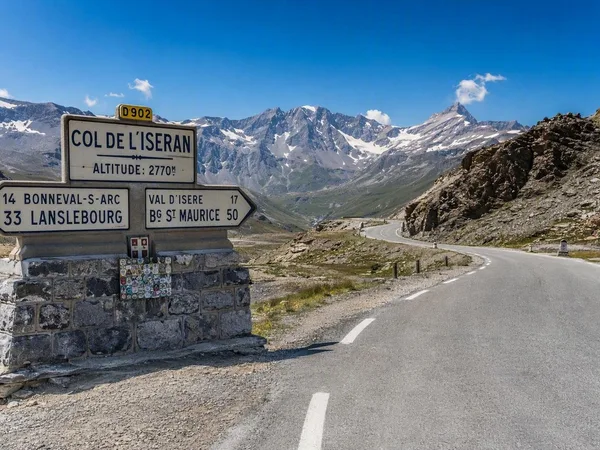
Route des Grandes Alpes
1 linked stories and routes

Île de Bréhat
1 linked stories and routes
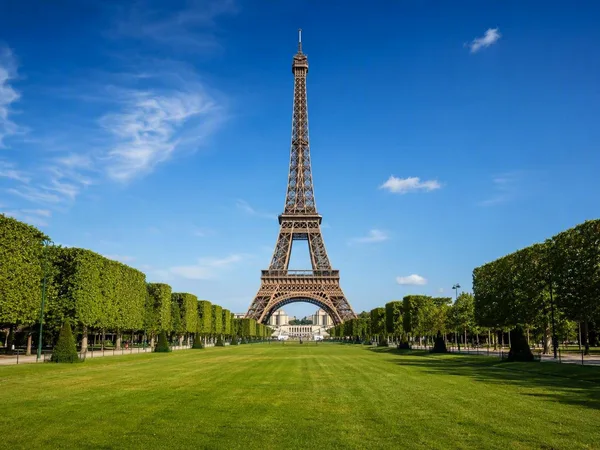
Paris
1 linked stories and routes
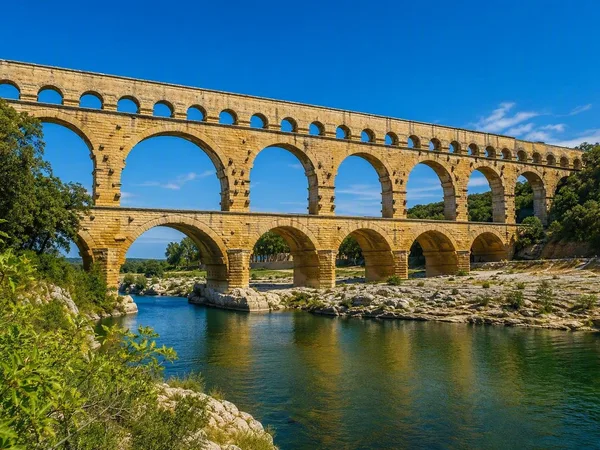
Pont du Gard
1 linked stories and routes
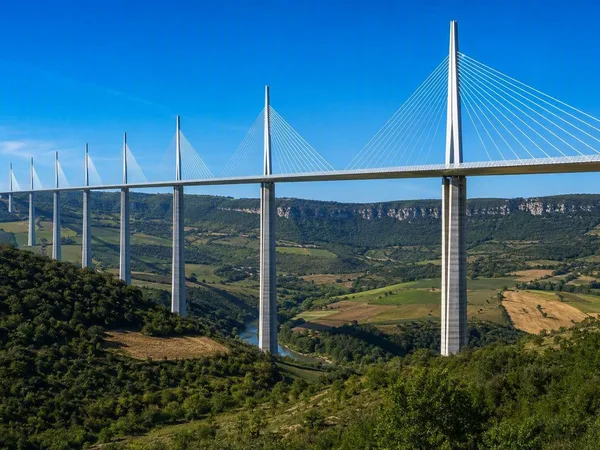
Viaduc de Millau
1 linked stories and routes
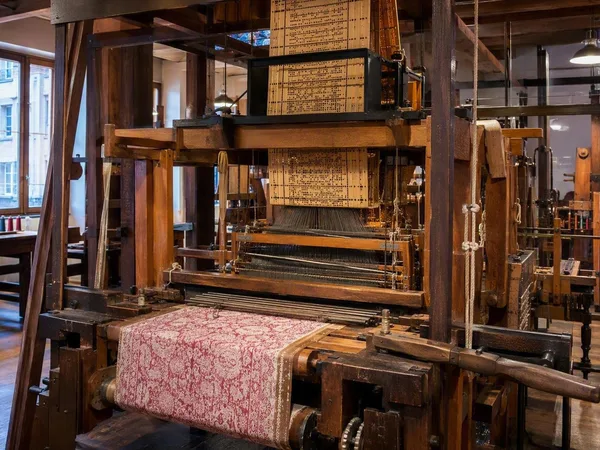
Maison des Canuts
0 linked stories and routes