
Neighbourhood · France
Croix-Rousse
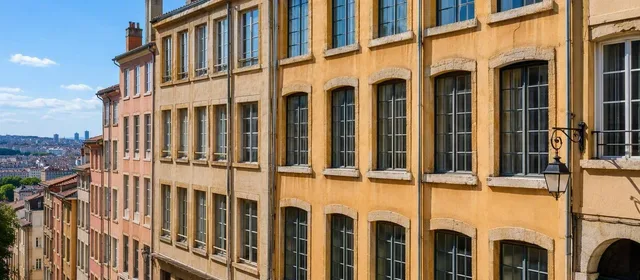
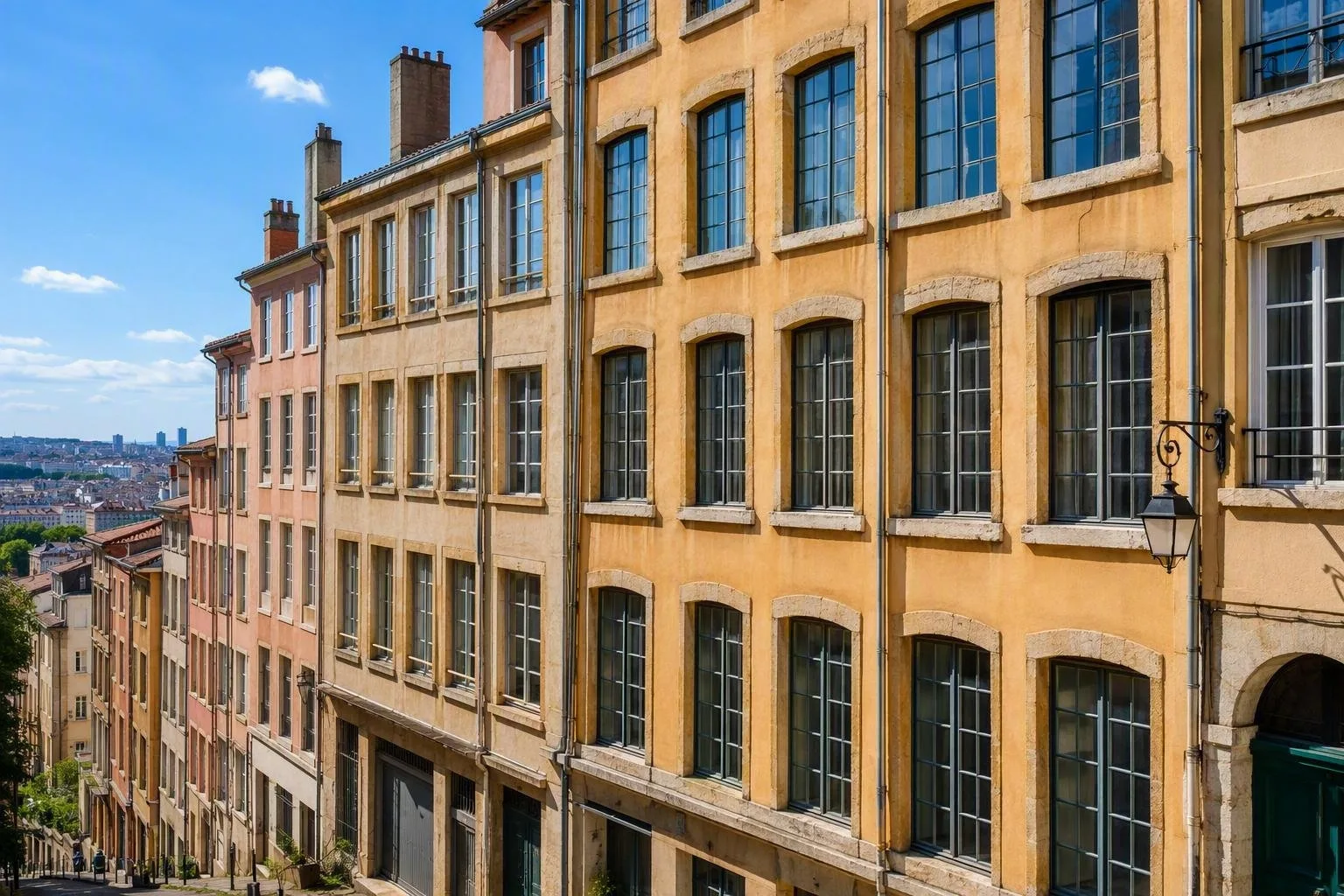
Croix-Rousse is Lyon’s historic silk-workers’ quarter, spread across the plateau and slopes of the hill east of the Saône. Its tall-windowed workshops, stair streets and traboules show how the canuts lived and wove here.
Read the hill
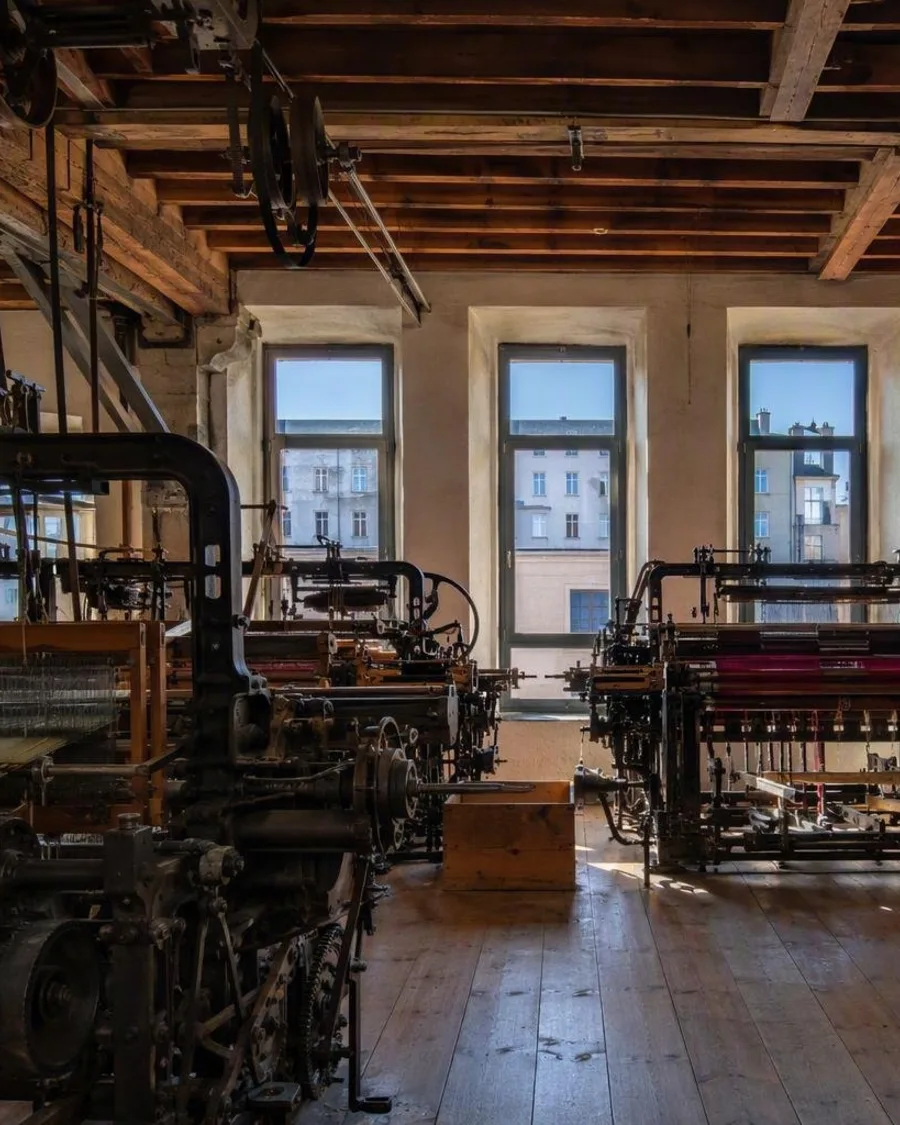
Croix-Rousse was built for silk. In the nineteenth century, canuts—Lyon’s silk weavers—worked in apartments designed around large handlooms and Jacquard mechanisms. Look up: unusually high ceilings and tall, regular windows gave the looms room and brought daylight into the workspaces.
This was not a single factory district. Production was dispersed through household workshops, where family life and paid weaving occupied the same rooms. The buildings are now largely residential, but their proportions still make the former industry legible.
Plateau and slopes
The plateau is the upper part of Croix-Rousse, around the metro station and Place de la Croix-Rousse. The pentes, or slopes, run down towards central Lyon through steep streets, stairways and passages.
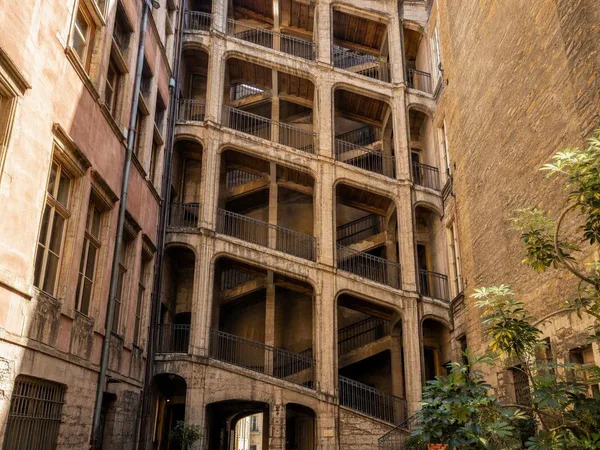
Walk downhill if you want to read the terrain rather than fight it. The Cour des Voraces is the district’s most conspicuous stair-and-passage complex: its six-storey staircase links the slopes back towards the plateau.
Traboules are passages through buildings and courtyards. Some are accessible, but they are part of residential buildings, not museum corridors. Keep voices down, do not linger in entrances or courtyards, and give residents priority.
The canuts’ story
Silk merchants and manufacturers controlled commissions and prices; workshop ownership did not mean the weavers controlled their income. Disputes over wages and working conditions drove the canut uprisings of 1831 and 1834, making Croix-Rousse a lasting symbol of industrial labour conflict.
The architecture explains the economy better than a plaque can. A high window, a deep room and a passage down the hill were working infrastructure, not decoration.
See a loom working
Maison des Canuts, at 10–12 rue d’Ivry on the plateau, is the clearest practical introduction. Its permanent displays cover Lyon silk, the Jacquard invention and the canut revolts; guided workshop visits include a handloom weaving demonstration.
- Collection: Tuesday–Friday 10am–1pm and 2pm–6pm; Saturday 10am–6pm. Adult entry €3.
- Guided loom visit: Tuesday–Saturday at 11am and 3.30pm; adult price €10, including the collection.
- Access: Metro C to Croix-Rousse; bus S4 stops at Maison des Canuts.
Groups of ten or more require a reservation. Collect timed tickets at least 15 minutes before a guided visit.
Getting your bearings
Use Metro C to reach the plateau, then explore on foot. The terrain changes quickly: stairs and sharp descents are integral to the visit, so footwear with grip matters. Allow time to move slowly through the slopes rather than treating the district as a quick stop between central Lyon sights.
From the magazine
Stories about Croix-Rousse
Editorial stories linked directly to Croix-Rousse.
Routes from our editors
Travel through Croix-Rousse
Editorial routes connecting Croix-Rousse with other countries, cities and hotspots.
No routes through Croix-Rousse have been published yet.
More in France
Related hotspots
Other cities, nature areas and places within France.

Lyon
1 linked stories and routes
Cour des Voraces
1 linked stories and routes

Martinique
1 linked stories and routes

Guadeloupe
1 linked stories and routes
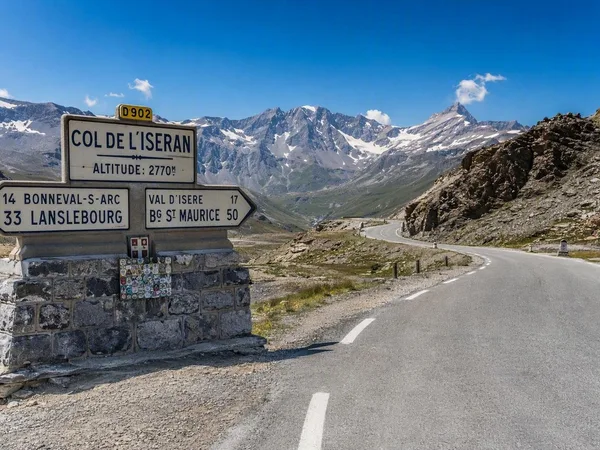
Route des Grandes Alpes
1 linked stories and routes

Île de Bréhat
1 linked stories and routes

Paris
1 linked stories and routes

Pont du Gard
1 linked stories and routes
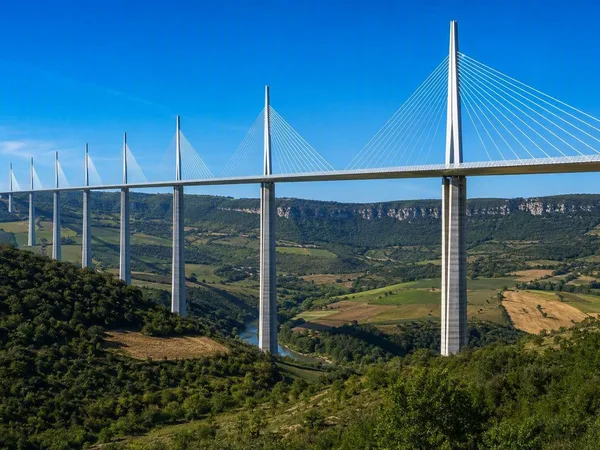
Viaduc de Millau
1 linked stories and routes
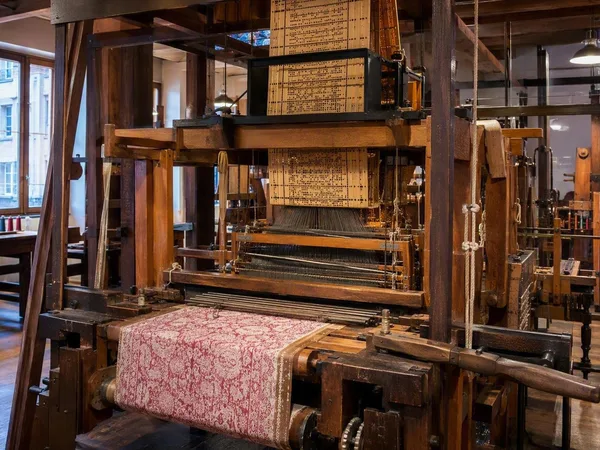
Maison des Canuts
0 linked stories and routes