France

From Atlantic tides to Alpine passes

France

France pairs famous monuments with regional landscapes, food and customs that change sharply from one place to the next.

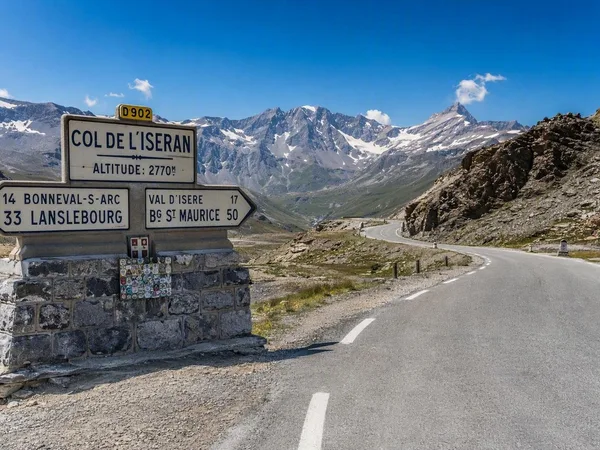
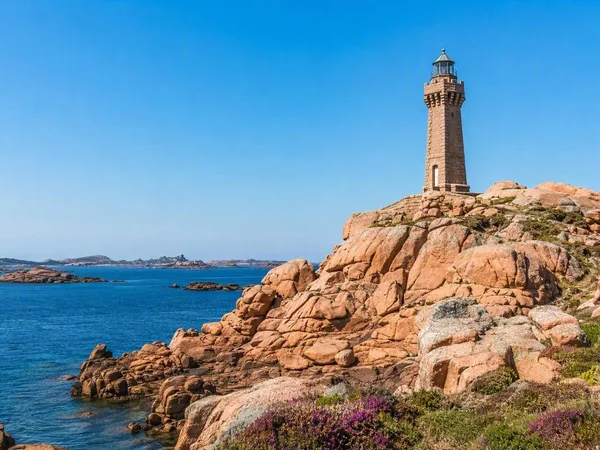
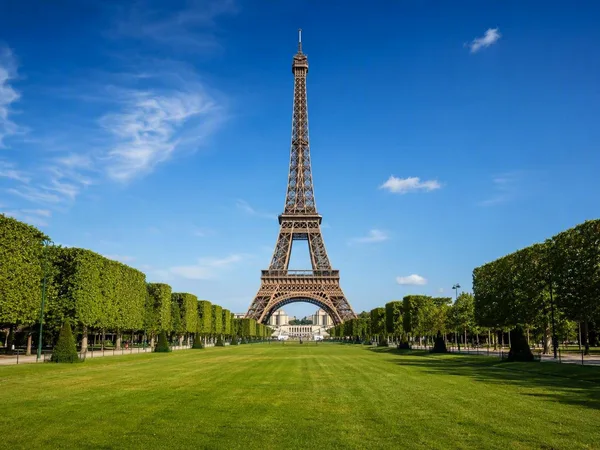
France is worth looking beyond Paris for. The capital has the Louvre, the Eiffel Tower and broad Haussmann boulevards, but it also has market stalls in Belleville, neighbourhood bakeries and small museums tucked behind busy streets. A few hours away, the country looks and feels very different. Brittany’s granite headlands face Atlantic weather; vineyards line the slopes above the Rhône; Alpine roads rise through villages towards high passes. Food gives each area its own character, from salted butter in Brittany to olive oil in Provence.

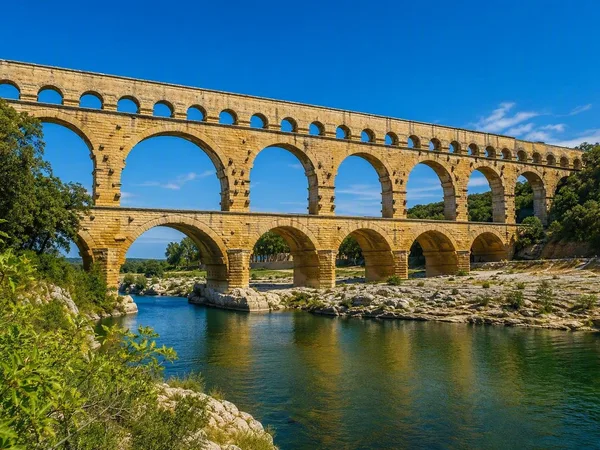
History sits close to daily life in many parts of France. In Normandy, medieval lanes lead towards the coast and the D-Day beaches. In Nîmes and Arles, Roman arenas and temples stand beside cafés and apartment blocks. Marseille’s old port still links the city to the Mediterranean, while fishing boats and ferries cross the harbour.

Regional habits show up at the table and in the streets. Alsace has half-timbered houses, wine villages and dishes with German roots. In the Basque Country, red-and-white villages sit between the Pyrenees and the Atlantic, with pelota courts at their centre. Weekly markets across the country sell local cheese, fruit, bread and charcuterie. Leave room for a slower meal, a market stop and a train ride beyond the headline sights; France has plenty to show once you step away from the obvious addresses.

When to go

Best time to travel

The monthly values show indicative average maximum temperatures for Paris. Conditions vary meaningfully across France, from the Atlantic and Mediterranean coasts to the Alps, Pyrenees and inland regions. The monthly values show indicative average maximum temperatures for Paris. Conditions vary meaningfully across France, from the Atlantic and Mediterranean coasts to the Alps, Pyrenees and inland regions.

jan7°C feb8°C mar12°C apr16°C may20°C jun23°C jul26°C aug25°C sep21°C oct16°C nov11°C dec8°C

Weather in the capital

Practical France

On every country page we show the current weather for the capital.

Paris
Morning17°Covercast
Afternoon18°Cdrizzle
Evening18°Covercast
today19°C / 16°Chigh and low

Current forecast by Open-Meteo

Getting around

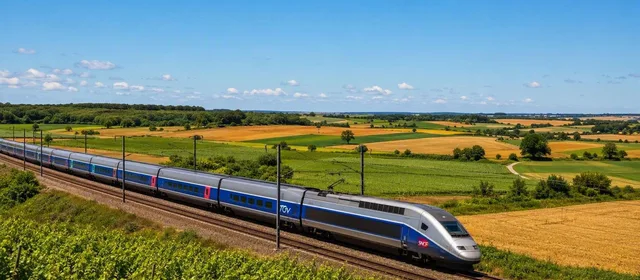
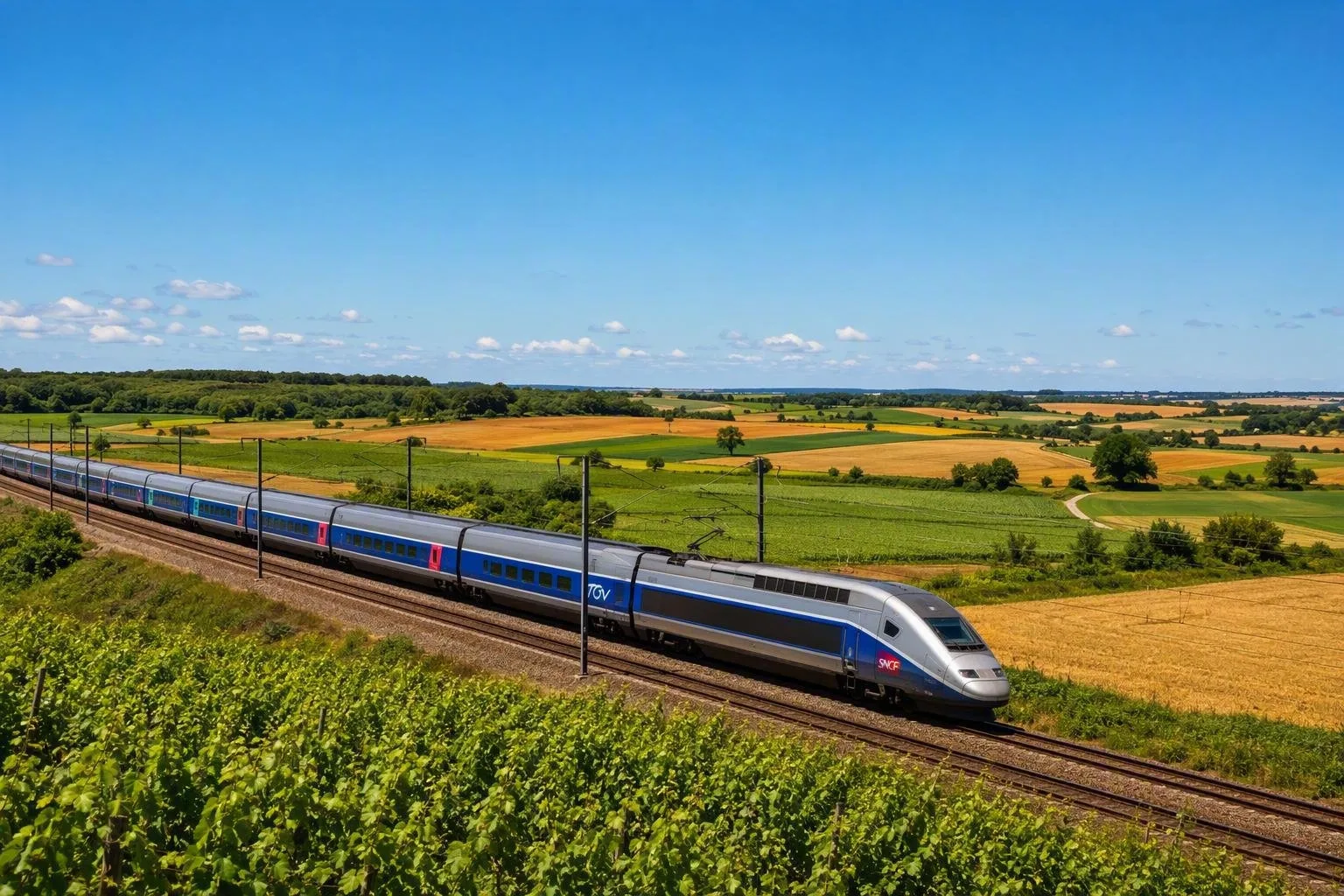
TGV trains link major cities, while regional TER services reach many smaller towns. Paris and several other cities have metro or tram systems. A car helps in rural areas where public transport is limited.

Paying in France

Cards and contactless payments are widely accepted. Keep some euros for small purchases, markets and businesses that set a minimum card spend.

Where to stay

France has hotels, holiday apartments, rural gîtes, chambres d’hôtes and campsites. Coastal areas, ski resorts and major cities fill up quickly during busy periods.

Before you leave

Worth knowing

A practical starting point for your trip. Check current conditions and local information before you leave.

01

Calling France

France’s international calling code is +33. When calling from abroad, omit the initial 0 from a ten-digit French number.

02

Language

French is the official language. English is common in many visitor settings, but a few French phrases help, especially outside major tourist areas.

03

Driving conventions

Traffic drives on the right. At unsigned junctions, vehicles approaching from the right may have priority under the priorité à droite rule.

04

Measurements

France uses the metric system. Distances appear in kilometres, fuel in litres and temperatures in degrees Celsius.

05

Motorway tolls

Many autoroutes charge tolls. Drivers usually take a ticket and pay when leaving, though some sections use barrier-free electronic tolling. Cards are commonly accepted.

06

Rail reservations

Reservations are compulsory on TGV services and most Intercités trains. Tickets usually apply to a specific departure and assigned seat.

07

Ticket validation

Validate paper local-transport tickets where required, before or when boarding. With contactless passes or bank-card systems, tap at the correct reader.

08

Tipping

Restaurant and café prices include service. Extra tipping is optional; customers often round up or leave a few euros for good service.

09

Meal times

Lunch commonly runs from noon to 2 pm. Dinner often begins around 7:30 pm, and many restaurant kitchens close between meal services.

10

Opening hours

Smaller shops may close at lunchtime or on Monday. Sunday opening varies, and restaurants often close for one or two set days each week.

11

Greetings

Say “bonjour” when entering a shop, bakery or café and “au revoir” when leaving. Staff generally expect this brief greeting before a request.

12

Emergency numbers

The European emergency number is 112. National numbers include 15 for medical emergencies, 17 for police and 18 for fire and rescue.

From the magazine

Stories about France

Editorial stories connected to France and the places in this country.

The world’s ten greatest bridges, ranked
Article

The world’s ten greatest bridges, ranked

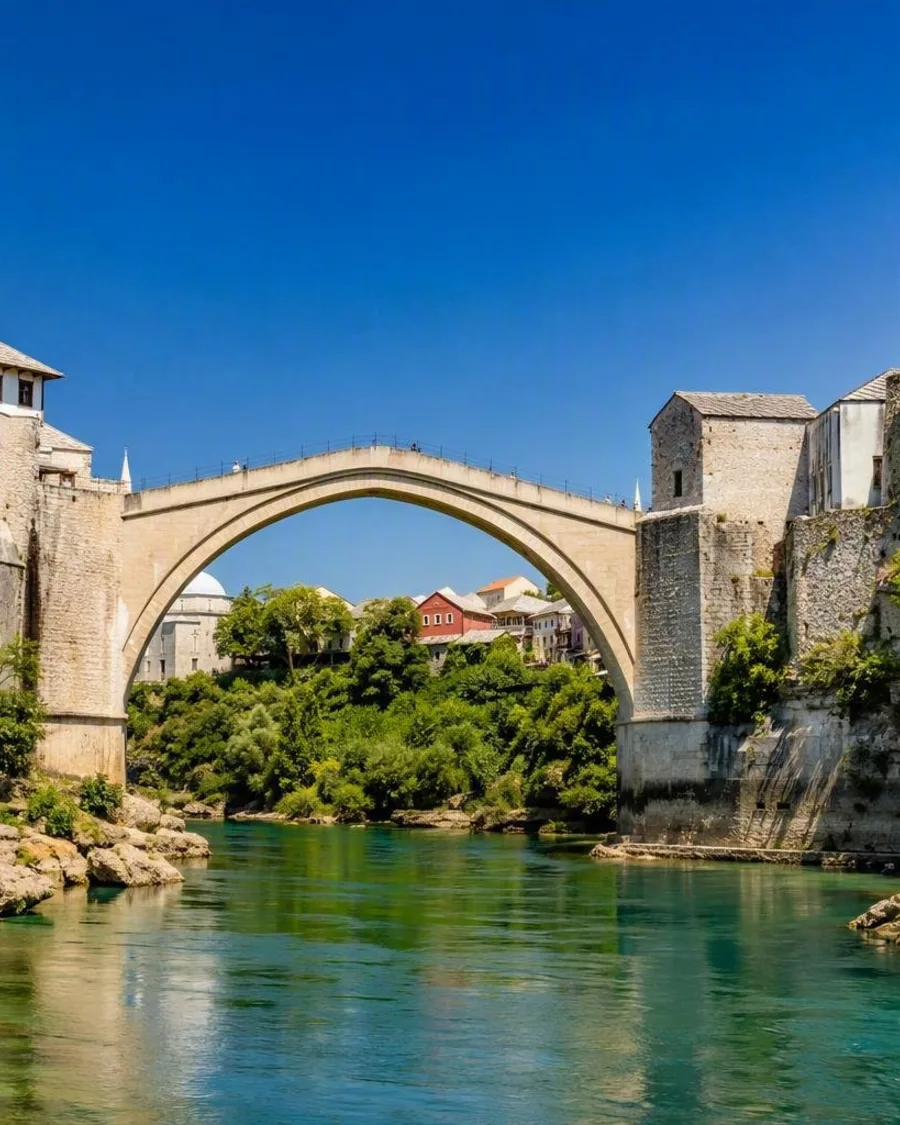
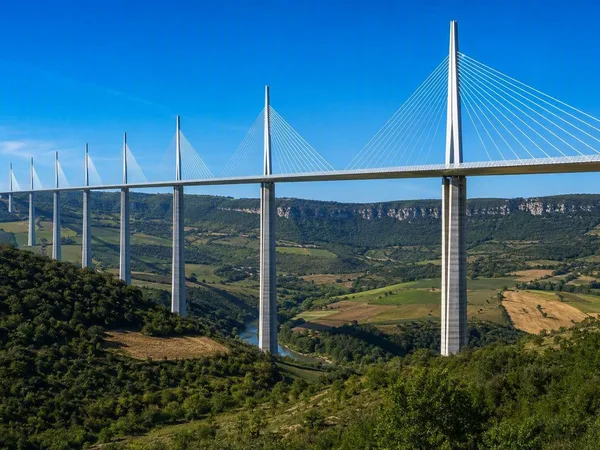
These ten bridges are ranked by three things: the force of their design, the history held in their fabric, and the precision with which they meet their river, strait, valley or city. Pont du Gard starts the list; Stari Most finishes it above the Neretva.

Ten places where local bread is still made by hand
Article

Ten places where local bread is still made by hand

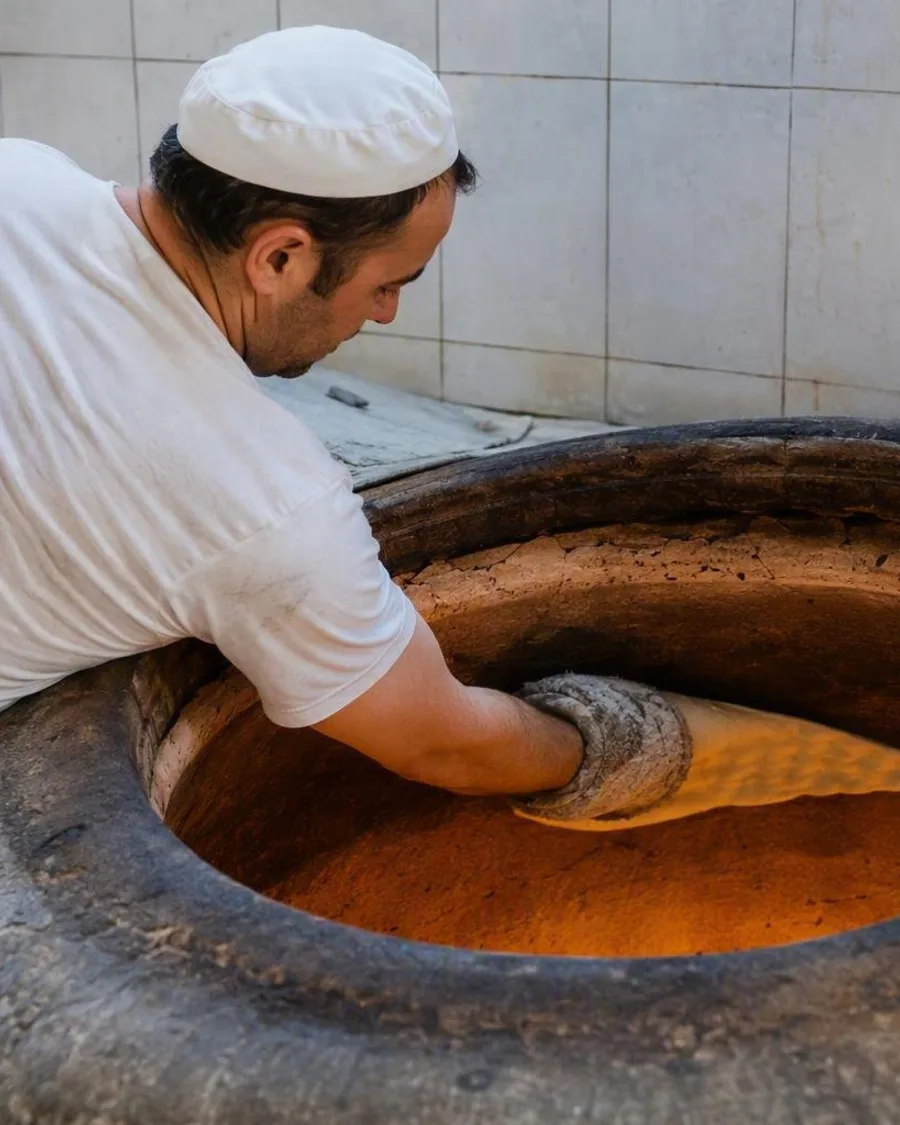
Bread shows the daily work behind a neighbourhood meal: a household’s marked dough at a Marrakesh communal oven, dark rye beside sourdough in Copenhagen, and bolillos from brick ovens in Mexico City. These ten working addresses and market settings sell local bread made through distinct local practices.

Eight islands for taking the long way round
Article

Eight islands for taking the long way round

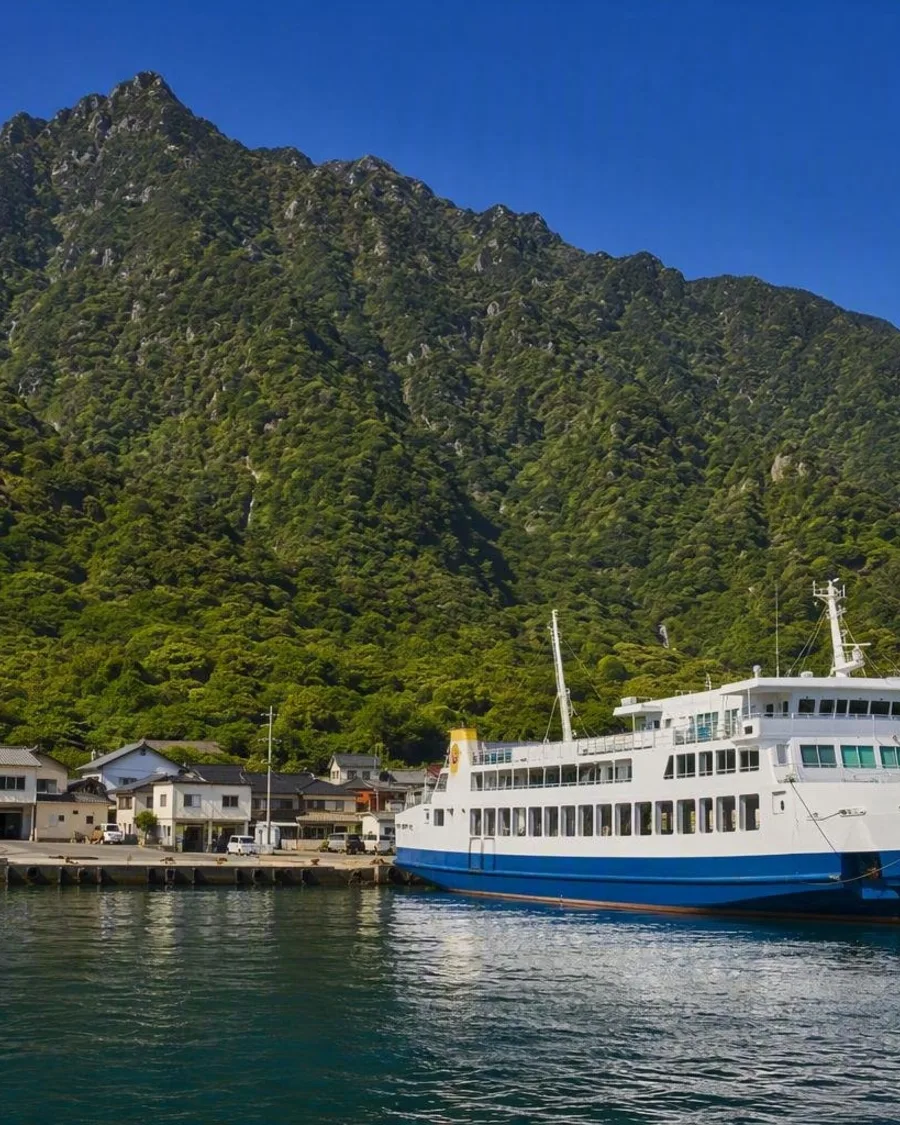
On Schiermonnikoog, low tide exposes the mudflats. On Yakushima, rain feeds cedar forest above the ferry ports. These eight islands suit travellers who would rather follow a path, a shore or a working harbour than race between sights.

Eight drives between high passes and open ocean
Article

Eight drives between high passes and open ocean

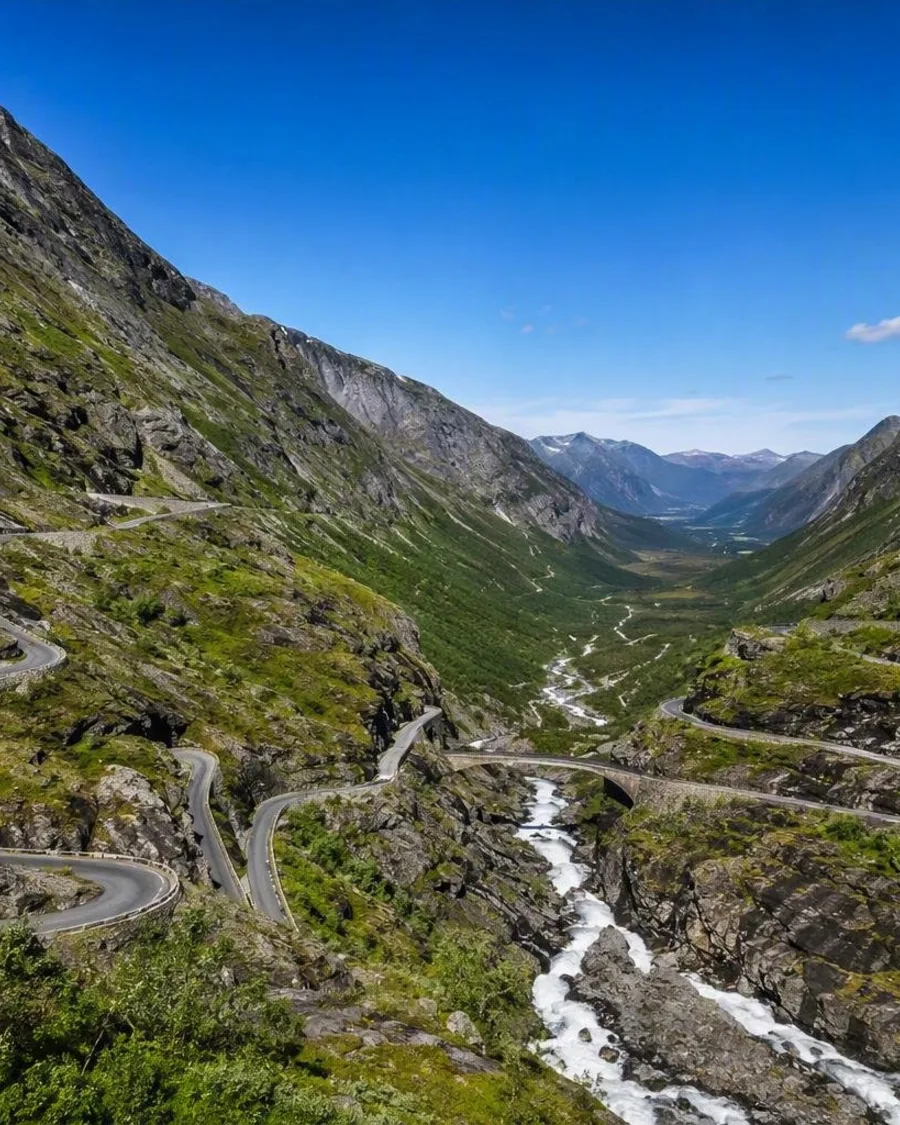
Austria’s Grossglockner road climbs from wooded valleys to bare Alpine ground through a tight stack of bends. Australia’s Great Ocean Road follows surf beaches, slips into wet forest and returns to a limestone coast. These eight routes stand apart through the shape of the road, the land around it and the views that arrive with each change in direction.

The Caribbean’s eight best islands for life beyond the resort
Article

The Caribbean’s eight best islands for life beyond the resort

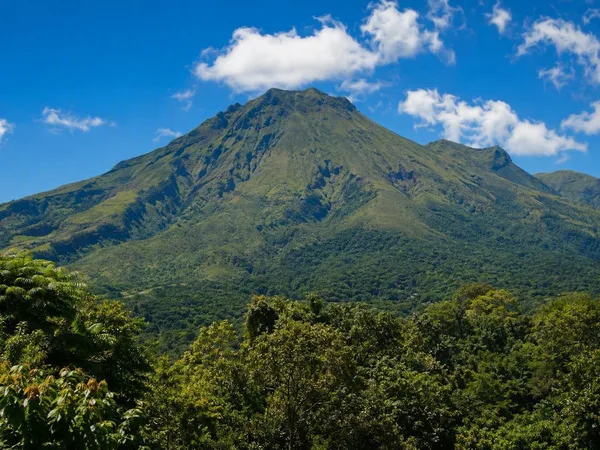
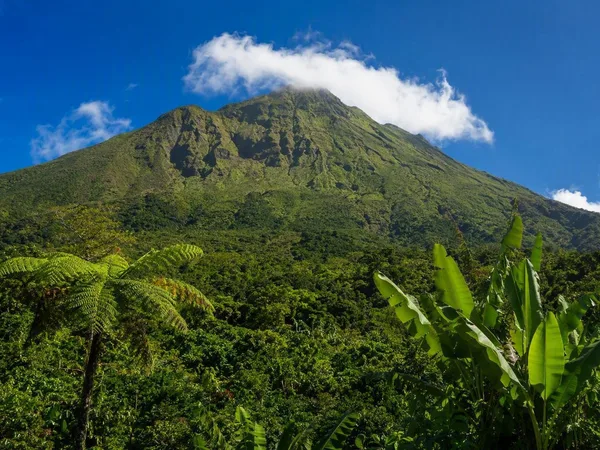
This list ranks eight Caribbean islands by the mix of nature, culture, beaches, individual character and things to do beyond a resort. Big islands need to deliver distinct days in town, inland and on the coast; small ones need a clear identity that their scale does not dilute.

Where Lyon’s silk looms still move
Article

Where Lyon’s silk looms still move

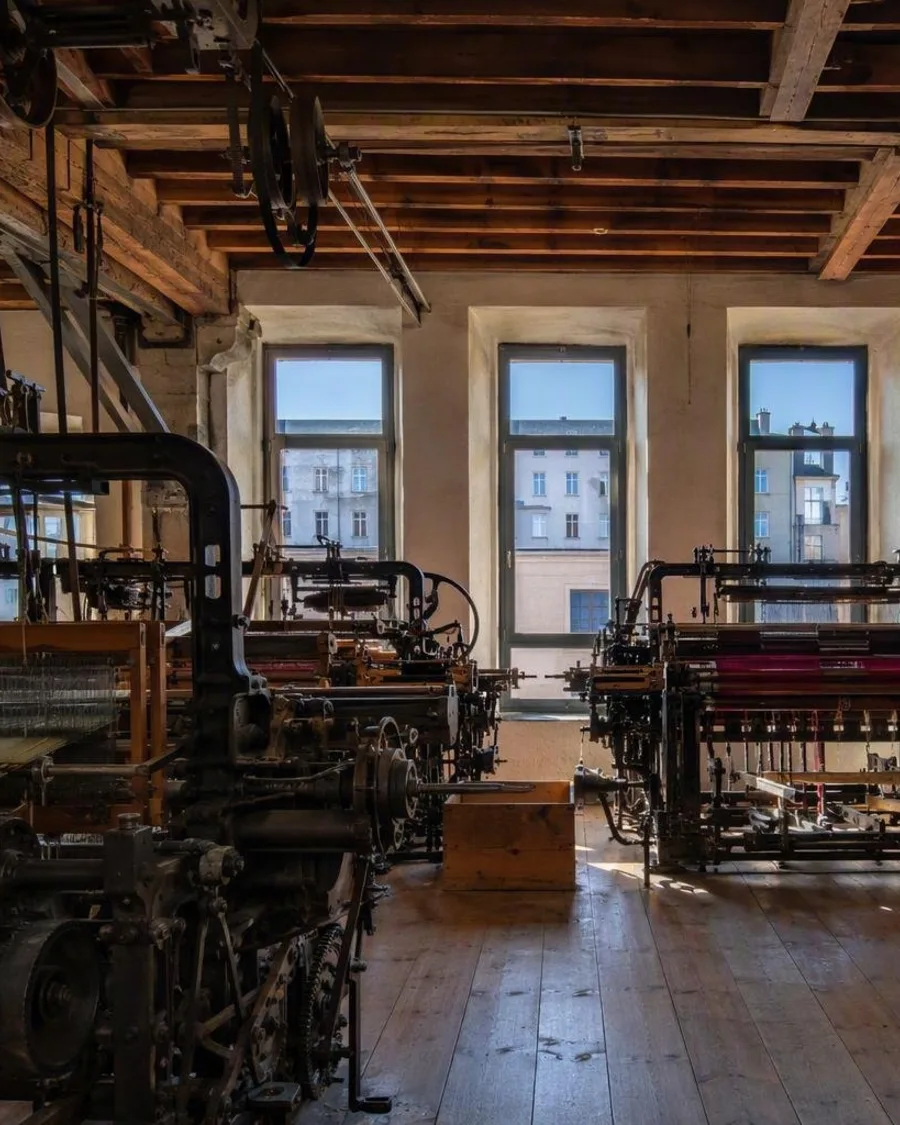
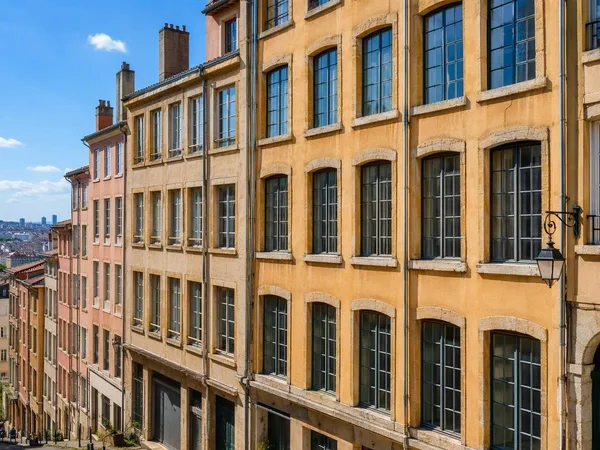
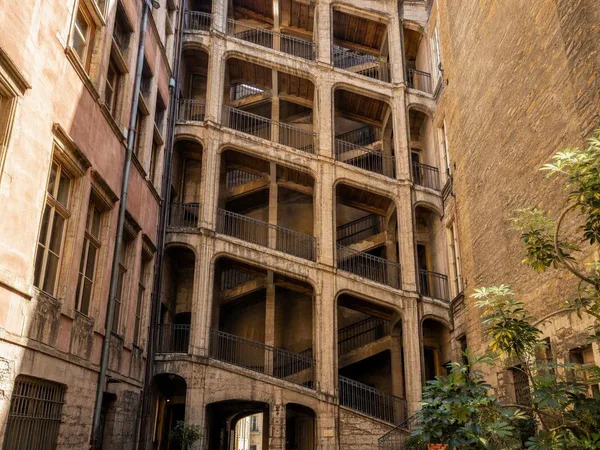
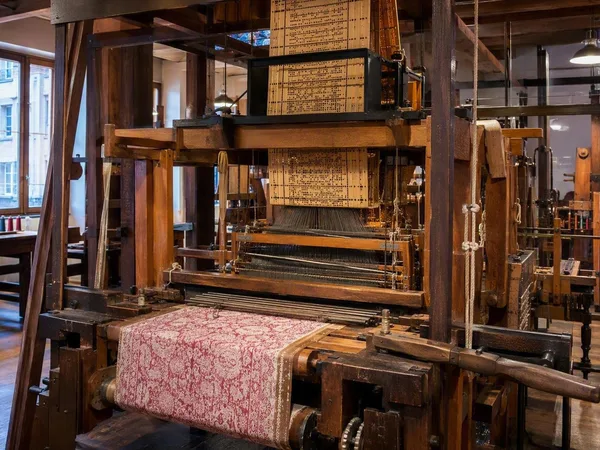
On Croix-Rousse, Lyon’s silk trade still shows in tall windows, stone passages and a former family workshop where preserved looms run during demonstrations. At 12 bis montée Justin-Godart, Soierie Vivante keeps the rooms, machinery and working knowledge together.

From cumin to seawater: walking Marseille to Vallon des Auffes
Article

From cumin to seawater: walking Marseille to Vallon des Auffes

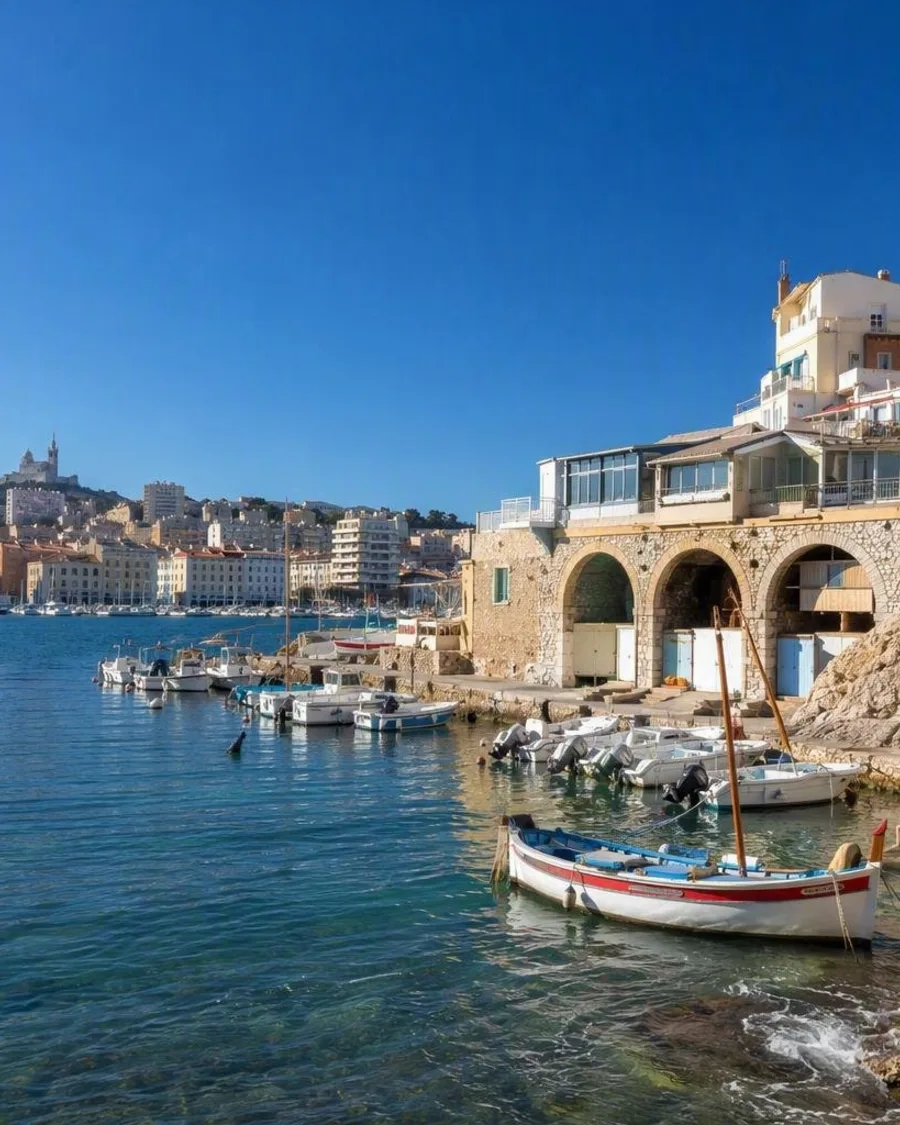
Start in Noailles, where spices sit in bright heaps and coffee scents drift along La Canebière. The streets widen towards the Vieux-Port, then give way to a sea road, pale rock and a small harbour tucked beneath three stone arches at Vallon des Auffes.