Ten places where local bread is still made by hand
Bread shows the daily work behind a neighbourhood meal: a household’s marked dough at a Marrakesh communal oven, dark rye beside sourdough in Copenhagen, and bolillos from brick ovens in Mexico City. These ten working addresses and market settings sell local bread made through distinct local practices.
Altamura: a folded loaf from the Murgia
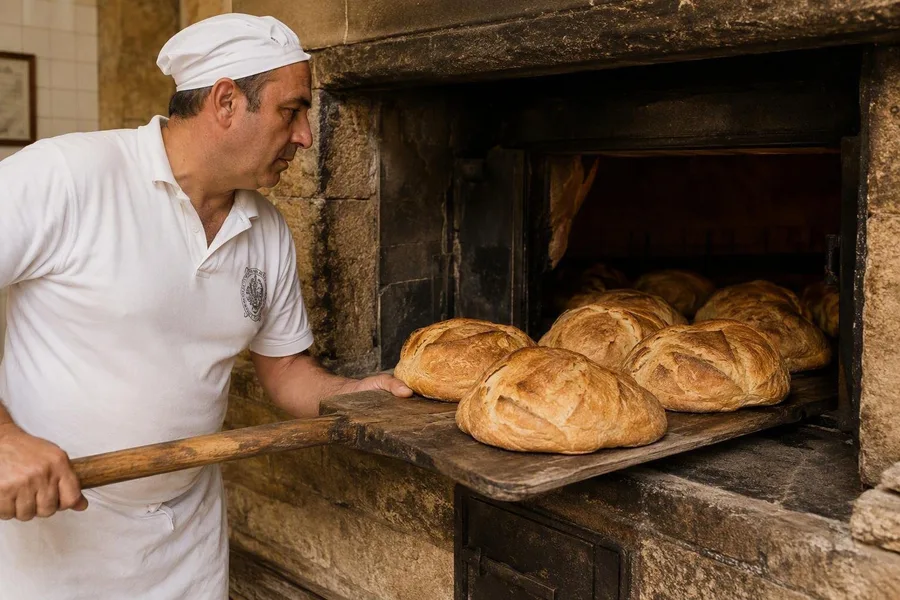 A baker removes fresh Pane di Altamura loaves from the wood-fired oven in Altamura.
At Antico Forno Santa Caterina 1306, a large wood-fired oven still stands at the centre of the bakery. It produces Pane di Altamura DOP, and visitors can sometimes see a sfornata, a batch coming from the oven.
The bread begins with remilled durum-wheat semolina from the north-western Murgia, sourdough, local water and sea salt. Those ingredients belong to its protected method, rooted in an agricultural and pastoral area where a large loaf needed to keep. Bakers rest the dough under thick cotton cloth, shape it twice by hand and fold the tall accavallata loaf over itself. They leave the oven mouth open, close it during baking, then open it again to release steam and dry the crust.
Tbilisi: bread pressed to the oven wall
Georgian Bakery at 11 Amagleba Street sells shotis puri through a small takeaway window. The long, pointed loaf comes from a tone, a deep cylindrical oven related to the tandoor.
A baker stretches the wheat dough and fixes it directly to the hot inner wall. The bread cooks upright rather than on an oven floor. Wood-fired clay tones are traditional, although some current bakeries use gas-fired versions. The curved wall suits the narrow shoti shape, which also makes this a quick bread for everyday buying.
Samarkand: patterned non at Siab Bazaar
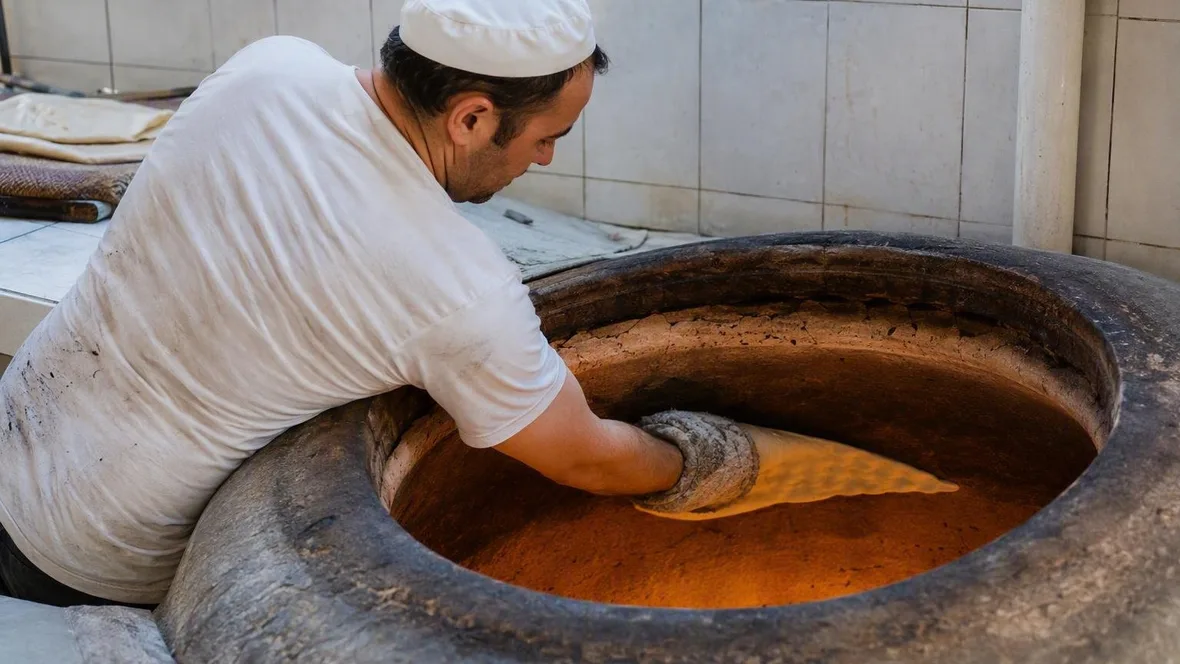
More than forty bakers and sellers fill the bread row at Siab Bazaar with round Samarkand non from clay tandyrs. The loaves are dense, with a thick raised rim and a thinner centre.
Before baking, a baker stamps the centre with a wooden chekich fitted with metal points. The punctures hold down the middle while the rim rises. The baker presses the moistened underside onto the glowing wall of a wood-fired clay tandyr and removes it a few minutes later. At the table, people break non by hand and place its patterned side upwards; turning it over or cutting it with a knife is considered disrespectful.
Marrakesh: many households, one ferran
Near Bab Doukkala market, the neighbourhood ferran completes work that starts in household kitchens. Families mix and form round khobz at home, mark the raw loaves, and take them to the wood-fired communal oven.
One baker cooks bread from many homes and uses the marks to return each loaf to its family. The low, broad bread has a firm crust and compact, soft crumb. At home, diners tear it to scoop tajine, salad and sauce. Families dry, reuse or give away leftover bread rather than discard it.
Istanbul: layers from a Sarıyer stone oven
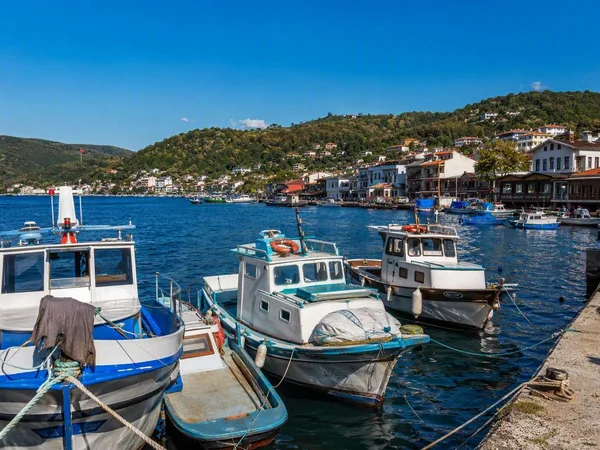
Meşhur Sarıyer Börekçisi has baked in Sarıyer since 1895. Its traditional stone oven produces both börek and pide.
The layered börek gives this address its particular identity. Thin sheets of dough emerge from the stone oven as a crisp, savoury bake. Istanbul’s other familiar street bread, simit, takes a different route: bakers twist risen dough into rings, dip them in pekmez molasses, coat them with sesame and bake them in stone or wood-fired ovens. Glass-fronted carts carry baked simit for morning and afternoon sales, and the rings also appear at breakfast with white cheese and black tea.
Paris: the hand-shaped Poilâne miche
Poilâne, at 8 rue du Cherche-Midi, has made its round sourdough miche since the bakery opened in 1932. In the original Saint-Germain-des-Prés shop, bakers still weigh, shape, bake and remove the loaves by hand each day.
The broad country loaf belongs to Paris’s continuing habit of buying daily bread close to home. Bakeries remain widely accessible across the city rather than serving only special-occasion shoppers. At Poilâne, the craft lies in repeated work at the bench and oven: divided dough, formed rounds and finished loaves.
Copenhagen: rye alongside slow sourdough
Kong Hans Bakery places classic Danish rugbrød beside long-fermented sourdough loaves. The counter brings a Danish rye tradition into the same present-day bakery as slow-fermentation baking.
Copenhagen has recently seen a revival of bakeries focused on sourdough bread and meticulous pastry. Kong Hans keeps rugbrød in that picture. Its dark rye loaf gives the selection a distinctly Danish anchor.
Brussels: sourdough from Belgian grain
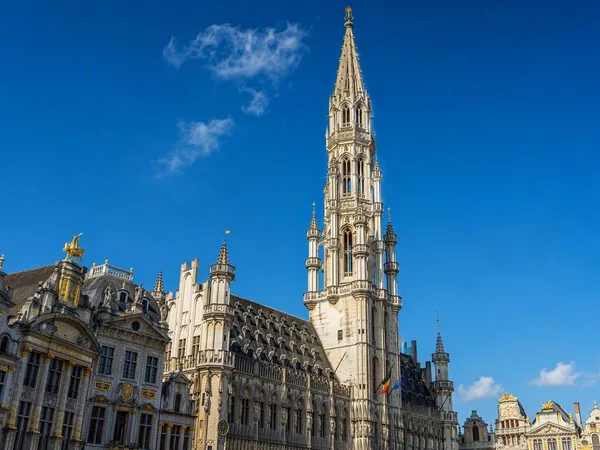
Kiekebich, on Quai Fernand Demets in Anderlecht, makes sourdough bread by hand with locally milled flour. Customers can buy there or collect loaves on four baking days.
Tom, the baker and miller, learned traditional milling and wood-oven baking at the medieval watermill in Sint-Gertrudis-Pede. The present workshop uses almost entirely sourdough, Belgian-grown grain and stone-ground flour. This is a working atelier rather than a display bakery: the available information confirms collection and purchase, not an open production room during ordinary sales.
Lisbon: Portuguese forms, long fermentation
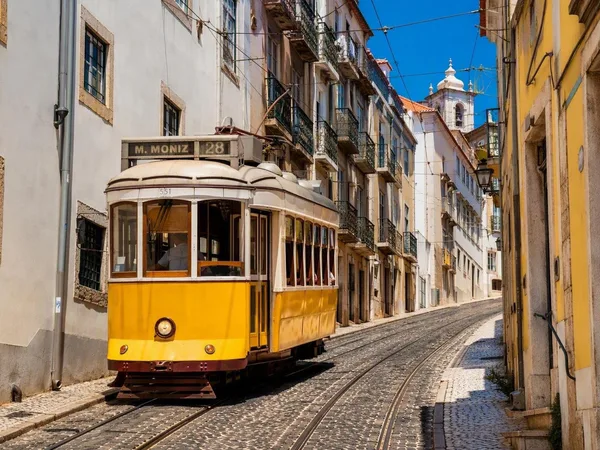
Pão da Esquina at Rua Coelho da Rocha in Campo de Ourique makes pão de Mafra and broa with sourdough and long fermentation. The bakery connects those Portuguese bread forms with Portuguese grains and contemporary sourdough practice.
The loaves are made for the table, not as display pieces. Their substantial forms suit slicing and sharing with the day’s food.
Practical details
Antico Forno Santa Caterina is at Via Ambrogio del Giudice 2 in Altamura and sells on site; reservations are available. Georgian Bakery is at 11 Amagleba Street in Tbilisi, and Siab Bazaar stands beside Bibi-Khanym Mosque in Samarkand. Find the Bab Doukkala ferran in the market quarter. Meşhur Sarıyer Börekçisi is at Yeni Mahalle Caddesi 28 in Sarıyer; Poilâne is at 8 rue du Cherche-Midi in Paris. Kiekebich operates on designated baking days, so advance ordering is the reliable option. Pão da Esquina is at Rua Coelho da Rocha 108 in Lisbon.
Mexico City: bolillos from Tlalpan brick ovens
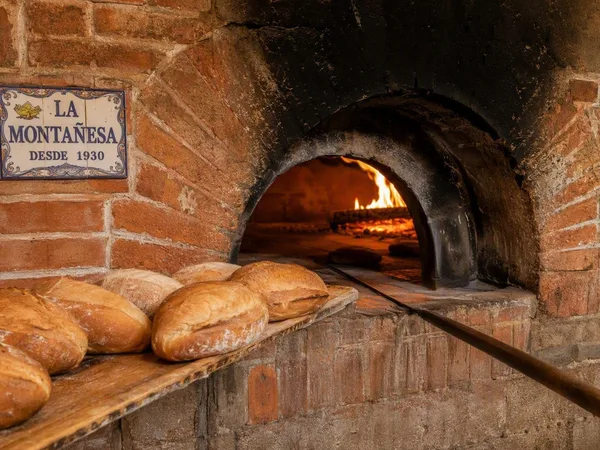
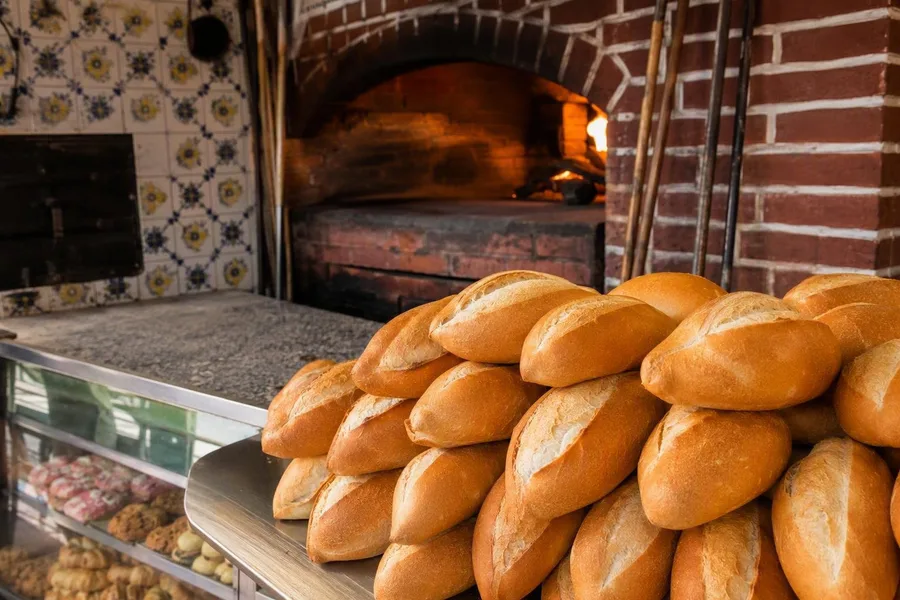 Crusty bolillos wait on the counter at La Montañesa in Tlalpan Centro.
La Montañesa faces Plaza de la Constitución in Tlalpan Centro. The family bakery opened in 1935 and still bakes bolillos every day in traditional brick ovens.
A bolillo is a short white roll with a firm crust and soft crumb. It goes into a torta or accompanies quick meals at home. The counter also holds pan dulce, including shell-patterned conchas and flaky orejas, for coffee, atole or hot chocolate in the morning and evening. Behind the sweet display, plain crusty bolillos continue to come from the brick ovens for Tlalpan’s daily meals.
Keep exploring
Places in this story
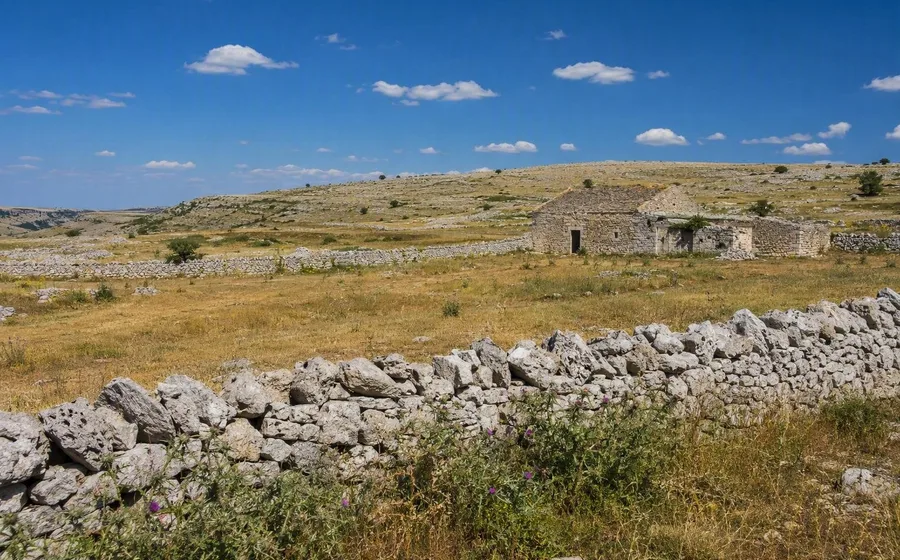
Murgia
Murgia is the broad karst plateau of central Puglia, extending west towards Basilicata. Its northern highlands are the landscape behind Altamura’s protected bread: limestone, grain fields, pasture and stone-built farm country.
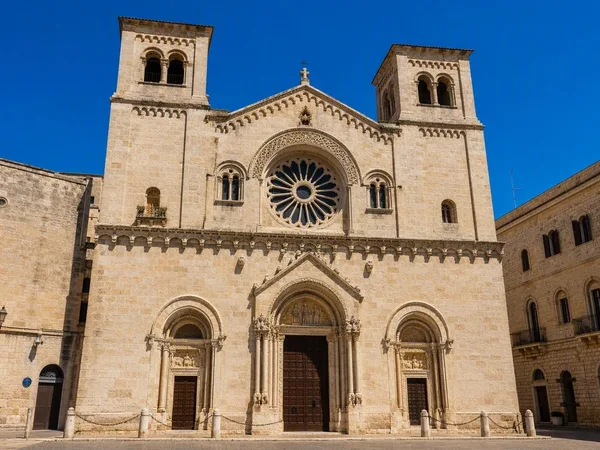
Altamura
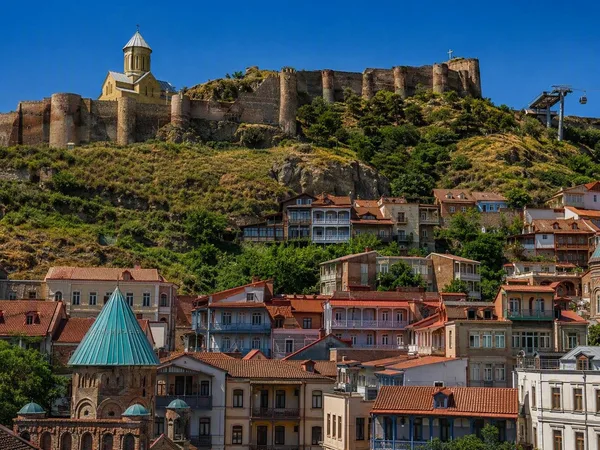
Tbilisi
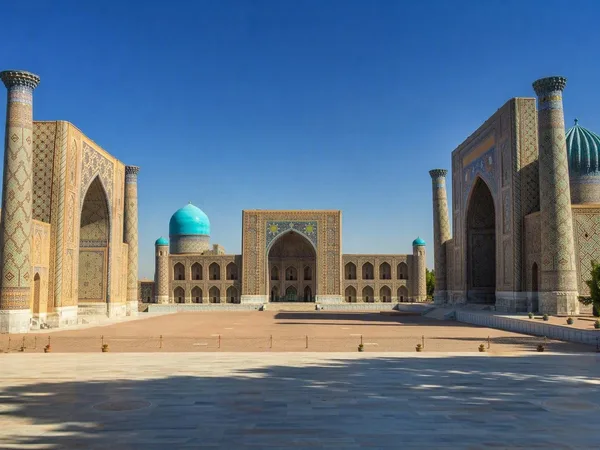
Samarkand
Sarıyer, Istanbul

Paris
Copenhagen
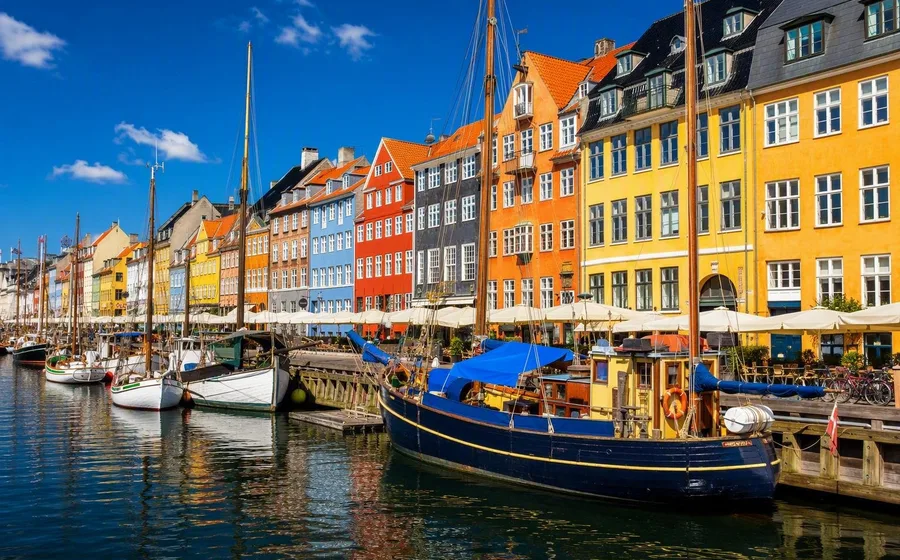
Copenhagen, Denmark’s capital, is a compact harbour city where royal buildings, canals, design institutions and neighbourhood life sit within easy reach. Come for the historic centre, then move outward to Christianshavn, Nørrebro and Vesterbro.
Brussels
Lisbon
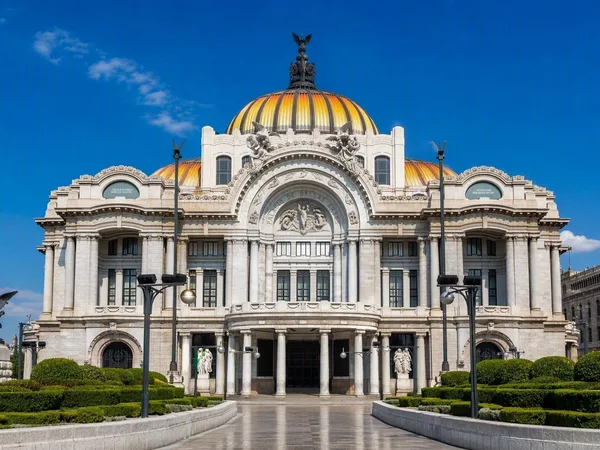
Mexico City