City · Denmark
Copenhagen
Copenhagen, Denmark’s capital, is a compact harbour city where royal buildings, canals, design institutions and neighbourhood life sit within easy reach. Come for the historic centre, then move outward to Christianshavn, Nørrebro and Vesterbro.
Get oriented
Copenhagen is built around its harbour, canals and a compact historic core. Start around Kongens Nytorv, where Nyhavn, the royal district and central shopping streets meet. The main central sights are close enough to connect on foot; keep the harbour and the spires as your visual bearings.
For a first pass, divide the city into useful pieces:
- Indre By: Nyhavn, Strøget, Rosenborg, Christiansborg and major museums.
- Christianshavn: canals, houseboats and the Church of Our Saviour.
- Nørrebro: food, independent shops and a more residential urban rhythm.
- Vesterbro: the former Meatpacking District, restaurants and nightlife.
The essential route
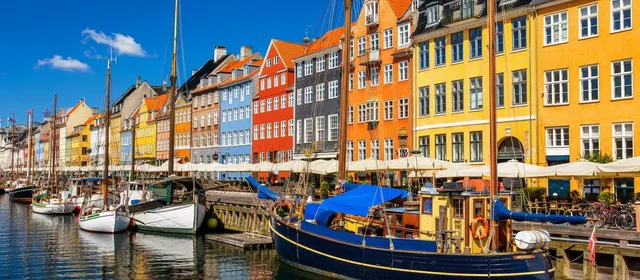
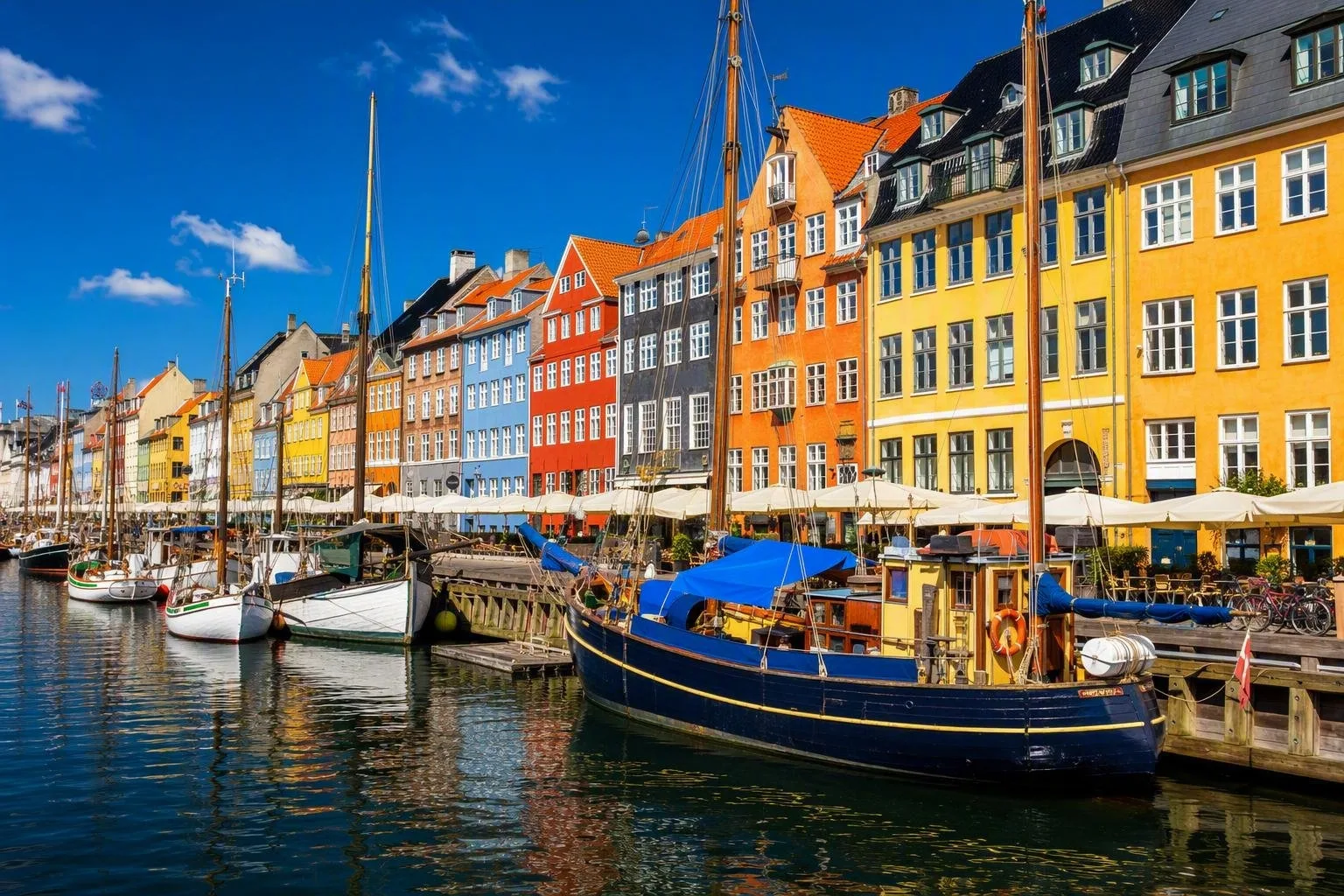
Walk Nyhavn’s canal for the painted 17th- and 18th-century façades and historic ships, then use the waterfront as the start of a canal trip or continue towards Amalienborg. Rosenborg Castle holds the Danish crown jewels; pair it with Kongens Have, the King’s Garden.
On Slotsholmen, Christiansborg combines parliament, royal reception rooms and historic ruins. Its tower is a practical skyline stop. For a different city view, climb the Round Tower’s spiral ramp rather than a conventional staircase.
Across the harbour, Christianshavn shifts the mood: low waterfront buildings, narrow streets and canals. The external spiral stair around the spire of the Church of Our Saviour is exposed and steep near the top; skip it if heights are a problem.
Eat the local structure
Rye bread is not a side note here. Order smørrebrød—open sandwiches built on dense rugbrød—for the clearest introduction. Torvehallerne, beside Nørreport, is a practical lunch stop for produce, prepared food and coffee.
Copenhagen’s bakery culture also runs from dark rye to long-fermented sourdough and precise pastry. Use a bakery breakfast to try both sides of the city’s bread tradition: rugbrød for savoury sandwiches, then a Danish pastry or cardamom bun with coffee.
Move efficiently
From the airport, metro or regional train reaches the centre in roughly 15 minutes. The metro runs around the clock; buses, trains and harbour buses fill the gaps. Buy a valid ticket before boarding rail services.
Walk the centre. For longer hops, use the metro; for the waterfront, consider a harbour bus. A bicycle is efficient but not casual sightseeing equipment during commuter peaks. Signal turns and stops, do not stop in a cycle lane, and avoid rush hour if you are not confident in dense city cycling.
Timing and useful choices
Two days cover the centre and one contrasting neighbourhood; add time for museums, design and the harbour. Tivoli, beside Central Station, is seasonal rather than continuously open, so treat it as a timed visit rather than an automatic evening plan.
Summer brings long light and active harbour edges. In colder months, concentrate outdoor walks into short routes and use museums, market halls and cafés between them.
From the magazine
Stories about Copenhagen
Editorial stories linked directly to Copenhagen.
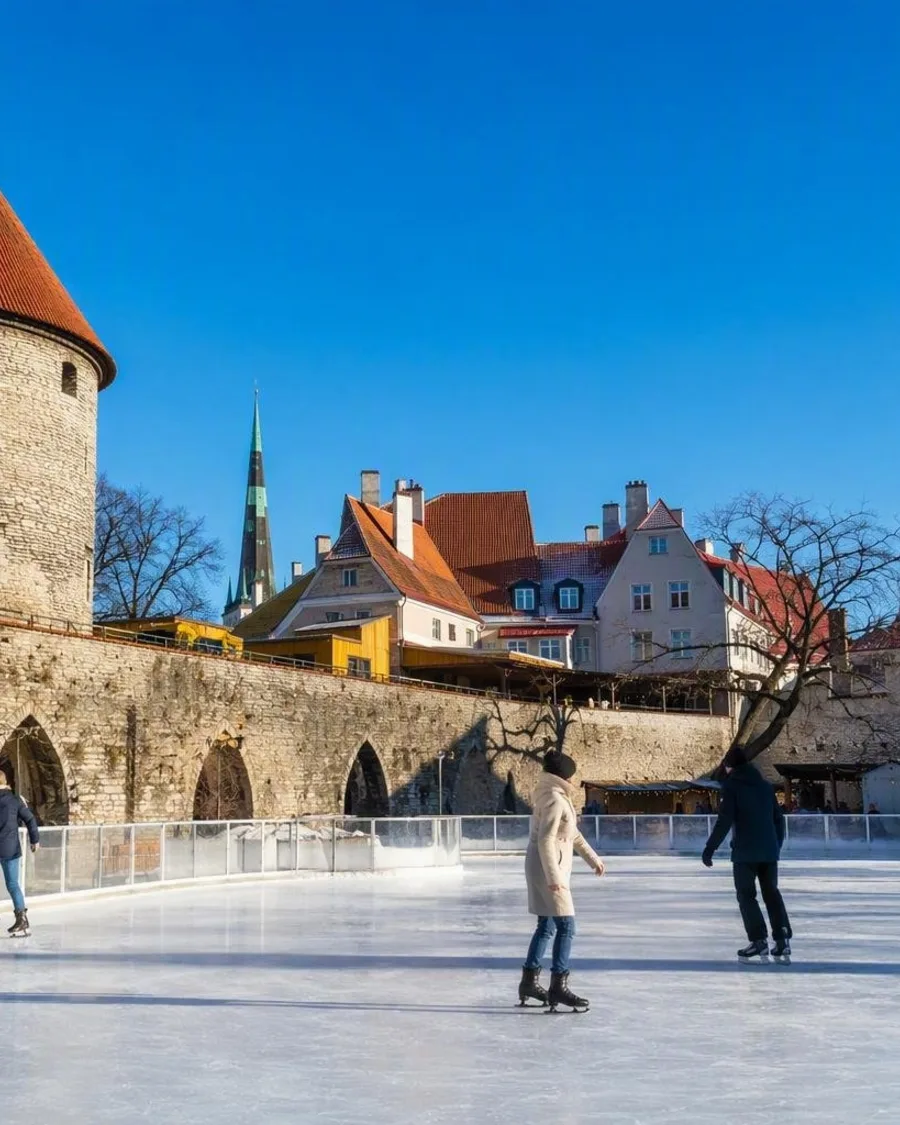
Eight cities where winter changes the streets
Tallinn’s medieval lanes, Tromsø’s blue midday twilight and Kyoto’s frost-bright temple steps belong to the cold months. In these eight cities, winter changes how public spaces look, how residents use them and what visitors can see.
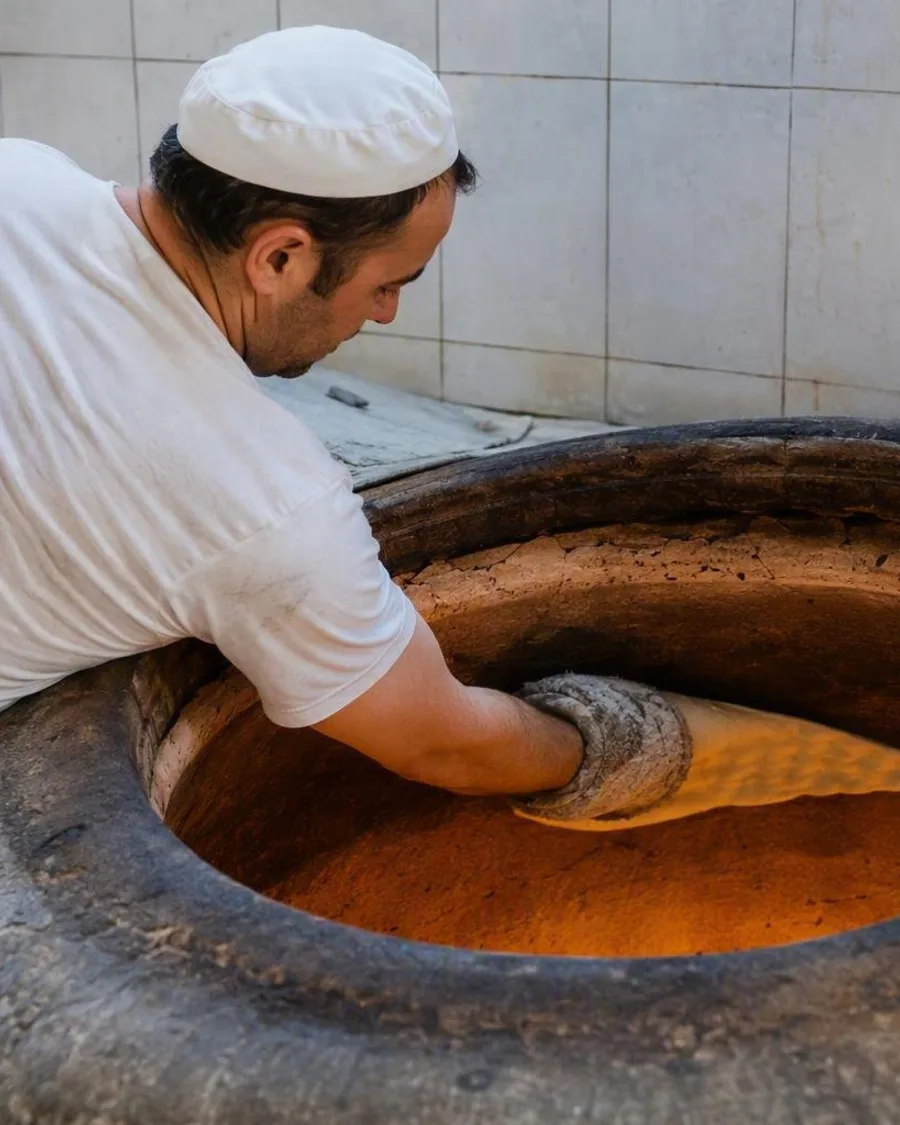
Ten places where local bread is still made by hand
Bread shows the daily work behind a neighbourhood meal: a household’s marked dough at a Marrakesh communal oven, dark rye beside sourdough in Copenhagen, and bolillos from brick ovens in Mexico City. These ten working addresses and market settings sell local bread made through distinct local practices.
Routes from our editors
Travel through Copenhagen
Editorial routes connecting Copenhagen with other countries, cities and hotspots.
No routes through Copenhagen have been published yet.
More in Denmark
Related hotspots
Other cities, nature areas and places within Denmark.