Eight cities where winter changes the streets
Tallinn’s medieval lanes, Tromsø’s blue midday twilight and Kyoto’s frost-bright temple steps belong to the cold months. In these eight cities, winter changes how public spaces look, how residents use them and what visitors can see.
Tallinn: the hill and the harbour
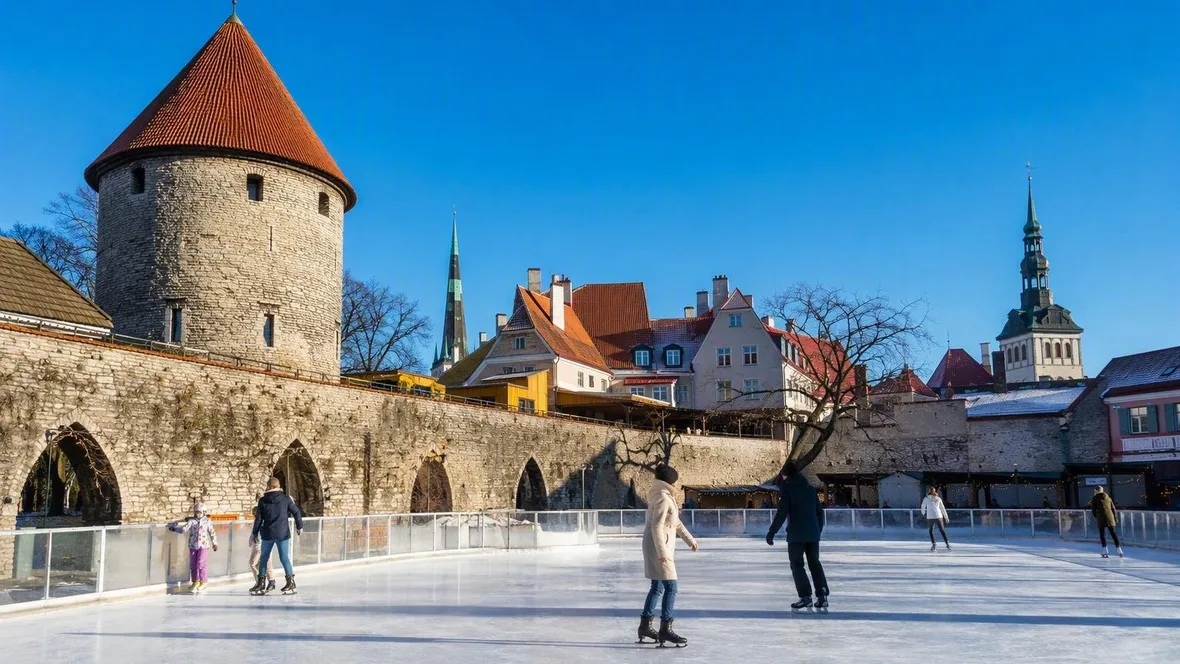
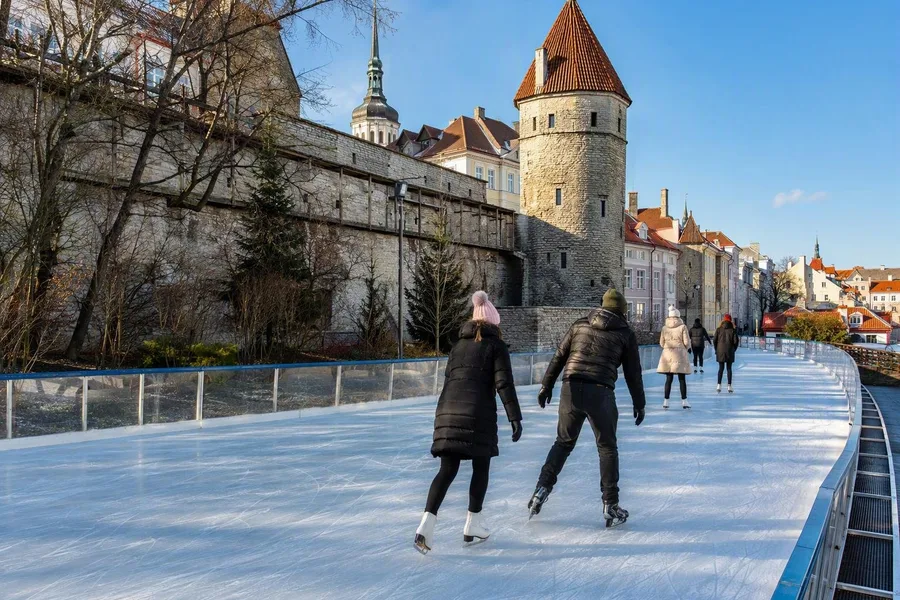 Skaters circle the outdoor rink on Harju Street among Tallinn’s medieval buildings.
Tallinn begins with stone and height. Toompea, the old administrative quarter, stands on a limestone hill above a compact lower town built by merchants; church towers and sections of city wall still define the view from land and the Baltic Sea.
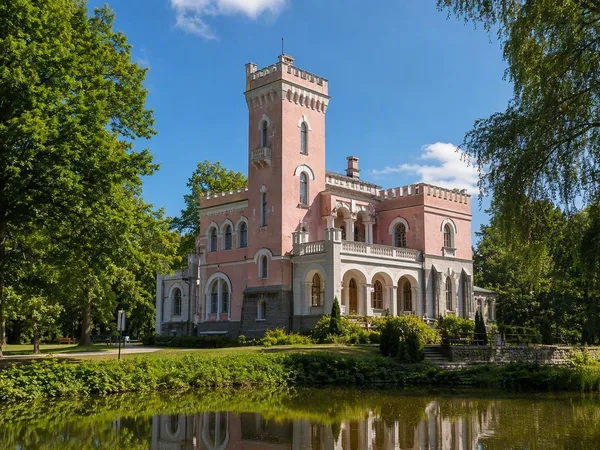
Below, narrow streets follow plots laid out between the 13th and 16th centuries, past guild buildings, merchants’ houses and churches. Snow can cover the roofs and lanes, but Baltic wind, thaws and fresh falls mean the city does not stay neatly white for months. On Harju Street, skaters circle an outdoor rink among medieval buildings. Farther south, cross-country trails run through Nõmme’s pine woods. Tallinn keeps its old commercial core in use, with a proper winter forest close by.
Vienna: cold along the Ringstraße
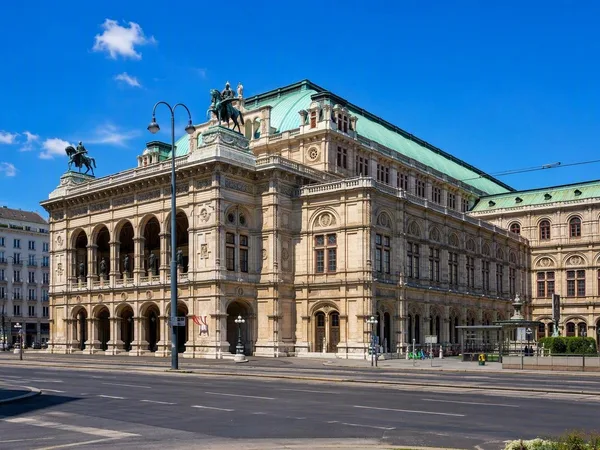
Vienna’s broadest winter stage dates from the 19th century. The Ringstraße was laid out from 1857 to connect the old imperial centre with expanding suburbs, and it gathered the opera, museums, parliament, city hall and university along one grand curve.
Neo-Renaissance, neo-Gothic and neo-Baroque façades gave newer public buildings the gravitas of older styles. Temperatures sit around freezing, and snow more often dusts parks, trees and roofs than buries the streets. Markets and ice rinks put that cold to use. Behind the MuseumsQuartier, Spittelberg narrows the scale: Biedermeier houses, galleries, cafés and bars line streets where the annual Christmas market sits within a working neighbourhood. Vienna can do monumental. It can also do a short street and a glass of something warm.
Tromsø: the blue hours
From late November to mid-January, the sun does not rise above Tromsø’s horizon. Around midday, blue-grey twilight reaches the streets and snow reflects the thin light, while street lamps remain prominent.
The city stands on an island between sounds, fjords and mountains, so water and steep ground stay in view between the buildings. Its centre mixes 19th-century wooden merchants’ houses and workers’ homes with art nouveau, concrete and newer architecture. Much of the timber city survived the Second World War, including Norway’s only Protestant cathedral built entirely of wood.
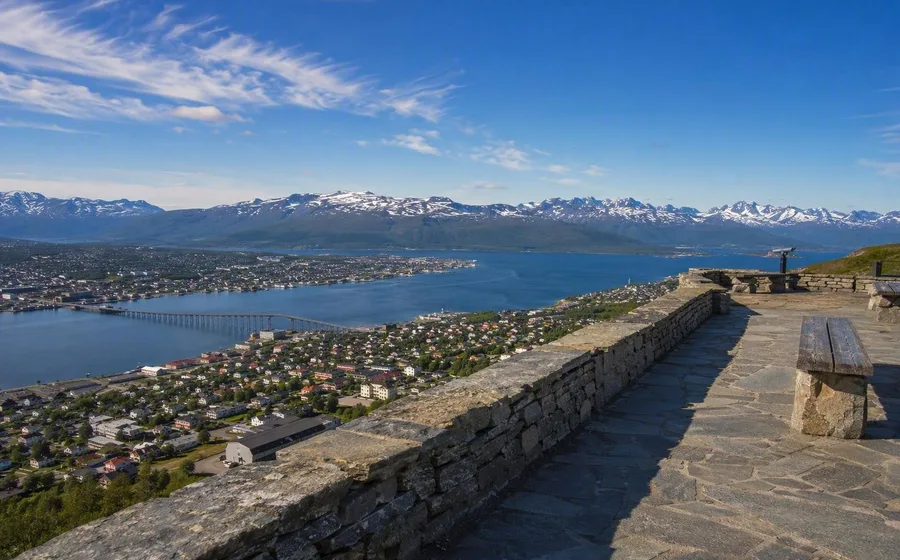
Across the water, the cable car reaches Storsteinen at 421 metres in four minutes, opening a view over the island, strait and surrounding peaks. Fjord wind can make temperatures between –5 and –1°C feel sharper, and freezing rain can glaze the pavements. On 21 January, residents celebrate the returning sun after roughly two months below the horizon.
Reykjavík: hot water by the sea
Reykjavík grew late and low. Farms gave way to wool workshops in the 18th century, then to small houses and fishing huts as the settlement expanded in the 19th century. The coast, mountains and open sky still sit close to the compact centre.
December and January bring only four to five hours of daylight. Rain, snow and hard wind can alternate quickly, so wet pavements and icy patches are more likely than a fixed white blanket. The city uses geothermal water to heat pools and baths that form part of daily social life. At Nauthólsvík, swimmers can leave the sea for a shared warm pool beside the beach.
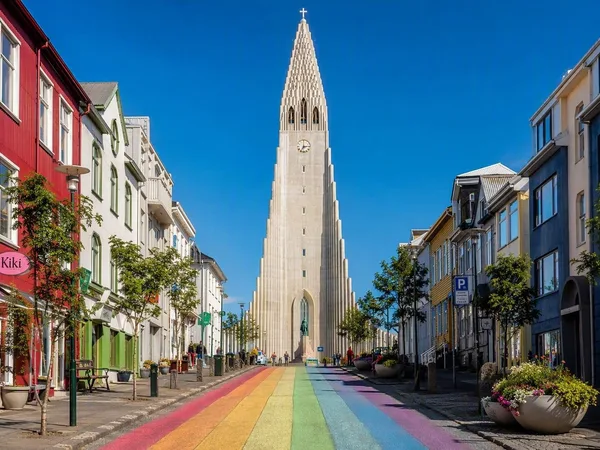
Hallgrímskirkja takes its form from basalt lava columns, while Harpa’s glass skin refers to basalt landscapes and catches changing light by the waterfront. Those are not flimsy winter landmarks. They suit a city built beside a cold ocean and warmed from below.
Edinburgh: Hogmanay on wet stone
Edinburgh’s winter is damp rather than reliably snowy. January averages 7.3°C by day and 1.7°C at night, and December brings only about 49 hours of sunshine. Rain darkens the old stone; frost appears often enough to sharpen the climb through the Old Town.
Around New Year, Hogmanay changes the use of those streets. From 29 December to 1 January, the Torchlight Procession travels from The Meadows through the Old Town with torches, pipe bands, drummers, fire acts and street theatre. Ceilidhs put social dances such as the Gay Gordons and Strip the Willow to live music, while First Footin’ brings free performances to pubs, cafés and other venues on 1 January.
Below the castle, East Princes Street Gardens hold winter stalls and a Ferris wheel. George Street’s seasonal rink cuts across the ordered New Town grid. Edinburgh may decline the postcard snow. It has other methods.
Copenhagen: harbour water and bakery glass
Copenhagen’s winter is wet, windy and often close to freezing. Snow commonly turns to slush, and cyclists remain part of the street scene through the cold months.
At Islands Brygge, a former working harbour edge now holds homes, footbridges and a public bathing area opposite the centre. Winter swimmers use the water there, while a wood-fired sauna at nearby La Banchina follows a cold harbour dip. The waterfront shows how a working edge became part of ordinary city life.
February provides its own calendar. Bakeries fill their windows with fastelavnsboller, the varied cream-filled cakes associated with Fastelavn. Copenhagen Light Festival places installations on façades, squares and canals, and Winter Jazz spreads concerts from larger venues to wine bars. Nobody appears to have told the bicycles that this is a quiet season.
Prague: skates and carnival masks
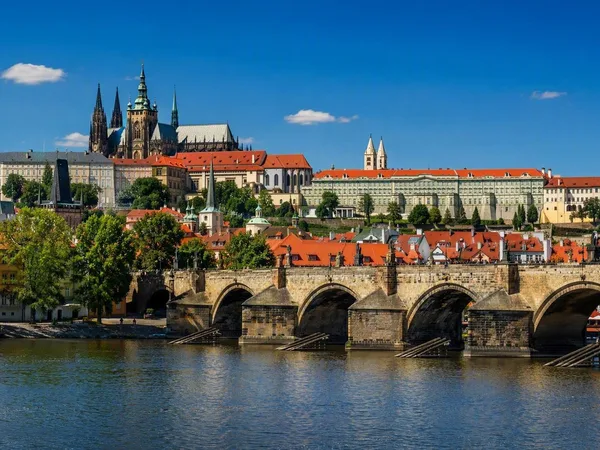
Cold gathers beside the Vltava and around Prague Castle. Winter days often sit between 0 and 5°C, while wind by the river and castle makes the air feel colder; rain or snow can turn old cobbles slick.
Ovocný trh keeps movement at street level with a seasonal rink beside the historic Estates Theatre. Later in winter, Masopust replaces December market stalls with masked neighbourhood processions, music, dancing and substantial food before Lent. In Žižkov, the procession runs from Jiřího z Poděbrad via the town hall towards Radost Park; another route crosses Malá Strana towards Kampa.
The city’s old façades need little assistance. A procession of masks supplies enough theatre.
Kyoto: first prayers and open halls
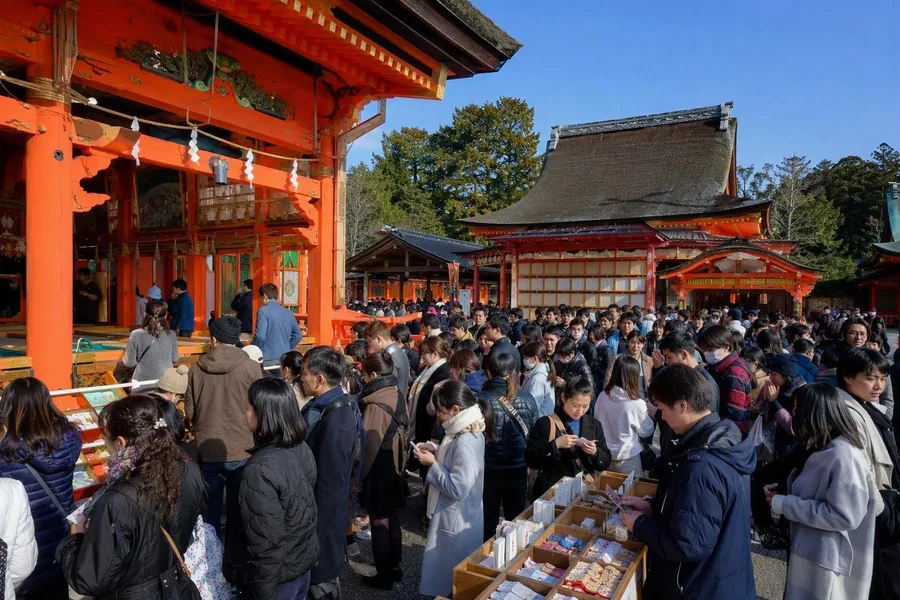 Visitors pray and draw fortune slips at a Kyoto shrine during hatsumōde.
Kyoto lies in a basin enclosed by mountains, which intensifies cold winter mornings. January averages 9.1°C by day and 1.5°C at night; frost can make stone steps and wooden temple verandas slippery, though snow rarely stays long in the centre.
In the first days of January, hatsumōde brings large crowds to shrines for the year’s first prayers. Visitors see lines of people praying, buying amulets and drawing fortune slips. Early February brings Setsubun, when roasted beans are thrown to drive out misfortune. Yasaka Shrine and Heian Jingū have included dances, demon rituals and bean throwing in their observances.
Winter also opens rooms that stay closed for much of the year. Daitoku-ji admits visitors to its Dharma Hall and sutra repository, while Kōdai-ji displays golden sliding-door paintings in its reconstructed reception hall. Beneath Daitoku-ji’s painted dragon, a clap rises to the rafters and comes back as an echo.
Practical note: Book Edinburgh Castle online; winter last entry is 16.00, and the castle closes on 25 and 26 December. Reykjavík’s Blue Lagoon uses reserved time slots and closes earlier on Christmas Eve and New Year’s Eve. Prague Castle’s grounds remain open longer than its historic buildings, which close at 16.00 in winter. Kyoto’s winter special openings run from 9 January to 18 March at selected sites, with hours varying by location.
Keep exploring
Places in this story
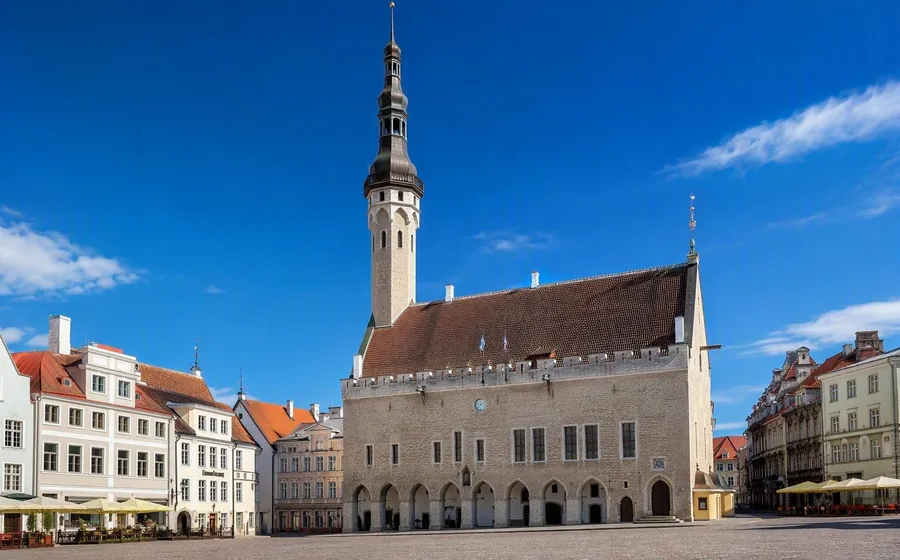
Tallinn
Tallinn, Estonia’s Baltic capital, combines a UNESCO-listed medieval Old Town with parks, former industrial quarters and a working ferry port. Its defining geography is the divide between mercantile Lower Town and hilltop Toompea.
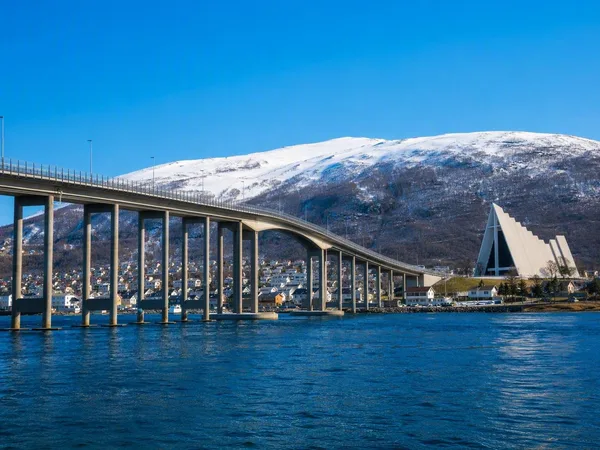
Tromsø
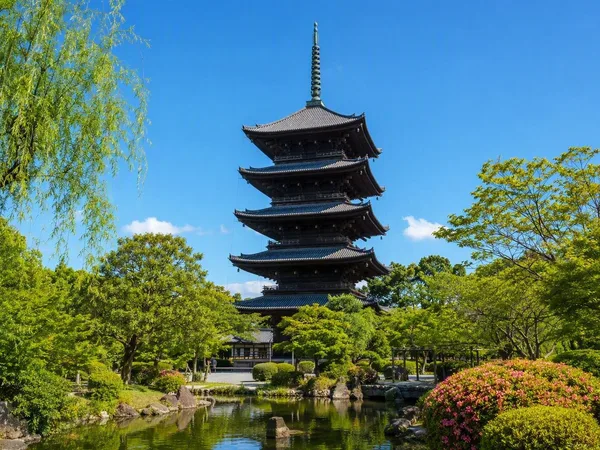
Kyoto
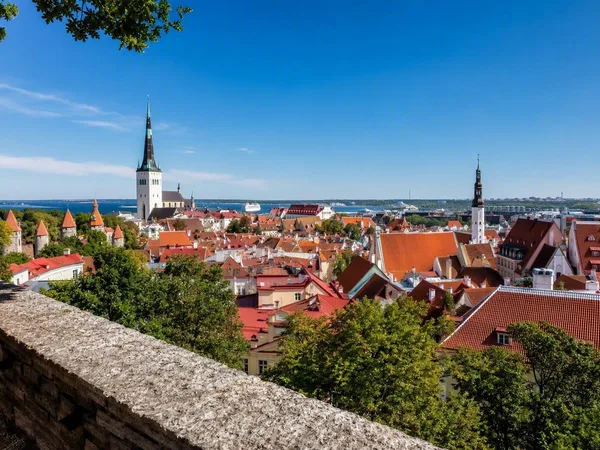
Toompea, Tallinn’s Upper Town
Nõmme
Vienna
Storsteinen
Storsteinen is the 421-metre mountain ledge above Tromsdalen, on Tromsø’s mainland side. It is the upper station of the Fjellheisen cable car and a direct viewpoint over Tromsøya, Tromsøysund and the surrounding mountains.
Reykjavík
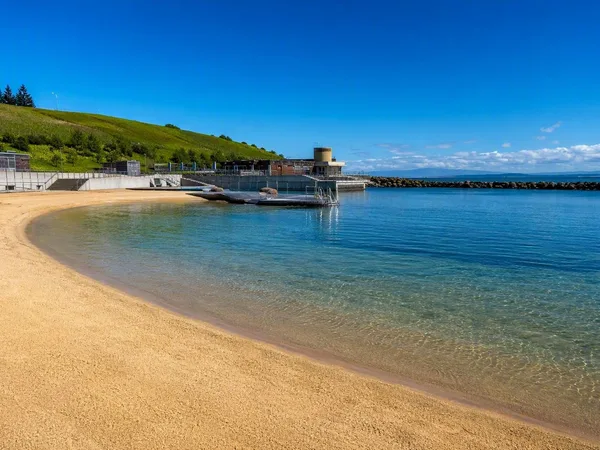
Nauthólsvík Geothermal Beach
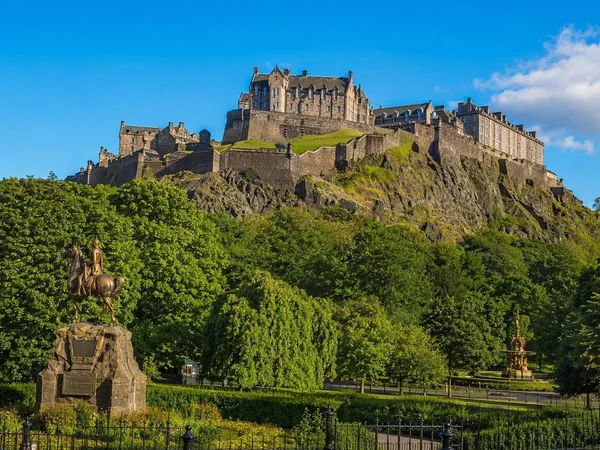
Edinburgh
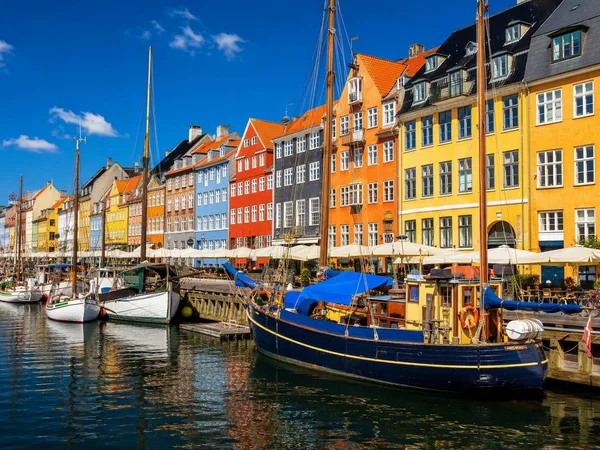
Copenhagen