City · Czechia
Prague
Prague is the Czech capital on the Vltava River, where the castle hill, Lesser Town, Old Town and New Town form a dense historic core. Tram 22 is a useful spine between the castle district and the city beyond.
Get the layout right
Prague is divided by the Vltava. Hradčany and Malá Strana sit on the west bank below Prague Castle; Staré Město (Old Town), Josefov and Nové Město (New Town) spread across the east bank. The historic centre also includes Vyšehrad to the south.
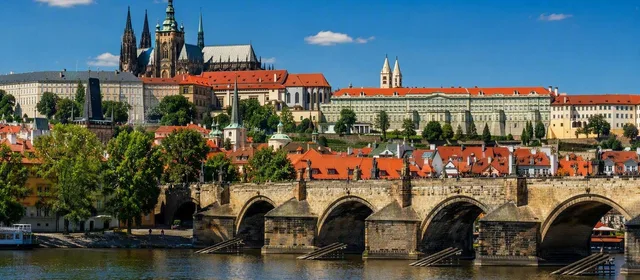
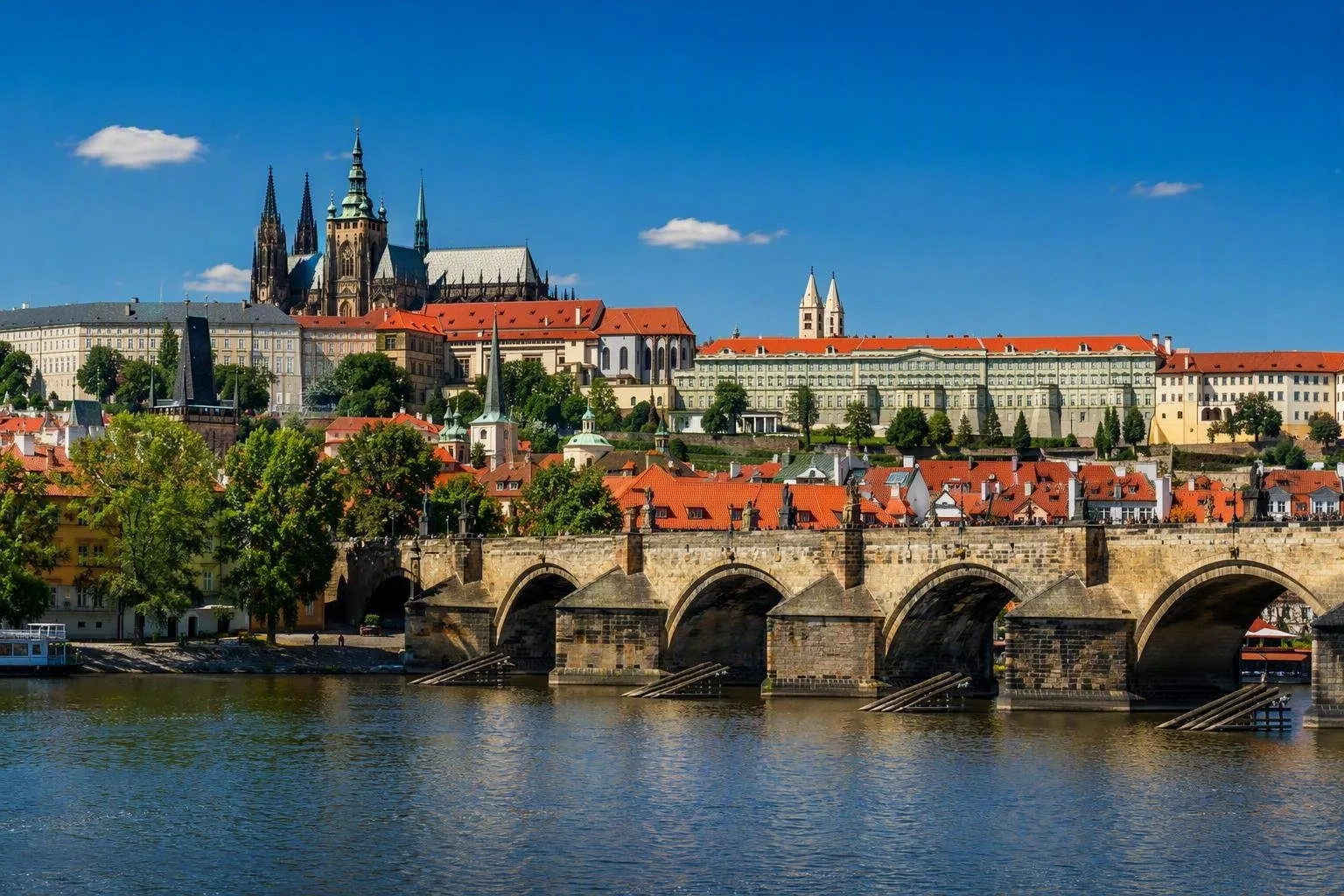
Use the river and its bridges to stay oriented. Charles Bridge links Old Town and Lesser Town, while the streets behind it climb sharply toward the castle. Cobblestones, slopes and steps are routine in the western historic districts.
The essential historic core
Start at Old Town Square. Its major landmarks include the Old Town Hall, the astronomical clock, the Church of Our Lady before Týn, St Nicholas Church and the Jan Hus monument. The astronomical clock’s apostles appear hourly from 08:00 to 23:00.
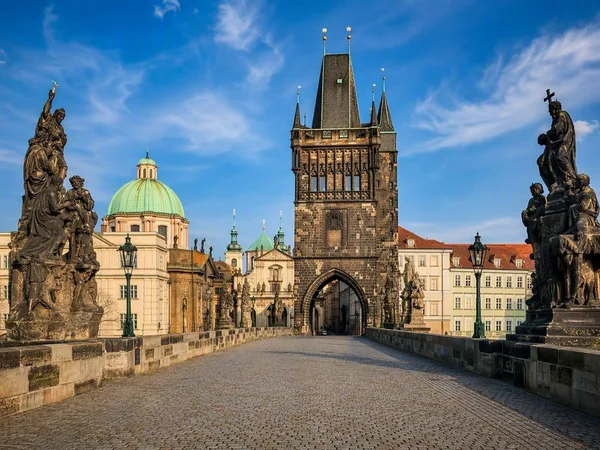
Walk west through Old Town to Charles Bridge. Construction began in 1357 and finished in 1402; the sandstone bridge is framed by fortified towers and lined with 30 saint statues. It is a crossing, not a tram route, so continue on foot into Lesser Town.
From Malá Strana, tackle the castle hill early or use public transport. Prague Castle is a large complex rather than a single building; allow time for its courtyards, St Vitus Cathedral and the surrounding Hradčany streets.
Ride tram 22 downhill
For a practical cross-section of the city, board tram 22 around Pohořelec and travel toward the centre. The line serves the castle area, Malostranská, Staroměstská, the National Theatre area, Karlovo náměstí, I. P. Pavlova, Náměstí Míru and districts farther east. Routes and temporary diversions change, so follow the destination display rather than assuming every service runs the full line.
Useful stops:
- Pohořelec: a downhill approach through Hradčany toward the castle.
- Malostranská: metro Line A, Lesser Town and the castle stairs.
- Staroměstská: Old Town and the north end of Charles Bridge.
- Národní divadlo: National Theatre and the riverfront.
- Náměstí Míru: Vinohrady and its broad 19th-century streets.
Move around efficiently
The metro has three colour-coded lines: A (green), B (yellow) and C (red). For short distances in the historic centre, walking is often faster than waiting for a tram; use trams for the hills and longer links.
Tickets are time-based and valid across metro, tram and bus, with transfers included. Buy before boarding, validate paper tickets once at the start of the journey, and do not stamp them again. Contactless tram terminals issue tickets that do not need stamping. Trams have priority at pedestrian crossings.
Timing and access
Old Town Square and Charles Bridge are busiest during the middle of the day. Go early for clearer sightlines and easier movement through the narrowest streets. Castle access can be approached by tram: the Pražský hrad stop is normally the direct option, while Pohořelec gives a downhill walk; track works can alter these access points.
Many historic structures have stairs and uneven surfaces. The Old Town Hall tower has an elevator option, but the Old Town Bridge Tower requires 138 steps and is not barrier-free.
From the magazine
Stories about Prague
Editorial stories linked directly to Prague.
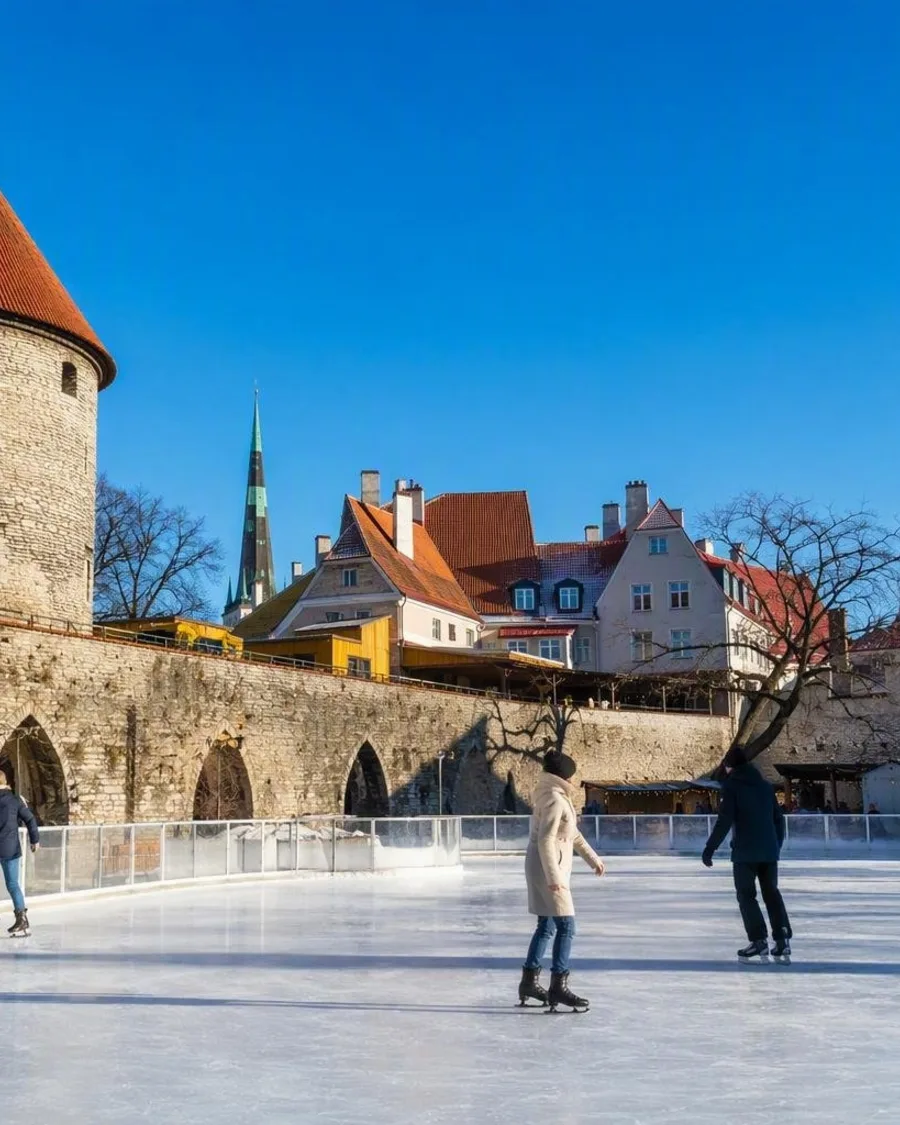
Eight cities where winter changes the streets
Tallinn’s medieval lanes, Tromsø’s blue midday twilight and Kyoto’s frost-bright temple steps belong to the cold months. In these eight cities, winter changes how public spaces look, how residents use them and what visitors can see.
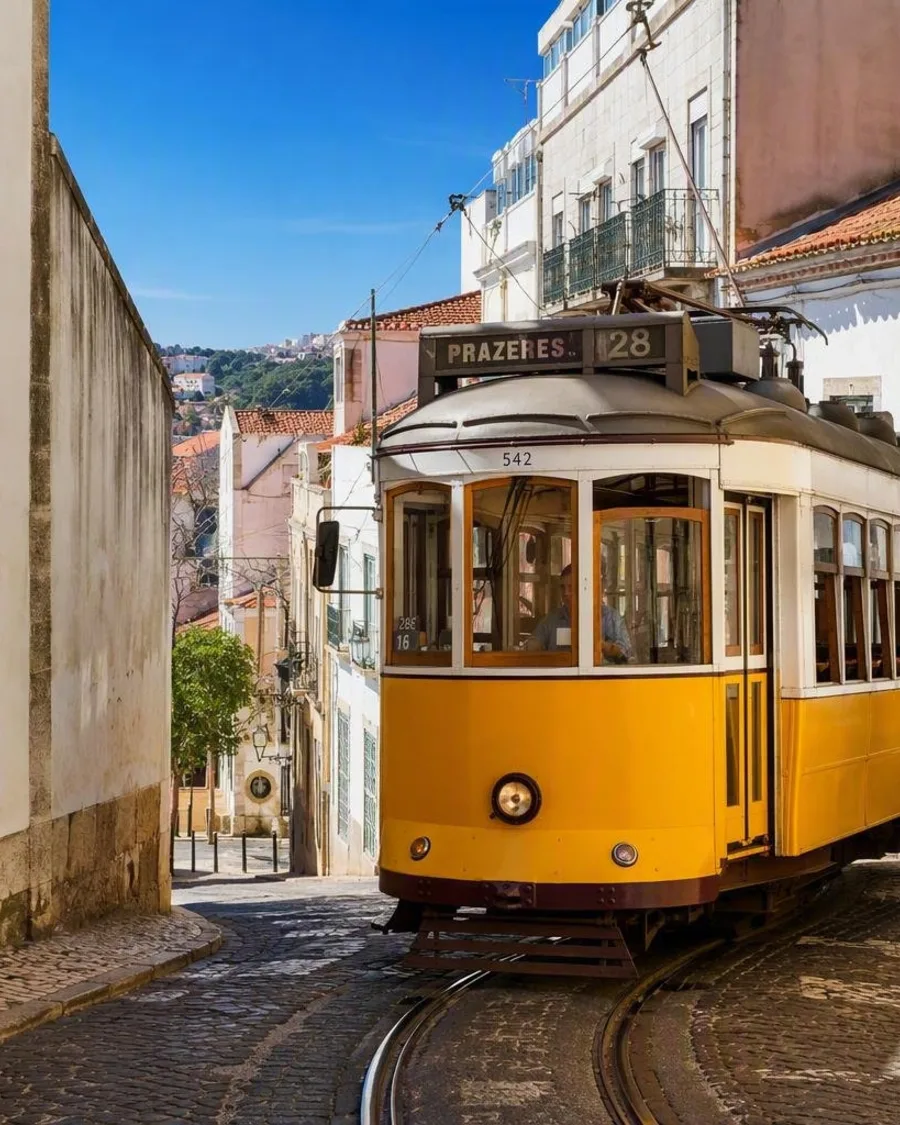
Eight European cities best read from a tram window
A good tram route does more than join landmarks. It follows the grades, quays and street plans that shaped a city, then leaves enough time to see them from a seat by the window. These eight rides turn everyday public transport into a clear route through the urban grain.
Routes from our editors
Travel through Prague
Editorial routes connecting Prague with other countries, cities and hotspots.
No routes through Prague have been published yet.
More in Czechia
Related hotspots
Other cities, nature areas and places within Czechia.