
City · United Kingdom
Edinburgh
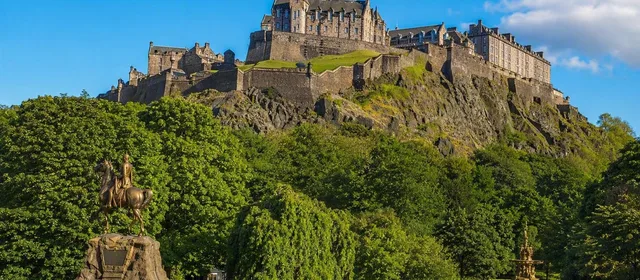
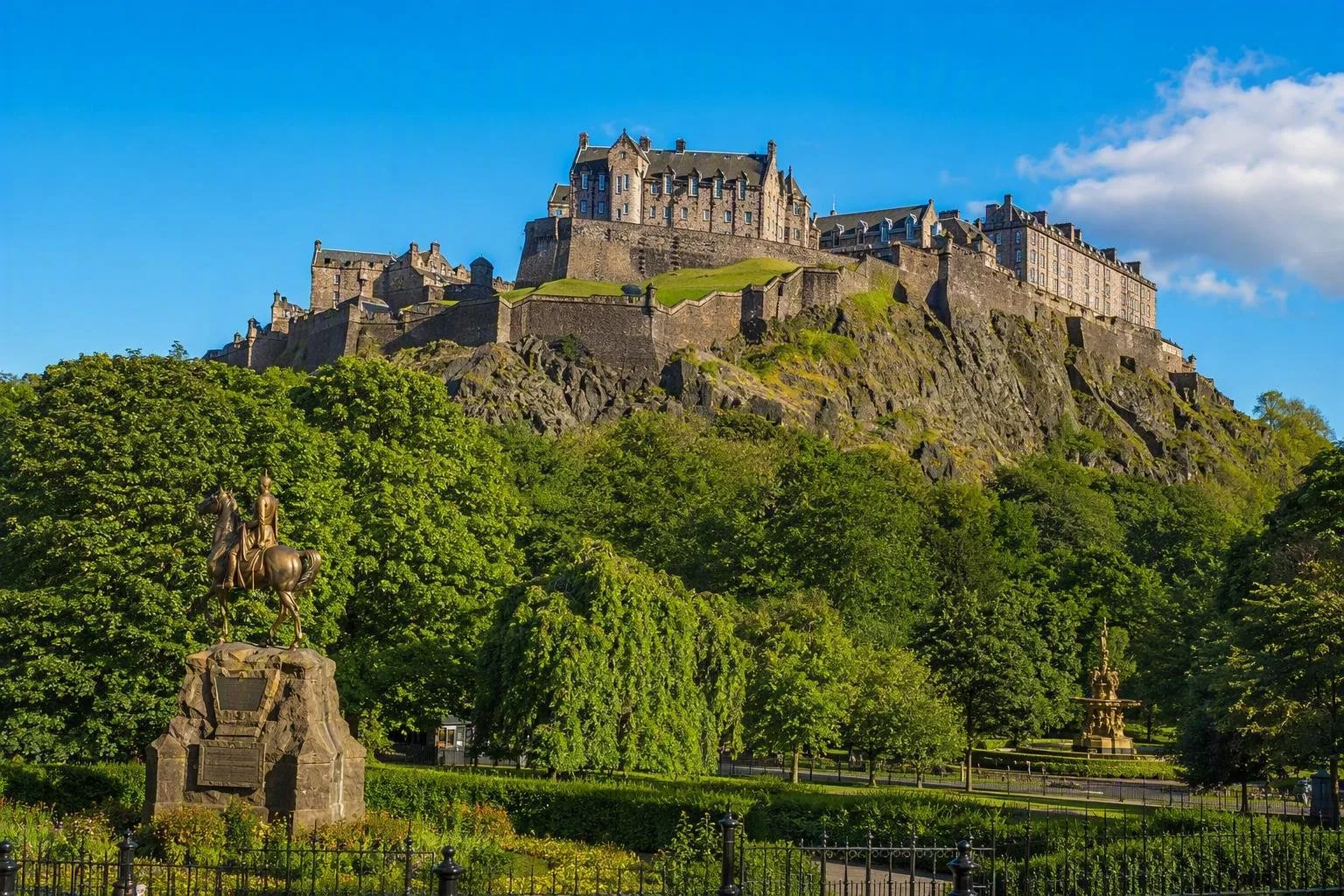
Edinburgh is Scotland’s capital, set on the Firth of Forth and shaped by volcanic landforms. Its medieval Old Town and planned Georgian New Town form a World Heritage city centre.
Read the city’s two halves
Edinburgh works because its historic core has two sharply different forms. The Old Town runs along a high ridge from Edinburgh Castle to the Palace of Holyroodhouse: dense stone tenements, steep lanes known as closes, and the Royal Mile as its spine. North of the valley, the New Town is a disciplined Georgian grid of neoclassical terraces, squares and gardens.
Start in the Old Town for the close-packed medieval street pattern; cross via the Mound or North Bridge for the formal streets and broader views of the New Town. The contrast is the point, not a detour.
The essential walk
Walk the Royal Mile downhill, from Castlehill to Holyrood. Allow a half-day if you want to step into churches, museums or closes rather than simply cover the distance.
- Edinburgh Castle: the fortress sits on Castle Rock at the top of the Mile. Allow at least two hours inside for the principal buildings, memorials and ramparts.
- High Street: pause at St Giles’ Cathedral, then use the narrow closes leading off either side to understand the Old Town’s vertical layout.
- Canongate and Holyrood: continue east past the Scottish Parliament to the Palace of Holyroodhouse and the edge of Holyrood Park.
For the classic city panorama, take the short climb up Calton Hill. It puts the Old Town ridge, the castle, Arthur’s Seat and the Firth of Forth in one frame.
Beyond the Royal Mile
Use a second day for the New Town. Walk from Princes Street through St Andrew Square and along George Street to Charlotte Square; the regular street plan and pale ashlar façades are deliberate counterpoint to the Old Town.
For a quieter route, follow the Water of Leith through Dean Village and towards Stockbridge. It is a useful change from the ridge-and-stair geography of the centre. Arthur’s Seat is the city’s major hill walk; it is exposed, rocky in places and much more demanding than Calton Hill.
Arrival and getting around
Edinburgh Waverley is the central rail arrival, below the Old Town; Edinburgh Castle is about 0.4 miles away, uphill. Edinburgh Trams link the airport with the city centre, and the nearest stop for the castle is Princes Street. Buses through the Old Town are useful for avoiding the steepest climbs, but central Edinburgh is best handled on foot.
Do not bring a car for the historic centre. There is no public parking at the castle, while cobbles, stairs and one-way streets make driving poor value. Wear shoes with grip: wet stone and steep closes are routine, not exceptional.
Castle timing and access
Buy a timed Edinburgh Castle ticket before visiting in busy periods; online allocations can sell out. The castle is generally open 9.30–18.00 from April to September and 9.30–17.00 from October to March, with last entry one hour before closing. It is closed on 25 and 26 December.
The site has cobbled slopes, steps and a steep curved route. A mobility vehicle and manual wheelchairs are available, but not every historic area is step-free. Large rucksacks of 30 litres or more and suitcases are not permitted, and there is no luggage storage.
From the magazine
Stories about Edinburgh
Editorial stories linked directly to Edinburgh.
Routes from our editors
Travel through Edinburgh
Editorial routes connecting Edinburgh with other countries, cities and hotspots.
No routes through Edinburgh have been published yet.
More in United Kingdom
Related hotspots
Other cities, nature areas and places within United Kingdom.
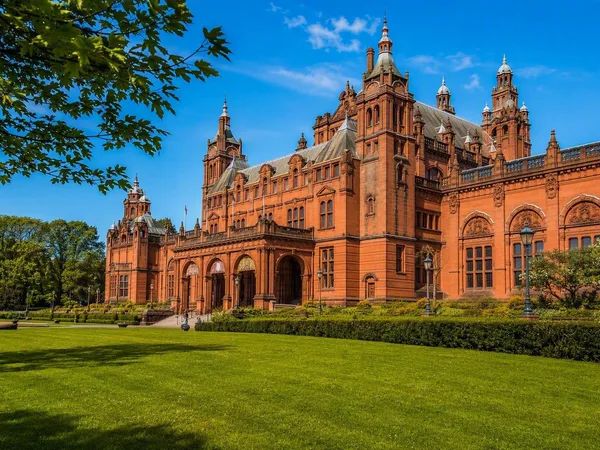
Glasgow
1 linked stories and routes
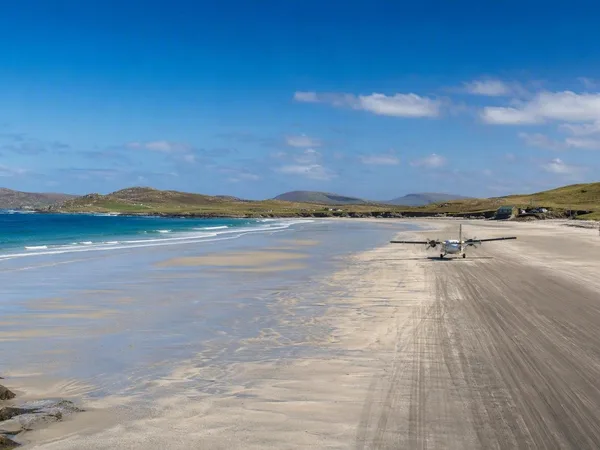
Outer Hebrides
1 linked stories and routes
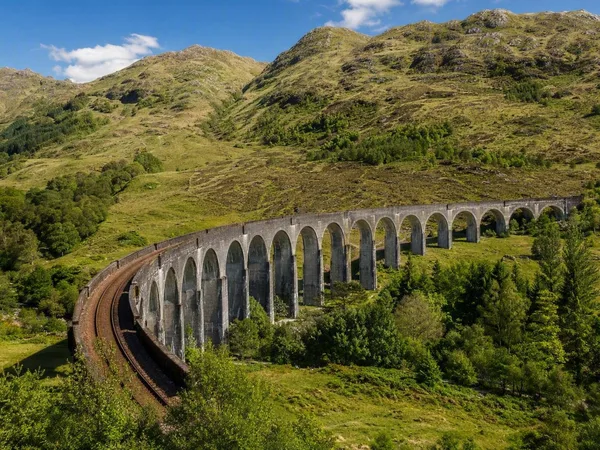
West Highland Line
1 linked stories and routes
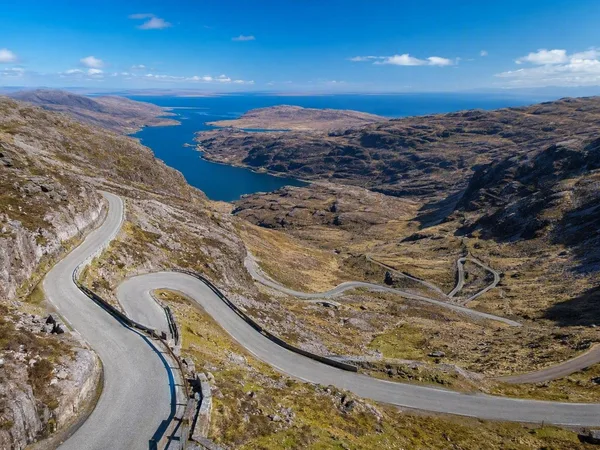
North Coast 500
1 linked stories and routes
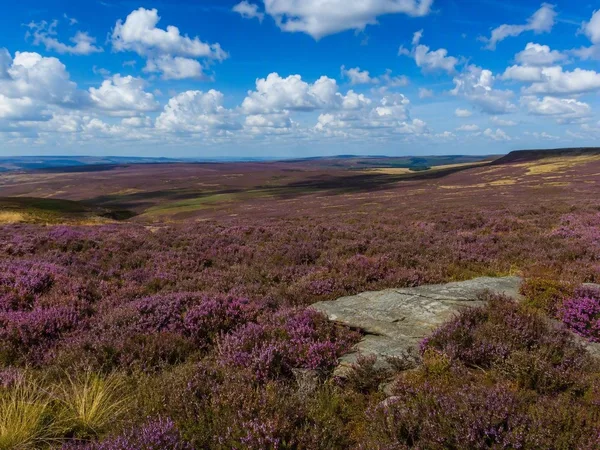
North York Moors National Park
1 linked stories and routes
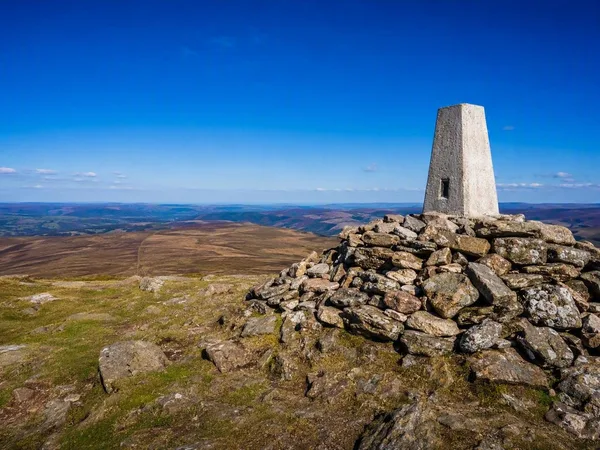
Exmoor National Park
1 linked stories and routes
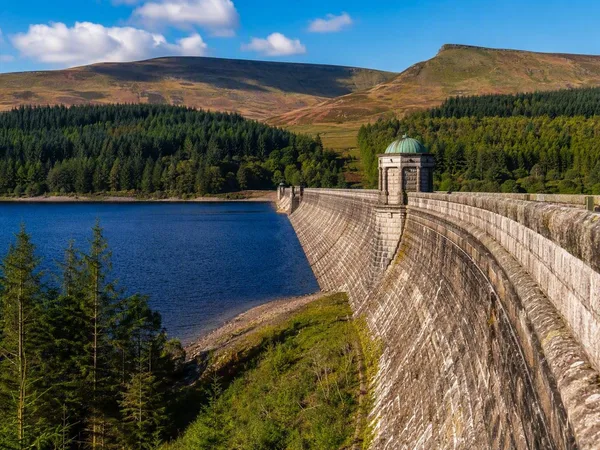
Bannau Brycheiniog National Park (Brecon Beacons)
1 linked stories and routes
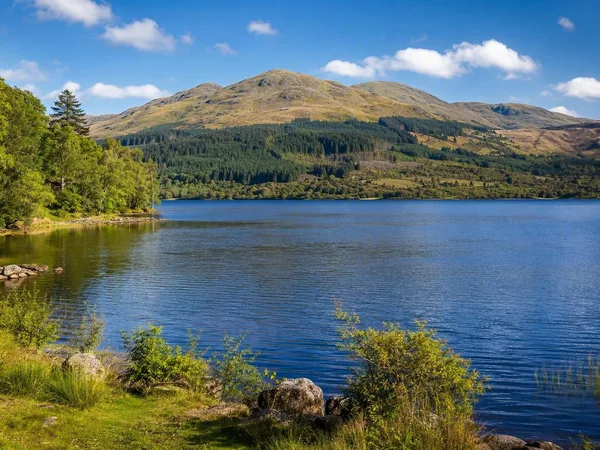
Galloway, Scotland
1 linked stories and routes
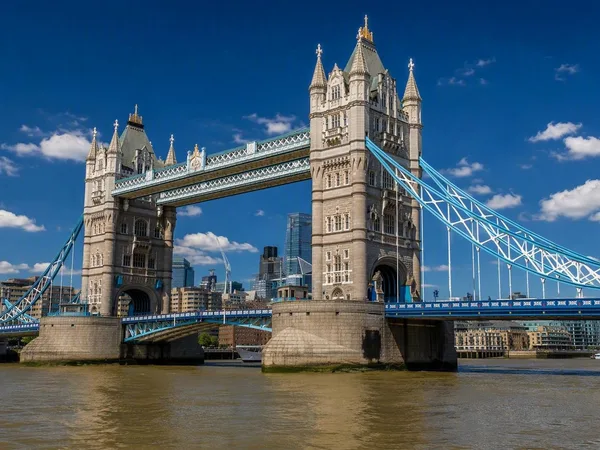
Tower Bridge
1 linked stories and routes
Mallaig
0 linked stories and routes