
City · United Kingdom
Glasgow
Glasgow is Scotland’s largest city, on the River Clyde in western Scotland. Its compact centre, Victorian civic architecture, free museums and West End make it an effective base before or after the West Highland Line.
The shape of the city
Glasgow is best tackled in distinct districts rather than as one long sightseeing walk. The city centre is the transport and shopping core, arranged on a straightforward street grid. Merchant City lies to its east; the Cathedral Precinct and Necropolis sit farther east again. The West End spreads around Kelvingrove, the University of Glasgow and Byres Road, while the Clyde draws the city south and west.
Glasgow Queen Street and Glasgow Central are separate main stations. Queen Street is the practical departure point for ScotRail’s West Highland Line towards Fort William and Mallaig.
Start with the centre and east end
Use George Square as a civic landmark, then walk through Merchant City’s former commercial streets towards Glasgow Cathedral. The cathedral is a major medieval survival; behind it, the Glasgow Necropolis climbs a hillside of Victorian monuments and gives a clear view back to the church and skyline.
For an indoor stop in the centre, the Gallery of Modern Art occupies Royal Exchange Square. The city-centre mural trail is a useful connective walk between these areas rather than a destination needing a fixed route.
West End: art, university and gardens
The West End makes the strongest half-day on foot.
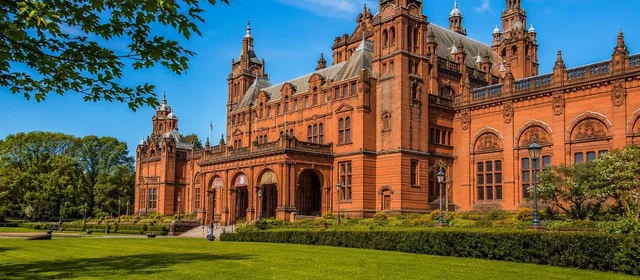
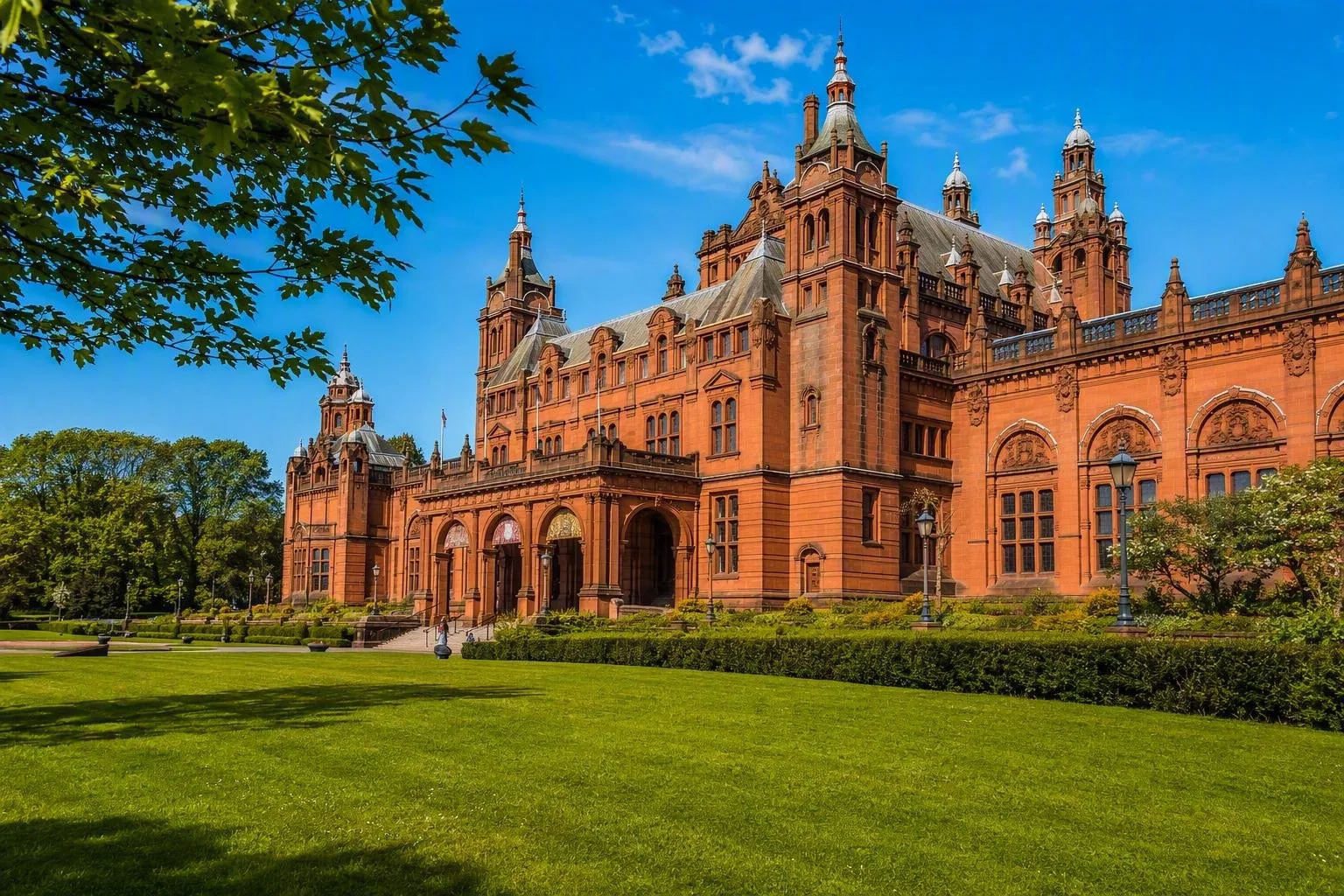
- Kelvingrove Art Gallery and Museum is free to enter. Its red-sandstone building holds art, natural-history and design collections, including Salvador Dalí’s Christ of Saint John of the Cross.
- Cross Kelvingrove Park and climb to the University of Glasgow’s Gilmorehill buildings. The cloisters and Gothic Revival tower are the defining architectural stop here.
- Continue via Byres Road and Ashton Lane to the Glasgow Botanic Gardens. Kibble Palace, the Victorian glasshouse, is the key structure.
Give Kelvingrove enough time; its collection is too broad for a quick lap. The daily organ recital is worth timing if it fits your visit.
Clyde and industrial Glasgow
At the meeting of the Kelvin and Clyde, the Riverside Museum presents Glasgow through transport, engineering and shipbuilding. The angular building is as much a landmark as its trams, trains and recreated street. The Clyde-built sailing ship Glenlee is berthed beside it.
For a second museum day, head south to the Burrell Collection in Pollok Country Park. Its galleries range across medieval, Chinese and Islamic art, with paintings and sculpture, and the park adds woodland walks to the visit.
Getting around
Walk within each district; use public transport to bridge the gaps. The Subway’s 15-station circle links the city centre and West End in about 24 minutes for a full circuit. Contactless payment is accepted; use the same card or device when entering and leaving.
Sunday constraint: Subway hours are markedly shorter than Monday–Saturday. It runs from 10:00 to 18:12 on Sundays, so do not rely on it for a late return. For routes beyond the circle—such as Pollok Country Park—use suburban rail or buses.
From the magazine
Stories about Glasgow
Editorial stories linked directly to Glasgow.
Routes from our editors
Travel through Glasgow
Editorial routes connecting Glasgow with other countries, cities and hotspots.
No routes through Glasgow have been published yet.
More in United Kingdom
Related hotspots
Other cities, nature areas and places within United Kingdom.
Outer Hebrides
1 linked stories and routes
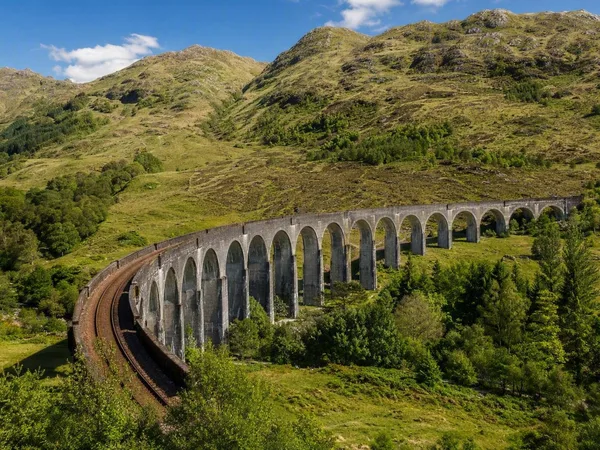
West Highland Line
1 linked stories and routes
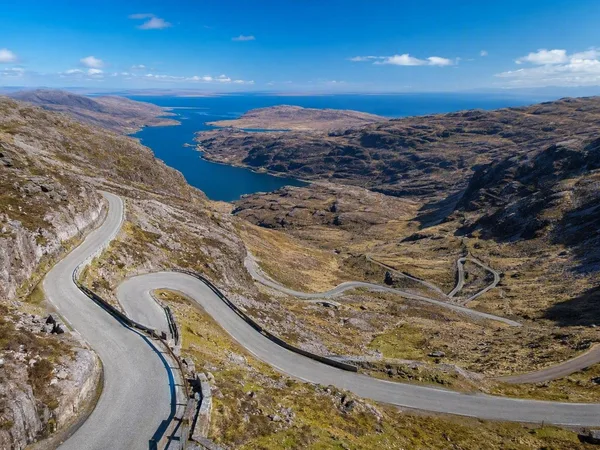
North Coast 500
1 linked stories and routes
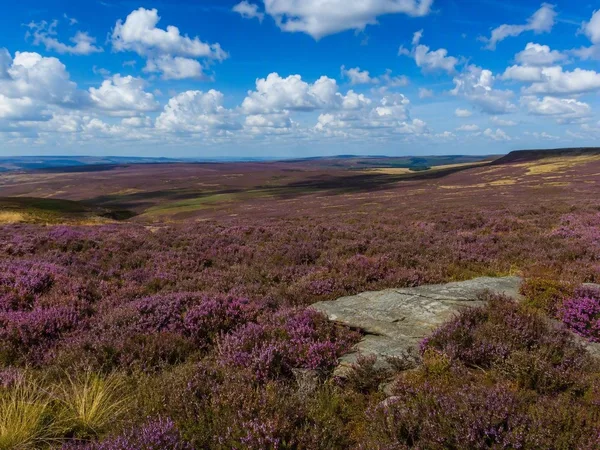
North York Moors National Park
1 linked stories and routes
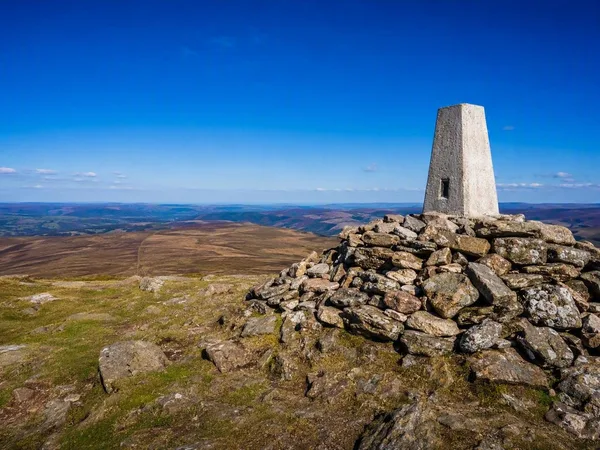
Exmoor National Park
1 linked stories and routes
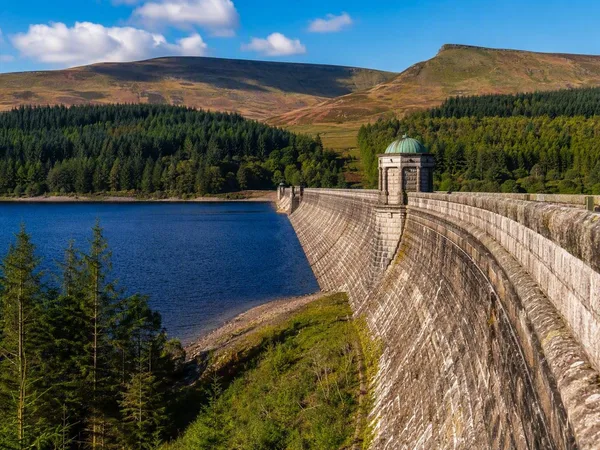
Bannau Brycheiniog National Park (Brecon Beacons)
1 linked stories and routes
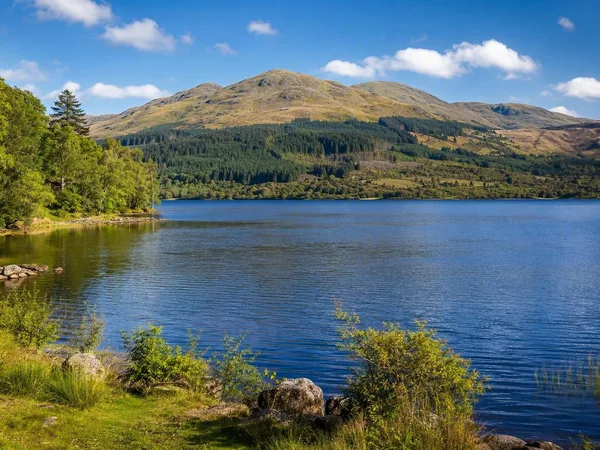
Galloway, Scotland
1 linked stories and routes
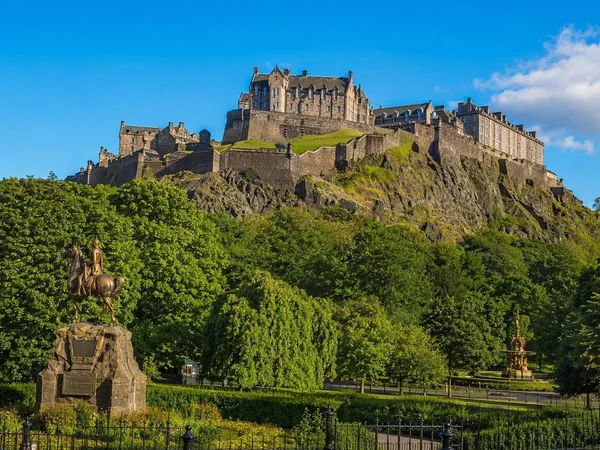
Edinburgh
1 linked stories and routes
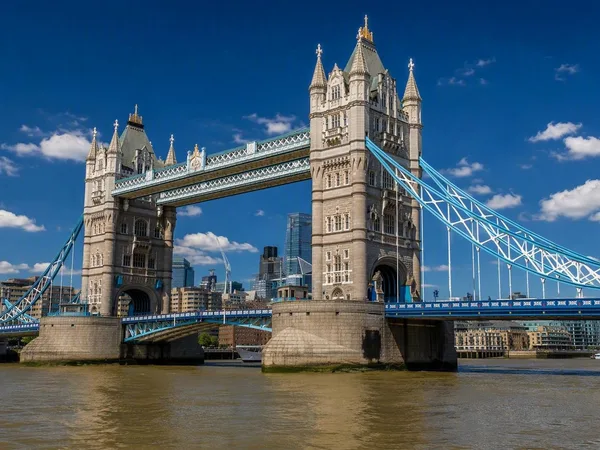
Tower Bridge
1 linked stories and routes
Mallaig
0 linked stories and routes