
Region · United Kingdom
Outer Hebrides
The Outer Hebrides are a 210km-long island chain off Scotland’s north-west coast, running from Barra through the Uists and Harris to Lewis. This is a place of Atlantic beaches, peat moor, crofting townships and ferry-linked roads.
The long island chain
The Outer Hebrides, also called the Western Isles and Na h-Eileanan Siar, form Scotland’s Atlantic-facing island chain. Its inhabited islands stretch roughly 210km from Barra in the south to Lewis in the north. Stornoway on Lewis is the main town; elsewhere, services are scattered among small townships.
Think in sections rather than as one compact destination. Lewis and Harris are physically one island, though they are routinely treated as two. The Uists, Benbecula, Eriskay and Barra make the southern run. Causeways join several islands, but ferries remain essential at the breaks.
Read the landscape
The western side is where the Atlantic meets wide beaches, dunes and machair: low, fertile shell-sand grassland used for grazing and cultivation. In early summer, machair can carry dense displays of wildflowers. It is a fragile habitat; stay on established paths where they exist and keep clear of nesting areas.
The terrain changes sharply by island:
- Lewis: open blanket peat, lochs and low, treeless moor.
- Harris: exposed rock and steep hills; Clisham, at 799m, is the archipelago’s highest summit.
- North and South Uist, Benbecula and Barra: beaches and machair on the west, with more rugged ground to the east or inland.
Weather and wind shape every day here. Carry waterproof layers even for short coastal walks, and allow slack in plans involving boats or exposed roads.
Crofts, cloth and blackhouses
Crofting is not scenery; it is the working pattern behind the small fields, grazing land and dispersed settlement. Sheep, peat, small-scale agriculture and weaving remain part of the islands’ identity. Gaelic place names are standard on signs, and Gaelic remains a living language across the region.
For a direct introduction to older domestic life, visit Arnol Blackhouse on Lewis. No. 42 Arnol preserves a thatched, double-walled croft house where people and animals once shared the same roof. Its rounded corners, central peat fire, byre and barn show how a home was adapted to a hard climate and limited resources.
Harris Tweed belongs in the same landscape: a handwoven cloth rooted in island crofts, sheep and weaving traditions. Seek out a weaver or workshop rather than treating it as a generic souvenir.
Arriving and moving through the islands
Use the ferry network to build a north–south or south–north route. Mainland links include Ullapool–Stornoway, Uig–Tarbert and Uig–Lochmaddy, Mallaig–Lochboisdale, and Oban–Castlebay. Inter-island crossings connect Barra with Eriskay and Harris with North Uist.
A car gives the greatest reach, but drive patiently on single-track roads: use passing places correctly and never park in them. Buses serve the main spine but are not a substitute for a car on every island.
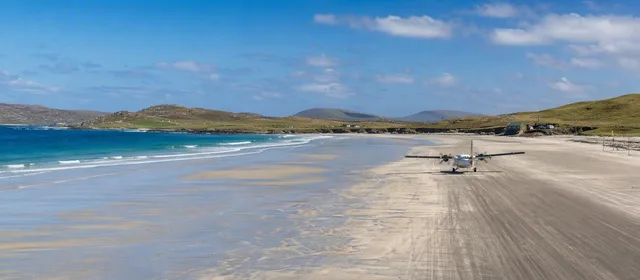
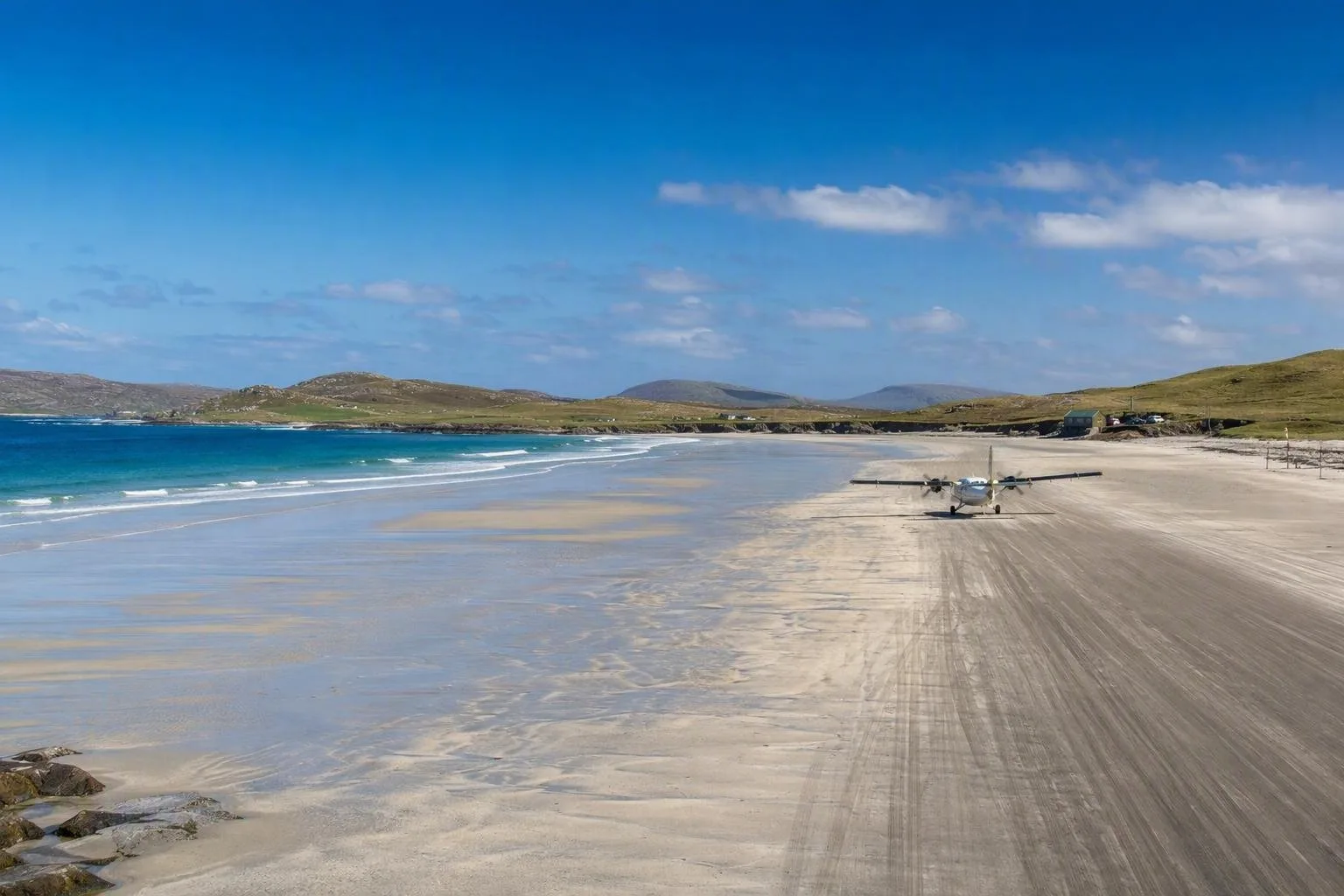
Flights serve Stornoway, Benbecula and Barra. Barra is exceptional: scheduled aircraft land on Traigh Mhòr, a tidal beach runway. The beach is public only when the windsocks are down; do not enter the runway area during airport operations.
Timing and essential planning
Late spring to early autumn gives the longest days and best conditions for beaches, walking and island-hopping. Summer is also the busiest period for vehicle space. Reserve every ferry leg early when travelling with a car, bike or campervan, and build overnight stops around confirmed sailings.
Ferry timetables vary by season and can change with operational disruption. Keep the final day of an onward journey free of tight connections. Campervans and motorhomes should use official campsites or designated overnight places rather than informal roadside stops.
From the magazine
Stories about Outer Hebrides
Editorial stories linked directly to Outer Hebrides.
Routes from our editors
Travel through Outer Hebrides
Editorial routes connecting Outer Hebrides with other countries, cities and hotspots.
No routes through Outer Hebrides have been published yet.
More in United Kingdom
Related hotspots
Other cities, nature areas and places within United Kingdom.

Glasgow
1 linked stories and routes
West Highland Line
1 linked stories and routes
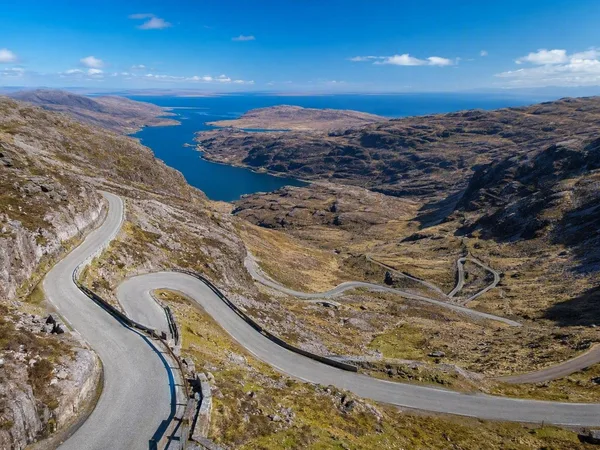
North Coast 500
1 linked stories and routes
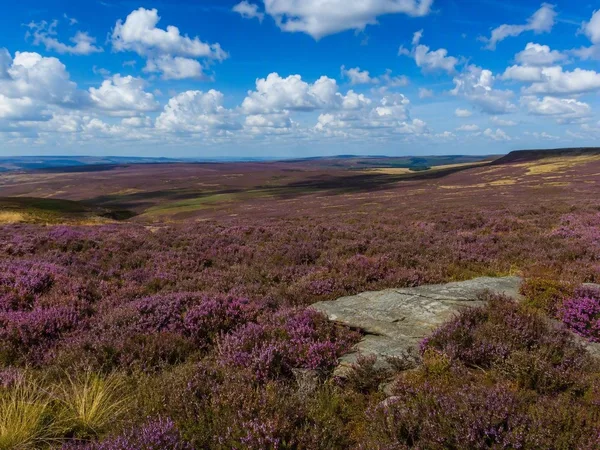
North York Moors National Park
1 linked stories and routes
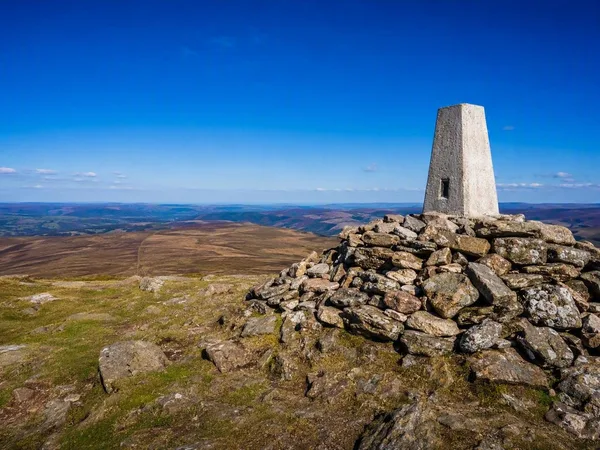
Exmoor National Park
1 linked stories and routes
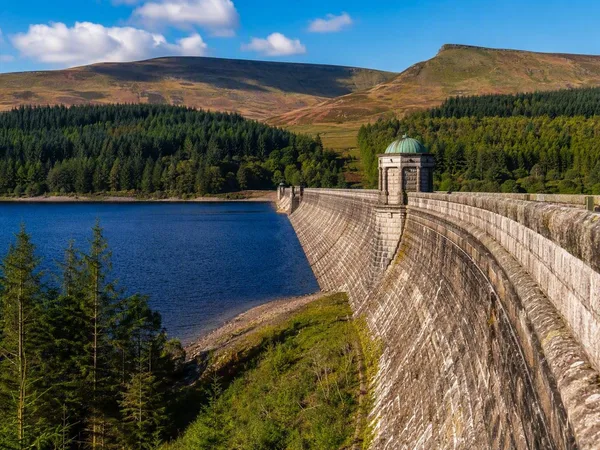
Bannau Brycheiniog National Park (Brecon Beacons)
1 linked stories and routes
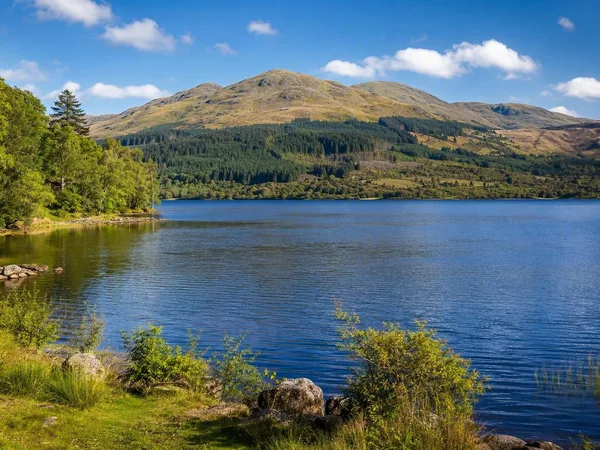
Galloway, Scotland
1 linked stories and routes
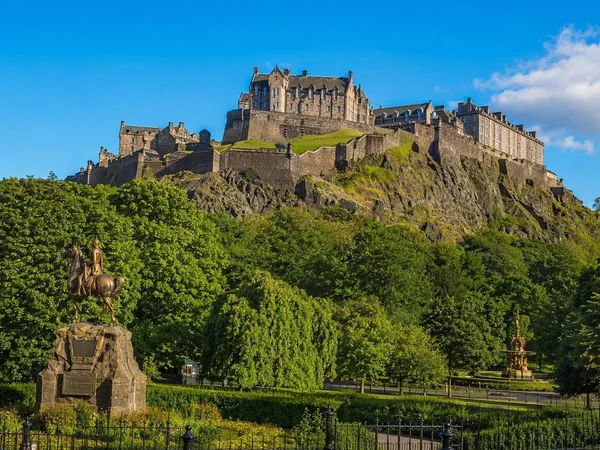
Edinburgh
1 linked stories and routes
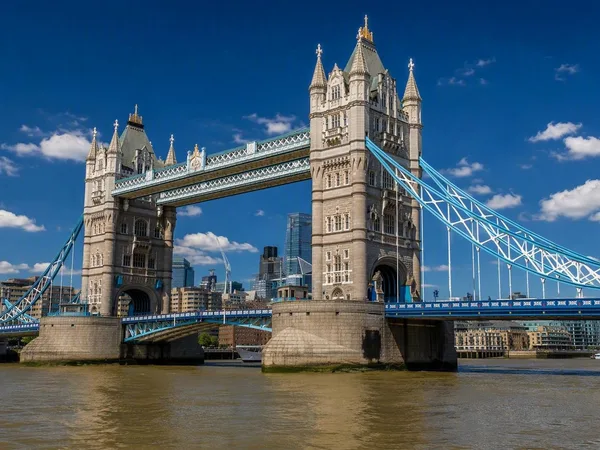
Tower Bridge
1 linked stories and routes
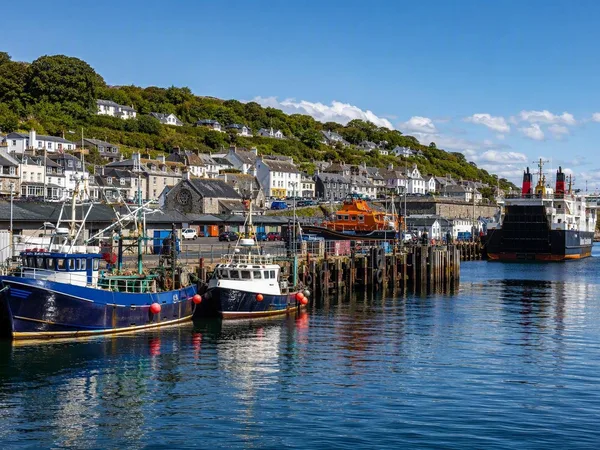
Mallaig
0 linked stories and routes