United Kingdom

Cliffs, cities and four nations

United Kingdom

England, Scotland, Wales and Northern Ireland share a state but keep distinct languages, landscapes and daily customs.

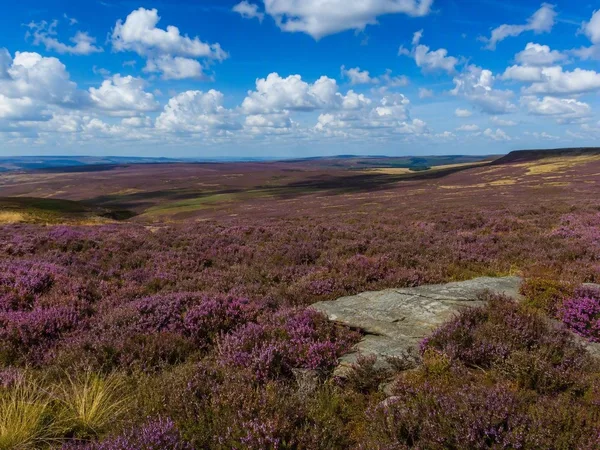
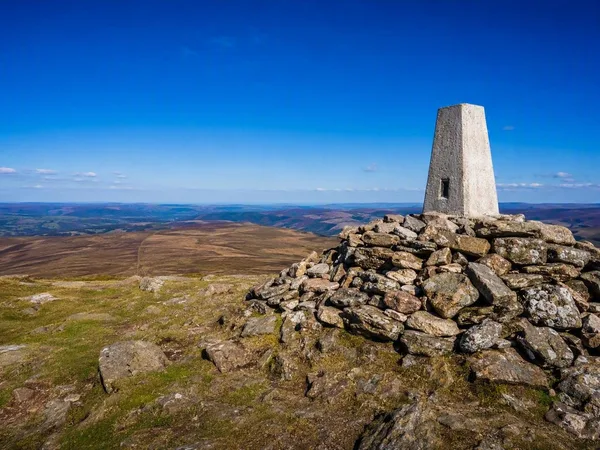
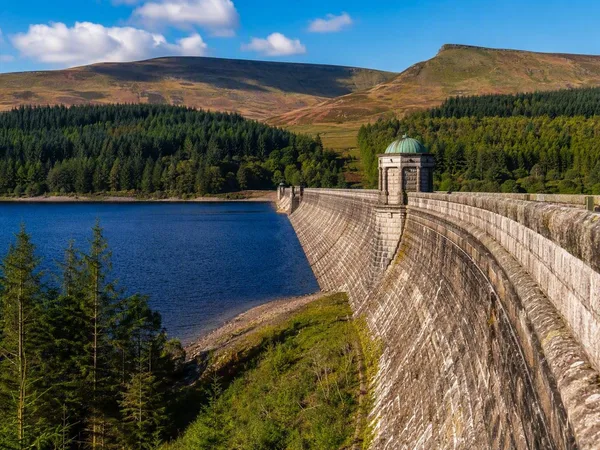
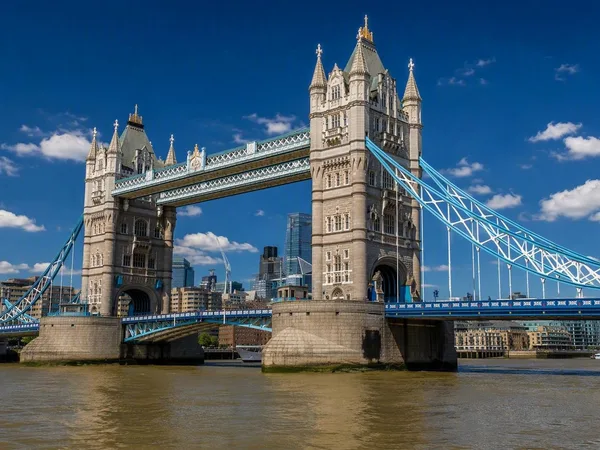
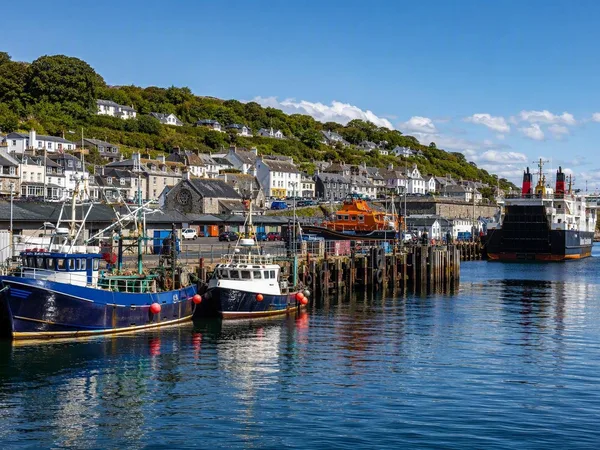
Look beyond London and the United Kingdom quickly breaks into four different places. England, Scotland, Wales and Northern Ireland share a state, yet each keeps its own languages, customs and public life. London packs royal ceremony, major museums and communities shaped by generations of migration along the Thames. A few hours north, dry-stone walls run across the Yorkshire Dales and fishing towns look out over the North Sea. Roman roads, medieval cathedrals, Georgian terraces and brick mills still mark the streets of towns and cities.

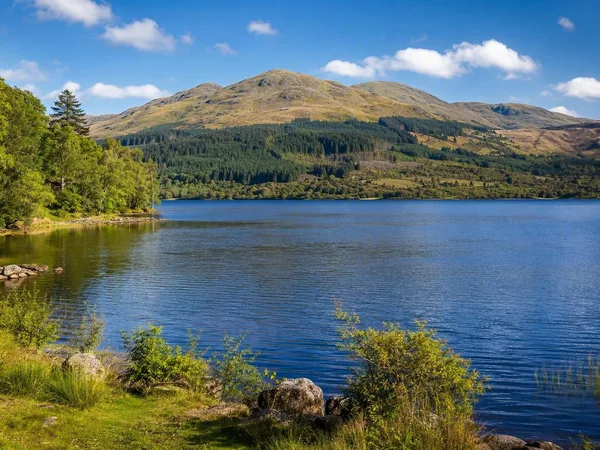
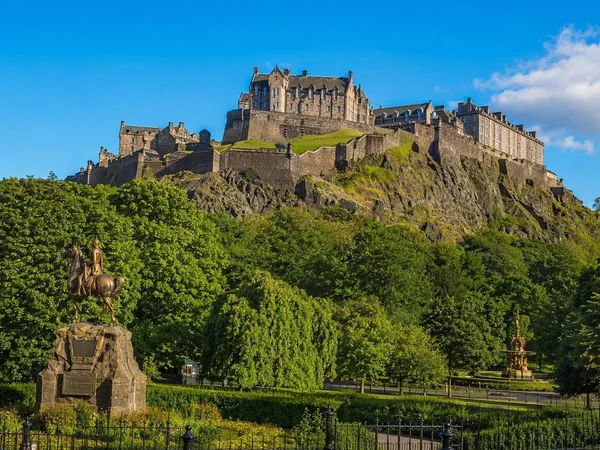
Edinburgh pairs the narrow stone closes of the Old Town with the ordered squares of the New Town. North of Scotland’s central belt, roads pass lochs and run into the Highlands. In Wales, slate quarries cut into the mountains of Eryri, while former coal towns fill valleys north of Cardiff. Welsh appears on road signs, in schools and on television. In Belfast, museums and offices stand on former shipyard land, and murals record competing memories of recent history.

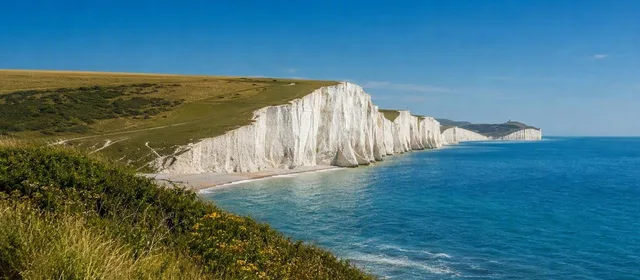
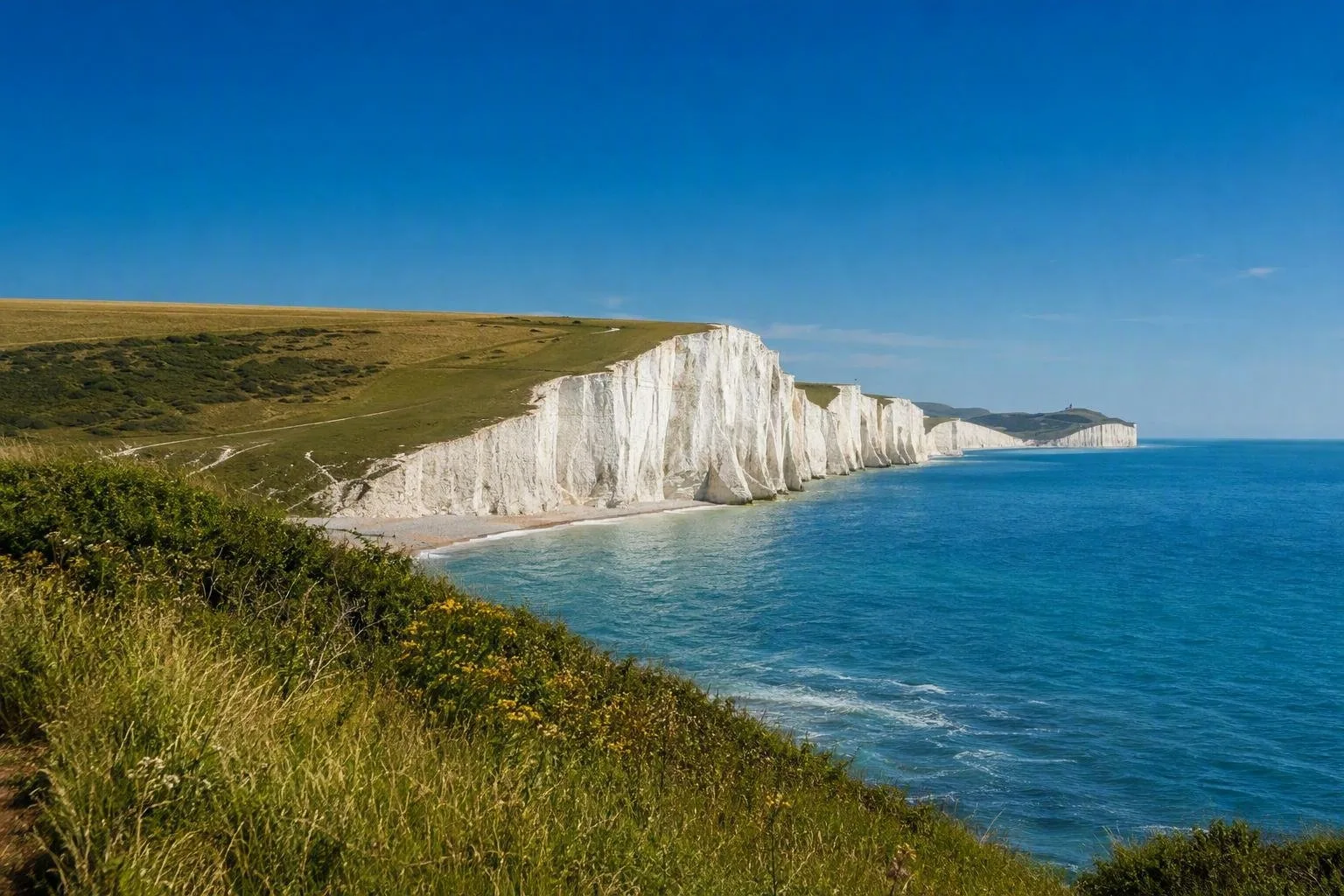
Food follows local trades and landscapes: Cornish pasties, Welsh rarebit, Scottish smoked fish and Northern Irish soda bread sit alongside curries and Caribbean cooking brought by long-established communities. Walk the grass headlands above the Channel at the Seven Sisters, take a train to an old industrial city, or order a Sunday roast in a village pub. Leave time for places beyond the famous addresses, and the differences between the four nations come into view.

When to go

Best time to travel

Monthly values are indicative average maximum temperatures for London and southeastern England. Temperatures and rainfall vary considerably: Scotland, Northern Ireland, Wales, upland areas and western coasts are often cooler or wetter. Monthly values are indicative average maximum temperatures for London and southeastern England. Temperatures and rainfall vary considerably: Scotland, Northern Ireland, Wales, upland areas and western coasts are often cooler or wetter.

jan9°C feb9°C mar12°C apr15°C may18°C jun21°C jul23°C aug23°C sep20°C oct16°C nov12°C dec9°C

Weather in the capital

Practical United Kingdom

On every country page we show the current weather for the capital.

London
Morning24°Covercast
Afternoon29°Covercast
Evening25°Cclear
today29°C / 23°Chigh and low

Current forecast by Open-Meteo

Getting around

Intercity trains link the main cities, while coaches often cost less. Local buses serve smaller towns, and ferries connect island communities. London and several other cities accept contactless payment on many services.

Paying

Cards and contactless payments are widely accepted, including for small purchases. Carry some cash for markets, small rural businesses and places with unreliable mobile coverage.

Where to stay

Options include city hotels, serviced apartments, country inns, hostels, cottages and campsites. Book early for summer, major festivals and popular coastal or national-park areas.

Before you leave

Worth knowing

A practical starting point for your trip. Check current conditions and local information before you leave.

01

International calling code

The UK calling code is +44. Drop the initial 0 from a local area or mobile number when calling from abroad.

02

Left-hand traffic

Vehicles drive on the left. At roundabouts, traffic already approaching from the right usually has priority unless signs or signals say otherwise.

03

Official and regional languages

English is used throughout the UK. Welsh has official status in Wales, while Scottish Gaelic and Irish have official recognition in Scotland and Northern Ireland. Scots, Ulster Scots and Cornish are also spoken.

04

Tipping customs

Restaurants often add a service charge. If they do not, a tip of about 10–15% is common but optional. People do not usually tip for drinks ordered at a pub bar.

05

Meal times and pub dining

Lunch often runs from noon to 2pm, and dinner from about 6pm to 9pm. Pub kitchens may close before the bar, especially outside large cities.

06

Shop opening hours

Many shops open around 9am and close between 5pm and 7pm. Branches in large cities may stay open later, while Sunday hours are often shorter and vary across the four nations.

07

Rail tickets and restrictions

Advance tickets usually apply to a specific train. Off-Peak tickets have time restrictions, while Anytime fares offer more flexibility. Check which service your ticket permits before boarding.

08

Mobile connectivity

4G and 5G coverage is broad in cities and towns but can weaken in remote valleys, islands and Highland areas. International roaming charges depend on your provider.

09

Metric and imperial units

Road distances use miles and speed limits use miles per hour. Fuel is sold by the litre, while shops and menus may use metric, imperial or both.

10

Queueing etiquette

People generally form orderly lines at counters, bus stops and ticket desks. Join at the back and wait your turn.

11

Pedestrian crossings

At zebra crossings, drivers give way to pedestrians on the crossing. At signal-controlled crossings, the green figure indicates when pedestrians may cross.

12

Ordering at pubs

At many pubs, customers order and pay at the bar, including for food. Some venues offer table service or let customers open a tab with a card.

From the magazine

Stories about United Kingdom

Editorial stories connected to United Kingdom and the places in this country.

The world’s ten greatest bridges, ranked
Article

The world’s ten greatest bridges, ranked

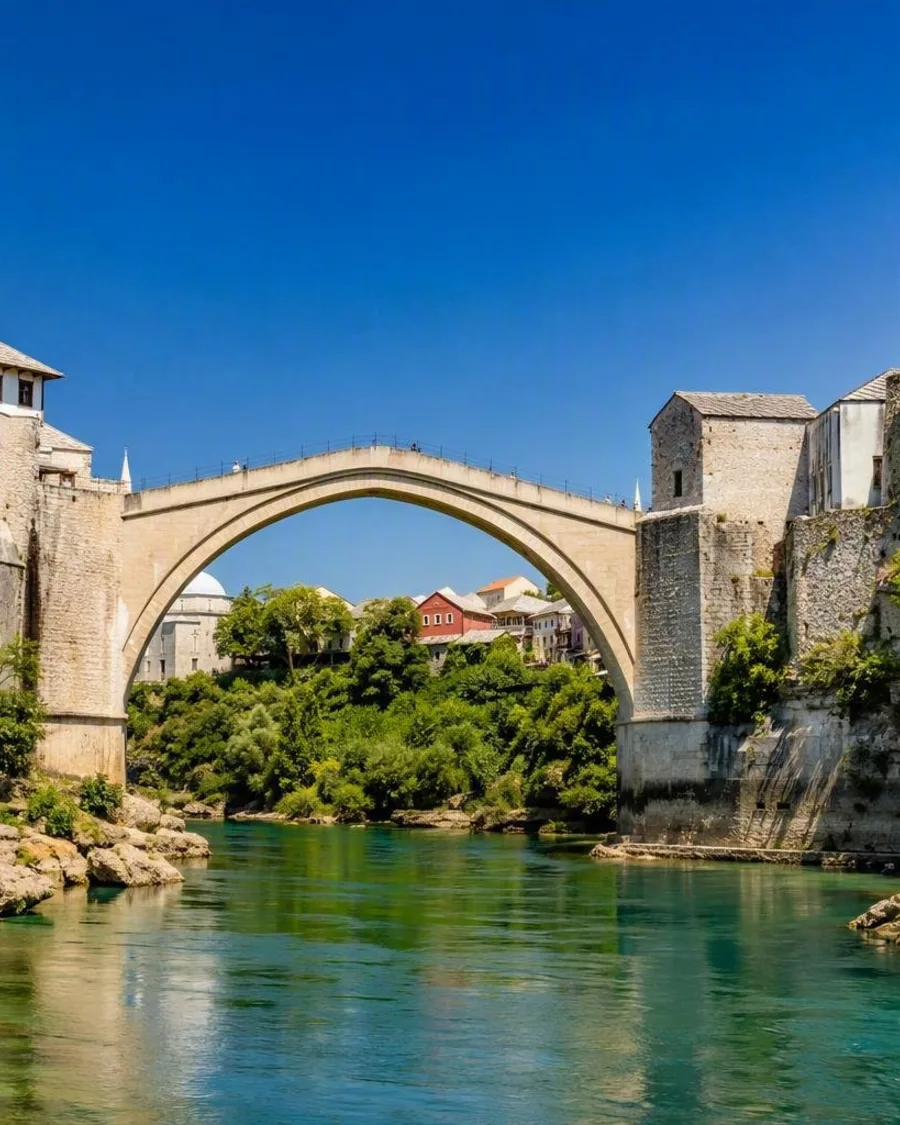
These ten bridges are ranked by three things: the force of their design, the history held in their fabric, and the precision with which they meet their river, strait, valley or city. Pont du Gard starts the list; Stari Most finishes it above the Neretva.

Eight cities where winter changes the streets
Article

Eight cities where winter changes the streets

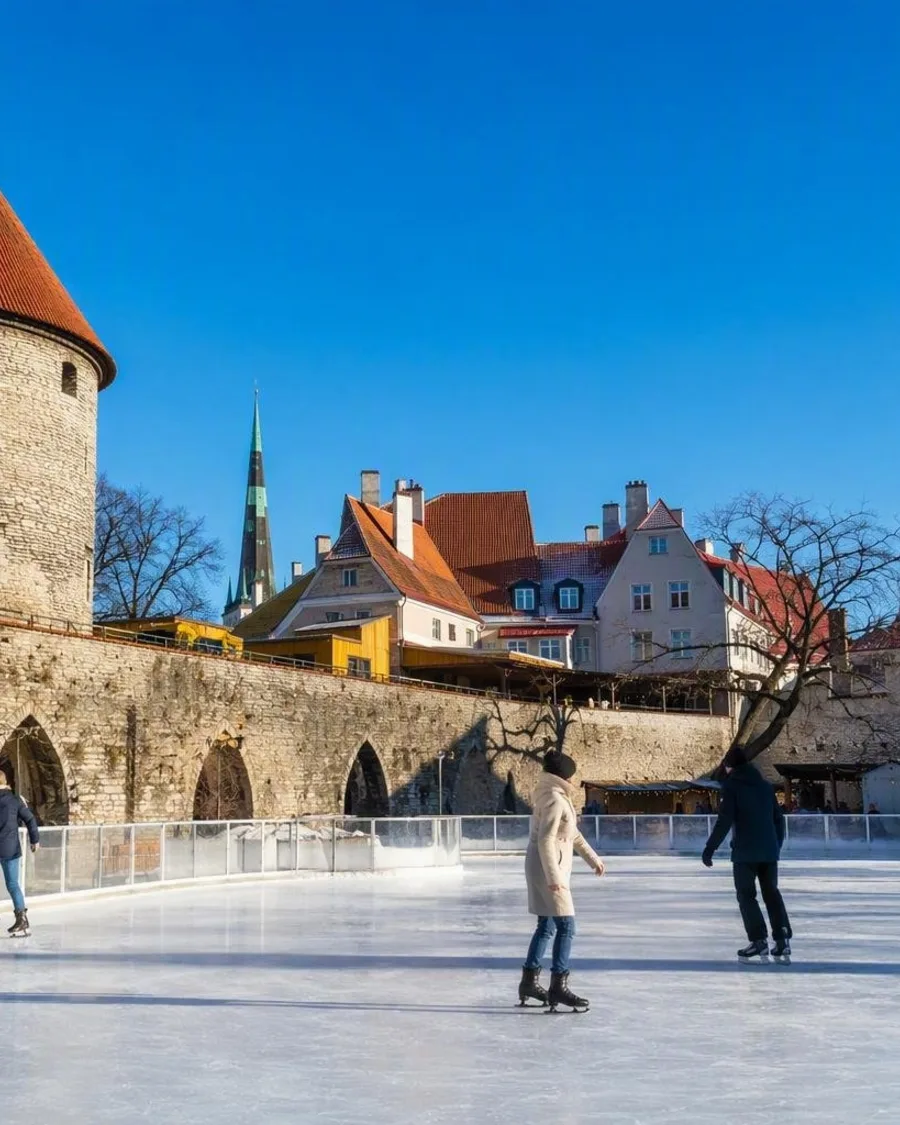
Tallinn’s medieval lanes, Tromsø’s blue midday twilight and Kyoto’s frost-bright temple steps belong to the cold months. In these eight cities, winter changes how public spaces look, how residents use them and what visitors can see.

Ten dark-sky landscapes, ranked from moorland to mountain basin
Article

Ten dark-sky landscapes, ranked from moorland to mountain basin

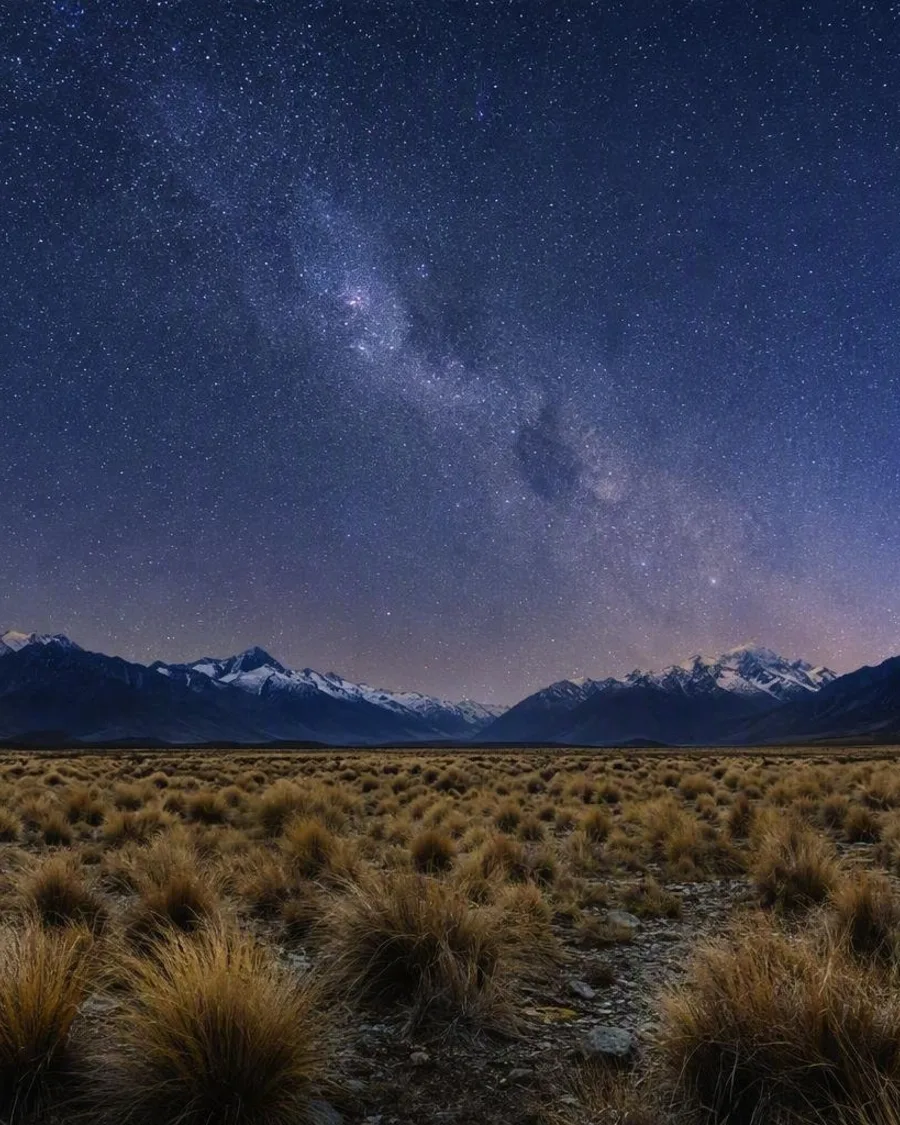
Pink sand runs below Wadi Rum’s sandstone walls, while telescope domes stand on La Palma’s volcanic crest. This ranking places New Zealand’s glacial Mackenzie Basin first, where a wide alpine floor gives the night sky a large, uncluttered frame.

Eight drives between high passes and open ocean
Article

Eight drives between high passes and open ocean

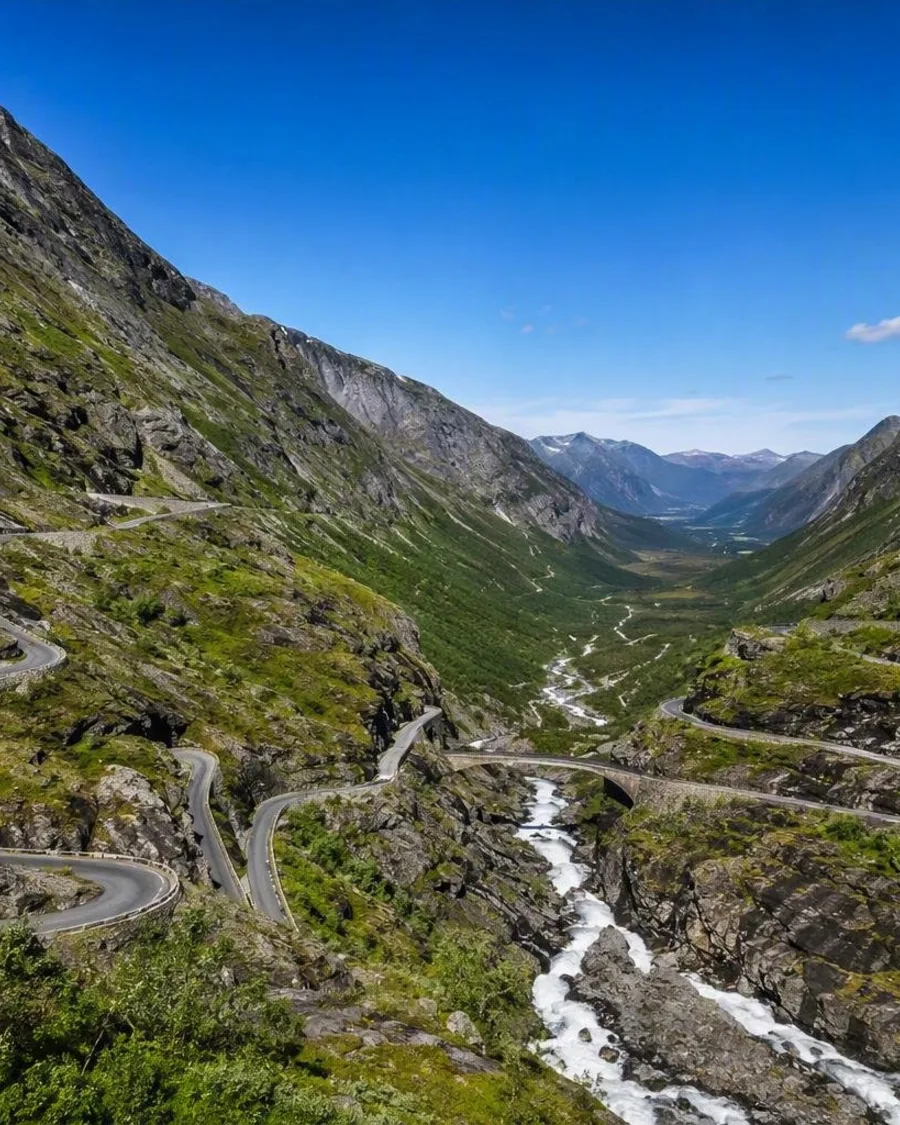
Austria’s Grossglockner road climbs from wooded valleys to bare Alpine ground through a tight stack of bends. Australia’s Great Ocean Road follows surf beaches, slips into wet forest and returns to a limestone coast. These eight routes stand apart through the shape of the road, the land around it and the views that arrive with each change in direction.

Eight Journeys Where the Way There Is the Point
Article

Eight Journeys Where the Way There Is the Point

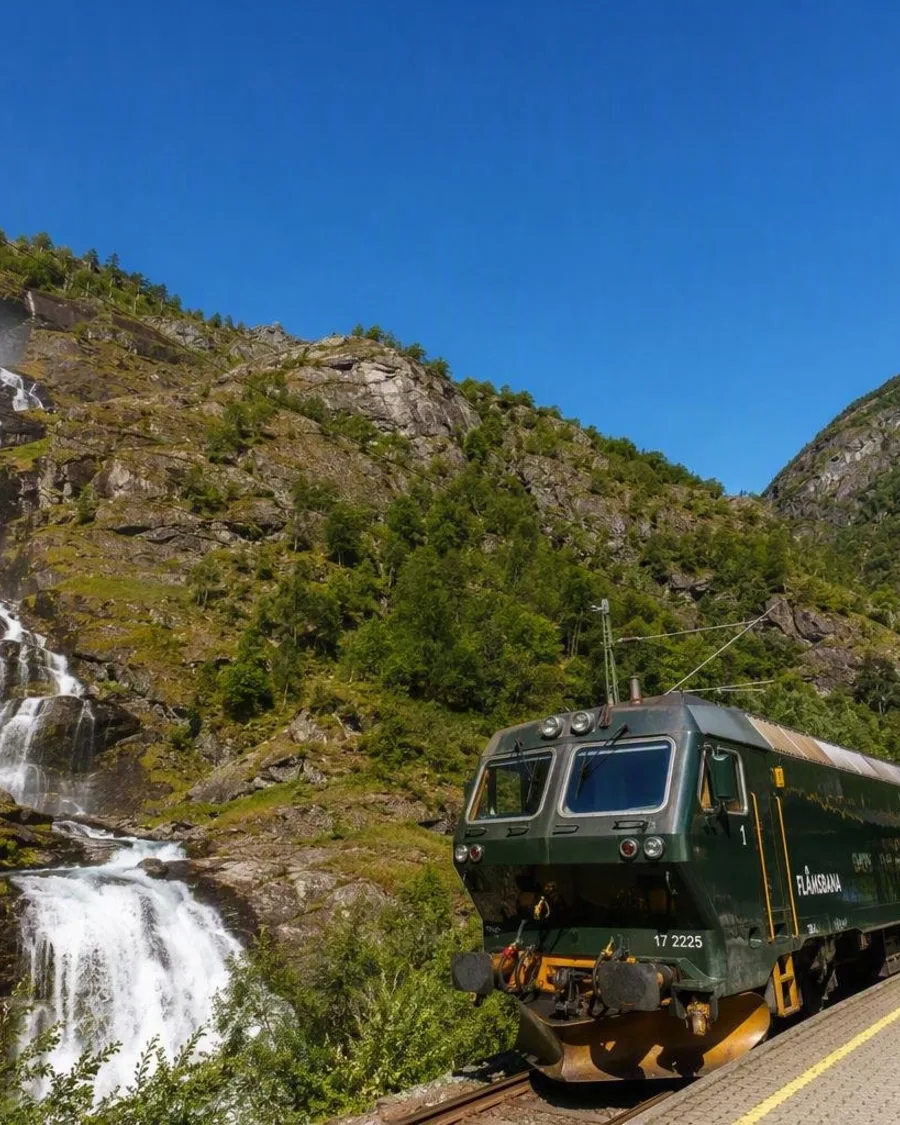
At Myrdal, the Flåm Railway leaves Norway’s main line and begins an 866-metre descent towards the fjord. Tunnels, ledges and tight curves make the movement downhill more compelling than the arrival.

Eight archipelagos where the boat still matters
Article

Eight archipelagos where the boat still matters

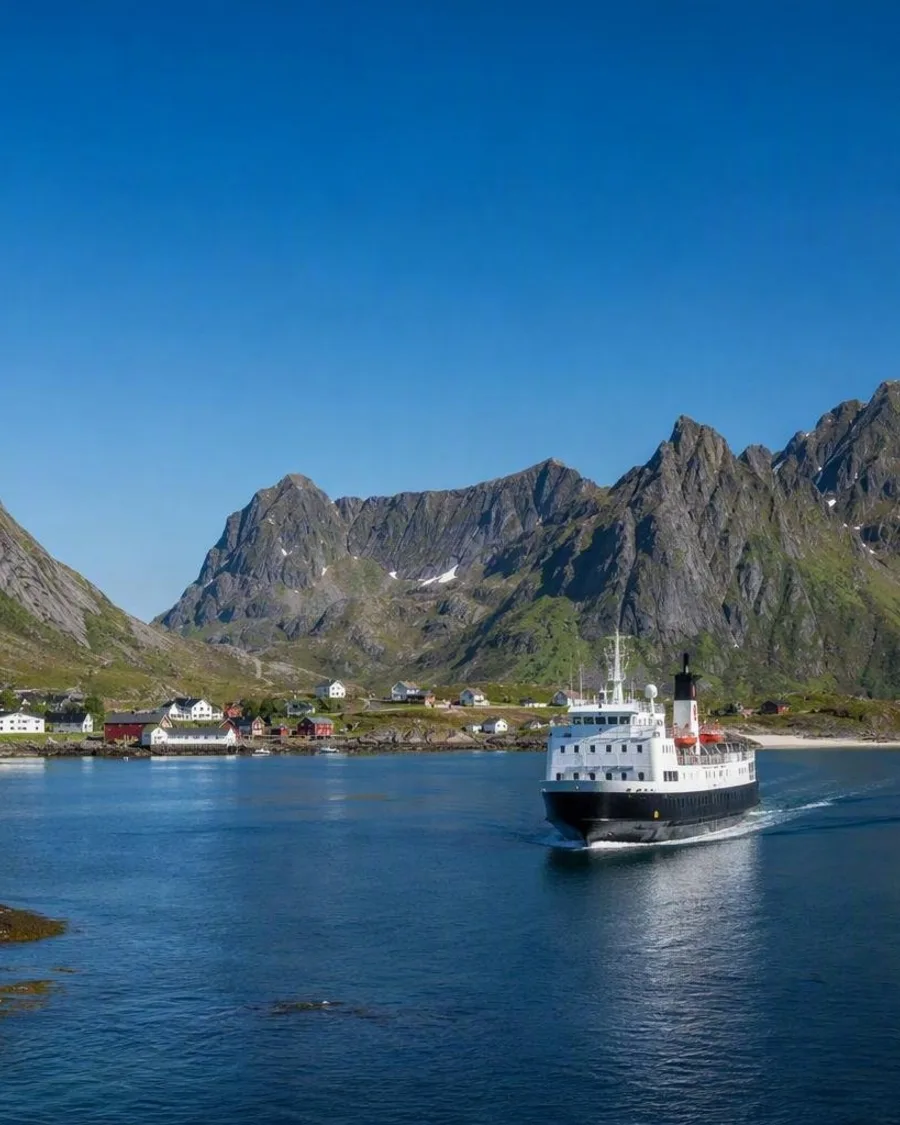
A ferry from Bodø reaches Lofoten beneath granite ridges that rise almost straight from the Norwegian Sea. Across these eight archipelagos, ferries, island flights, small launches and expedition ships make arrival part of the place.

Seven European train routes where the railway is the destination
Article

Seven European train routes where the railway is the destination

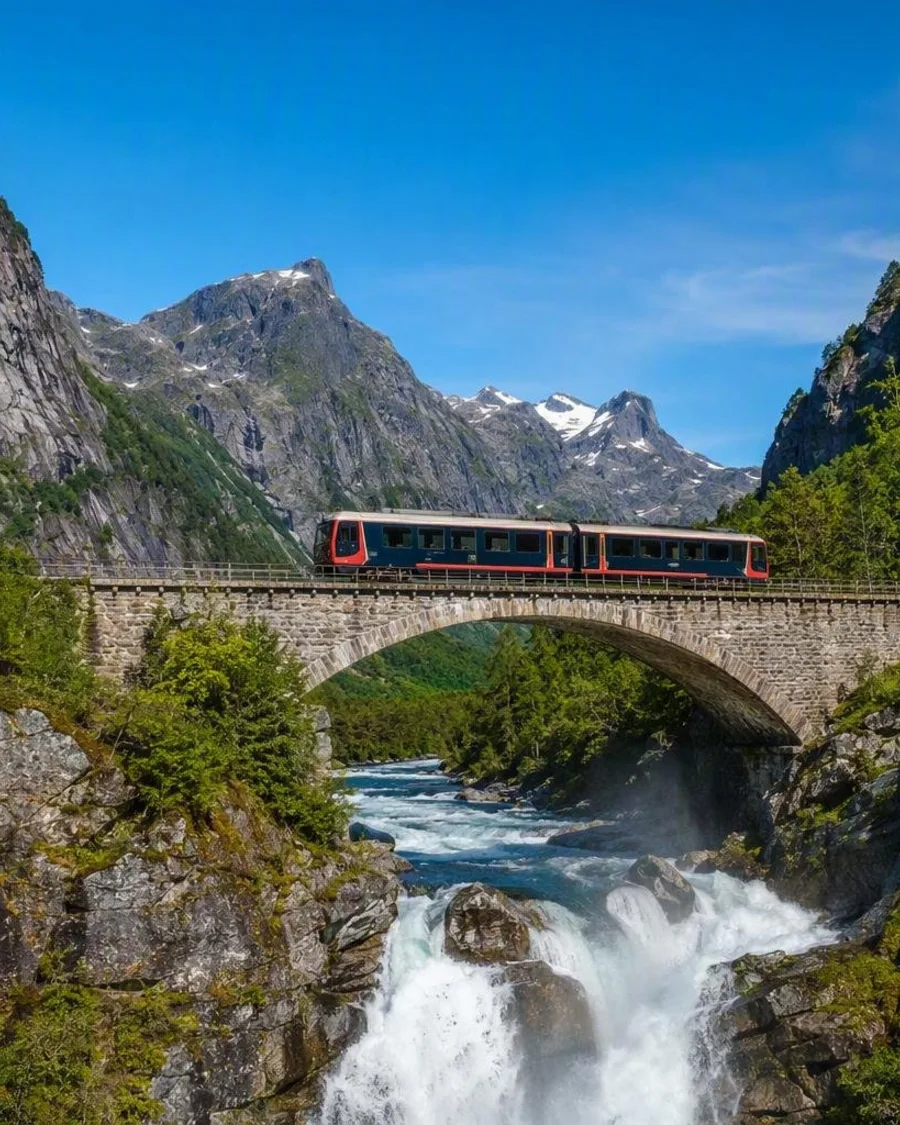
Above Vermafossen, a regular train crosses the stone Kylling Bridge before dropping between the rock walls of Romsdal. These seven lines put landscape, railway construction and ordinary public transport in the same frame.

Newlyn, from the Old Quay to the Street Above
Article

Newlyn, from the Old Quay to the Street Above

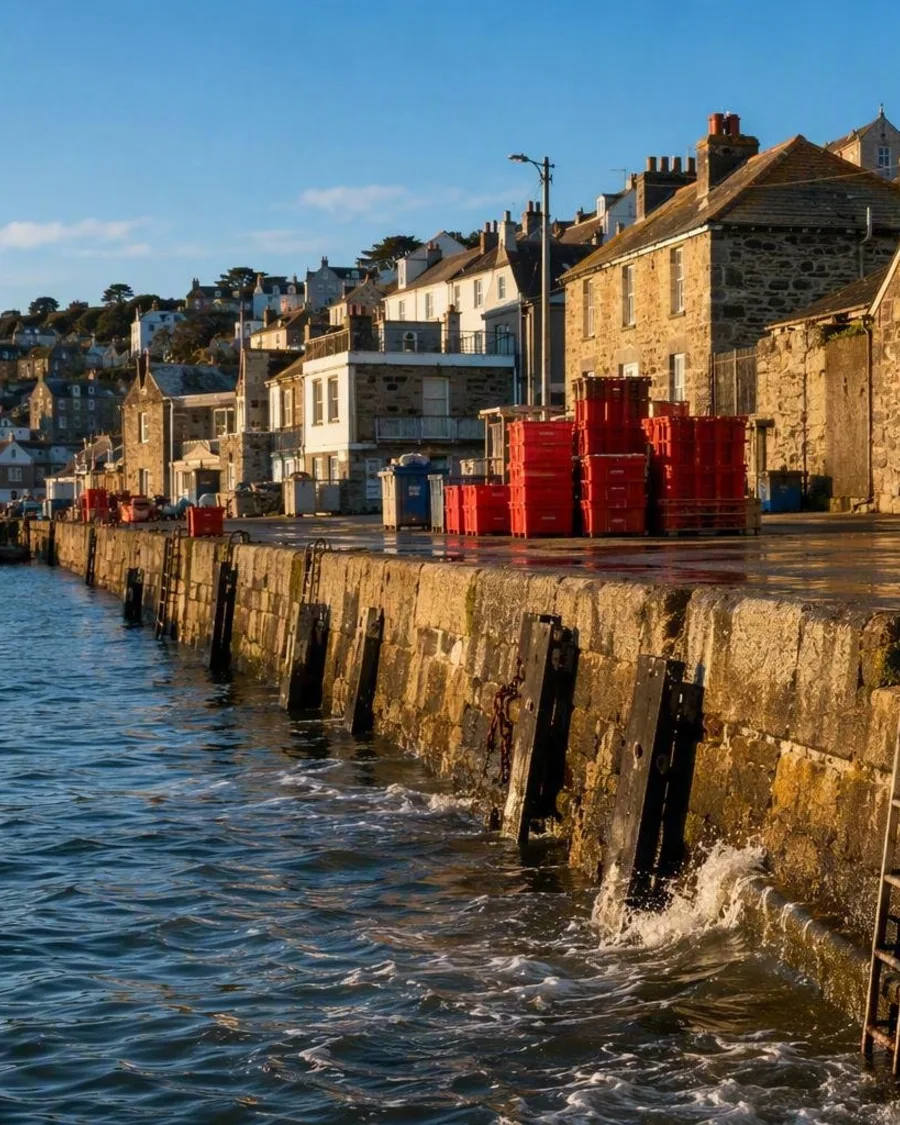
Before sunrise, engines turn over beneath Newlyn’s granite walls. From the Old Quay, a short walk past warm pasties and up into the cottages shows the harbour changing level by level as the water returns.